Eight Longest Serving African Leaders Who Have Refused to Handover Power, One Has Ruled for 47 Years (Read Shocking Details
 Admin User
May 23, 2026
3 min read
Admin User
May 23, 2026
3 min read
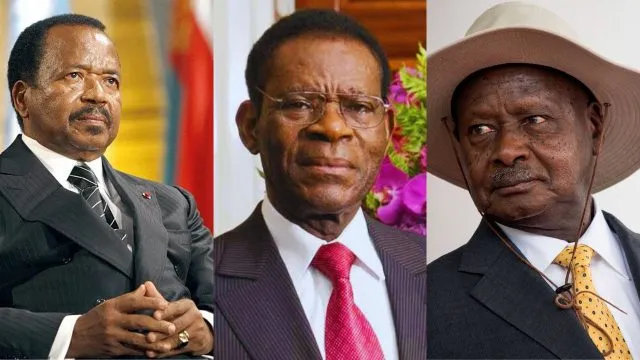
Africa is the youngest continent on earth, overflowing with energy, innovation, creativity, and ambition. Across the continent, millions of young Africans are reshaping industries through technology, entrepreneurship, education, sports, and entertainment. Yet, despite this youthful population, political leadership in many African countries remains dominated by elderly rulers who have held power for decades.
This contradiction has become one of the defining political realities of modern Africa: nations filled with young citizens are still governed by leaders old enough to be their grandfathers.
The issue is not merely about age. It is about political longevity, fear of losing power, weak democratic institutions, constitutional manipulation, and the systematic exclusion of younger generations from leadership.
Africa’s Young Population, Old Leadership
In many African countries, the average age of citizens is below 25 years, while presidents and ruling elites are often in their seventies, eighties, and even nineties. Leadership transitions that should occur naturally in democratic systems are repeatedly delayed through constitutional amendments, controversial elections, suppression of opposition, or political patronage.
Several African leaders have remained in office for extraordinarily long periods, becoming symbols of political permanence rather than democratic rotation. ** African Leaders Who Have Stayed Long in Power**
Paul Biya — Cameroon
Paul Biya was born in 1933 and is over 90 years old. He became president of Cameroon on November 6, 1982. As of 2026, he has ruled Cameroon for 44 years. Under Biya’s administration, Cameroon has experienced prolonged political dominance by one ruling structure, while younger political voices continue to struggle for meaningful influence. ** Yoweri Museveni — Uganda**
Born in 1944, Museveni took power in Uganda on January 26, 1986, after a guerrilla war. As of 2026, he has ruled Uganda for 40 years.
Museveni initially presented himself as part of a new generation of African leadership, criticizing leaders who overstayed in office. Ironically, he later became one of the continent’s longest-serving presidents.
Teodoro Obiang Nguema Mbasogo — Equatorial Guinea
Obiang was born in 1942 and seized power through a coup on August 3, 1979. As of 2026, he has ruled Equatorial Guinea for 47 years.
He is currently Africa’s longest-serving sitting president. Despite the country’s oil wealth, critics have repeatedly questioned governance, political freedom, and wealth distribution.
Denis Sassou Nguesso — Republic of the Congo
Born in 1943, Sassou Nguesso first became president in 1979. Though he briefly lost power between 1992 and 1997, he returned to office in 1997 after civil conflict.
Combined, he has dominated Congolese politics for about 44 years. His long political influence reflects how difficult leadership transition has become in several African states.
Isaias Afwerki — Eritrea
Born in 1946, Afwerki became Eritrea’s leader at independence on May 24, 1993. As of 2026, he has ruled Eritrea for 33 years.
Eritrea has never held national presidential elections under his leadership, making it one of the continent’s most tightly controlled political systems.
Alassane Ouattara — Côte d’Ivoire
Born in 1942, Ouattara became president in 2010. As of 2026, he has ruled Côte d’Ivoire for 16 years.
His decision to seek another term after constitutional controversy sparked intense political debate about leadership succession and democratic limits in West Africa. ** Emmerson Mnangagwa — Zimbabwe**
Born in 1942, Mnangagwa became president in 2017 after the removal of former president Robert Mugabe, who himself ruled Zimbabwe for 37 years.
Related Posts
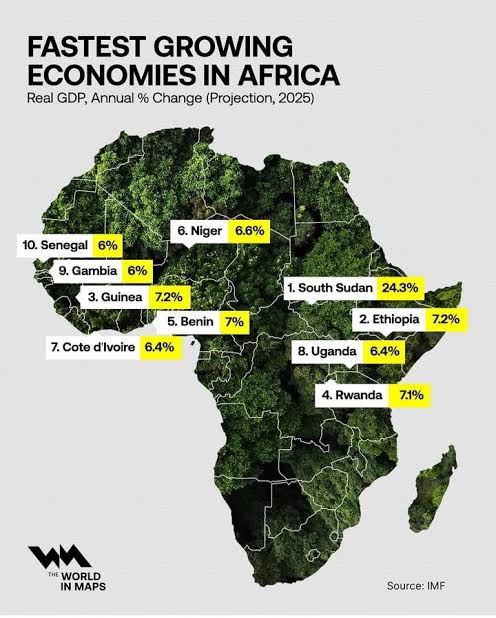
Check This Out: Top 10 Fastest-Growing Economies in Africa in 2026
Africa is emerging as one of the world’s fastest-growing economic regions in 2026. Despite...
Obi takes over NDC race as sole presidential aspirant, triggers major political realignment talk across Africa
Former presidential candidate Peter Obi has now been confirmed as the sole presidential as...
Breaking: Nigeria’s 2027 presidency race takes dramatic turn as court postpones Jonathan case, INEC missing at key hearing
Fresh political uncertainty is spreading across Nigeria ahead of the country’s crucial 202...
OPINION: Why Colonialism Remains Africa’s Unfinished Battle
The history of Africa cannot be discussed honestly without confronting the enduring burden...
As of 2026, Mnangagwa has ruled Zimbabwe for 9 years, but he remains part of the same old political establishment that has governed the country for decades.
Robert Mugabe — Zimbabwe
Mugabe ruled Zimbabwe from 1980 to 2017. He remained in power for 37 years and was removed at the age of 93 after enormous political and economic pressure.
His rule became one of the strongest examples of how liberation-era leadership transformed into prolonged personal rule.
Omar Bongo — Gabon
Omar Bongo ruled Gabon from 1967 until his death in 2009. He governed for 42 years, becoming one of Africa’s most enduring rulers. His family continued to dominate Gabonese politics even after his death.
**Why Many African Leaders Refuse to Leave Power
Fear of Losing Protection**
For many leaders, political office provides security, influence, immunity, and control over national resources. Leaving office can expose them to corruption investigations, political retaliation, or loss of wealth and privilege. As a result, leadership becomes a survival mechanism instead of temporary public service.
Weak Institutions Encourage Long Rule
Strong democracies rely on strong institutions, not powerful individuals. In many African countries, electoral commissions, courts, legislatures, and security agencies are vulnerable to political influence. This allows leaders to: remove term limits, manipulate elections, suppress oppositions, intimidate critics, extend their rule indefinitely. When institutions are weak, democracy becomes fragile.
The Liberation Hero Syndrome
Some aging leaders are sustained by their historical role in independence struggles or armed conflicts. They are viewed as national liberators, making criticism politically sensitive. However, liberation history should not become a permanent license to rule forever. A nation cannot build its future solely around past victories. ** Political Patronage and Elite Interests**
Long-term rule survives through networks of loyalists, business elites, military officials, ruling party members, and political allies who benefit from the existing system. These networks resist generational change because leadership transition threatens their own access to wealth and influence.
The Exclusion of African Youth
Ironically, African youths are the backbone of the continent’s economy and creativity. Yet politically, they remain marginalized. Barriers facing young people include: high cost of elections, godfatherism, electoral violence, corruption, limited access to political parties, poverty and unemployment. Many young Africans are used during campaigns but excluded from actual governance. This exclusion fuels frustration, migration, and declining trust in democracy.
The Cost of Endless Rule
When leaders remain too long in power: innovation declines, corruption deepens, institutions weaken, public trust erodes, pposition is suppressed, economic progress slows down, governments often become more focused on regime survival than national development. No democracy thrives where leadership transition is treated as a threat.
Why Africa Needs Youth Leadership
Youth leadership does not mean rejecting elders. It means balancing experience with innovation. Young leaders often understand: Digital economies Artificial intelligence Climate change Modern education Technology-driven governance Contemporary employment challenges
Africa’s future depends heavily on these realities. A continent with the world’s youngest population cannot continue postponing generational transition indefinitely.
Presently, Africa stands at a historic crossroads. Its youthful population is demanding opportunity, accountability, transparency, and representation. Yet many political systems remain trapped in the hands of aging elites unwilling to surrender power.
True democracy flourishes when leadership rotates peacefully, institutions become stronger than individuals, and every generation has the opportunity to shape national destiny.
The future of Africa cannot remain permanently delayed by leaders who refuse to pass the baton. Great leaders are remembered not because they ruled forever, but because they knew when to step aside and allow the next generation to rise.
Related Posts

Uchechi Okporie
May 13, 2026
Africa Forward Summit: French President Turns to English Speaking Africa, Announces Sweeping €23bn Investment in Africa
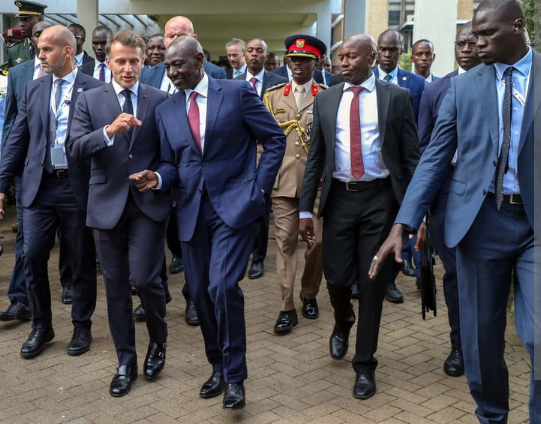
At the Africa Forward summit in Nairobi, French President Emmanuel Macron announced a sweeping 23 billion euro ($27 billion) investment package aimed at deepening economic ties between France and African nations.
Uchechi Okporie
May 13, 2026
Kenya President Pushes for New Economic Order as African Leaders Gather in Nairobi
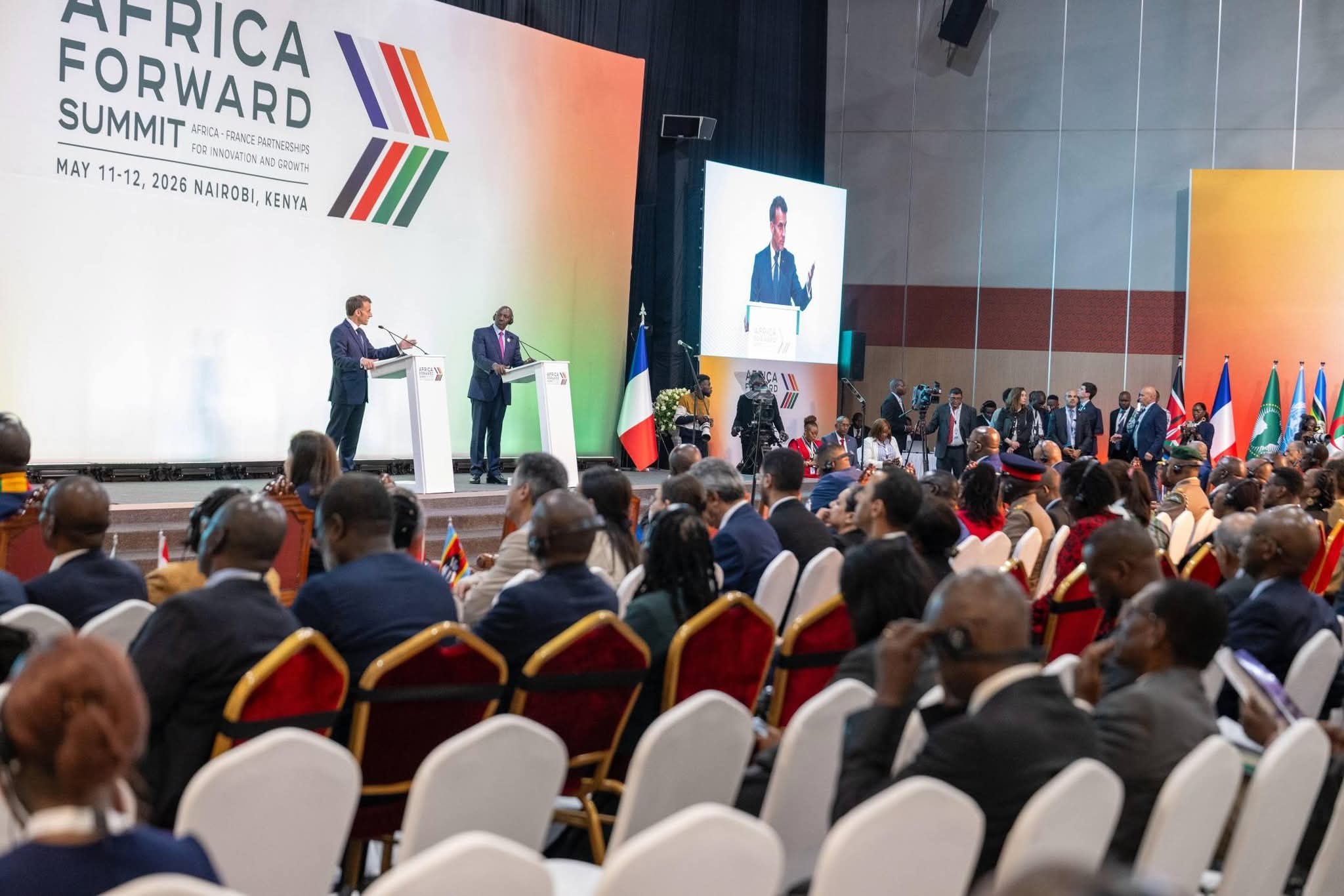
At the ongoing Africa Forward Summit in Nairobi, Kenyan President William Ruto has called for a new era of partnership between Africa and France anchored on mutual respect, shared responsibility and economic transformation.
Chineye Egesi
May 13, 2026
Rwanda President Names African Leaders Linked to Election Crisis in Democratic Republic of Congo
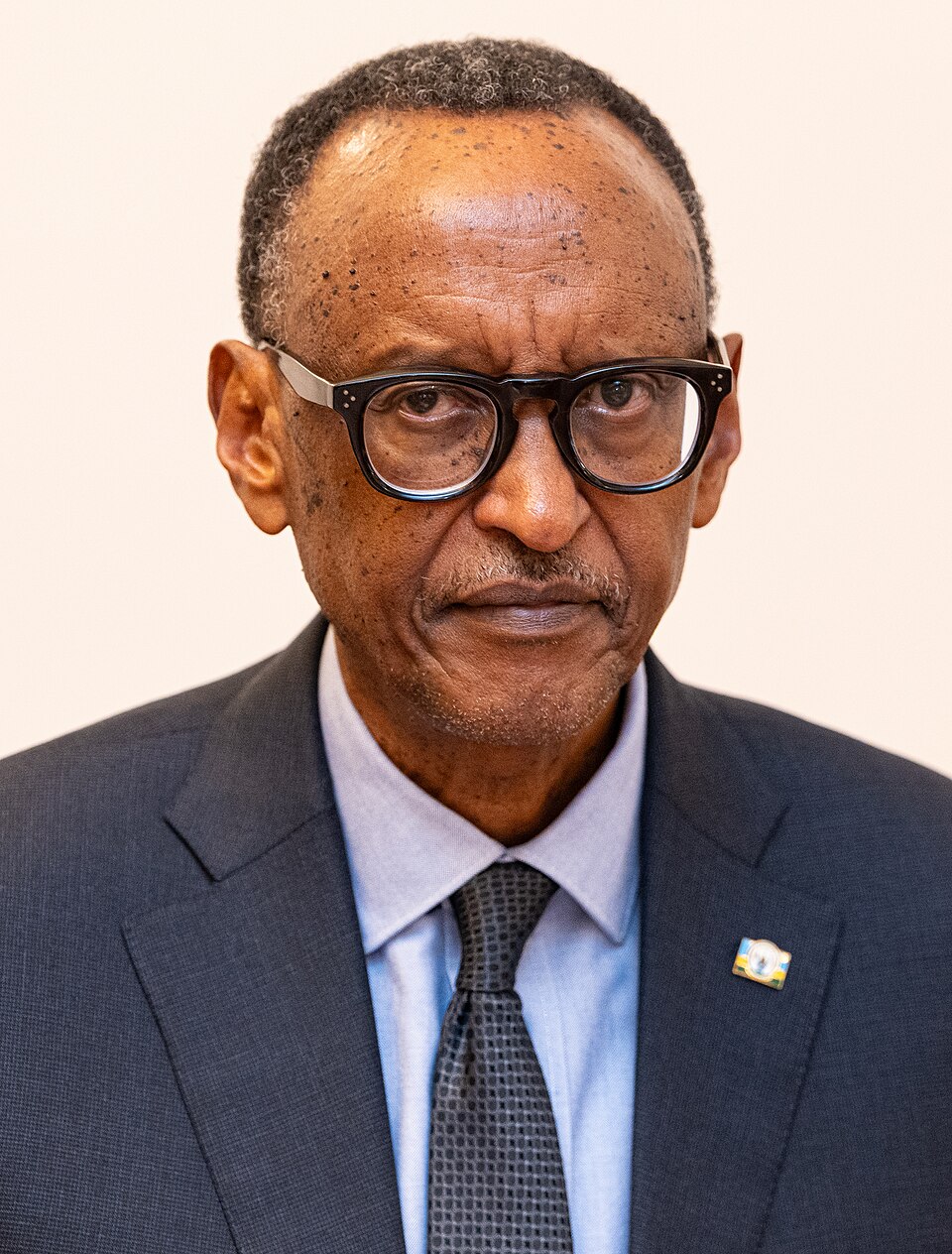
Rwandan President Paul Kagame has intensified tensions with neighbouring Democratic Republic of Congo after sharply criticising Congolese President Félix Tshisekedi, claiming he “has never won an election” and only assumed office through a political arrangement.
Uchechi Okporie
May 11, 2026
South Africa enters new political crisis as Ramaphosa refuses to quit
South African President Cyril Ramaphosa has refused to resign after the reinstatement of impeachment proceedings reopened a major political confrontation in South Africa, intensifying tensions inside the country’s ruling establishment.
Admin User
May 08, 2026
Police arrest another key suspect in abduction of Bayelsà Judge five months after
Operatives of the newly established Inspector General Police(IGP) Violent Crime Response Unit of the Bayelsà State Police command have arrested a Key suspect in the last year abduction of a State High Court Judge, Justice E.G Omukoro at a popular eatery in Yenagoa the State capital.
Uchechi Okporie
May 07, 2026
Jonathan sends shockwaves through Nigeria’s 2027 election race as ex-president hints at possible return to power
Former Nigerian President Goodluck Jonathan has triggered fresh political speculation across Africa after hinting at a possible return to frontline politics ahead of Nigeria’s crucial 2027 presidential election, declaring that the race for the country’s highest office “is not a computer game.”
Chineye Egesi
May 04, 2026
Nigeria’s Non-Oil Export Boom: Nearly $1 Billion in Q1 2026 Signals a New Dawn for African Trade
Africa’s giant is stirring and this time, it’s not crude oil leading the charge. Fresh data from the Nigeria Customs Service shows the country’s export sector surged by nearly 39% in the first quarter of 2026, hitting a staggering $925.84 million, as non-oil trade finally takes center stage.

Chineye Egesi
May 04, 2026
Africa’s digital gold rush: How women are turning smartphones into wealth and power
A quiet economic revolution is sweeping across Africa and parts of Asia driven not by government programs, but by women armed with smartphones and internet access.
Trending
May 19, 2026
BREAKING: APC bloodbath rocks Nigeria as governors seize Senate tickets and political titans suffer humiliating collapse ahead of 2027 war
Uchechi Okporie
May 20, 2026
BREAKING: Jonathan Secures Historic PDP Waiver as Turaki Power Bloc Unifies Behind Him, Clearing Path to Near-Uncontested 2027 Presidential Run
Uchechi Okporie
May 19, 2026
Tension Rises as APC Headquarters Disowns Purported Senatorial Primary Results, Says Unauthorized Announcement Violates NWC Directive
Uchechi Okporie
May 19, 2026
Delta APC Primary Crisis Deepens as Ned Nwoko's Camp Demands Okowa’s Disqualification Over Violation of NWC Directives
Uchechi Okporie
May 19, 2026
BREAKING: Fierce Delta North APC battle deepens as Ned Nwoko declares commanding primary victory, dismisses fake results and renews Anioma State mission
Uchechi Okporie
May 17, 2026
Deadly Chaos Erupts Inside Nigeria’s Ruling Party as APC Primary Election Violence Claims Life in Plateau, Raising Fresh Fears Ahead of 2027 Power Battle
Uchechi Okporie
May 17, 2026
BREAKING: Diaspora Group Erupts Over “Disrespect” to Goodluck Jonathan, Fires Warning at VeryDarkMan Amid 2027 Political Tension
Uchechi Okporie
May 18, 2026
Breaking News: Nigeria’s ruling APC throws 47 senatorial aspirants out of 2027 race in dramatic political crackdown
Uchechi Okporie
May 17, 2026
Breaking: Political Earthquake Brewing in Nigeria as Obidient and Kwankwasiyya Forces Raise Massive ₦60 Million Campaign War Chest Ahead of Explosive 2027 Power Battle
Uchechi Okporie
May 21, 2026
Explainer: Why African Currencies Keep Losing Value Against The Dollar
Admin User
May 18, 2026
BREAKING news: APC primaries explode in Nigeria as political giants collapse, 50 sitting lawmakers wiped out in unprecedented ticket shock
Uchechi Okporie
Latest Stories
May 23, 2026
Eight Longest Serving African Leaders Who Have Refused to Handover Power, One Has Ruled for 47 Years (Read Shocking Details
Admin User

May 23, 2026
Wembley Heartbreak! Hull City Stun Middlesbrough With Last-Gasp Winner to Complete Premier League Return
Uchechi Okporie
May 23, 2026
Terror in Nigeria’s Northeast Deepens as Troops Hunt Down Boko Haram Fighters, Rescue Kidnapped Women and Children From Borno Hideouts
Uchechi Okporie
May 23, 2026
From Brothers-in-Struggle to Rivals-in-Power: How Senegal’s President Diomaye Faye and PM Sonko Fell Apart
Admin User
May 23, 2026
Opposition Figure Warns APC’s Dominance Threatens Nigeria’s Democracy
Chineye Egesi

May 23, 2026
Presidential Race Heats Up: PRP Clears Donald Duke, Two Others for Primaries
Chineye Egesi
May 23, 2026
‘Democracy at a High Level’: Tinubu Hails APC Primaries as Grassroots Success
Chineye Egesi
May 23, 2026
“Evacuate Now: Israel Issues Urgent Strike Warning for 10 Lebanese Villages”
Chineye Egesi
May 23, 2026
From Harvest to Hunger: Climate Chaos Wipes Out Nigerian Farms as Food Crisis Deepens Across Ogun, Oyo and Lagos
Uchechi Okporie
May 23, 2026
Trump Shakes Up U.S. Immigration: Nigerians Must Now Return Home to Apply for Green Cards
Chineye Egesi
May 23, 2026
Katsina APC Declares Unflinching Support for Tinubu’s 2027 Re-election, Says Gov Radda
Chineye Egesi