Why Are Their Citizens Leaving for South Africa in Droves - Ramaphosa's Spokesman Poses Questions for African Leaders
 Uchechi Okporie
May 09, 2026
3 min read
Uchechi Okporie
May 09, 2026
3 min read
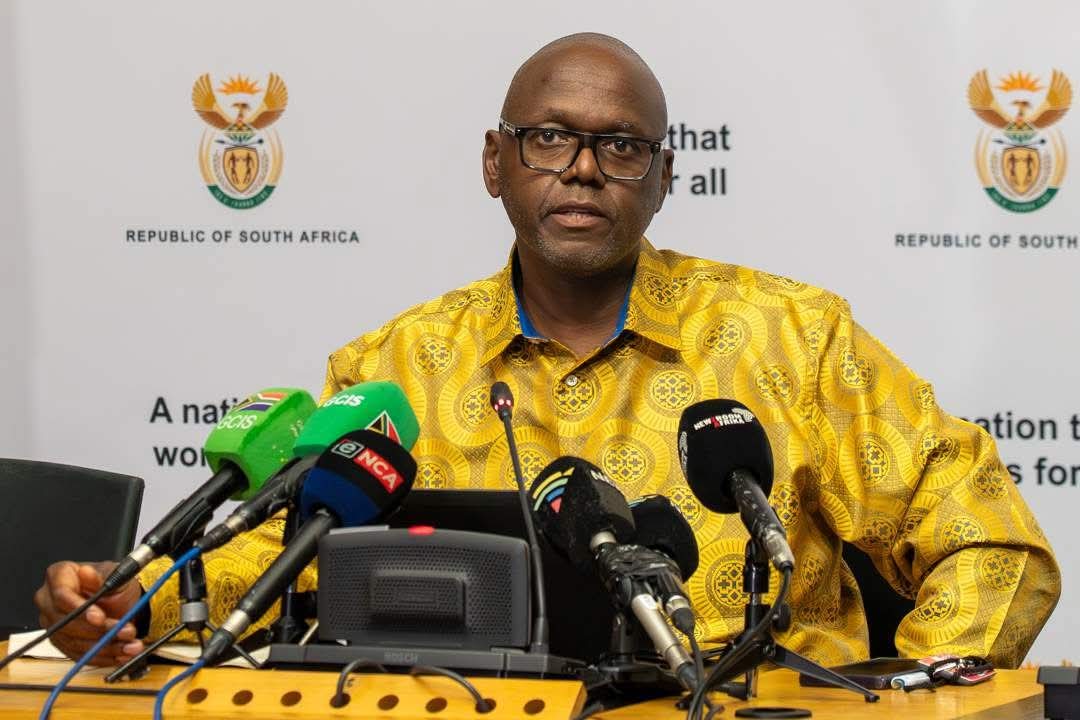
South Africa’s Presidential spokesperson, Vincent Magwenya, has ignited a continent-wide debate after strongly defending South Africa against accusations of xenophobia and urging other African governments to confront the internal crises driving migration to South Africa.
Speaking during heightened tensions over immigration, unemployment, and anti-foreigner protests, Magwenya argued that South Africa should not be unfairly labelled a xenophobic nation simply because frustrations over migration are growing.
Instead, he said African leaders must ask difficult questions about why millions of their citizens continue to leave their home countries in search of safety, jobs, and economic opportunities in South Africa.
His remarks come at a sensitive time for South Africa, where immigration has become one of the country’s most politically divisive issues.
Over the past decade, South Africa has experienced repeated outbreaks of violence and protests targeting foreign nationals, particularly migrants from countries such as Zimbabwe, Nigeria, Mozambique, Ethiopia, Somalia, and the Democratic Republic of Congo.
Foreign-owned shops and informal businesses have frequently been attacked during periods of social unrest, with critics accusing the South African government of failing to adequately protect migrants.
Several African governments and regional organizations have previously condemned these attacks, expressing concern about the safety of their citizens living and working in South Africa.
Human rights groups have also warned that anti-immigrant rhetoric from political groups and activists has contributed to rising tensions in poor communities already struggling with unemployment, crime, housing shortages, and weak service delivery.
However, Magwenya insisted that the broader context cannot be ignored. He argued that South Africa remains one of Africa’s largest and most industrialized economies, naturally attracting migrants from across the continent despite its own economic difficulties.
According to his comments, many migrants are fleeing collapsing economies, political instability, corruption, armed conflict, and poor governance in their home countries.
Related Posts
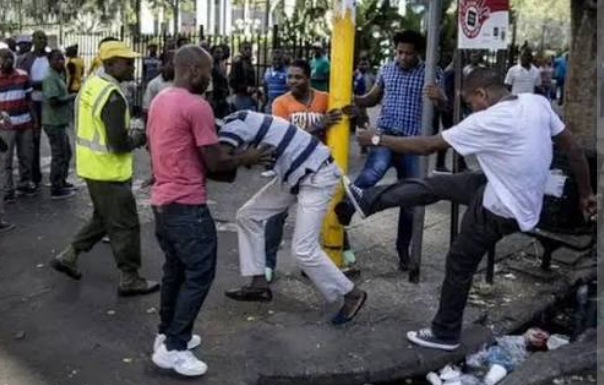
BREAKING: Diplomatic firestorm erupts as Nigeria demands justice over brutal xenophobic killings in South Africa
Nigeria has triggered a high-stakes diplomatic showdown after demanding an urgent and unco...
Morocco Is Breaking Africa Tourism Records—But Few Know Why
Morocco has recorded a strong start to the year in its tourism sector, reinforcing its pos...
“AFRICA CAN’T COMPETE WITH BROKEN AIRPORTS” — OKONJO-IWEALA WARNS NIGERIA IN GLOBAL CALL FOR URGENT INFRASTRUCTURE UPGRADE
In a powerful message that has sent ripples across Africa’s aviation and trade circles, Wo...
The spokesperson’s comments resonated with many South Africans online, particularly those who believe the country is carrying an unfair regional burden.
Supporters argued that years of economic decline and governance failures in parts of Africa have pushed citizens to migrate southward, placing additional pressure on South Africa’s healthcare system, schools, housing sector, and labour market.
With youth unemployment in South Africa remaining among the highest in the world, frustration over competition for jobs and public services has intensified.
Critics, however, accused the government of deflecting responsibility.
Some argued that while conditions in other African countries may contribute to migration, South Africa still has a duty to maintain effective border management, prevent criminal activity, and protect all people living within its borders regardless of nationality.
Others warned that statements focusing too heavily on foreign nationals risk inflaming tensions further at a time when anti-immigrant sentiment is already rising.
The controversy also reflects a deeper continental challenge. Across Africa, migration patterns are increasingly linked to economic inequality between nations, political instability, climate pressures, and the search for better opportunities.
South Africa, despite its own struggles with power shortages, slow economic growth, and inequality, continues to attract migrants because of its comparatively stronger infrastructure and economy.
As debate continues, Magwenya’s comments have once again placed the spotlight on the difficult balance between national interests, regional solidarity, economic pressures, and human rights.
The issue remains highly emotional and politically sensitive, with growing calls for African leaders to develop long-term regional solutions that address both migration management and the root causes forcing citizens to leave their home countries in the first place.
Related Posts
No related posts found.
Trending
May 04, 2026
Top South South Politician Forced to Drop Senate Bid After Presidential Directive
Uchechi Okporie

May 02, 2026
Nigeria summons South African envoy over fresh tensions as alleged attacks on citizens spark continental concern
Uchechi Okporie
May 05, 2026
Senator Natasha Begins Strategic Build-Up for 2027, Makes Touching Statement About Her Husband
Uchechi Okporie
May 04, 2026
When Politics Becomes Family Business: The Okowa Question
 Admin User
May 05, 2026
Breaking: Political earthquake in Nigeria as Obi triggers mass defection wave within hours
Uchechi Okporie
May 05, 2026
BREAKING: Zenith Bank Makes Big Announcement, Read What Happened to Jim Ovia
Chineye Egesi
May 06, 2026
Senate Shutdown, Sitting Disrupted as Akpabio, Oshiomhole Engage in Heated Confrontation
Uchechi Okporie
May 03, 2026
Global shock move ahead of Nigeria 2027 race as Peter Obi and Rabiu Kwankwaso prepare to unveil new political platform
Uchechi Okporie
May 04, 2026
Three Reportedly Arrested Over False Divorce Rumour About Tony Elumelu
Chineye Egesi
May 04, 2026
Blood in Effurun: Nigeria orders sweeping manhunt as police chief vows no killer will escape
Uchechi Okporie

May 08, 2026
President Sacks Army Chief, Finance Minister
Uchechi Okporie
Latest Stories
May 09, 2026
Six Nigerian Governors Declare Interest to Run for Senate
Uchechi Okporie
May 09, 2026
Go Back Home: The Violent Reality Nigerians, Ghanaians, Others Face as South African Streets Burn
Uchechi Okporie
May 09, 2026
Why Are Their Citizens Leaving for South Africa in Droves - Ramaphosa's Spokesman Poses Questions for African Leaders
Uchechi Okporie

May 09, 2026
“They Will Not Distort Our Struggle”: Burkina Faso Suspends French TV5 Monde for Glorifying Terrorism
Chineye Egesi
May 09, 2026
From $30.4 Billion to $34 Billion in Weeks: Aliko Dangote’s Wealth Surge Stuns Global Markets as He Unveils East African Refinery Mega-Deal
Chineye Egesi
May 08, 2026
Police arrest another key suspect in abduction of Bayelsà Judge five months after
Admin User
May 08, 2026
Nigeria's IGP sets up Violent Crime Response Units, orders CPs to restructure tactical units in states
Admin User
May 08, 2026
APC power struggle deepens as governors split over move to oust Uzodimma from PGF leadership
Uchechi Okporie
May 08, 2026
South African Court Clears Way for Impeachment Proceedings Against President Ramaphosa
Uchechi Okporie
May 08, 2026
Ned Nwoko: Wealth, Influence, and a Rare Reputation Untainted by Corruption
Uchechi Okporie

May 08, 2026
ADC legal storm deepens as Nafiu bala Gombe pushes for transfer of case involving David Mark and Rauf Aregbesola amid rising political tensions in Nigeria
Uchechi Okporie