When Politics Becomes Family Business: The Okowa Question
 Admin User
May 04, 2026
3 min read
Admin User
May 04, 2026
3 min read
By Chidi Chukwutem
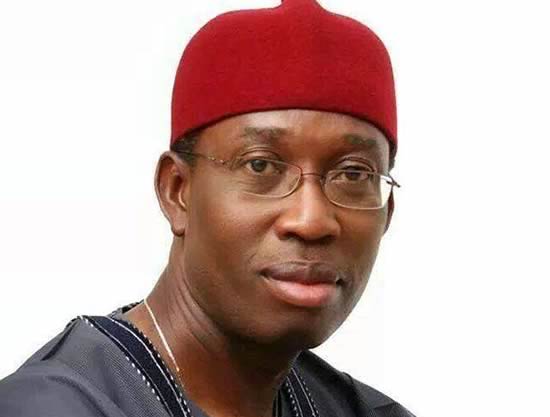
A credible electoral process depends not only on legal eligibility but on public confidence, ethical optics, and the integrity of institutions. In that light, there are strong arguments for why Ifeanyi Okowa should not be cleared to participate in the Delta North APC senatorial primary at this time.
- The optics and substance of dynastic overlap
The simultaneous candidacies of Ifeanyi Okowa and his daughter, Marylin Daramola Okowa, raise legitimate concerns about political concentration within a single family. While not necessarily illegal, the principle at stake is broader than legality, it is about equitable access to political opportunity and the avoidance of perceived entrenchment of power.
In emerging democracies especially, political legitimacy is fragile. When two closely related individuals seek elective offices concurrently, it risks undermining internal party democracy and can discourage wider participation. Party primaries are meant to be competitive arenas, not extensions of familial political networks. Allowing both candidacies, his daughter running for State assembly and him running for Senate, is a signal of dynastic consolidation rather than merit-based selection.
One of them must step down. In this regard, Okowa needs to step down and allow his daughter to run for the state House of Assembly. Okowa has served his term. He has served in almost all important offices in Nigeria, what else does he want in the National assembly?
- The burden of unresolved corruption allegations
Equally significant is the reported pending case involving the Economic and Financial Crimes Commission (EFCC)concerning alleged misappropriation of public funds. Allegations of this magnitude, reportedly in the region of ₦1.3 trillion, are not trivial administrative disputes; they strike at the core of public trust. The EFCC is expected to block him from contesting the election until the issues against him are cleared.
Though allegation is not a conviction, the existence of an active investigation or pending legal process introduces a serious reputational and ethical cloud. His image has not bee cleansed to make him fit to run for any political office in the country. Political parties, if they are to be seen as gatekeepers of public accountability, have a responsibility to apply higher standards than mere legal minimums. The allegation against him is a testament to the fact that Okowa has trust issues with public funds, and he must needs purge himself before running for any office.
Related Posts
Beyond the Music: The Hard Truth in African China and Eedris’ Lyrics, Food No Dey! Water No Dey!!
Sometimes, when I look at Nigeria today, I remember old songs from African China and Eedri...

You Won't Understand, The Real Reason Nigeria Is Struggling May Surprise You
A Nigerian citizen, Michael Chinonso Otuma, has said that the country’s development should...
Aniocha/Oshimili Reps: Emergence of Isioma Ndah as NDC Candidate Unsettles Elumelu's Campaign Council
Emerging reports are indicative that the emergence of Theodora Isoma Ndah as NDC House of...
Democracy and the Unanswered Questions of Nigeria's Future
On Friday, June 12, Nigeria marked Democracy Day, a day that is supposed to remind us of o...
Clearing a candidate under such scrutiny risks normalizing a “contest now, answer later” culture, which weakens anti-corruption norms. It also exposes the party to reputational damage, especially in a political environment where corruption remains a central voter concern.
- Institutional credibility and party discipline
Political parties are not just vehicles for contesting elections; they are institutions that signal values. By restricting candidacy in cases where ethical questions are substantial, whether due to familial concentration of power or unresolved legal issues, a party demonstrates seriousness about governance and accountability.
Conversely, overlooking these concerns can erode internal discipline and send mixed signals to both party members and the electorate. It suggests that influence may outweigh prudence, character and ethical considerations.
- Strategic political risk
From a purely strategic standpoint, fielding a candidate facing unresolved financial allegations sends a signal that political parties do not care about the character of people they present to run for political offices. Opponents will inevitably weaponize such issues during campaigns, potentially shifting focus from policy debates to personal controversies. This can weaken not only the party’s electoral prospects in Delta North.
The question is not simply whether Ifeanyi Okowa can contest, but whether he should, given the current context. The overlap with his daughter’s candidacy contesting for the state House of assembly raises concerns about fairness and political balance, while the pending EFCC matter introduces significant ethical and reputational risks. If APC must maintain its strength in the region, Okowa should not be allowed to contest the election.
A prudent course for the party would be to prioritize institutional integrity and public confidence by withholding clearance until these issues are decisively resolved. In politics, timing and perception matter as much as legality, and in this case, both argue for restraint.
Related Posts
Admin User
Jun 12, 2026
OPINION: Why I Find It Difficult to Celebrate Democracy Day in Nigeria
As Nigerians marked Democracy Day, I found myself reflecting on the state of our nation and asking a simple question: what exactly are many citizens celebrating?

Uchechi Okporie
Jun 12, 2026
Why Investors Are Turning Away from Africa’s Biggest Economies
One of the major reasons behind the weak economy in Nigeria and many other African countries is the lack of strong industries and limited investment opportunities. In many developed countries, industries play a very important role in creating jobs, producing goods, and strengthening the economy. However, in most parts of Africa, there are still not enough functioning industries to support large-scale economic growth.
Admin User
Jun 11, 2026
First Batch of Nigerians From South Africa to Arrive Ikeja Airport Thursday Morning - Foreign Affairs Minister Says
The first batch of repatriation of Nigerians from South Africa will touch the Nigerian International Airport, Ikeja on Thursday morning, being June 11, 2026, Next Africa Daily can report
Uchechi Okporie
Jun 10, 2026
Where Is Nigeria Heading? Ebonyi Resident Cries Out Over Rising Hardship
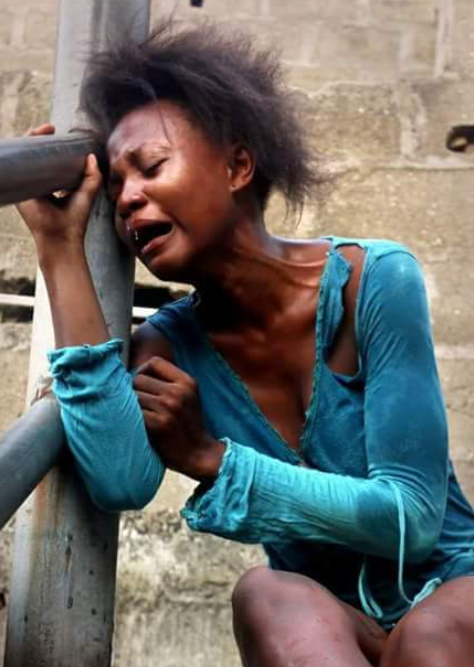
The economic situation in Nigeria has continued to generate concern among citizens, with many questioning the direction in which the country is heading. One of such voices is that of Divine Emmanuel, a resident of Ishieke in Ebonyi State, who spoke passionately about the hardships facing ordinary Nigerians.
Admin User
Jun 09, 2026
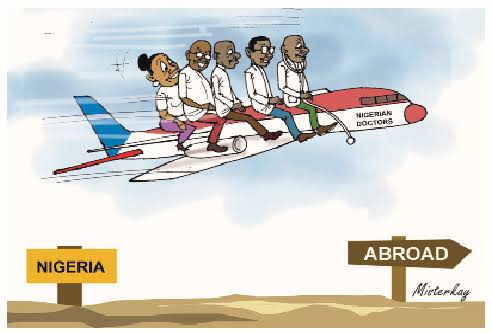
JAPA DREAMS: Why Many Nigerian Students See Their Future Beyond Nigeria
Students meet in the classrooms, hostels, cafeteria and leisure areas of Delta State University, Abraka, every week to chat about lectures, assignments, relationships and the future. Yet one issue keeps coming up if it is not in the conversation in every lecture, in every faculty, in every department, it is in the conversation on leaving Nigeria
Uchechi Okporie
Jun 09, 2026
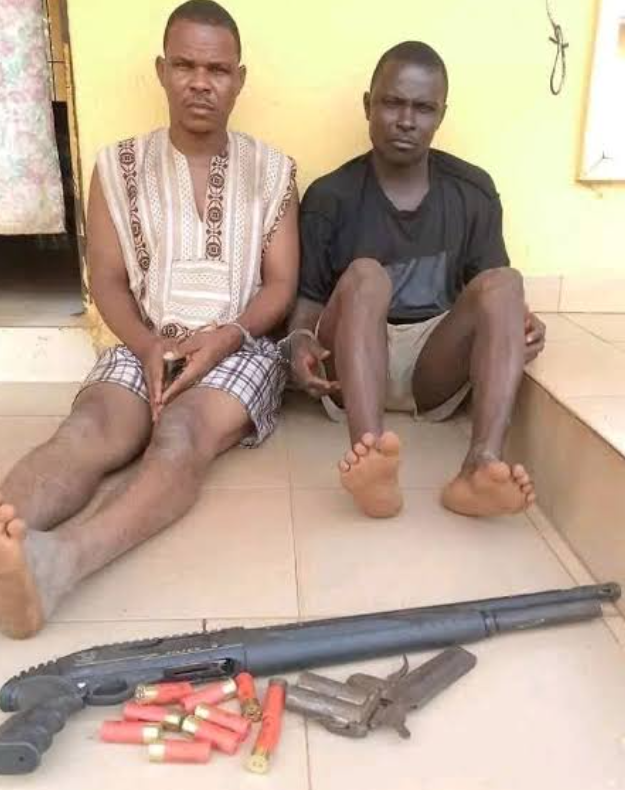
Why The Fight Against Kidnapping Must Remain Nigeria's Topmost Priority
Nigeria is currently in the throes of kidnapping. In the villages, cities and suburbs, there's fear of kidnapping everywhere. There are many kidnap cases which are not known to the media. Friends and relations of kidnapped victims are daily weeping over their relations languishing in the dens of kidnappers. Many are being made to borrow huge money to pay for random which will take them years to pay back. How did we get here? What actually went wrong with Nigeria? Who did Nigeria offend? UCHE OKPORIE writes on the pains and challenges of kidnapping in Nigeria and what the government needs to do very urgently
Uchechi Okporie
Jun 08, 2026
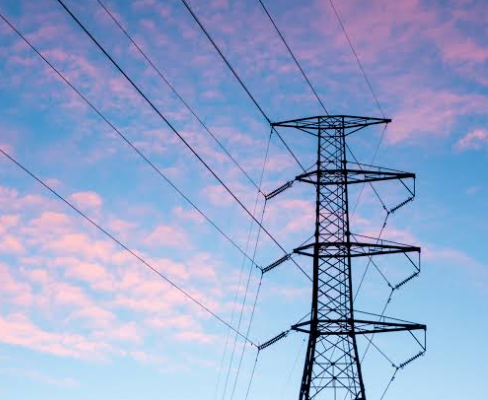
Students in Ebonyi State Call for Better Electricity, Say Businesses Are Failing Over Poor Power Supply
Residents of Ishieke community in Ebonyi State, Nigeria have appealed to the government and electricity authorities to improve power supply in the area, saying the current situation is making life difficult for students, business owners, and families.
Admin User
Jun 08, 2026
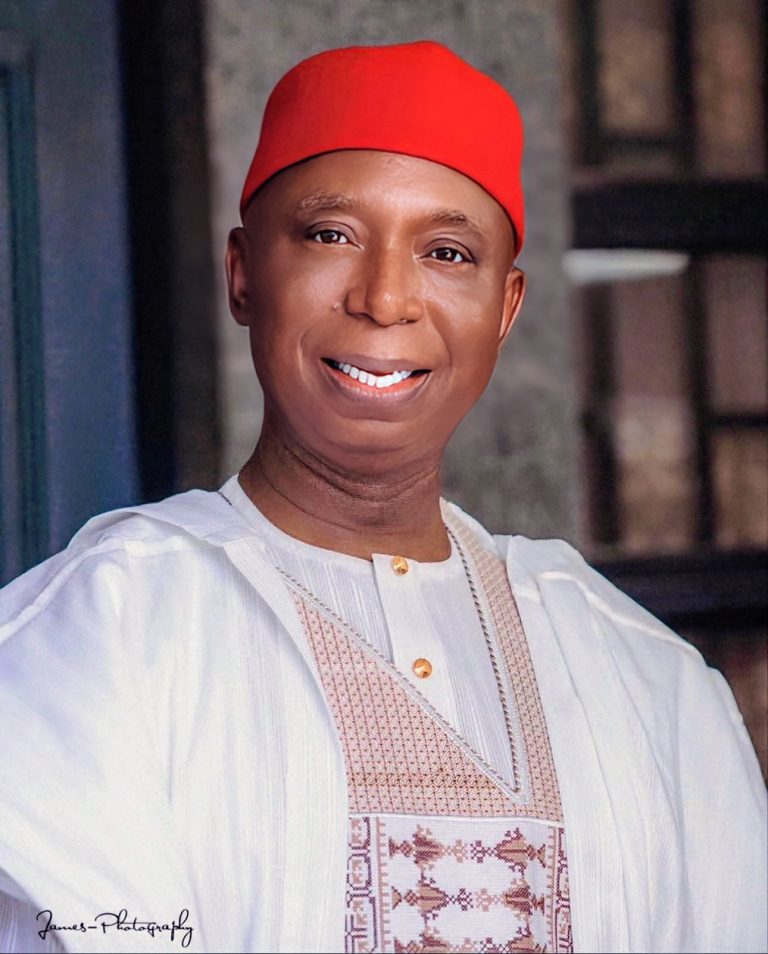
Video Evidence Sparks Fresh Controversy Over Delta North APC Primaries (Watch The Video)
Allegations of irregularities have continued to trail the Delta North All Progressives Congress (APC) senatorial primaries held across the 98 wards in the district, following the emergence of conflicting claims over the election results. The two key figures in the primaries are incumbent Senator Ned Nwoko and former governor, Senator Ifeanyi Okowa.
Trending
Jun 12, 2026
OPINION: Why I Find It Difficult to Celebrate Democracy Day in Nigeria
Admin User
Jun 17, 2026
One Big Challenge African Governments Have Continued to Overlook for Years
Uchechi Okporie
Jun 12, 2026
Why Investors Are Turning Away from Africa’s Biggest Economies
Uchechi Okporie
Jun 15, 2026
Aniocha/Oshimili Reps: Emergence of Isioma Ndah as NDC Candidate Unsettles Elumelu's Campaign Council
Uchechi Okporie
Jun 15, 2026
Democracy and the Unanswered Questions of Nigeria's Future
Uchechi Okporie
Jun 17, 2026
You Won't Understand, The Real Reason Nigeria Is Struggling May Surprise You
Uchechi Okporie
Jun 12, 2026
EBSU Student Pushes for Electoral Overhaul, Greater Accountability As Nigerians Approach 2027 Elections
Uchechi Okporie
Jun 18, 2026
Beyond the Music: The Hard Truth in African China and Eedris’ Lyrics, Food No Dey! Water No Dey!!
Uchechi Okporie
Latest Stories
Jun 18, 2026
Beyond the Music: The Hard Truth in African China and Eedris’ Lyrics, Food No Dey! Water No Dey!!
Uchechi Okporie
Jun 17, 2026
One Big Challenge African Governments Have Continued to Overlook for Years
Uchechi Okporie
Jun 17, 2026
You Won't Understand, The Real Reason Nigeria Is Struggling May Surprise You
Uchechi Okporie
Jun 15, 2026
Aniocha/Oshimili Reps: Emergence of Isioma Ndah as NDC Candidate Unsettles Elumelu's Campaign Council
Uchechi Okporie
Jun 15, 2026
Democracy and the Unanswered Questions of Nigeria's Future
Uchechi Okporie
Jun 12, 2026
OPINION: Why I Find It Difficult to Celebrate Democracy Day in Nigeria
Admin User
Jun 12, 2026
EBSU Student Pushes for Electoral Overhaul, Greater Accountability As Nigerians Approach 2027 Elections
Uchechi Okporie
Jun 12, 2026
Why Investors Are Turning Away from Africa’s Biggest Economies
Uchechi Okporie
Jun 11, 2026
First Batch of Nigerians From South Africa to Arrive Ikeja Airport Thursday Morning - Foreign Affairs Minister Says
Admin User
Jun 10, 2026
Another Evidence That Nigerian Government Does Not Care About Ordinary People
Uchechi Okporie
Jun 10, 2026
Where Is Nigeria Heading? Ebonyi Resident Cries Out Over Rising Hardship
Uchechi Okporie