Why Many African Currencies Remain Weak Against the United States Dollar
 Uchechi Okporie
Jun 03, 2026
3 min read
Uchechi Okporie
Jun 03, 2026
3 min read
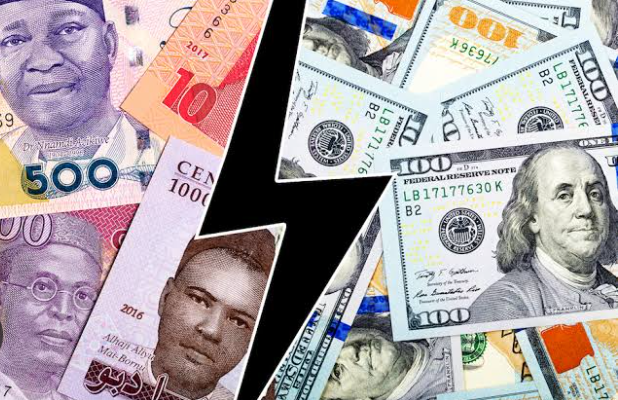
Africa is one of the most naturally blessed regions in the world. From crude oil and natural gas to gold, diamonds, cobalt, and fertile agricultural land, the continent possesses resources that many nations can only dream of having. Yet, despite this abundance, many African currencies continue to struggle against the United States dollar and other major global currencies.
In my opinion, the weakness of many African currencies is not primarily caused by a lack of resources. Rather, it is the result of poor coordination, weak leadership, and excessive dependence on foreign goods and services.
One of the major challenges facing many African countries is overreliance on foreign economies. Although Africa exports large quantities of raw materials, many of these resources are shipped abroad for processing and manufacturing before being imported back as finished products.
This cycle often benefits foreign industries more than local economies and increases demand for foreign currencies such as the dollar. Another factor is the lack of effective coordination in managing natural wealth. Possessing resources alone does not guarantee economic strength.
Without proper planning, investment, and industrial development, natural resources may generate revenue without creating lasting prosperity for ordinary citizens. Resources must be linked to production, innovation, and job creation if they are to strengthen national currencies.
Leadership also plays a critical role. Strong institutions, transparency, and accountability are essential for economic growth. Where governance is weak, public resources may not be managed efficiently, and opportunities for development can be lost. As a result, countries may remain dependent on imports and foreign loans, placing additional pressure on their currencies.
Related Posts

Talent Alone Won't Win Africa World Cup, Football Fans Share Experience
Many people across the world believe that Africa has some of the best football players in...
Celebrating The United States@250 and Nigeria's Adaptability to Sustainable Democracy and Economic Growth, By Michael Nwoko
Celebrating The United States@250 and Nigeria's Adaptability to Sustainable Democracy and...
One Big Challenge African Governments Have Continued to Overlook for Years
Water is one of those things many of us rarely think about until it is no longer available...
EBSU Student Pushes for Electoral Overhaul, Greater Accountability As Nigerians Approach 2027 Elections
Daberechi Okoh, a student of Ebonyi State University, has called for far-reaching reforms...
Furthermore, many Africans continue to prefer imported products over locally produced alternatives. While international trade is important, excessive dependence on foreign goods can weaken domestic industries and increase demand for foreign exchange. Supporting quality local products can help strengthen local businesses, create jobs, and reduce pressure on national currencies.
In contrast, many developed economies have built strong industries, invested heavily in manufacturing, and created systems that support local production.
Their economic strength often comes not only from natural resources but also from organization, industrial capacity, and effective governance.
Africa's future does not depend solely on discovering more resources. The continent already possesses enormous wealth.
What is needed is better coordination, stronger institutions, investment in local industries, and policies that encourage self-reliance while remaining competitive in the global market. The weakness of many African currencies against the dollar should therefore be viewed not simply as a resource problem, but as a development challenge.
With effective leadership, responsible management of resources, and greater support for local production, African economies can build stronger foundations for long-term growth and currency stability.
Related Posts
Uchechi Okporie
Jun 12, 2026
Why Investors Are Turning Away from Africa’s Biggest Economies
One of the major reasons behind the weak economy in Nigeria and many other African countries is the lack of strong industries and limited investment opportunities. In many developed countries, industries play a very important role in creating jobs, producing goods, and strengthening the economy. However, in most parts of Africa, there are still not enough functioning industries to support large-scale economic growth.

Omovu Osteen
Jun 11, 2026
First Batch of Nigerians From South Africa to Arrive Ikeja Airport Thursday Morning - Foreign Affairs Minister Says
The first batch of repatriation of Nigerians from South Africa will touch the Nigerian International Airport, Ikeja on Thursday morning, being June 11, 2026, Next Africa Daily can report
Chineye Egesi
Jun 09, 2026
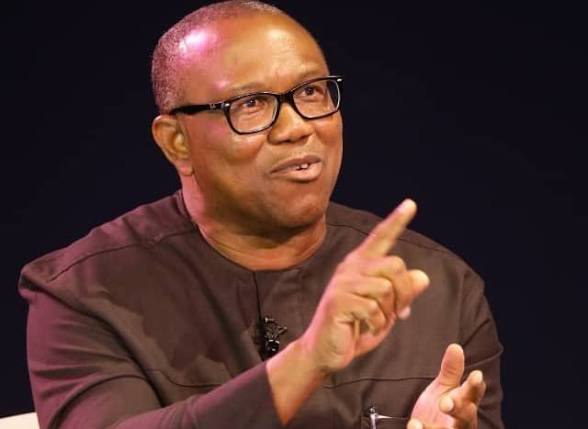
Europe Needs Africa More Than Africa Needs Europe, Peter Obi Sparks Outrage with Explosive London Speech
Presidential candidate of the Nigeria Democratic Congress (NDC), Mr. Peter Obi, has said that the success of the African continent is the success of Europe and the failure of the continent is the failure of Europe. He said the consequences of any of this will affect Europe more than even Africa itself.

Uchechi Okporie
Jun 05, 2026
SPECIAL REPORT: How Social Media Is Transforming Business Landscape, Connecting Customers with Buyers Across Africa
When I look at the way business is carried out in Africa, I clearly see that social media has completely changed the game. In fact, I can say that social media is one of the greatest business tools that Africa has seen in recent times. Whether we like it or not, social media has changed the way people buy, sell, advertise, communicate with customers, and even grow their businesses. Years ago, if somebody wanted to start a business, the person would need a physical shop in a busy area before people could notice the business.
Latest Stories
Sep 08, 2026
Okowa's Story is Yesterday, Ochei's Story is About Anioma's Future - Detailed Reaction to Chiazor's Article
Uchechi Okporie

Aug 05, 2026
INTERVIEW: In 2027 Election, APC Members Will Support Omo-Agege Against Dafinone in Delta Central- Efemena Umukoro
Chineye Egesi

Aug 01, 2026
INTERVIEW: It's an Insult to Compare Achievements of Omo-Agege with Ede Dafinone in Delta Central- Efemena Umukoro
Chineye Egesi
Jul 27, 2026
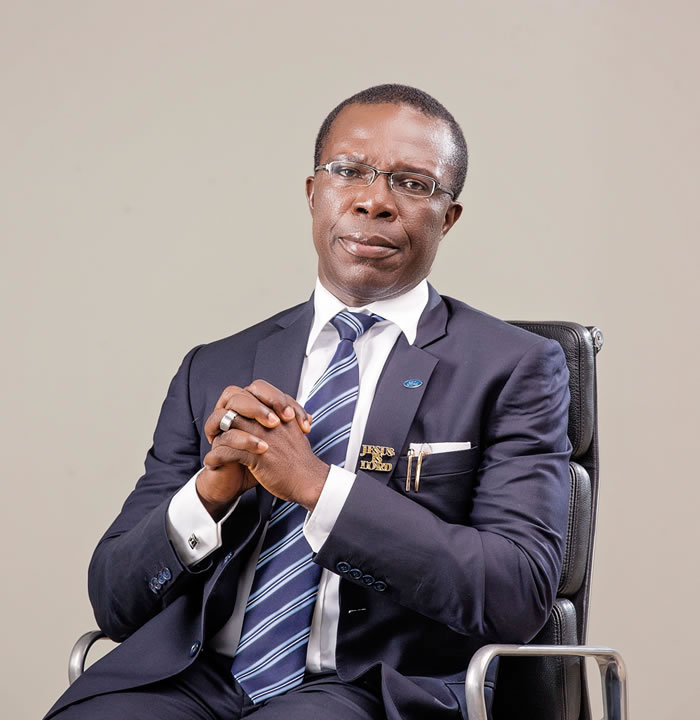
Anybody that has money but doesn't have These 5 Qualities is a Thief - Dr. Maduka, Coscharis Motors CEO
Omovu Osteen

Jul 21, 2026
Beyond Doctors: Why Engineers, Lecturers, Tech Experts are Relocating to UK, US, Canada (Check the Most Hit Profession)
Omovu Osteen
Jul 19, 2026
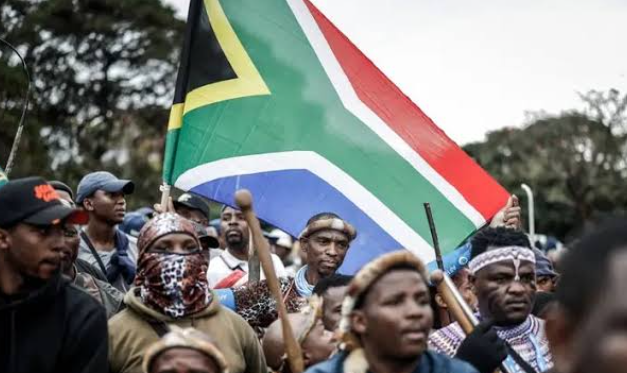
Africa Union Comes Under Attack as Xenophobic Violence Crushes Migrants in South Africa
Uchechi Okporie
Jul 18, 2026
Talent Alone Won't Win Africa World Cup, Football Fans Share Experience
Uchechi Okporie

Jul 17, 2026
2027: With Omo-Agege, Ochei in NDC, Aggrieved Nwoko, Oborevwori's Political Battles Just Begun
Omovu Osteen
Jul 12, 2026
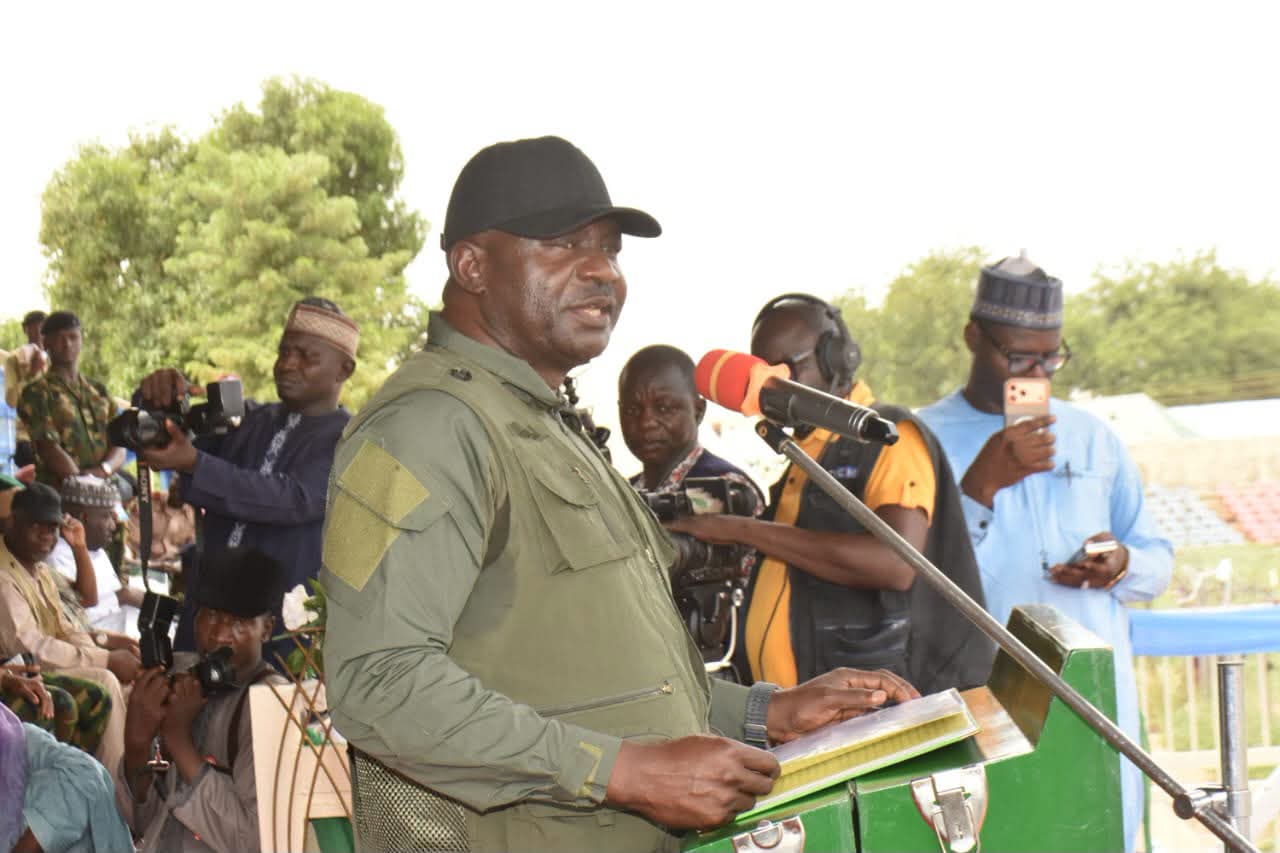
One Hundred Thousand Naira Salary for Nigerian Soldiers, Why?
Omovu Osteen
Jul 05, 2026
Celebrating The United States@250 and Nigeria's Adaptability to Sustainable Democracy and Economic Growth, By Michael Nwoko
Omovu Osteen
Jul 04, 2026
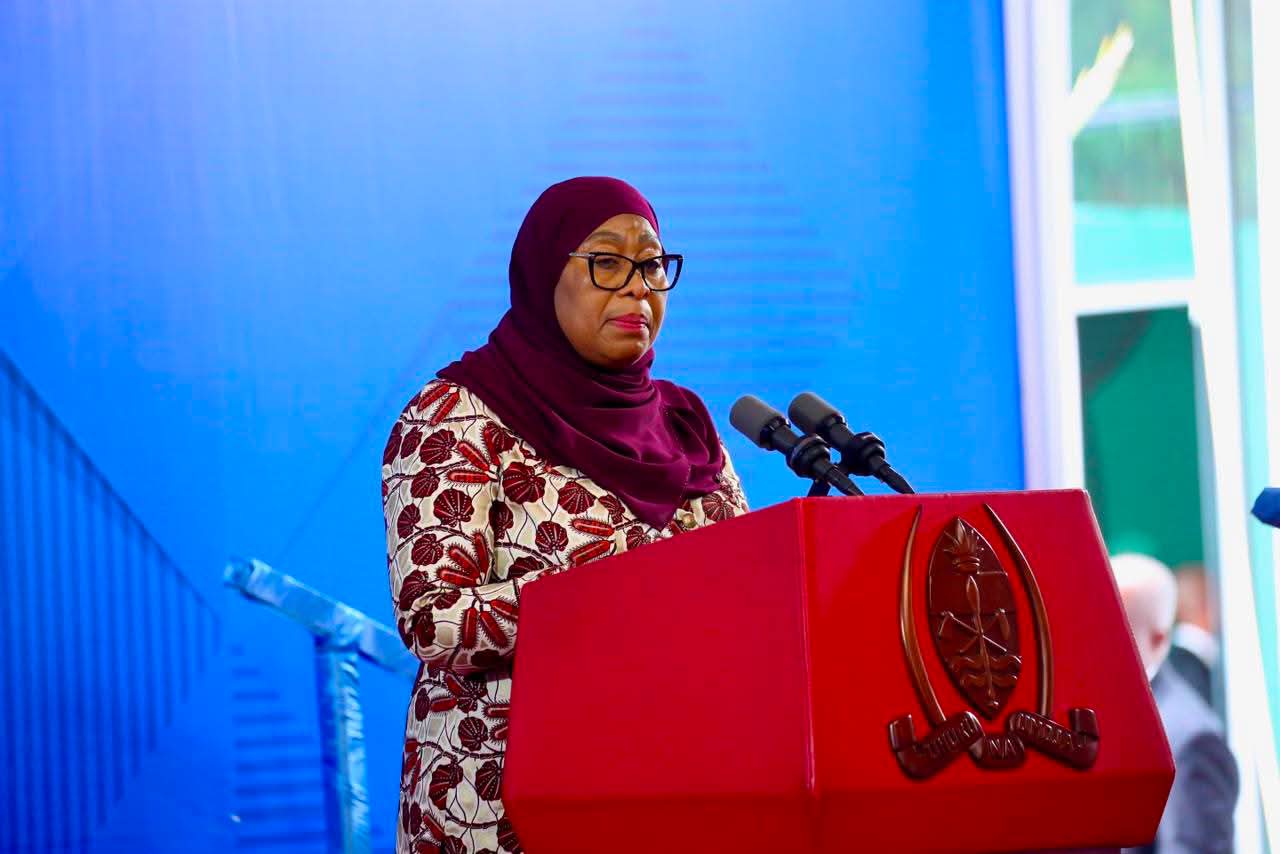
Two Women, Fifty-Four Nations: The Untold Story of Two Female Presidents in Africa
Omovu Osteen