Celebrating The United States@250 and Nigeria's Adaptability to Sustainable Democracy and Economic Growth, By Michael Nwoko
 Omovu Osteen
Jul 05, 2026
3 min read
The United States officially commemorated its 250th birthday, marking the semiquincentennial of the Declaration of Independence adopted on July 4, 1776. The milestone is being celebrated nationwide with massive fireworks displays, military flyovers, and parades—from events in the capital to the nation's oldest continuous Independence Day celebration in Bristol, Rhode Island.
America’s 250th birthday reveals that democracy is fragile and requires active upkeep. The milestone highlights a deep tension between prioritizing patriotic unity and confronting the country's painful history of slavery and inequality.
America’s 250th anniversary provides vital lessons for Nigeria on institutional resilience, diaspora integration, and economic progress. As the U.S. celebrates this milestone with increased trade ties with Nigeria, Nigeria can draw on several actionable strategies to navigate its own nation-building journey;
-
Build Strong, Lasting Institutions Over Personalities: The U.S. survived a quarter of a millennium because its foundational democratic principles and constitution outlasted the flaws of individual leaders. Nigeria’s enduring democratic project requires the same. Nigeria can stabilize its democracy by prioritizing the absolute rule of law, safeguarding independent electoral and judicial bodies, and curbing authoritarian impulses.
-
Leverage Diversity as an Engine for Growth: Both nations are vast, multi-ethnic, and multi-religious democracies. While deep divisions and conflicts mark both histories, the American success story is tied to forging a national identity that still allows states and communities to govern themselves autonomously. Nigeria can utilize true federalism—devolving power from the center in Abuja to the states—to better manage its rich diversity, reduce ethnic tension, and foster local innovation.
-
Harness the Diaspora for National Development: As seen during the U.S. "Freedom 250" engagements in Lagos and Abuja, the United States and Nigeria share a deep and continuously growing people-to-people connection. Nigerian-Americans are among the most educated and successful demographics in the United States. Nigeria must actively woo its global diaspora through better infrastructure, secure investment environments, and dual-citizenship voting rights. This capitalizes on the financial remittances, skills transfer, and institutional knowledge that have propelled U.S. economic transformation.
-
Pivot from Aid to Trade and Innovation: In modern bilateral relations, the U.S. emphasizes that its partnership with Nigeria is driven by trade, private-sector collaboration, and technology. Nigeria must actively shift its economic focus away from mere resource extraction (such as oil dependency) toward the knowledge and digital economies. Fostering a robust tech ecosystem (like the "Silicon Lagoon" in Lagos) and supporting creative industries can provide the economic foundation needed to sustain the country’s future.
The primary gains of Nigeria's democracy under President Bola Ahmed Tinubu include significant steps toward true federalism, grassroots financial autonomy for local councils, the advancement of a national identity database, and targeted security upgrades similar to what is obtainable in the United States.The administration’s key democratic and governance achievements include:
Related Posts
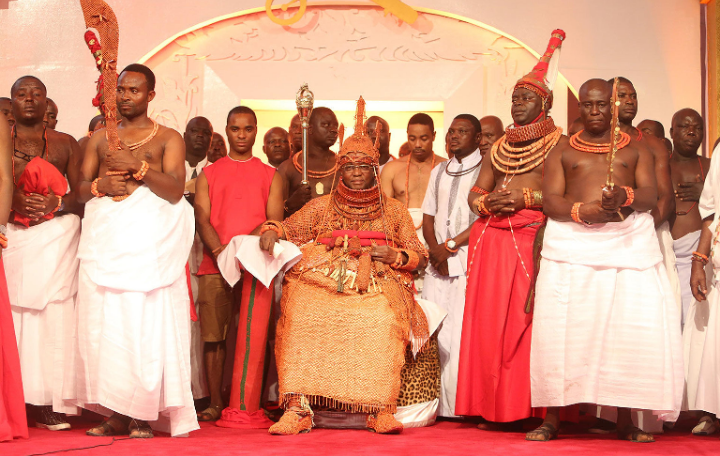
Africa’s Culture Is a Treasure the World Must See
Africa is one of the richest continents in culture, tradition, language and history. From...
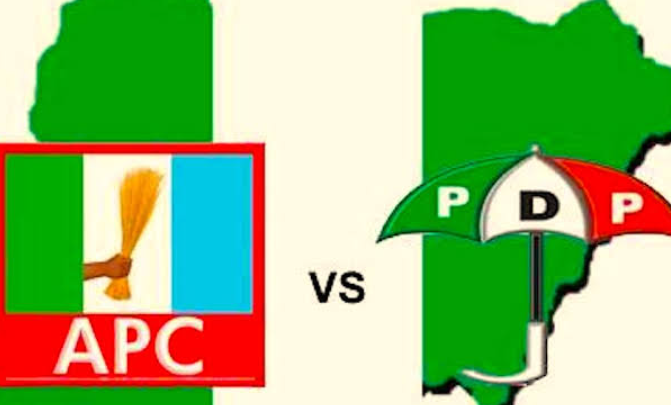
Nigeria’s Political Game: What Next for the PDP?
The APC is gaining political strength, but what does the future hold for the PDP? The part...

Trump Open to Meeting Putin and Xi in Chin
US President Donald Trump has said he is ready to meet Russian President Vladimir Putin an...

Yayi 2027: Beyond State of Origin - the Values, Vision and Accountability that Should Shape Ogun's Political Debate
For Ogun State, the enduring question should be this: what can each candidate demonstrate,...
Devolution of Powers: Taking major steps toward true federalism, such as moving electricity generation to the concurrent list to empower state governments.
Local Government Autonomy: Pushing aggressively through the Supreme Court to grant financial autonomy to all 774 local councils, aiming to strengthen grassroots governance and development.
Security Enhancements: Investing heavily in national security and law enforcement, which the administration credits with neutralizing thousands of insurgents and bandits and improving identity verification across borders.
National Digital Identity System: Centralizing identity data management across the Nigerian Immigration Service and the National Identity Management Commission (NIMC) to enhance border control and reduce fraud.
Institutional Recognition: Honoring pro-democracy figures and civil society leaders who championed Nigeria's democratic journey, specifically elevating June 12 as a permanent symbol of democratic sacrifice.
In view of the foregoing, While citizens have weathered significant short-term hardships, the administration emphasizes that these tough choices are laying the foundational bedrock for a prosperous, diversified, and secure future for generations to come.
Dr. Michael Nwoko,FRSPH City Boy Movement Coordinator, Contact and Mobilization, South-South Zone and Convener, Youth Structure for Asiwaju (YS4A)
Related Posts


Uchechi Okporie
Oct 17, 2026
Ajibade Injured in Falcons’ Victory
According to sports information gathered by Next Africa Daily, Super Falcons captain Rasheedat Ajibade sustained an injury during the second leg of Nigeria’s 2028 Olympic Games qualifying match against Comoros at Remo Stars Stadium in Ikenne, Ogun State.
Uchechi Okporie
Oct 10, 2026
2027 Election: Think Before You Vote
The 2027 elections are approaching, and as usual, promises will soon fill the air. But beyond the promises, how many Nigerians will take the time to think carefully about the people they want to lead them?
Uchechi Okporie
Oct 08, 2026
Stop Waiting for the Perfect Job: Sometimes, You Have to Start From Zero
Some people will tell you there are no jobs in Africa, especially in Nigeria. And yes, finding decent employment can be difficult. But there is another side of the conversation we must be willing to address: some people are not willing to start small.
Uchechi Okporie
Oct 08, 2026
Trump’s $70,000 Student Fee Plan
According to the Department of Homeland Security, the United States has proposed a $70,000 fee for international students seeking to take part in the Optional Practical Training (OPT) programme.
Uchechi Okporie
Oct 06, 2026
Nigeria’s Youths Have Heard Enough ,Let Them Work
Across Nigeria and Africa, young people are constantly receiving advice. They attend workshops, seminars, empowerment programmes and training sessions where they are taught how to succeed, develop skills, build businesses and become responsible members of society.
Uchechi Okporie
Oct 05, 2026
Celebrate Teachers. Then Pay Them.
Today, we celebrate teachers. But beyond the speeches, messages and “Happy Teachers’ Day” wishes, we need to ask a serious question: Are we really treating our teachers the way they deserve?

Uchechi Okporie
Oct 05, 2026
Africa Has Challenges. Your Health Should Not Be One of Them
Africa is facing real challenges. The cost of living is high, food is becoming more expensive, and many families are simply trying to get by. But even in difficult times, one thing we must not lose sight of is our health.
Uchechi Okporie
Sep 29, 2026
Africa Must Change Its Mindset To Unlock Its Future
Africa must change its mindset and invest more in its younger generation if the continent wants to achieve meaningful economic development, Michael Abby from Port Harcourt has said. In an interview with Next Africa Daily, Abby said governments should provide empowerment schemes and skills initiatives for young people, arguing that investing in the younger generation can help shape the economy and prepare future leaders.
Trending

Oct 20, 2026
2027: Bala Mohammed Predicts Presidential Winner
Uchechi Okporie
Oct 18, 2026
Yayi 2027: Beyond State of Origin - the Values, Vision and Accountability that Should Shape Ogun's Political Debate
Okuwobi Taiwo
Oct 21, 2026
PDP Warns Wike as Party Plans Disciplinary Action
Uchechi Okporie

Oct 18, 2026
Ghana Claims the Crown, But Can Nigeria Be Beaten?
Uchechi Okporie

Oct 21, 2026
Ebola: Nigerians Told to Avoid Kissing, Hugs, Handshakes
Uchechi Okporie

Oct 23, 2026
Nollywood Mourns Francis Duru who died at 57....
Uchechi Okporie

Oct 20, 2026
Dangote Reveals What He Would Rather Lose Than His Phone
Uchechi Okporie
Oct 20, 2026
Your Degree Is Not Enough: Learn These Skills
Uchechi Okporie
Oct 22, 2026
Shettima Warns 36 Governors on Power
Uchechi Okporie
Oct 22, 2026
Obi Takes Nigeria’s Struggle to UK
Uchechi Okporie
Oct 19, 2026
Rainbow Coalition: Obono-Obla Questions Opposition's 2027 Plan
Uchechi Okporie
Latest Stories
Oct 24, 2026
Africa’s Culture Is a Treasure the World Must See
Uchechi Okporie

Oct 24, 2026
The Strong Ones Need Help Too
Uchechi Okporie
Oct 24, 2026
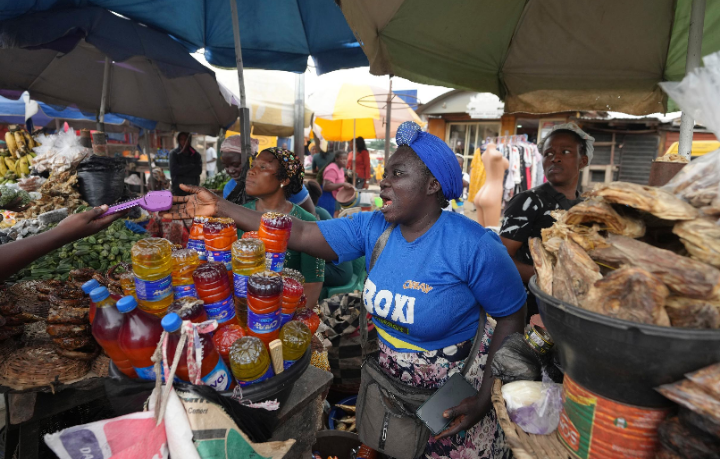
Benin City Resident Urges Government to Tackle Rising Cost of Living
Uchechi Okporie
Oct 24, 2026
Gunmen Kill 10 in Taraba Community Attack
Uchechi Okporie
Oct 24, 2026
Soludo Reveals Path to Igbo Presidency
Uchechi Okporie
Oct 24, 2026
NDC Candidate’s Hilux Burnt in Ebonyi Attack
Uchechi Okporie

Oct 23, 2026
The People You Ignore May Control Your Access
Uchechi Okporie

Oct 23, 2026
Next Africa Daily Urges Readers to Make Health a Priority
Uchechi Okporie
Oct 23, 2026
Nigerians Urged to Research Before Investing in Business
Uchechi Okporie
Oct 23, 2026
Umahi: No Tinubu, No Coastal Highway
Uchechi Okporie
Oct 23, 2026
Nollywood Mourns Francis Duru who died at 57....
Uchechi Okporie