Africa Union Comes Under Attack as Xenophobic Violence Crushes Migrants in South Africa
 Uchechi Okporie
Jul 19, 2026
3 min read
Uchechi Okporie
Jul 19, 2026
3 min read
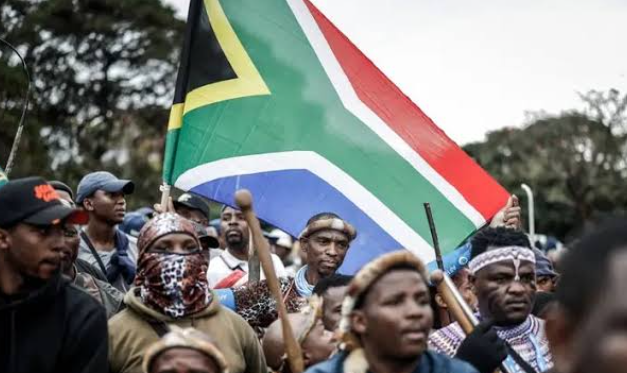
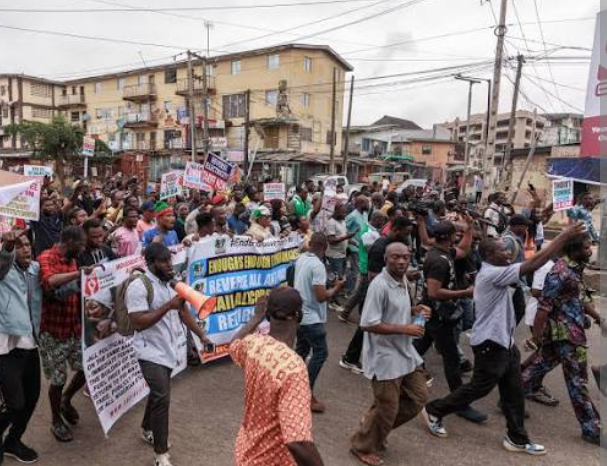
For the past four months, nationals of other African countries resident in South Africa have been experiencing wave of violence in South Africa. From Pretoria to Johannesburg, from Cape Town to Durban, from Soweto to other cities, foreign nationals in the country have been subjected to all forms of inhuman treatment.
From looting shops to beating, from arrests to forceful shop closures, from force sack from employment to force eviction from places of residence to compulsory deportation to their home countries. African nationals resident in the country have passed through very dehumanising conditions in the hands of South Africa nationals.
The current wave of violence has been for the past four months, beginning from March 2026. The 2026 violence began in mid-March with protests in Johannesburg, Pretoria and Durban. The protest intensified in April and May with attacks on foreign nationals, looting migrant owned shops and illegal checks of people's migrant status in the country.
In June, the protests had grown beyond control. This was when March and March convener, Jacinta Ngobese Zuma, and coordinators of Operation Dudula, began combing major cities and forcing migrants out of the country. A brief silence came when the groups gave June 30 as deadline for all foreign nationals to depart from the country. Thousands from Nigeria, Ghana, Malawi, Zimbabwe, Mozambique and others were forcefully repatriated from the country.
The protests initially targeted undocumented foreigners, but as the demonstrations progressed, it moved from undocumented to all foreigners whether with documents or not. This was when it became unacceptable to governments and citizens of other countries and even the international community. Shops were looted, employers were forced to layoff both skilled and unskilled workers, landlords compelled to forcefully evict foreign tenants with foreigners abandoning their businesses, vehicles, landed and movable properties. It was a painful and devastating experience.
Photos and videos displayed on social media show pathetic situations many migrants were made to face while processing their repatriation from South Africa. Many spent days and nights in hunger in front of their country's embassies and consulates, waiting for buses and planes from their home countries to fly them back home. Many shared gory tales of bitter life experiences in South Africa.
At this period, one expected the Africa Union to make statement regarding the situation in the country. The AU, a continental organization made up of 55 countries was established in 2002, replacing the defunct Organization of African Unity (OAU). The objective is to promote unity, development, peace and cooperation across Africa.
Related Posts
Nigeria’s Political Game: What Next for the PDP?
The APC is gaining political strength, but what does the future hold for the PDP? The part...

Yayi 2027: Beyond State of Origin - the Values, Vision and Accountability that Should Shape Ogun's Political Debate
For Ogun State, the enduring question should be this: what can each candidate demonstrate,...

Ajibade Injured in Falcons’ Victory
According to sports information gathered by Next Africa Daily, Super Falcons captain Rashe...
2027 Election: Think Before You Vote
The 2027 elections are approaching, and as usual, promises will soon fill the air. But bey...
Some of its functions is to promote peace and security in the continent, to prevent and resolve conflicts between and among countries, encourage economic integration, promote trade among African countries through initiatives like African Continental Free Trade Area (AfCFTA). It also helps in promoting democracy and good governance, encourages free and fair elections across Africa.
Headquartered in Adis-Ababa, capital of Ethiopia, the African Union is also expected to promote human rights through its human rights institutions. It is also empowered to promote justice and the rule of law among member countries, among other development efforts geared toward the good of the continent of Africa.
As the violence began in South Africa, one had expected the continental body to make a statement of either commendation or condemnation. But very unfortunately, the body has failed to react to the ugly development in South Africa. One is forced to ask whether the Union is still existing or whether it has gone into moribund.
Investigation shows that there are two leadership positions in the Africa Union. As of 2026, President Evariste Ndayishiniye of Burundi is the chairman of the AU while Mahmoud Ali Youssouf of Djibouti is the chairman of the Africa Union Commission, that is the chief executive of the AU. He assumed office in March 2025. He is the administrative officer of the Union.
So far, this body has disappointed the entire Africa continent over its undue silence following the xenophobic violence in South Africa. South Africa is a member of the African Union. If it's a signatory to the Constitution of the Union, then it is expected to adhere to the decision of the body. But for now, South Africa cannot be blamed because the Union is not seen to be wielding the needed big stick in the affairs of the African continent.
Although there are reports that the AU's institutions, particularly the African Commission on Human and Peoples' Rights, have made statements condemning the violence against migrants in the country, the action seems to be insufficient to compel South Africa to backtrack on its move against foreign nationals.
As it is now, the body has failed both the continent and the foreign nationals who were repatriated from South Africa. While South Africa is a sovereign nation which has right to take its own decisions for the good of its people, it is incumbent to formulate and implement policies for the unity and cooperation of the African continent.
Related Posts
Uchechi Okporie
Oct 08, 2026
Stop Waiting for the Perfect Job: Sometimes, You Have to Start From Zero
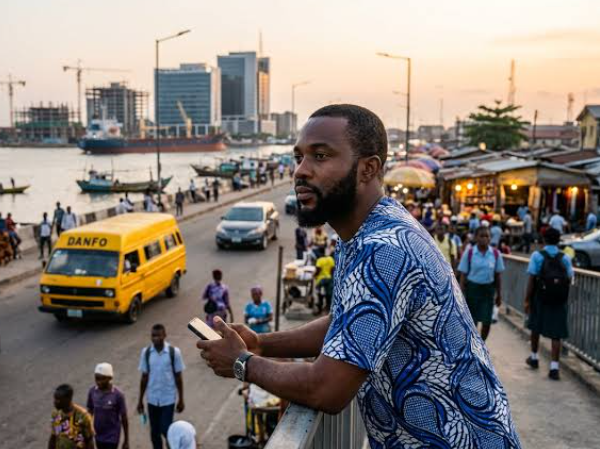
Some people will tell you there are no jobs in Africa, especially in Nigeria. And yes, finding decent employment can be difficult. But there is another side of the conversation we must be willing to address: some people are not willing to start small.
Uchechi Okporie
Oct 06, 2026
Nigeria’s Youths Have Heard Enough ,Let Them Work
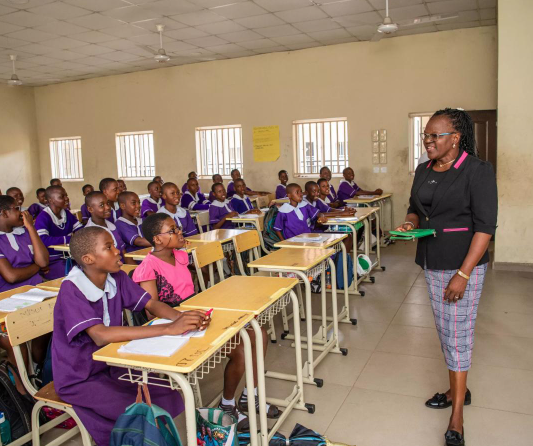
Across Nigeria and Africa, young people are constantly receiving advice. They attend workshops, seminars, empowerment programmes and training sessions where they are taught how to succeed, develop skills, build businesses and become responsible members of society.
Uchechi Okporie
Oct 05, 2026
Celebrate Teachers. Then Pay Them.
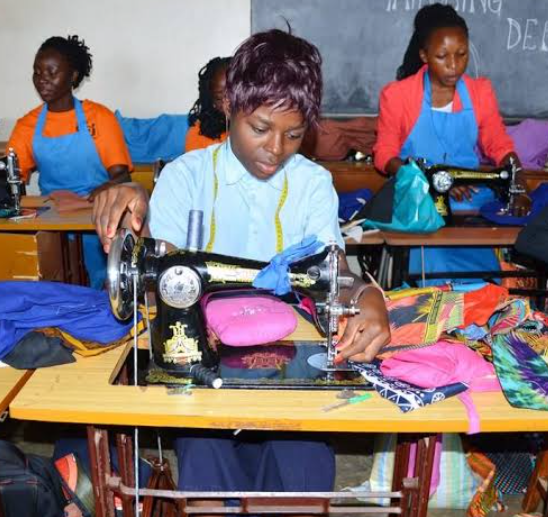
Today, we celebrate teachers. But beyond the speeches, messages and “Happy Teachers’ Day” wishes, we need to ask a serious question: Are we really treating our teachers the way they deserve?
Uchechi Okporie
Sep 28, 2026
Nigeria Must Stop Praying and Start Building
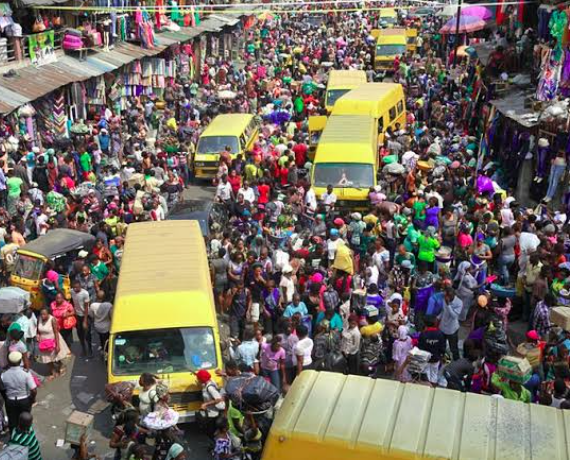
Nigeria is a country where people pray a lot. When things are difficult, we pray. When we are looking for jobs, we pray. When we are facing hardship, corruption or insecurity, we pray. There is absolutely nothing wrong with praying. As Christians, we believe in the power of prayer.
Uchechi Okporie
Sep 28, 2026
The Truth Nigerians Don’t Want to Hear
Nigerians often complain about bad government. When one government is in power, citizens complain that the government is not doing well. But the moment that government leaves and another one takes over, some people begin to say, “When this person was around, Nigeria was far better.” Why does this keep happening? Why do we continue to complain without asking ourselves what we can also do to make Nigeria better?
Uchechi Okporie
Sep 26, 2026
Nigeria Is in Our Hands
There are many young Nigerians who want to work and become useful to themselves and the country, but finding a good job or a real opportunity is still difficult for many of them.
Uchechi Okporie
Sep 25, 2026
Beside Omo-Agege Who Feels Wounded, No NDC Candidate is Prepared for 2027 Election in Delta, And Here's Why
Feelers from the NDC camp in Delta state are indicative that besides former Deputy Senate president, Ovie Omo-Agege, other candidates of the party including the governorship candidate, Chris Iyovwaye, are not actually prepared for the January and February elections in 2027. Their body movement and their inactivity show their unpreparedness for the race.
Uchechi Okporie
Sep 24, 2026
FG Defends Tinubu’s Tough Decisions
The Federal Government has defended the difficult decisions taken by President Bola Tinubu’s administration since it came into office in 2023. Minister of Information and National Orientation, Mohammed Idris, said the government decided to tackle some of the country’s long-standing problems instead of pushing them forward.
Trending

Oct 20, 2026
2027: Bala Mohammed Predicts Presidential Winner
Uchechi Okporie
Oct 18, 2026
Yayi 2027: Beyond State of Origin - the Values, Vision and Accountability that Should Shape Ogun's Political Debate
Okuwobi Taiwo
Oct 17, 2026
Ajibade Injured in Falcons’ Victory
Uchechi Okporie
Oct 21, 2026
PDP Warns Wike as Party Plans Disciplinary Action
Uchechi Okporie
Oct 18, 2026
Ghana Claims the Crown, But Can Nigeria Be Beaten?
Uchechi Okporie
Oct 17, 2026
When Keke Becomes a Political Weapon
Uchechi Okporie
Oct 23, 2026
Nollywood Mourns Francis Duru who died at 57....
Uchechi Okporie

Oct 20, 2026
Dangote Reveals What He Would Rather Lose Than His Phone
Uchechi Okporie

Oct 21, 2026
Ebola: Nigerians Told to Avoid Kissing, Hugs, Handshakes
Uchechi Okporie
Oct 17, 2026
Learn a Skill Before Graduation, Iteshi Advises Nigerian Students
Uchechi Okporie
Oct 19, 2026
December Nears: Onitsha Resident Warns Parents Over Child Kidnapping
Uchechi Okporie
Latest Stories

Oct 23, 2026
The People You Ignore May Control Your Access
Uchechi Okporie

Oct 23, 2026
Next Africa Daily Urges Readers to Make Health a Priority
Uchechi Okporie
Oct 23, 2026
Nigerians Urged to Research Before Investing in Business
Uchechi Okporie
Oct 23, 2026
Umahi: No Tinubu, No Coastal Highway
Uchechi Okporie
Oct 23, 2026
Nollywood Mourns Francis Duru who died at 57....
Uchechi Okporie
Oct 22, 2026
Nigeria’s Political Game: What Next for the PDP?
Uchechi Okporie

Oct 22, 2026
Eat Well, Stay Healthy
Uchechi Okporie
Oct 22, 2026
Tribalism Is Destroying Nigeria
Uchechi Okporie

Oct 22, 2026
Starting From Zero Is Not the End
Uchechi Okporie
Oct 22, 2026
Shettima Warns 36 Governors on Power
Uchechi Okporie
Oct 22, 2026
Obi Takes Nigeria’s Struggle to UK
Uchechi Okporie