21 Hours, No Breakthrough: Why U.S–Iran Talks Collapsed, and What It Means for the World
 Uchechi Okporie
Apr 12, 2026
3 min read
Uchechi Okporie
Apr 12, 2026
3 min read
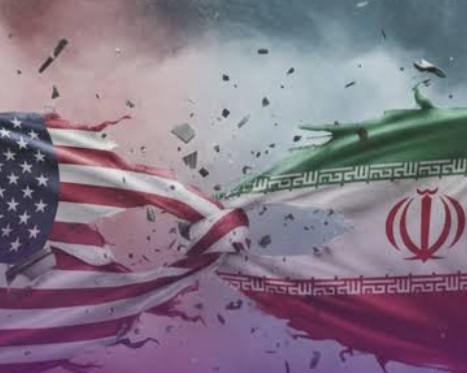
After nearly a full day of intense diplomacy, the high-stakes negotiations between the United States and Iran have ended without a deal, raising fresh fears that the fragile calm in the Middle East could shatter at any moment.
What was once cautiously described as a “path to de-escalation” is now teetering on the edge of renewed conflict.
A Marathon of Diplomacy Ends in Deadlock
In the early hours of Sunday, April 12, talks held in Islamabad concluded after 21 hours with no agreement in sight.
U.S. Vice President JD Vance confirmed the breakdown, signaling a stark return to uncertainty.
“We’ve made our red lines very clear… and they have chosen not to accept our terms.”
Despite what he described as “substantial discussions,” the negotiations ultimately collapsed under the weight of unresolved core issues, most notably Iran’s nuclear ambitions.
The Real Sticking Point: Nuclear Ambitions vs Strategic Survival
At the heart of the deadlock lies a fundamental distrust that neither side has been able to bridge.
Washington’s position is unambiguous: Iran must commit, clearly and permanently, to abandoning any path toward nuclear weapons. But for Tehran, such a commitment cuts deeper than policy, it touches on sovereignty, deterrence, and regime survival.
The United States is not just asking for a pause; it is demanding long-term guarantees. Iran, on the other hand, appears unwilling to relinquish what it sees as a strategic safeguard in a hostile region.
This is not merely a negotiation over weapons, it is a confrontation between competing visions of security.
A Fragile Ceasefire on Borrowed Time
The failed talks come just days after a two-week ceasefire agreement, brokered with support from regional and global players, including Pakistan and China.
The ceasefire, which began on April 8, followed 39 days of intense fighting involving Iran, the United States, and Israel. But from the outset, it was riddled with ambiguity and mistrust.
Confusion over whether Lebanon, still under heavy Israeli bombardment, was included in the agreement exposed deep cracks in the deal.
While some mediators insisted it was, Israel firmly denied it.
Now, with negotiations stalled, the ceasefire’s remaining days look increasingly precarious.
Trump’s Pressure Strategy and Its Limits
The truce itself came under the shadow of a deadline imposed by U.S. President Donald Trump, who had warned of “severe consequences” if Iran failed to return to negotiations.
Related Posts
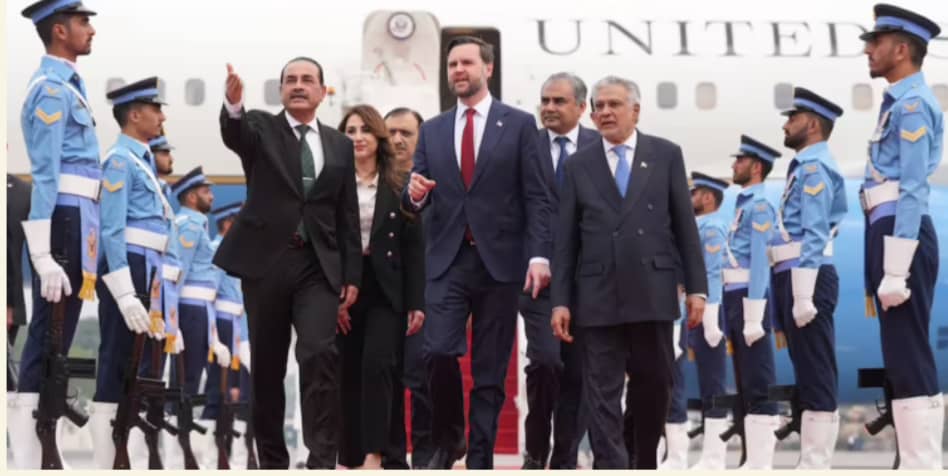
21 Hours, No Breakthrough: Why U.S–Iran Talks Collapsed, and What It Means for the World
After nearly a full day of intense diplomacy, the high-stakes negotiations between the Uni...
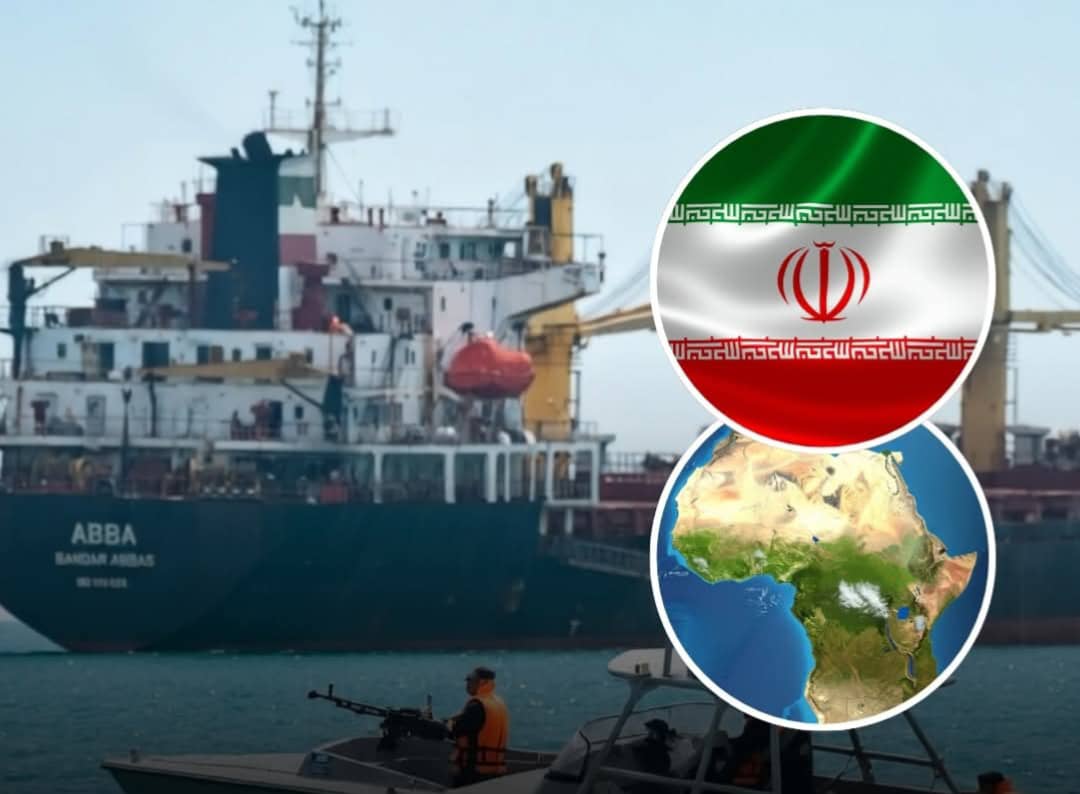
Iran Guards Block Botswana Vessels, Allow Gabon, South Africa Past Strait of Hormuz as Fragile Ceasefire Persist
Shipping activity in the strategically vital Strait of Hormuz is showing tentative signs o...
Washington even accepted a 10-point peace framework, with one major condition: Iran must ensure the full reopening of the strategically critical Strait of Hormuz.
“We will suspend attacks provided Iran agrees to the COMPLETE, IMMEDIATE, and SAFE OPENING of the strait.”
Yet, even this concession failed to produce a breakthrough, highlighting the limits of pressure when core national interests are at stake.
The Strait of Hormuz: The World’s Economic Pressure Point
The importance of the Strait of Hormuz cannot be overstated. Roughly 20% of the world’s energy supply flows through this narrow passage. Any disruption sends shockwaves across global markets, and that’s exactly what has happened.
Oil prices initially surged to around $120 per barrel during the height of the conflict, reflecting fears of supply disruptions.
When the ceasefire was announced, prices dropped sharply, by more than 15% revealing just how sensitive global markets are to developments in the region.
Nigeria Feels the Shockwaves
Thousands of miles away, Nigeria is already grappling with the economic fallout.
The Dangote Refinery has maintained elevated fuel prices, with petrol selling at around ₦1,200 per litre, up more than 50% from pre-war levels.
This spike underscores a harsh reality: geopolitical instability in the Middle East doesn’t stay in the Middle East. It travels through oil markets, supply chains, and ultimately into the daily lives of ordinary citizens.
What Happens Next? A Narrow Window Before Escalation
With 10 days left on the ceasefire clock, the question is no longer whether tensions exist, but whether they can be contained.
The collapse of talks suggests that both sides are digging in, not backing down.
Without a diplomatic breakthrough, the region could slide back into open conflict, potentially on an even larger scale.
For now, the world watches a ticking clock, where every passing day without progress increases the risk of escalation.
Bottom Line
This is no ordinary diplomatic failure. It is a signal that the underlying conflict, rooted in power, security, and mistrust, remains unresolved.
And until those deeper issues are addressed, every ceasefire may simply be an intermission, not an ending.
Trending
Mar 11, 2026
President Tinubu’s Ambassadorial Appointees Encounter International Resistance (Shocking Details)
Uchechi Okporie

Mar 18, 2026
Nigeria Court Affirms Citizens’ Right to Record Police, Orders Compensation for Rights Violations
Uchechi Okporie
Mar 26, 2026
U.S. BREAKS RANKS AT U.N., VOTES AGAINST GLOBAL SLAVERY RESOLUTION
Uchechi Okporie
Mar 31, 2026
Aftermath of Kwankwaso Defection: Pressure Mounts on INEC to Destabilise ADC
Uchechi Okporie

Mar 09, 2026
Nwoko, Okowa, Ochei: Three Political Heavyweights as Delta North Weighs Options Ahead of 2027
Uchechi Okporie

Mar 11, 2026
Obi Cubana Breaks Silence on City Boy Movement
Uchechi Okporie

Mar 14, 2026
African Football Loses Nigeria Legend Henry Nwosu at 61
Uchechi Okporie
Mar 07, 2026
Peter Obi Breaks Silence on Edo Attack, Warns Political Thugs: “No One Has Monopoly of Violence”
Uchechi Okporie
Mar 31, 2026
Nigeria Declares Three Senate Seats Vacant, Orders Urgent By-Elections
Uchechi Okporie
Mar 11, 2026
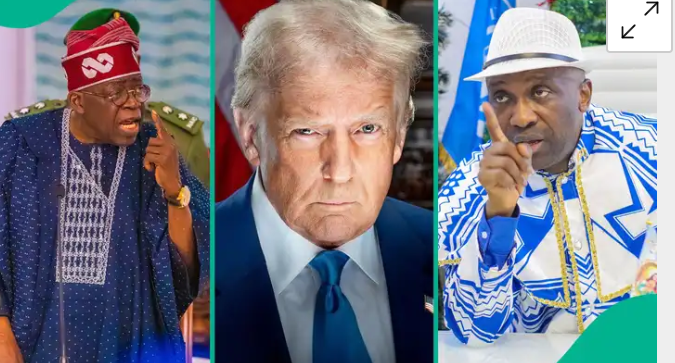
Fiery Prophet Foresees Political Assassinations, Military Ambushes in Selected African Countries
Uchechi Okporie

Mar 08, 2026
Mockery and Missteps: President Sacks 2 Senior Aides After Embarrassing Error
 Admin User
Latest Stories
Apr 12, 2026
21 Hours, No Breakthrough: Why U.S–Iran Talks Collapsed, and What It Means for the World
Uchechi Okporie
Apr 12, 2026
21 Hours, No Breakthrough: Why U.S–Iran Talks Collapsed, and What It Means for the World
Uchechi Okporie
Apr 12, 2026
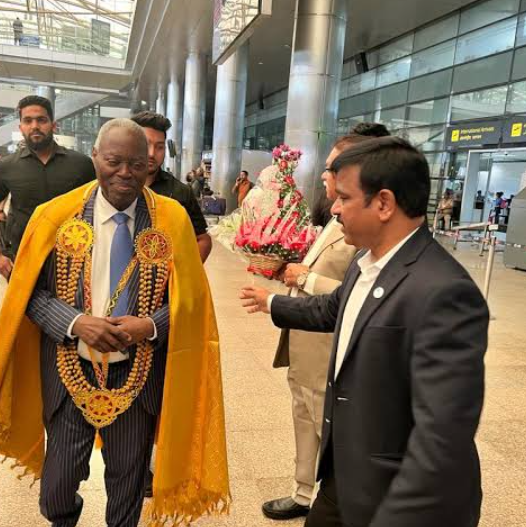
BREAKING NEWS: He Gave Up Everything… What Followed Is Shaking Thousands Right Now
Uchechi Okporie

Apr 12, 2026
“Transparency Storm Engulfs Private Jet Use in Ghana as Questions Mount Over High-Profile Aircraft Operations”
Uchechi Okporie

Apr 12, 2026
“‘No Vacancy in 2027’: Influential Southeastern Bloc Backs Incumbent Governor, Signaling Early Power Shift in Nigeria’s Political Landscape”
Uchechi Okporie
Apr 12, 2026
BREAKING: Power Struggle Erupts in Nigeria’s Opposition as New Leadership Emerges Amid Deepening Party Crisis
Uchechi Okporie
Apr 12, 2026
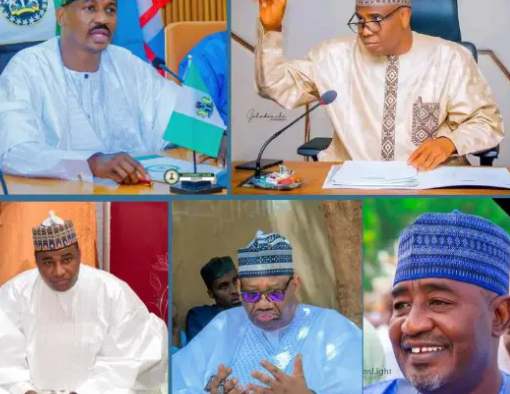
BREAKING: Powerful Political Giants Quietly Plot Major 2027 Showdown Behind the Scenes
Uchechi Okporie
Apr 11, 2026
BREAKING NEWS: U.S. Embassy Staff Evacuation Sparks Alarm Over Nigeria’s Security — Peter Obi Warns of “Confidence Crisis”
Uchechi Okporie

Apr 11, 2026
“Enough Is Enough: Pope Leo Declares War a ‘Scandal to Humanity’ in Fiery Global Peace Appeal”
Uchechi Okporie

Apr 11, 2026
BREAKING NEWS: Gunmen Kill Imo Monarch, Five Others, Burn Bodies in Deadly Ambush
Uchechi Okporie

Apr 11, 2026
“Inside a High-Profile Ghana Divorce: Court Transcripts Detail Alleged Assault and Deepening Legal Battle”
Uchechi Okporie