U.S. BREAKS RANKS AT U.N., VOTES AGAINST GLOBAL SLAVERY RESOLUTION
 Uchechi Okporie
Mar 26, 2026
3 min read
Uchechi Okporie
Mar 26, 2026
3 min read
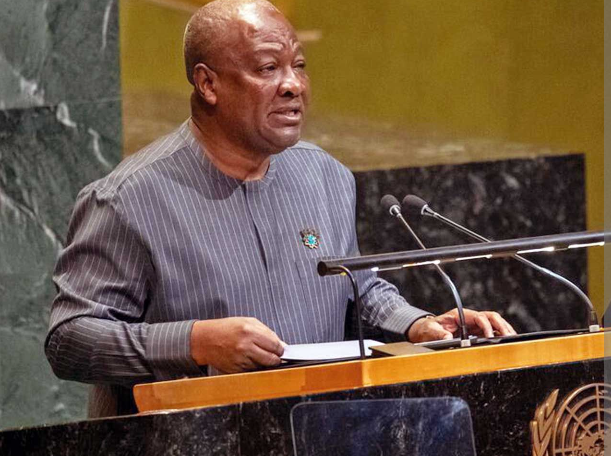
In a landmark vote at the United Nations General Assembly this week, a majority of the world’s nations backed a historic resolution recognising the transatlantic slave trade as a crime against humanity but the United States stood in opposition.
championed by Ghana and backed by 123 of the 193 U.N. member states aimed to confront the enduring legacy of slavery and encourage dialogue on reparatory justice including education, apologies, and restitution of stolen cultural artefacts.
Despite broad global support, only three countries the United States, Argentina, and Israel voted against the measure, while 52 abstained.
Why the U.S. Opposed the Resolution U.S. diplomats said they opposed the resolution not because they deny the horrors of slavery, but because they viewed certain legal and reparations language as problematic, including back-dated legal obligations or implications that could be used to claim financial compensation.
Related Posts
South Africa's Dangerous Mistake: Why turning against fellow Africans a betrayal of the continent's struggle
For decades, South Africa stood as a symbol of African resistance, dignity and liberation....
Ghana resets wages: Mahama launches bold public sector pay overhaul and labour reforms
In a move set to ripple across Africa’s economic landscape, John Dramani Mahama has unveil...
Ghana can shock England, Ahinful warns
Former Ghana international Augustine Ahinful has sparked discussion in football circles af...
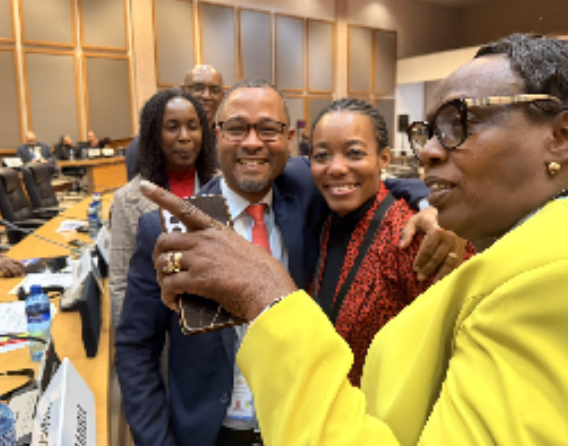
BREAKING: Ghana’s Zanetor Agyeman-Rawlings Lands Top Pan-African Parliament Role, Signaling New Era of Youthful African Leadership
A major political shift is unfolding across the continent as Zanetor Agyeman-Rawlings, a r...
According to the U.S. representative, the text as written could create a “hierarchy” among historical atrocities and raise expectations of legal liability for actions that were not illegal under international law at the time they occurred — arguments that many supporters of the resolution rejected.
A Wider Push for Reckoning With History Proponents especially from African and Caribbean nations celebrated the resolution as a milestone in the long struggle for recognition and justice, saying it acknowledges the profound human and economic toll of slavery and its lasting impact on racial inequality worldwide.
Critics, however, argue the move could open complex debates over reparations and historical responsibility at a time when many nations are still wrestling with varying interpretations of their past.
Though the resolution is not legally binding, its passage signals a shift in international discourse and a renewed emphasis on addressing the lasting global consequences of the transatlantic slave trade.
Related Posts
Uchechi Okporie
Apr 30, 2026
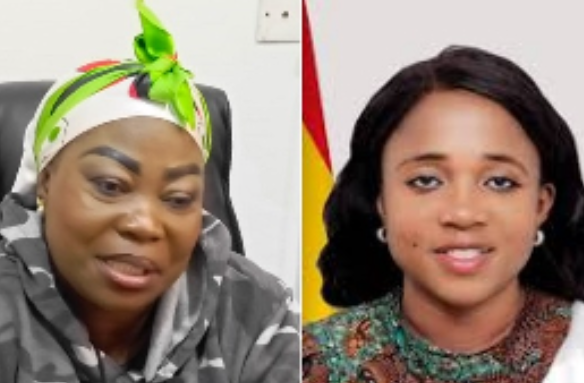
Ashanti Political Firestorm: NDC Women’s Boss Drops Bombshell Allegations Against Ejisu MCE
A fresh political explosion has rocked Ghana’s powerful Ashanti region after a leading figure in the National Democratic Congress (NDC) unleashed a wave of shocking allegations against the Ejisu Municipal Chief Executive (MCE), sparking outrage, denial, and a rapidly escalating war of words.
Uchechi Okporie
Apr 30, 2026
Ashanti remark ignites global concern over unity in Ghana as political rhetoric sparks backlash
A wave of outrage has swept across Ghana after a communicator affiliated with the New Patriotic Party claimed the country “belongs to Ashantis,” triggering intense debate over ethnicity, nationalism and political responsibility.
Uchechi Okporie
Apr 29, 2026
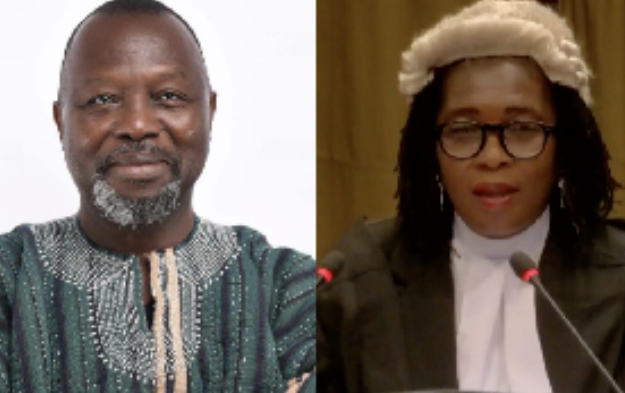
Ghana pushes historic female candidate to global maritime court
Ghana is making a bold statement on the global legal stage as Attorney-General Dr. Dominic Ayine throws his full support behind Sylvia Adusu, the first Ghanaian woman nominated to the International Tribunal for the Law of the Sea.
Uchechi Okporie
Apr 27, 2026
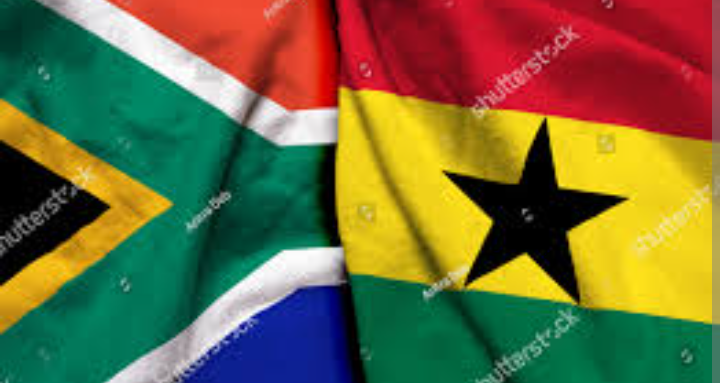
From Brothers to Burdens: Why Nigerians Are No Longer Welcome in South Africa, Ghana - The Sad Story
Across parts of Africa, a troubling pattern has emerged: periodic waves of hostility directed at Nigerians living and working in other African countries. In South Africa, it has manifested in violent xenophobic attacks; in Ghana, tensions have surfaced through business closures and regulatory crackdowns. The rhetoric is familiar—“they should go back home.” But beneath that language lies a far more complex and uncomfortable reality than simple dislike of a nationality. This moment is not just about Nigerians; it is about economics, identity, governance failure, and the unfinished project of African unity.
Uchechi Okporie
Apr 26, 2026
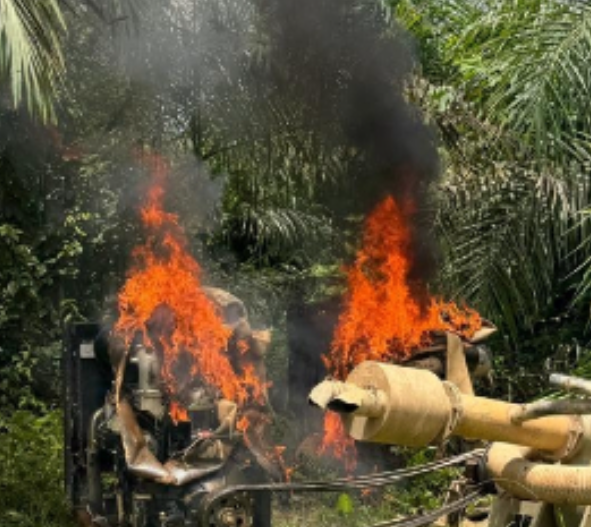
BREAKING: Ghana Forces Storm Illegal Mining Stronghold, Destroy Excavators in Major Anti-Galamsey Crackdown
Ghana has escalated its battle against illegal mining after the National Anti-Illegal Mining Operations Secretariat (NAiMOS) carried out a major raid on an illegal mining hub at Hotopo in the Ahanta West District of the Western Region.
Uchechi Okporie
Apr 25, 2026
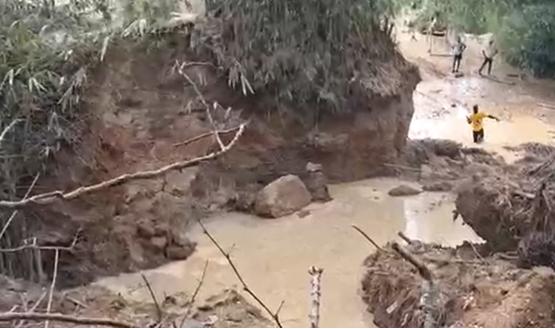
Illegal Gold Mine Horror in Ghana :Two Killed, One Fighting for Life After Pit Collapse Shocks Africa
A tragic mining disaster has struck Ghana after an illegal mining pit, linked to the country’s growing galamsey crisis, collapsed in Assin North, leaving two people dead and another critically injured.
Uchechi Okporie
Apr 23, 2026
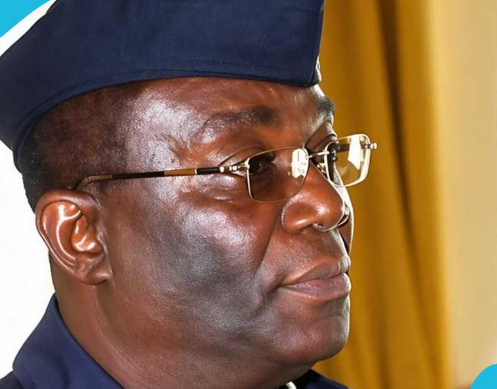
BREAKING: Ghana Mourns Former Police Chief Paul Tawiah Quaye as Africa Pays Tribute to a Security Statesman
Ghana is in mourning following the death of former Inspector-General of Police, Paul Tawiah Quaye, a respected security leader whose service left a lasting mark on the nation’s law enforcement system.

Uchechi Okporie
Apr 22, 2026
Ghana Murder Probe Grips Nation as Police Reveal Major Breakthrough in Case Linked to Top Government Official’s Family
Authorities in Ghana have announced fresh developments in a high-profile murder investigation involving the father-in-law of Sammy Gyamfi, drawing nationwide attention and renewed debate over security and justice.
Trending
May 04, 2026
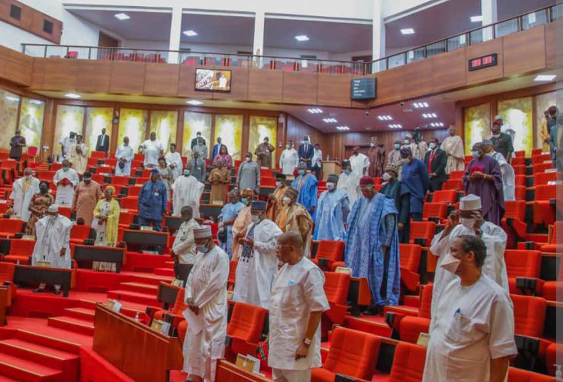
Top South South Politician Forced to Drop Senate Bid After Presidential Directive
Uchechi Okporie
May 05, 2026
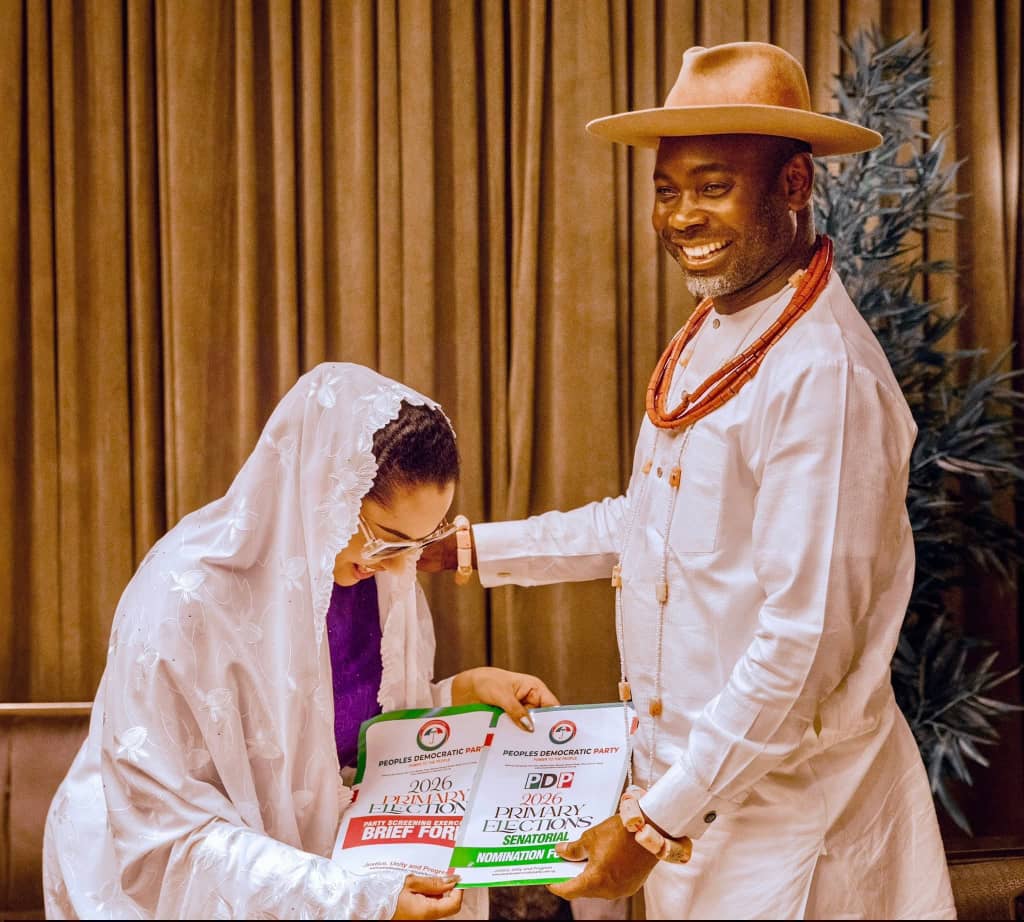
Senator Natasha Begins Strategic Build-Up for 2027, Makes Touching Statement About Her Husband
Uchechi Okporie
May 10, 2026
Delta2027: I'm Opposed to Emomotimi Guwor, Joel Onowakpo - Ayiri Emami Says, His Reasons Are Explosive
Uchechi Okporie
May 04, 2026
When Politics Becomes Family Business: The Okowa Question
 Admin User
May 05, 2026
Breaking: Political earthquake in Nigeria as Obi triggers mass defection wave within hours
Uchechi Okporie
May 06, 2026
Senate Shutdown, Sitting Disrupted as Akpabio, Oshiomhole Engage in Heated Confrontation
Uchechi Okporie
May 05, 2026
BREAKING: Zenith Bank Makes Big Announcement, Read What Happened to Jim Ovia
Chineye Egesi
May 04, 2026
Three Reportedly Arrested Over False Divorce Rumour About Tony Elumelu
Chineye Egesi

May 08, 2026
President Sacks Army Chief, Finance Minister
Uchechi Okporie
May 04, 2026
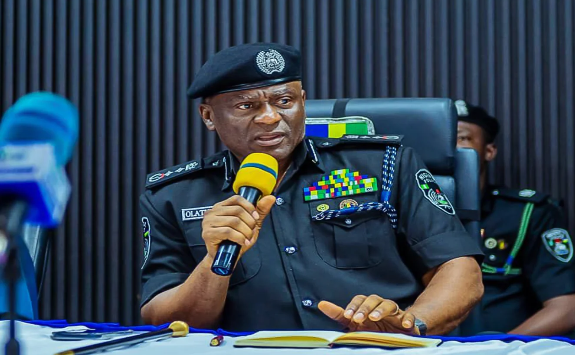
Blood in Effurun: Nigeria orders sweeping manhunt as police chief vows no killer will escape
Uchechi Okporie
May 06, 2026
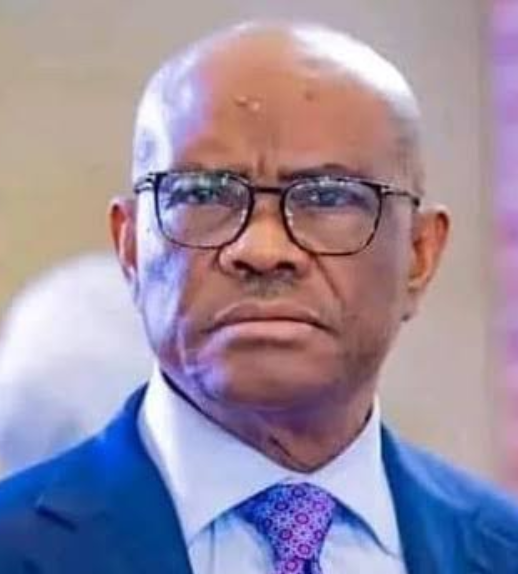
PDP Power War Deepens: Wike issues fiery ultimatum to Turaki faction ‘Open secretariat account or I’ll shut it down’
Uchechi Okporie
Latest Stories

May 10, 2026
SHOCKING!! Nigeria's PDP Reps Member Appears Before APC Governorship Screening Committee in Abuja
Uchechi Okporie

May 10, 2026
Nigeria’s political future in spotlight, as 30-year-old APC hopeful goes viral during parliamentary screening
Uchechi Okporie
May 10, 2026
Nigeria Labour Union Sends Strong Message to South Africa Over Xenophobic Attacks on Foreigners
Chineye Egesi
May 10, 2026
Delta2027: I'm Opposed to Emomotimi Guwor, Joel Onowakpo - Ayiri Emami Says, His Reasons Are Explosive
Uchechi Okporie
May 09, 2026
From N400bn Loss to Record Profits: How MTN Nigeria Engineered a Stunning Turnaround
Chineye Egesi
May 09, 2026
Six Nigerian Governors Declare Interest to Run for Senate
Uchechi Okporie
May 09, 2026
Go Back Home: The Violent Reality Nigerians, Ghanaians, Others Face as South African Streets Burn
Uchechi Okporie
May 09, 2026
Why Are Their Citizens Leaving for South Africa in Droves - Ramaphosa's Spokesman Poses Questions for African Leaders
Uchechi Okporie
May 09, 2026
“They Will Not Distort Our Struggle”: Burkina Faso Suspends French TV5 Monde for Glorifying Terrorism
Chineye Egesi
May 09, 2026
From $30.4 Billion to $34 Billion in Weeks: Aliko Dangote’s Wealth Surge Stuns Global Markets as He Unveils East African Refinery Mega-Deal
Chineye Egesi
May 08, 2026
Police arrest another key suspect in abduction of Bayelsà Judge five months after
Admin User