South Africa's Dangerous Mistake: Why turning against fellow Africans a betrayal of the continent's struggle
 Uchechi Okporie
May 07, 2026
3 min read
Uchechi Okporie
May 07, 2026
3 min read
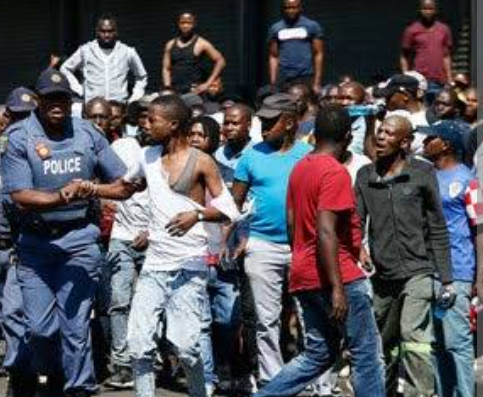
For decades, South Africa stood as a symbol of African resistance, dignity and liberation. Millions across the continent celebrated Nelson Mandela’s freedom as if it were their own victory.
From Nigeria to Ghana, from Zambia to Uganda, African nations sacrificed money, shelter, diplomacy and political support to help defeat apartheid.
But today, many Africans are asking a painful question: Has South Africa forgotten who stood beside it when the world looked away? Across social media, in political debates and on the streets, hostility toward fellow Africans has continued to grow. Nigerians are blamed for crime. Zimbabweans are accused of “taking jobs.”
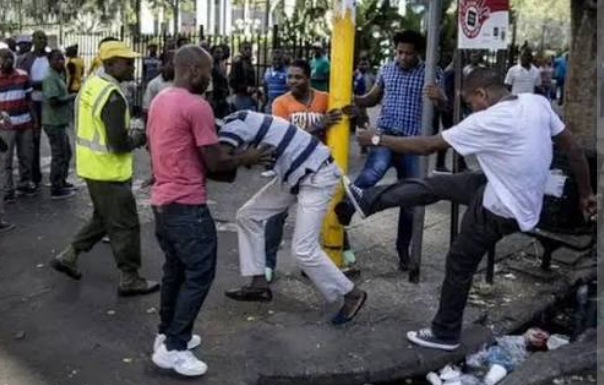
Somalis, Ethiopians and Congolese are attacked during waves of xenophobic violence. Yet the same anger is often softer toward wealthy Western investors, foreign corporations and outsiders from richer countries.
That contradiction is what many Africans across the continent struggle to understand. How does a nation built on the spirit of African solidarity begin to treat its own brothers as enemies while celebrating outsiders with more economic power? This is not just a South African problem. It is a crisis of identity.
Many South Africans forget that African migrants are not invading their country because they hate their own homes.
Most arrive searching for opportunity, peace, education and survival — the same reasons millions of Europeans and Westerners move across borders every year. Nigerians, Ghanaians, Kenyans and others who move to South Africa are not less human because they are African.
No country develops by isolating itself from its neighbours. The painful truth is that South Africa’s economy was never built by South Africans alone. African labour from neighbouring countries helped power the mines, industries and businesses that made the country rich. During apartheid, several African governments risked retaliation for supporting the liberation struggle. Nigeria alone spent millions supporting anti-apartheid movements and sanctioned the racist regime when many Western nations still did business with it.
History matters. The idea that fellow Africans are somehow “less valuable” than white foreigners or Western investors is not only dangerous — it is mentally colonised thinking. It reflects a mindset that still measures worth through foreign approval instead of African unity. A European businessman arriving in Johannesburg is often seen as an “investor.”
Related Posts

Cybercriminals Target Nigeria: 13 Million Personal, Company Passwords Exposed Over Two Decades - Report Says
A new cybersecurity report has revealed that Nigeria recorded 281,500 leaked user accounts...
Senate Shutdown, Sitting Disrupted as Akpabio, Oshiomhole Engage in Heated Confrontation
The Nigerian Senate descended into a tense and disorderly session on Wednesday, as a sharp...
2027: Only Senators Who Served in 9th and 10th Senate Qualify for Senate Leadership - Amended Rule Says
The Senate has revised its internal rules in a move many observers interpret as an effort...

Data App Pulls Out of Nigerian Market, Cites 95 Percent Fraud Rate Traced to Nigerian Users
Kled AI, an opt-in marketplace that pays users for contributing data to train artificial i...
A Nigerian entrepreneur arriving in Johannesburg is too often seen as a “problem.” That double standard exposes a deeper insecurity that South Africa must confront honestly. No African country is perfect. Nigeria has corruption. Ghana has economic struggles. Zimbabwe faces political and financial crises.
South Africa itself battles unemployment, inequality, crime and political instability. But none of these challenges will be solved by turning Africans against each other. The real enemies of Africa are poverty, corruption, failed leadership, unemployment and economic dependence — not the African trader trying to survive in another African country.
African unity cannot only exist in speeches during African Union summits. It must exist in real life, on real streets and in the way Africans treat one another. South Africans have every right to demand better governance and economic opportunities.
But blaming fellow Africans for every hardship is a distraction from the deeper failures of leadership and economic inequality. The continent is watching South Africa carefully because the country carries enormous symbolic weight in Africa’s history.
When South Africans attack fellow Africans, it damages not only lives but also the dream of a united continent.
The tragedy is that ordinary Africans often understand each other better than politicians do. Nigerians listen to Amapiano music. South Africans enjoy Afrobeats. Ghanaian businesses operate across Southern Africa. African culture is already united far more than politics admits.
The future of Africa will not be built through hatred between brothers. It will be built when Africans finally realise that the continent becomes weaker every time Africans treat outsiders as superior and their own people as disposable. South Africa once taught Africa the meaning of freedom and resistance.
Now the continent is waiting for South Africa to remember the meaning of brotherhood.
Related Posts
Uchechi Okporie
May 05, 2026
We Should Give South Africa The Madness They Are Looking For - Oshiomhole Threatens Fire Against SA Investments in Nigeria
Senator Adams Oshiomhole has called on Nigeria’s federal government to take a firmer stance against South Africa following renewed xenophobic attacks targeting Nigerians and other African migrants.
Uchechi Okporie
May 05, 2026
BREAKING: Diplomatic firestorm erupts as Nigeria demands justice over brutal xenophobic killings in South Africa
Nigeria has triggered a high-stakes diplomatic showdown after demanding an urgent and uncompromising investigation into the killing of its citizens in South Africa, sending shockwaves across the continent.
Chineye Egesi
May 04, 2026
Nigeria’s States Deepen External Borrowing as Debt Hits $5.68bn
Nigeria’s subnational external debt profile expanded significantly in 2025, with 32 states and the Federal Capital Territory (FCT) collectively increasing their foreign obligations by $944.12 million, according to newly analysed data from the Debt Management Office (DMO).
Uchechi Okporie
May 04, 2026
Top South South Politician Forced to Drop Senate Bid After Presidential Directive
Former Cross River governor, Ben Ayade, has expressed disappointment over an alleged directive from President Bola Tinubu asking him to step down from his bid for the Cross River North Senate seat, though he says he will comply out of loyalty.

Admin User
May 04, 2026
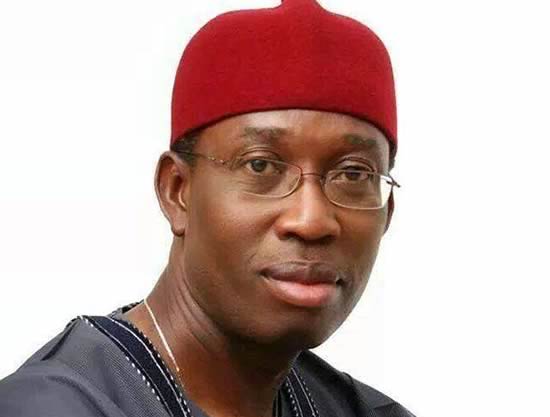
When Politics Becomes Family Business: The Okowa Question
A credible electoral process depends not only on legal eligibility but on public confidence, ethical optics, and the integrity of institutions. In that light, there are strong arguments for why Ifeanyi Okowa should not be cleared to participate in the Delta North APC senatorial primary at this time.
Chineye Egesi
May 04, 2026
Nigeria’s Non-Oil Export Boom: Nearly $1 Billion in Q1 2026 Signals a New Dawn for African Trade
Africa’s giant is stirring and this time, it’s not crude oil leading the charge. Fresh data from the Nigeria Customs Service shows the country’s export sector surged by nearly 39% in the first quarter of 2026, hitting a staggering $925.84 million, as non-oil trade finally takes center stage.
Uchechi Okporie
May 04, 2026
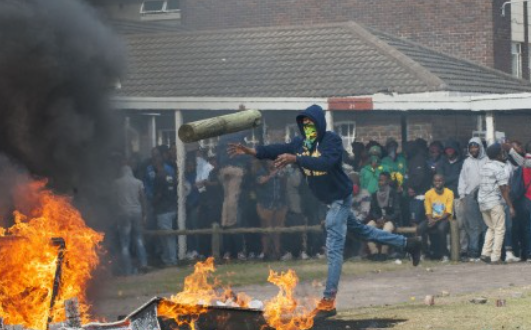
Nigeria Moves to Evacuate Citizens from South Africa Amid Rising Xenophobic Attacks
The government of Nigeria has begun arrangements to repatriate its nationals from South Africa following a resurgence of xenophobic violence targeting African migrants.
Uchechi Okporie
May 04, 2026
Pastor kneels to block Abuja lake land deal, igniting national outcry over urban land grabs
A dramatic moment in Nigeria’s capital has thrust the battle over public land into the spotlight after a pastor went on his knees to plead with Nyesom Wike to halt any allocation of land surrounding Jabi Lake.
Trending
May 04, 2026
Top South South Politician Forced to Drop Senate Bid After Presidential Directive
Uchechi Okporie

May 02, 2026
Nigeria summons South African envoy over fresh tensions as alleged attacks on citizens spark continental concern
Uchechi Okporie
May 05, 2026
Senator Natasha Begins Strategic Build-Up for 2027, Makes Touching Statement About Her Husband
Uchechi Okporie
May 04, 2026
When Politics Becomes Family Business: The Okowa Question
Admin User
May 05, 2026
Breaking: Political earthquake in Nigeria as Obi triggers mass defection wave within hours
Uchechi Okporie
May 05, 2026
BREAKING: Zenith Bank Makes Big Announcement, Read What Happened to Jim Ovia
Chineye Egesi
May 03, 2026
Global shock move ahead of Nigeria 2027 race as Peter Obi and Rabiu Kwankwaso prepare to unveil new political platform
Uchechi Okporie
May 06, 2026
Senate Shutdown, Sitting Disrupted as Akpabio, Oshiomhole Engage in Heated Confrontation
Uchechi Okporie
May 04, 2026
Blood in Effurun: Nigeria orders sweeping manhunt as police chief vows no killer will escape
Uchechi Okporie
May 04, 2026
Three Reportedly Arrested Over False Divorce Rumour About Tony Elumelu
Chineye Egesi
May 02, 2026
Breaking: Obi’s 2027 ambition under fire as ex-ally declares “he’s going nowhere”
Uchechi Okporie
Latest Stories
May 07, 2026
South Africa's Dangerous Mistake: Why turning against fellow Africans a betrayal of the continent's struggle
Uchechi Okporie
May 07, 2026
Former Nigerian Minister Convicted of N33.8bn Money Laundering, to be Sentenced to Prison May 13
Uchechi Okporie
May 07, 2026
Jonathan sends shockwaves through Nigeria’s 2027 election race as ex-president hints at possible return to power
Uchechi Okporie
May 07, 2026
FirstBank Unveils Marketing Powerhouse: Olayinka Ijabiyi Confirmed as Group Head, Marketing & Corporate Communications
Chineye Egesi

May 07, 2026
FCMB Reopens SheVentures Programme with Zero-Interest Loans of Up to N10 Million to Empower Women Entrepreneurs
Chineye Egesi
May 07, 2026
BREAKING: Jonathan triggers 2027 political storm as former Nigerian president considers shock comeback
Uchechi Okporie
May 07, 2026
El-Rufai’s son exits APC as three lawmakers defect in fresh political realignment
Uchechi Okporie
May 07, 2026
Nigeria confronts South Africa over xenophobia tensions as Abuja warns against humiliation of African migrants
Uchechi Okporie
May 07, 2026
Cybercriminals Target Nigeria: 13 Million Personal, Company Passwords Exposed Over Two Decades - Report Says
Chineye Egesi
May 07, 2026
Eko, Abuja, Ikeja Lead as DisCos Improve Revenue Performance
Chineye Egesi
May 07, 2026
Nigeria Senate power struggle sparks fresh 2027 political battle as Akpabio, Oshiomhole clash over ruling party influence
Uchechi Okporie