Stop Blaming the President: Nigeria’s Real Crisis Is a Failure of Citizenship
 Uchechi Okporie
Mar 18, 2026
3 min read
Uchechi Okporie
Mar 18, 2026
3 min read
BY UCHECHI OKPORIE
Nigeria is not a poor nation. It is not a cursed nation. It is not a helpless nation. Nigeria is richly endowed with oil, gas, vast agricultural potential, a dynamic entrepreneurial class, and one of the most energetic youth populations in the world.
Yet decades after independence, the country remains trapped in recurring cycles of economic instability, political hostility, and public frustration. The uncomfortable truth is this: Nigeria’s stagnation is not only a leadership crisis. It is also a citizenship crisis.
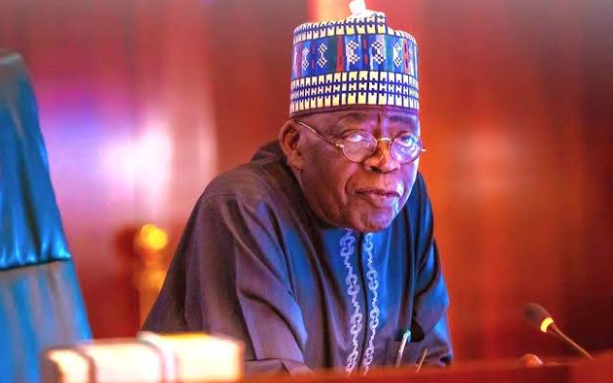
Under the administration of Bola Ahmed Tinubu, Nigeria is navigating difficult economic reforms, inflationary pressures, currency volatility, and structural adjustments. Governing a country of more than 200 million people with diverse ethnic, religious, and economic interests is extraordinarily complex.
Leadership at that scale demands strategic trade-offs, unpopular reforms, and long-term thinking. But governance does not happen in isolation. It reflects the civic culture of the people.
In Nigeria, every hardship is reflexively blamed on “the government.” Rising fuel prices, exchange rate instability, unemployment, insecurity, everything is government. While leadership must absolutely be accountable, the culture of perpetual blame has become a convenient shield against personal responsibility. A democracy cannot outperform the civic character of its citizens.
Who pays bribes to avoid minor penalties? Who sells votes during elections? Who demands public services while evading taxes? Who celebrates unexplained wealth yet condemns corruption in politics?
These contradictions weaken national development. Accountability must flow both upward and downward. Leaders must govern transparently and competently. Citizens must act lawfully, ethically, and productively. When either fails, the nation struggles. When both sides avoid responsibility, progress stalls.
Nigeria’s democratic environment also reflects this tension. Political competition between figures such as Peter Obi and other contenders represents ideological diversity, which is healthy in any democracy.
However, elections should not transform into permanent hostility. A nation cannot remain in endless campaign mode. Democracy allows competition before the ballot; it demands cooperation after it.
When every policy is filtered through partisan resentment, reform becomes nearly impossible. Investors hesitate. Institutions weaken. Public trust erodes. Democracy requires maturity, and maturity requires restraint.
Reform, especially economic reform, is rarely comfortable. Serious structural change often brings short-term pain before long-term stability.
Related Posts
May Day shock: Workers reject growth narrative, say Africa’s largest economy is leaving millions behind
Labour unions have delivered a stinging rebuke to government claims of economic progress,...
Nigeria’s midfield boost on hold as Ozoh’s clearance delay sparks fresh tension
Nigeria’s plans to strengthen its squad have hit a temporary pause, with promising midfiel...
BREAKING: Abuja peace talks move to end Plateau violence as Nigeria seeks lasting calm
Fresh peace talks in Nigeria’s capital, Abuja, are underway as authorities intensify effor...
Nigeria Sets High-Stakes June 20 Vote Across Six States as Electoral Clock Ticks Toward 2027
Nigeria’s electoral momentum is gathering pace as the Independent National Electoral Commi...
Currency corrections, subsidy removals, fiscal discipline, and institutional restructuring are never immediately popular. Yet no nation has achieved sustainable growth without difficult transitions.
What makes reform harder in Nigeria is not merely policy design, it is civic resistance to discipline. Citizens cannot demand stable electricity while vandalizing infrastructure. They cannot demand a strong currency while undermining productivity. They cannot call for foreign investment while promoting instability. They cannot expect efficient public services while normalizing tax evasion.
National development is not built on emotion. It is built on productivity, institutional reform, discipline, and social trust.
No president, whether Bola Ahmed Tinubu, Peter Obi, or any future leader, can single-handedly transform Nigeria without citizen alignment.
Political leadership can set direction, implement policy, and enforce law. But economic growth ultimately depends on millions of daily decisions made by ordinary citizens: to work honestly, to build ethically, to obey laws voluntarily, and to prioritize national interest over personal gain.
A corrupt society cannot consistently produce incorruptible governance. Systems eventually reflect culture.
Nigeria’s greatest untapped resource is not crude oil. It is civic discipline. When citizens obey laws without coercion, reject corruption even at personal cost, pay taxes responsibly, and reward competence over sentiment, governance improves because incentives change. Politicians respond to the expectations and behaviors of voters.
Nigeria stands at a crossroads. One path continues the cycle of blame, outrage, and partisan hostility. The other path demands sober self-examination and shared sacrifice.
A strong nation requires leaders who govern with courage and transparency, but it also requires citizens who practice responsibility and restraint.
Nigeria’s future will not be decided solely in Aso Rock. It will be shaped in markets, classrooms, businesses, homes, and polling units, where everyday Nigerians either reinforce dysfunction or cultivate discipline.
The era of blaming presidents as a national pastime must end. If Nigeria is to achieve stability, prosperity, and global respect, responsibility must become patriotic. And that responsibility belongs to every Nigerian.
Related Posts
Uchechi Okporie
Apr 30, 2026
Power Struggle in Northern Nigeria: Ilorin Emirate Faces Backlash Over Senatorial Endorsement
A growing political storm is unfolding in Nigeria’s Kwara State as a civic group openly challenges the Ilorin Emirate’s endorsement of Senator Saliu Mustapha, raising fresh concerns about the intersection of traditional authority and democratic choice.
Uchechi Okporie
Apr 30, 2026
BREAKING: Nigeria’s Power Crisis Boils As Tinubu Picks New Minister in Urgent Reset
Nigeria’s fragile electricity sector has entered a new phase of uncertainty and expectation after President Bola Ahmed Tinubu moved quickly to replace outgoing power chief Adebayo Adelabu, nominating Tegbe to take charge of the country’s troubled energy system.
Uchechi Okporie
Apr 30, 2026
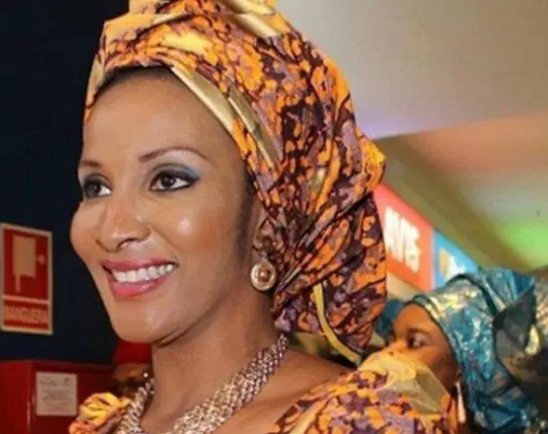
BREAKING: Africa Watches As President Tinubu Hands Nigeria’s Global Diplomacy To Bianca Odumegwu-Ojukwu
Nigeria has triggered a major diplomatic shift after President Bola Ahmed Tinubu appointed Bianca Odumegwu-Ojukwu as the country’s new Minister of Foreign Affairs, a move already drawing attention across Africa and beyond.
Uchechi Okporie
Apr 30, 2026
Nigerian University Records Explosive Growth as Student Population Hits 15,000 in Three Years
The University of Ilesa (UNILESA) has recorded a rapid transformation in Nigeria’s higher education landscape, as its student population rises to 15,000 within just three years of establishment, marking one of the fastest institutional expansions in recent academic history.
Uchechi Okporie
Apr 30, 2026
Broken Systems, Broken Results: Dafinone Diagnoses Nigeria’s Development Crisis
Senator Ede Dafinone has urged Nigerian youths to embrace discipline, innovation, and institution-building to drive sustainable development, warning that the nation risks squandering its vast potential without translating capacity into productivity.
Uchechi Okporie
Apr 29, 2026
Nigeria records 15.6% year-on-year drop in petrol prices as energy relief emerges – NBS
Next Africa Daily reports that Nigeria has recorded a 15.6% year-on-year decline in petrol prices, according to new data released by the National Bureau of Statistics (NBS), marking a significant shift in the country’s energy cost trend.
Uchechi Okporie
Apr 29, 2026
Tragedy in Ondo: 20-year-old polytechnic student reported dead in suspected suicide case
Ondo State is in mourning following the death of a 20-year-old polytechnic student, who was found dead in what authorities are treating as a suspected suicide case.

Admin User
Apr 29, 2026
NASS Members Jittery as Governors Move to Dictate Candidates, Block Rivals, Hijack APC Tickets
The All Progressives Congress (APC) has quietly altered its 2027 election timetable after internal concerns that governors were moving to dominate the nomination process, particularly for National Assembly seats.
Trending
Apr 28, 2026
Africa Outraged as Two Nigerians Killed in South Africa, Abuja Demands Urgent Justice
Uchechi Okporie
Apr 27, 2026
Senator Natasha Declares for 2027 Kogi Central Senatorial Race, Says Her Endorsement Overwhelming
Admin User
Apr 27, 2026
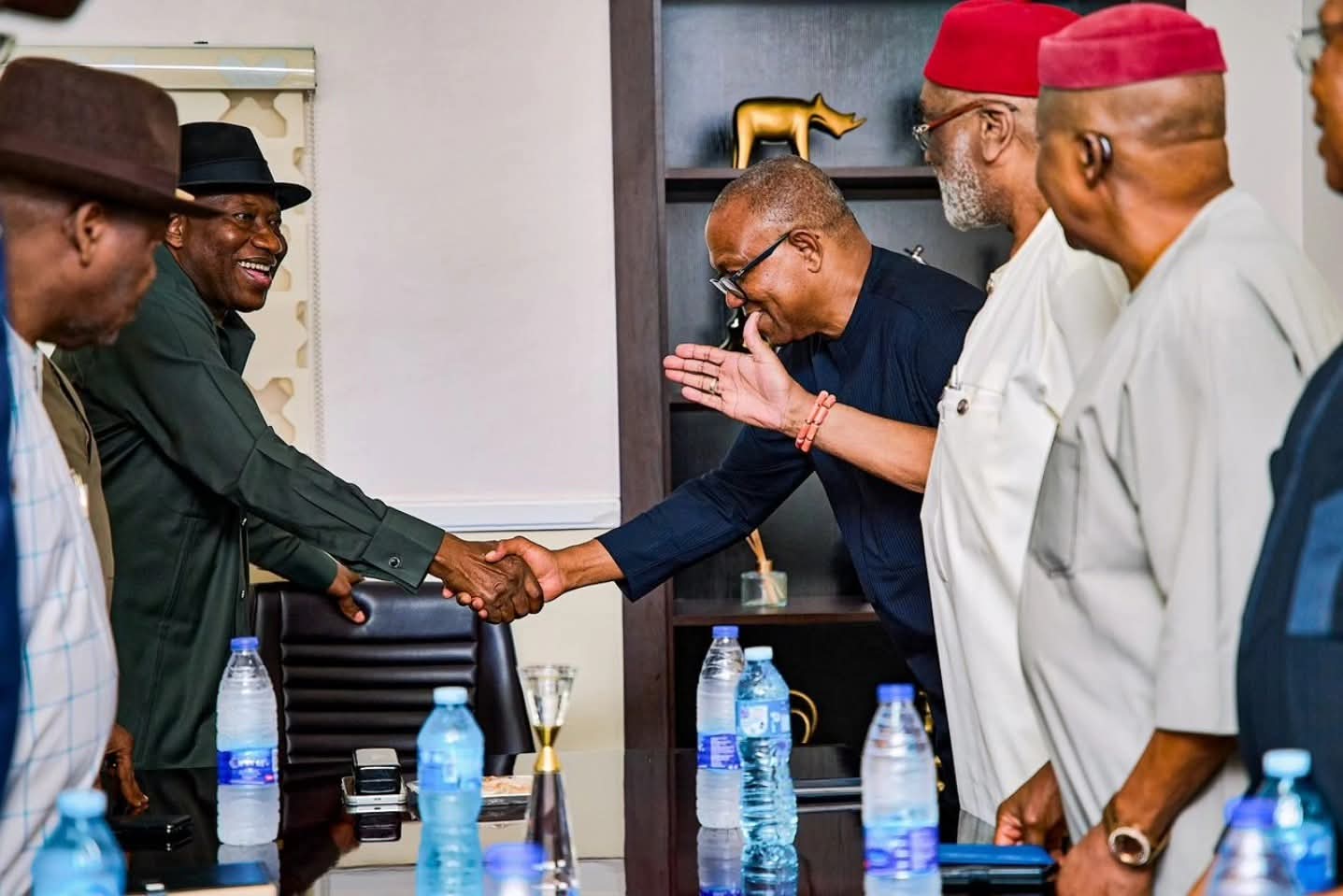
What We Discussed in Our Meeting With Jonathan - Obi Reveals in Explosive Statement
Uchechi Okporie
Apr 28, 2026
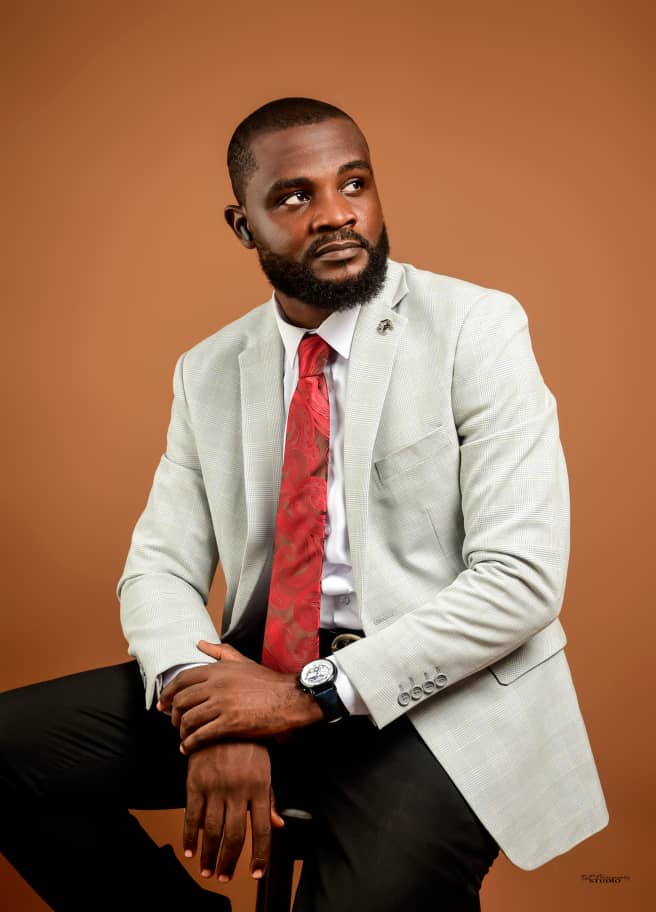
A Tall Ambition: Delta Councilor Purchases Expression of Interest Forms to Represent Ndokwa/Ukwuani in House of Reps
Admin User
Apr 29, 2026
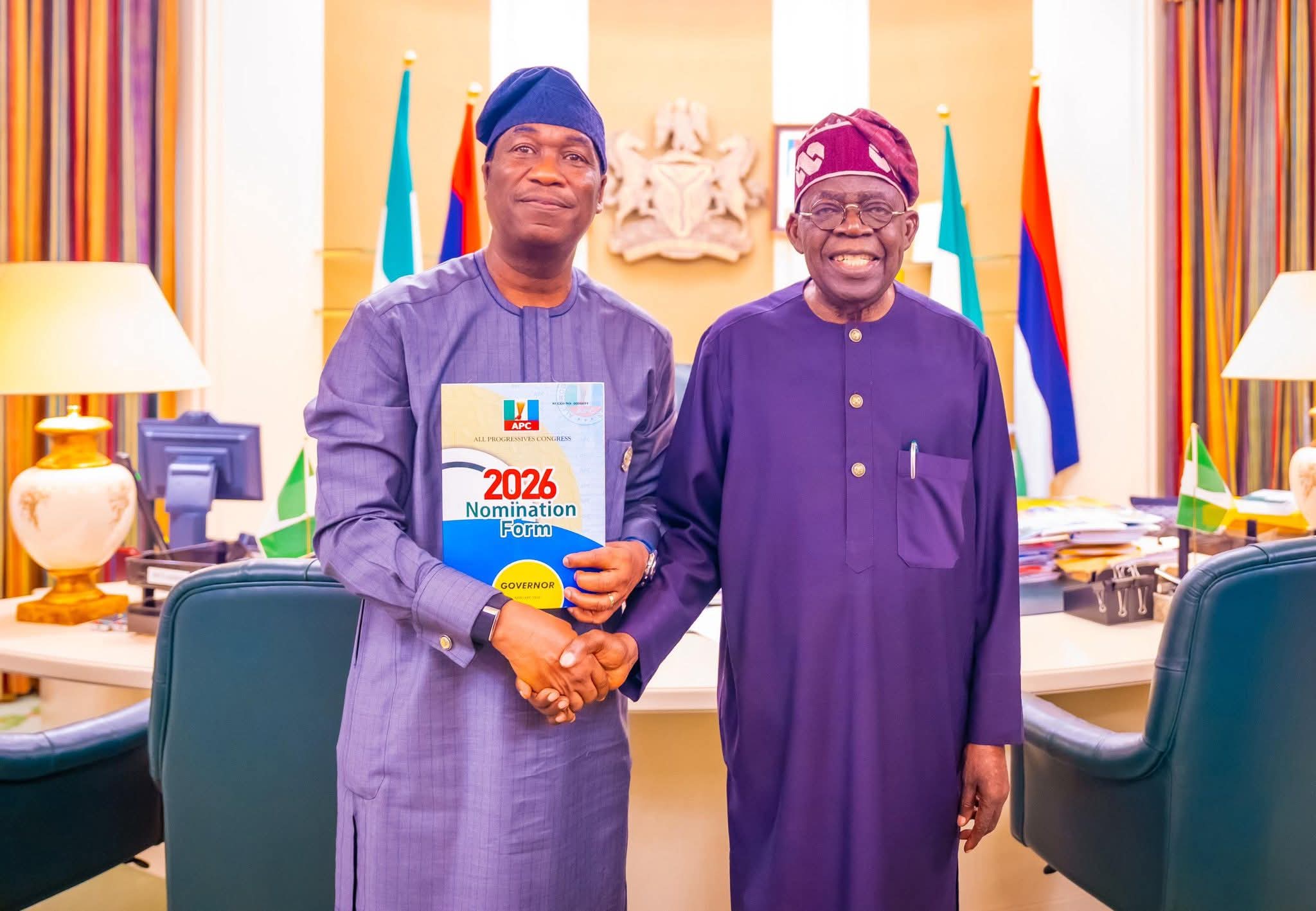
BREAKING: Tinubu Endorses First Governorship Candidate for 2027 General Election
Uchechi Okporie
Apr 26, 2026
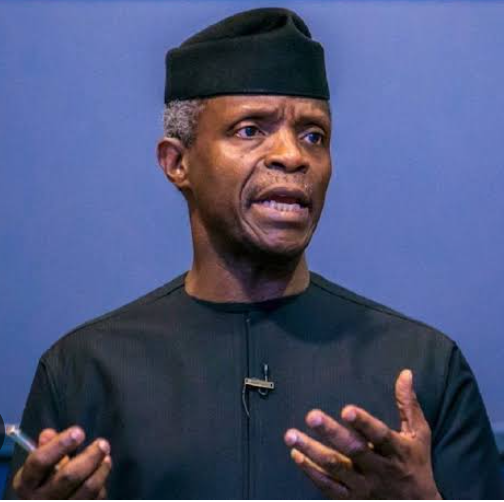
AFRICA DIVIDED: Osinbajo and Gospel Singer Lock Horns in Viral Faith War
Uchechi Okporie
Apr 25, 2026
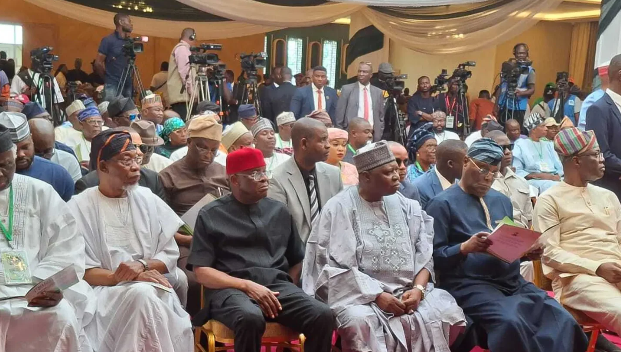
Africa Political Shockwave: Atiku, Obi, Amaechi Gather in Ibadan as Nigeria’s Opposition Forces Signal Major 2027 Battle
Uchechi Okporie
Apr 27, 2026
From Brothers to Burdens: Why Nigerians Are No Longer Welcome in South Africa, Ghana - The Sad Story
Uchechi Okporie
Apr 26, 2026
BREAKING: Ghana Forces Storm Illegal Mining Stronghold, Destroy Excavators in Major Anti-Galamsey Crackdown
Uchechi Okporie

Apr 26, 2026
Gunfire Panic Rocks White House Dinner as Trump Evacuated in Major Security Scare
Uchechi Okporie
Apr 26, 2026
Nigeria Youths Still Sleepy While Democracy Fights Itself: Who Will Save the Country
Uchechi Okporie
Latest Stories
May 02, 2026
Real Madrid rocked as Dani Carvajal injury blow threatens title push
Uchechi Okporie
May 02, 2026
World cup 2026: Cities, culture and fan zones set to steal the show beyond football
Uchechi Okporie
May 02, 2026
Breaking: Nigeria’s opposition in turmoil as 2027 presidential battle splits ADC wide open
Uchechi Okporie
May 02, 2026
Nigeria declares national emergency as Tinubu moves against surging insecurity and poverty crisis
Uchechi Okporie
May 02, 2026
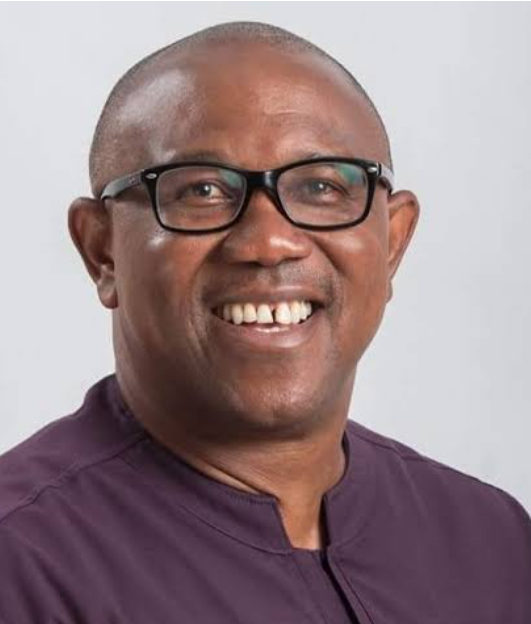
Breaking: Obi’s 2027 ambition under fire as ex-ally declares “he’s going nowhere”
Uchechi Okporie
May 02, 2026
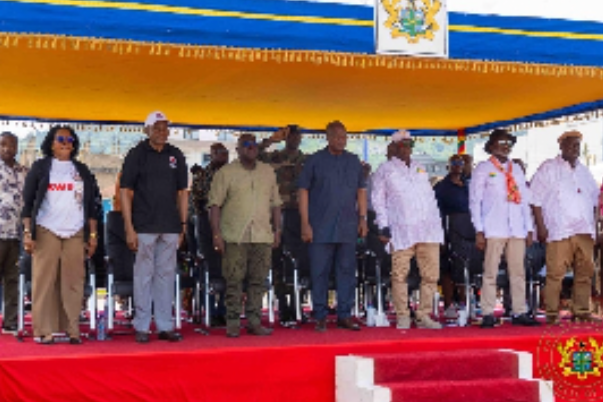
Ghana resets wages: Mahama launches bold public sector pay overhaul and labour reforms
Uchechi Okporie
May 01, 2026
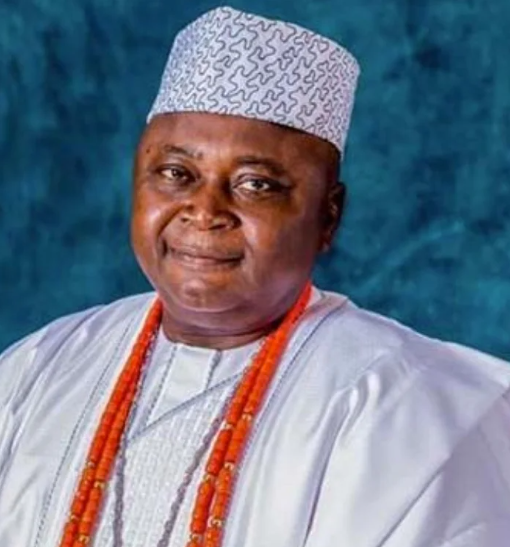
Adebutu storms 2027 Ogun governorship race as PDP realignments begin in South-West Nigeria
Uchechi Okporie
May 01, 2026
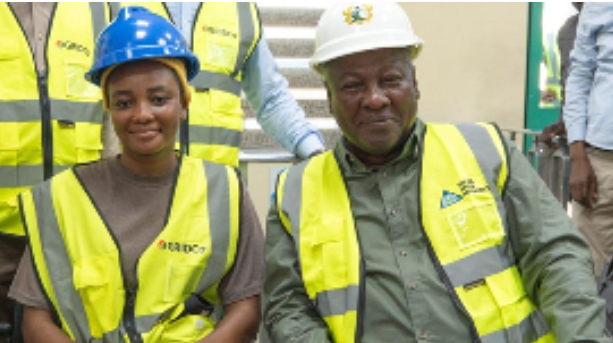
Mahama rewards female hero after swift response to Akosombo fire crisis
Uchechi Okporie
May 01, 2026
May Day shock: Workers reject growth narrative, say Africa’s largest economy is leaving millions behind
Uchechi Okporie
May 01, 2026
South Africa fights xenophobia image as Vusi Thembekwayo sparks continent-wide debate
Uchechi Okporie
May 01, 2026
Nigeria’s midfield boost on hold as Ozoh’s clearance delay sparks fresh tension
Uchechi Okporie