Nigeria confronts South Africa over xenophobia tensions as Abuja warns against humiliation of African migrants
 Uchechi Okporie
May 07, 2026
3 min read
Uchechi Okporie
May 07, 2026
3 min read
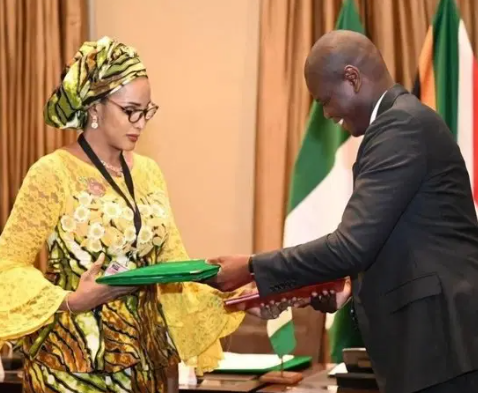
Nigeria’s Federal Government has issued a forceful diplomatic warning to South Africa over renewed allegations of xenophobic harassment, insisting that it will not tolerate the humiliation, intimidation, or reported killings of Nigerian nationals living in the country.
The warning was delivered by the Minister of Foreign Affairs, Bianca Odumegwu-Ojukwu, following a high-level telephone conversation with South Africa’s Foreign Affairs Minister, Ronald Lamola, amid rising tensions triggered by recent anti-migrant protests in parts of South Africa, including demonstrations in Durban.
According to the Nigerian government, the situation has escalated concerns over the safety of Nigerians abroad, prompting urgent discussions on protective measures and possible evacuation options for citizens willing to return home.
Abuja emphasized that safeguarding its nationals remains a top priority as fear spreads among affected communities.
The minister stated that Nigeria “cannot stand by and watch” what it described as systematic harassment and humiliation of its citizens, adding that repeated reports of extra-judicial killings and targeted hostility against foreign Africans are unacceptable and require immediate accountability from South African authorities.
Although the recent protests in Durban reportedly did not turn violent due to heavy security deployment, Nigerian authorities advised citizens to temporarily shut down businesses and remain indoors for safety.
The Nigerian mission in South Africa also issued precautionary alerts to its nationals.
Ojukwu further condemned what she described as inflammatory rhetoric from anti-foreigner political groups in South Africa, warning that such actions risk endangering not only Nigerian lives but also diplomatic and economic interests between both countries.
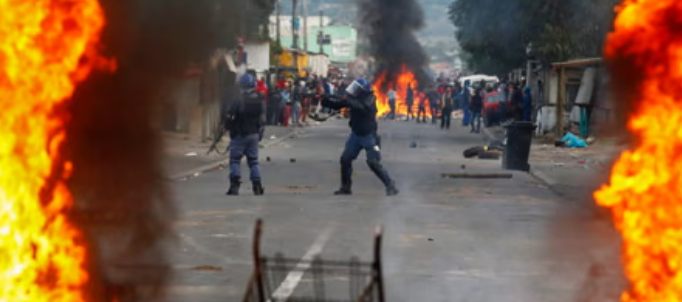
The discussions also extended to reports of bullying of Nigerian children in South African schools, including those of mixed heritage, often referred to as “Sougerians.”
The minister described the situation as disturbing and unacceptable, stressing that children should not be subjected to discrimination in any form.
In response, Lamola reportedly acknowledged South Africa’s responsibility to protect affected communities and assured that education and security authorities are working to discourage discriminatory behaviour.
Both countries also agreed on the need to reduce tensions following earlier condemnations from President Cyril Ramaphosa’s administration.
Ojukwu also raised concerns over whether the situation should be classified as “Afriphobia” rather than xenophobia, arguing that the targeting pattern appears to disproportionately affect black African migrants.
Meanwhile, President Bola Tinubu has directed Nigerian missions in South Africa to establish a crisis notification system for distressed citizens, while advising affected Nigerians to first engage local South African security agencies when threatened.
The latest diplomatic exchange underscores growing pressure on African governments to address recurring migrant tensions and strengthen protections for citizens across borders within the continent.
Key tags: Nigeria–South Africa relations, Xenophobia crisis, African diplomacy
Related Posts
No related posts found.
Trending
Jun 17, 2026
One Big Challenge African Governments Have Continued to Overlook for Years
Uchechi Okporie
Jun 15, 2026
Aniocha/Oshimili Reps: Emergence of Isioma Ndah as NDC Candidate Unsettles Elumelu's Campaign Council
Uchechi Okporie
Jun 15, 2026
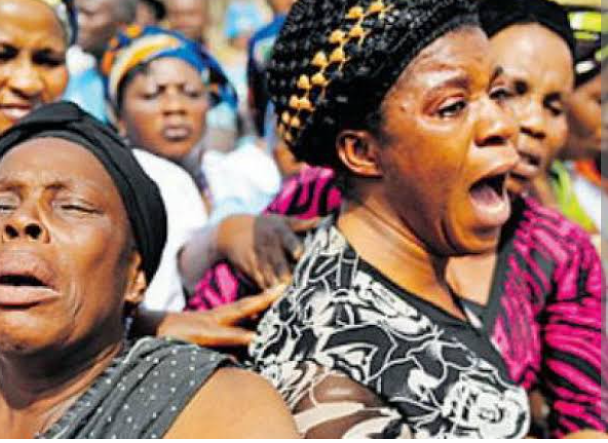
Democracy and the Unanswered Questions of Nigeria's Future
Uchechi Okporie
Jun 17, 2026
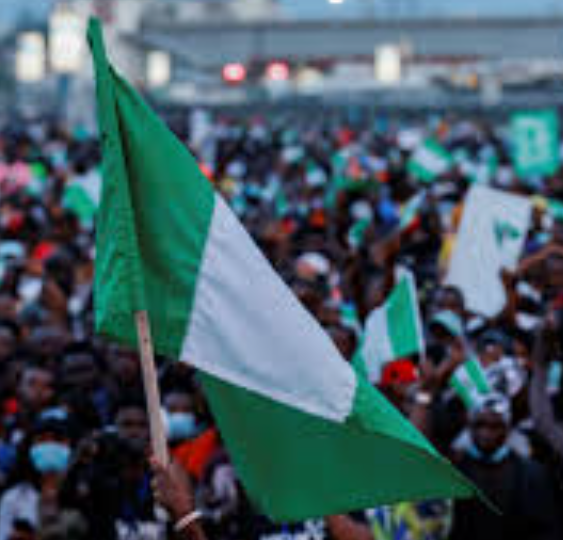
You Won't Understand, The Real Reason Nigeria Is Struggling May Surprise You
Uchechi Okporie

Jun 18, 2026
Beyond the Music: The Hard Truth in African China and Eedris’ Lyrics, Food No Dey! Water No Dey!!
Uchechi Okporie
Jun 21, 2026
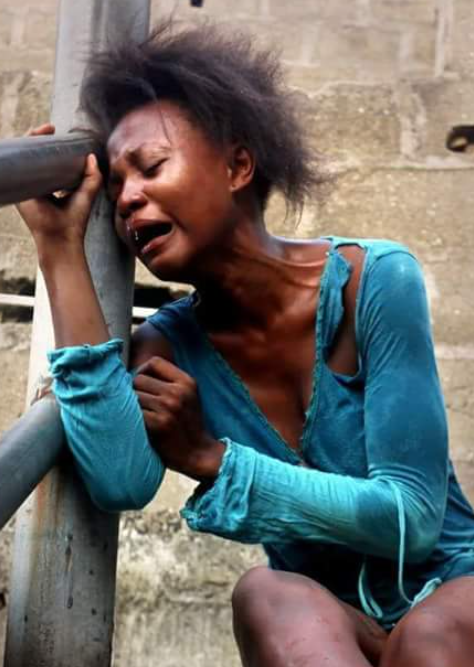
Rising Cost of Living Making Life Difficult, Ebonyi Residents Cry to FG
Uchechi Okporie
Jun 21, 2026
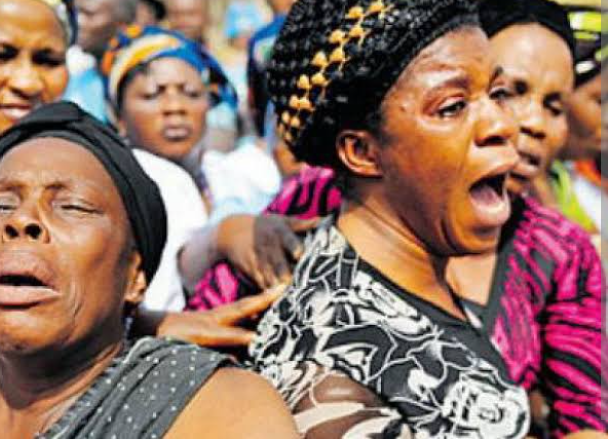
OPINION: Corruption, Poor Leadership, and the Cost to Ordinary Nigerians
Uchechi Okporie
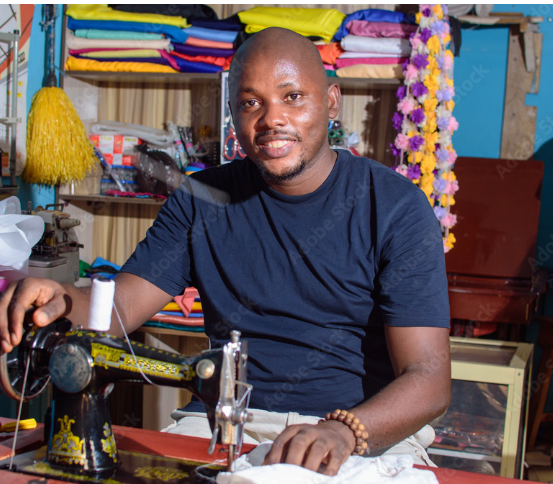
Jun 21, 2026
Fashion designer calls for shift from dependence on white-collar jobs, says skill acquisition has more advantages
Uchechi Okporie
Latest Stories
Jun 21, 2026
Rising Cost of Living Making Life Difficult, Ebonyi Residents Cry to FG
Uchechi Okporie
Jun 21, 2026
Fashion designer calls for shift from dependence on white-collar jobs, says skill acquisition has more advantages
Uchechi Okporie
Jun 21, 2026
OPINION: Corruption, Poor Leadership, and the Cost to Ordinary Nigerians
Uchechi Okporie
Jun 18, 2026
Beyond the Music: The Hard Truth in African China and Eedris’ Lyrics, Food No Dey! Water No Dey!!
Uchechi Okporie
Jun 17, 2026
One Big Challenge African Governments Have Continued to Overlook for Years
Uchechi Okporie
Jun 17, 2026
You Won't Understand, The Real Reason Nigeria Is Struggling May Surprise You
Uchechi Okporie
Jun 15, 2026
Aniocha/Oshimili Reps: Emergence of Isioma Ndah as NDC Candidate Unsettles Elumelu's Campaign Council
Uchechi Okporie
Jun 15, 2026
Democracy and the Unanswered Questions of Nigeria's Future
Uchechi Okporie
Jun 12, 2026
OPINION: Why I Find It Difficult to Celebrate Democracy Day in Nigeria
 Admin User
Jun 12, 2026
EBSU Student Pushes for Electoral Overhaul, Greater Accountability As Nigerians Approach 2027 Elections
Uchechi Okporie
Jun 12, 2026
Why Investors Are Turning Away from Africa’s Biggest Economies
Uchechi Okporie