Iran Guards Block Botswana Vessels, Allow Gabon, South Africa Past Strait of Hormuz as Fragile Ceasefire Persist
 Uchechi Okporie
Apr 10, 2026
3 min read
6 views
Uchechi Okporie
Apr 10, 2026
3 min read
6 views
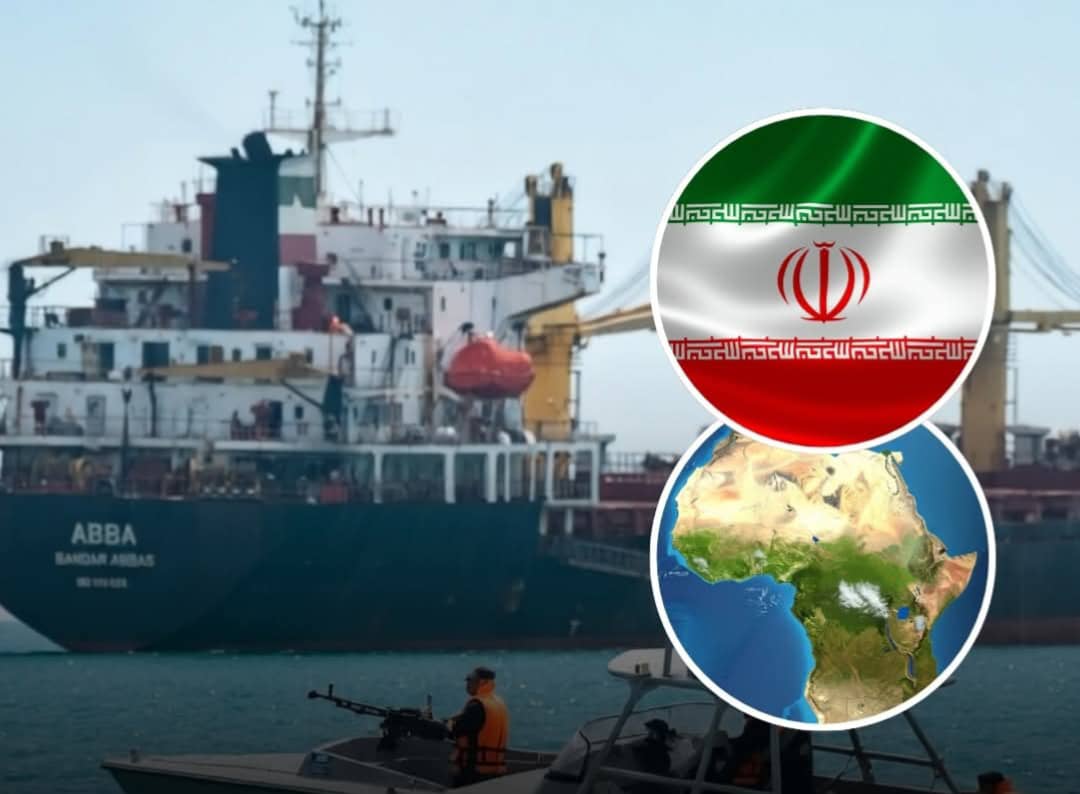
Shipping activity in the strategically vital Strait of Hormuz is showing tentative signs of recovery following a fragile ceasefire between the United States and Iran, with African-linked vessels among the first to cautiously resume transit.
A Gabon-flagged vessel, MSG, has completed what is being described as the first successful passage by a non-Iranian ship since the ceasefire took effect.
The development signals a potential easing of tensions in one of the world’s most critical maritime chokepoints. However, the situation remains volatile.
In contrast, a Botswana-flagged liquefied natural gas (LNG) tanker was reportedly turned back by Iran’s Revolutionary Guard, underscoring the continued uncertainty facing international shipping operators navigating the region.
Iranian authorities have indicated that restrictions are primarily aimed at vessels linked to the United States and Israel.
Officials have suggested that certain countries, including South Africa, could be granted special transit arrangements, hinting at a selective approach to maritime access as diplomatic negotiations continue.
Related Posts
Pakistan to Host U.S.-Iran Talks as Fighting Continues in Lebanon
Pakistan is preparing to host negotiations between the United States and Iran this week, e...
Iran Reels From Devastating War Losses as Military, Infrastructure, Economic Systems Crippled
Iran is grappling with staggering economic and military losses following a six-week war wi...
There are also emerging indications that Iran is considering imposing transit tolls on container ships passing through the strait, a move that could further complicate global trade flows and increase shipping costs.
Despite these developments, overall maritime traffic through the Strait of Hormuz remains significantly below normal levels.
Industry estimates suggest that only a small number of vessels are currently making the passage, while more than 600 ships remain stranded or delayed in surrounding waters.
The Strait of Hormuz is a critical artery for global energy supplies, with a substantial portion of the world’s oil and gas shipments passing through its narrow corridor. Any prolonged disruption is likely to have ripple effects across international markets.
Shipping companies and governments are closely monitoring the situation as they weigh the risks of resuming operations against the backdrop of an uncertain and evolving security environment.
Trending
Mar 11, 2026
President Tinubu’s Ambassadorial Appointees Encounter International Resistance (Shocking Details)
Uchechi Okporie
Mar 26, 2026
U.S. BREAKS RANKS AT U.N., VOTES AGAINST GLOBAL SLAVERY RESOLUTION
Uchechi Okporie

Mar 18, 2026
Nigeria Court Affirms Citizens’ Right to Record Police, Orders Compensation for Rights Violations
Uchechi Okporie

Mar 31, 2026
Aftermath of Kwankwaso Defection: Pressure Mounts on INEC to Destabilise ADC
Uchechi Okporie

Mar 09, 2026
Nwoko, Okowa, Ochei: Three Political Heavyweights as Delta North Weighs Options Ahead of 2027
Uchechi Okporie

Mar 11, 2026
Obi Cubana Breaks Silence on City Boy Movement
Uchechi Okporie
Mar 07, 2026
Peter Obi Breaks Silence on Edo Attack, Warns Political Thugs: “No One Has Monopoly of Violence”
Uchechi Okporie

Mar 14, 2026
African Football Loses Nigeria Legend Henry Nwosu at 61
Uchechi Okporie
Mar 31, 2026
Nigeria Declares Three Senate Seats Vacant, Orders Urgent By-Elections
Uchechi Okporie

Mar 08, 2026
Mockery and Missteps: President Sacks 2 Senior Aides After Embarrassing Error
 Admin User

Mar 11, 2026
Fiery Prophet Foresees Political Assassinations, Military Ambushes in Selected African Countries
Uchechi Okporie
Latest Stories
Apr 10, 2026
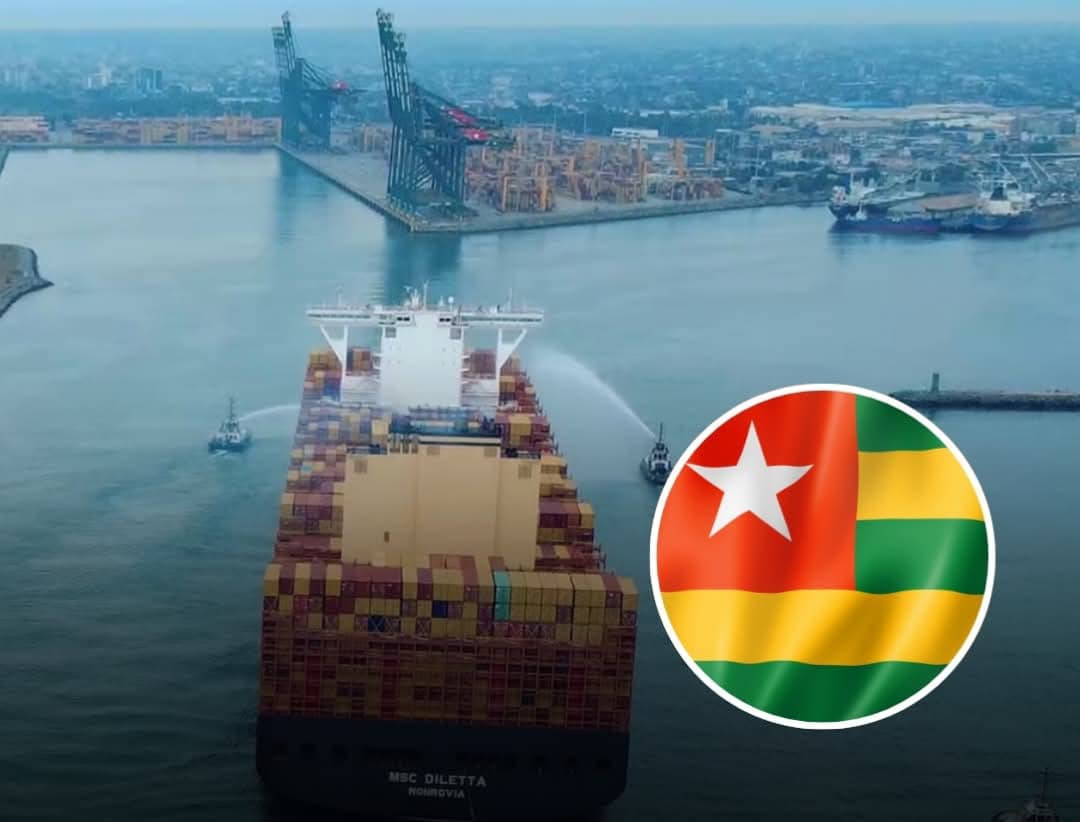
Togo Positions Port of Lomé as Alternative for Global Trade Amid Rising Tensions in Strait of Hormuz
Uchechi Okporie
Apr 10, 2026
Iran Guards Block Botswana Vessels, Allow Gabon, South Africa Past Strait of Hormuz as Fragile Ceasefire Persist
Uchechi Okporie

Apr 10, 2026
Ughelli Reps: Trouble for Waive as His Political Capital, Top Ranking GOs, Archbishops, Bishops, Pastors Disown Him, Move 2027 Support to Ominimini
Uchechi Okporie

Apr 10, 2026
“Former Ghana Finance Minister Ken Ofori-Atta Released from U.S. ICE Custody on $65,000 Bond, Fitted With Electronic Monitor”
Uchechi Okporie

Apr 10, 2026
Oyo Traditional Ruler Threatens Up to 15 Years in Jail as Violent Land Grabbing Erupts Across Rural Communities
Uchechi Okporie
Apr 10, 2026
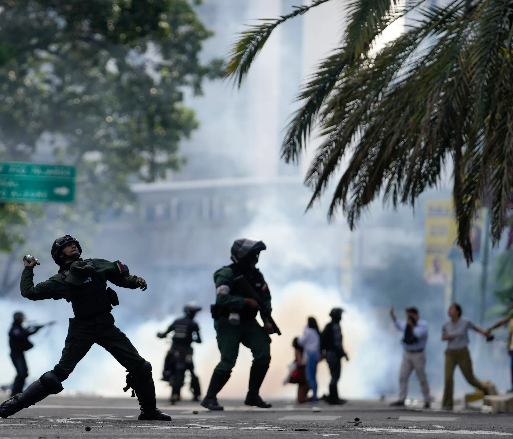
Togo on Edge as Violent Crackdown Deepens Political Rift and Sparks Fears of National Crisis
Uchechi Okporie

Apr 10, 2026
“False Terror Alert Sweeps Abuja: Police Move Fast, Arrest Originator”
Uchechi Okporie
Apr 10, 2026
Pakistan to Host U.S.-Iran Talks as Fighting Continues in Lebanon
Uchechi Okporie
Apr 10, 2026
Nigerian Opposition Party Sues Electoral Body in High-Stakes Battle Over Executive Recognition
Uchechi Okporie
Apr 10, 2026
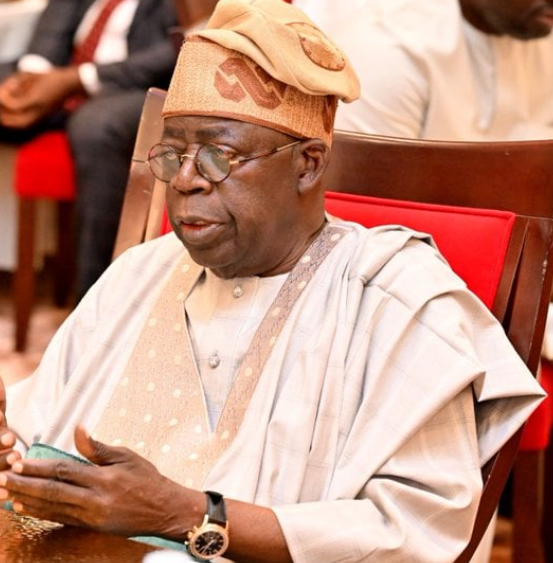
BREAKING NEWS: Nigerian President Honors Soldiers Killed in Borno Attack
Uchechi Okporie
Apr 10, 2026
Iran Reels From Devastating War Losses as Military, Infrastructure, Economic Systems Crippled
Admin User