Togo Positions Port of Lomé as Alternative for Global Trade Amid Rising Tensions in Strait of Hormuz
 Uchechi Okporie
Apr 10, 2026
3 min read
9 views
Uchechi Okporie
Apr 10, 2026
3 min read
9 views
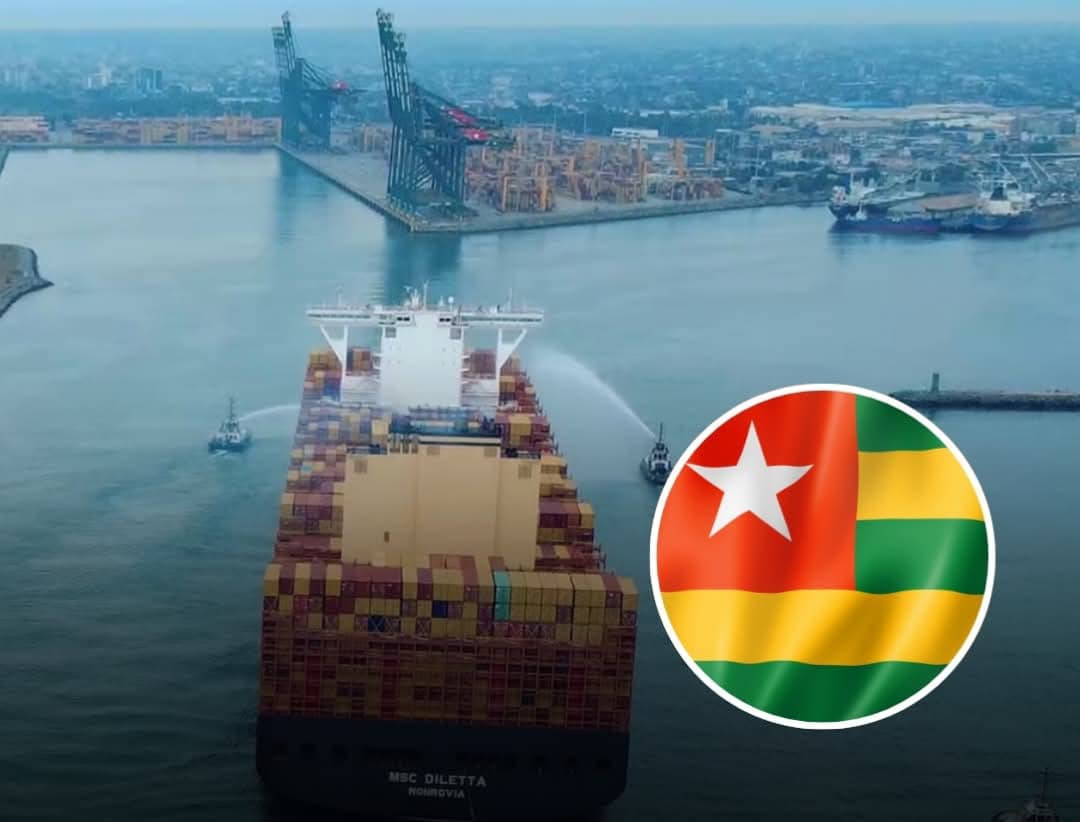
Modernized West African hub emerges as strategic alternative as disruptions in key global shipping routes intensify
Togo is stepping into the spotlight of global logistics, unveiling an ambitious strategy to transform the Port of Lomé into a secure, reliable, and competitive hub for international trade.
The move comes at a critical time when geopolitical tensions are disrupting major shipping corridors, particularly in the Strait of Hormuz, sending shockwaves through global supply chains.
In recent months, instability in the Middle East has heightened risks for vessels navigating the Strait of Hormuz—one of the world’s most vital oil transit chokepoints.
Shipping companies have reported increased insurance premiums, rerouting costs, and delays, all of which have contributed to rising global commodity prices and uncertainty in energy markets.
Against this backdrop, Togo’s Minister of Maritime Economy has emphasized the country’s proactive efforts to position the Port of Lomé as a dependable alternative.
Speaking at a recent maritime summit, the minister highlighted extensive modernization projects that have significantly upgraded the port’s infrastructure, security systems, and cargo-handling capacity.
“The Port of Lomé is now equipped to accommodate large-scale international shipping traffic with efficiency and safety,” the minister stated. “Our goal is to provide a stable gateway for trade, especially as traditional routes face increasing volatility.
Related Posts
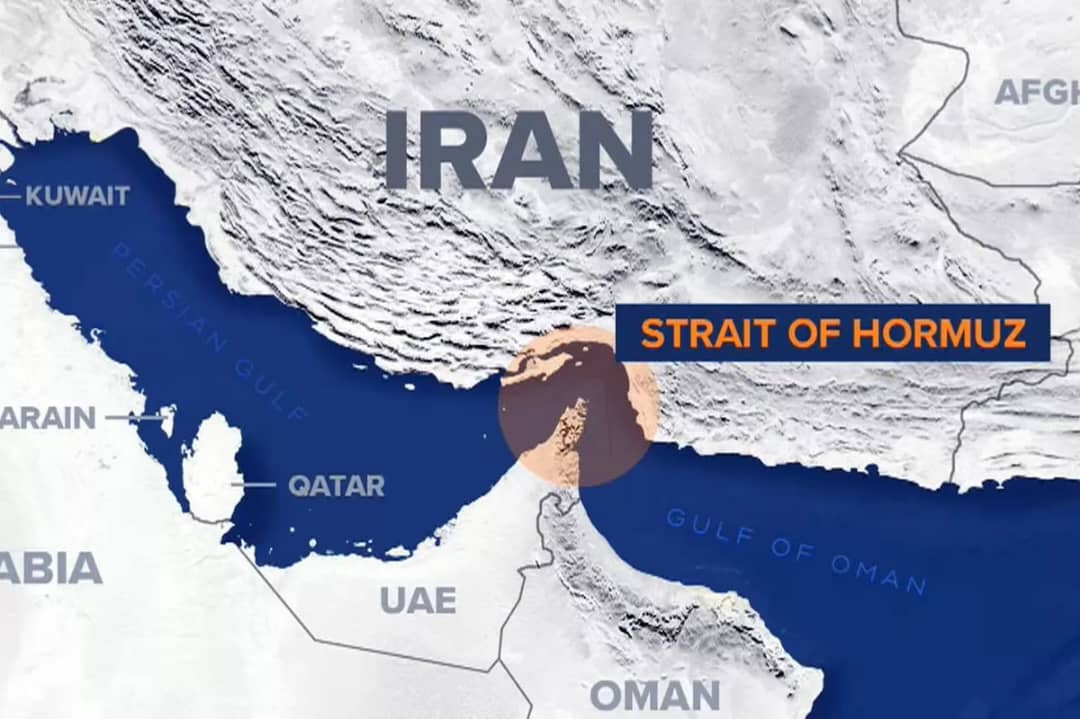
Why the Strait of Hormuz Matters to the World Economy: What's it all about
The Strait of Hormuz is one of the most strategically important waterways in the world, se...
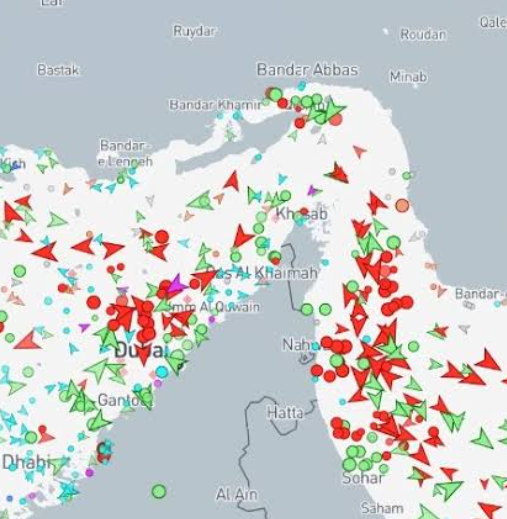
Tensions Peak as Iran Tightens Grip on Strait of Hormuz, the Global Energy Chokepoint
The Strait of Hormuz, a narrow but critically important maritime corridor linking the Pers...
The port, already one of West Africa’s busiest deep-water facilities, has undergone major expansions, including the installation of advanced container terminals, digital tracking systems, and reinforced maritime security protocols.
These upgrades have enhanced its ability to handle higher cargo volumes while minimizing turnaround times for vessels.
Industry analysts note that Lomé’s geographic advantage, situated along the Gulf of Guinea with direct access to both West African markets and transatlantic routes, positions it uniquely as a redistribution hub for goods moving between Africa, Asia, and beyond.
By offering an alternative pathway that avoids high-risk zones such as the Strait of Hormuz and the congested Suez Canal, the port is attracting growing interest from international shipping lines and logistics firms.
Shipping executives have begun exploring new routing strategies that incorporate Lomé as a central node, particularly for cargo destined for sub-Saharan Africa.
Some experts suggest that if instability persists in traditional corridors, Lomé could see a significant surge in traffic, reshaping regional trade dynamics. However, challenges remain.
Security concerns in the Gulf of Guinea, competition from established ports, and the need for continued investment in inland transport infrastructure are factors that could influence Lomé’s long-term success. Still, Togo’s government appears determined to capitalize on the shifting landscape.
As global trade adapts to an era of uncertainty, the Port of Lomé is emerging as a symbol of resilience and strategic foresight—offering a potential lifeline for supply chains navigating an increasingly complex maritime environment
Trending
Mar 11, 2026
President Tinubu’s Ambassadorial Appointees Encounter International Resistance (Shocking Details)
Uchechi Okporie
Mar 26, 2026
U.S. BREAKS RANKS AT U.N., VOTES AGAINST GLOBAL SLAVERY RESOLUTION
Uchechi Okporie

Mar 18, 2026
Nigeria Court Affirms Citizens’ Right to Record Police, Orders Compensation for Rights Violations
Uchechi Okporie
Mar 31, 2026
Aftermath of Kwankwaso Defection: Pressure Mounts on INEC to Destabilise ADC
Uchechi Okporie

Mar 09, 2026
Nwoko, Okowa, Ochei: Three Political Heavyweights as Delta North Weighs Options Ahead of 2027
Uchechi Okporie

Mar 11, 2026
Obi Cubana Breaks Silence on City Boy Movement
Uchechi Okporie
Mar 07, 2026
Peter Obi Breaks Silence on Edo Attack, Warns Political Thugs: “No One Has Monopoly of Violence”
Uchechi Okporie

Mar 14, 2026
African Football Loses Nigeria Legend Henry Nwosu at 61
Uchechi Okporie
Mar 31, 2026
Nigeria Declares Three Senate Seats Vacant, Orders Urgent By-Elections
Uchechi Okporie

Mar 08, 2026
Mockery and Missteps: President Sacks 2 Senior Aides After Embarrassing Error
 Admin User
Mar 11, 2026
Fiery Prophet Foresees Political Assassinations, Military Ambushes in Selected African Countries
Uchechi Okporie
Latest Stories
Apr 10, 2026
Togo Positions Port of Lomé as Alternative for Global Trade Amid Rising Tensions in Strait of Hormuz
Uchechi Okporie
Apr 10, 2026
Iran Guards Block Botswana Vessels, Allow Gabon, South Africa Past Strait of Hormuz as Fragile Ceasefire Persist
Uchechi Okporie

Apr 10, 2026
Ughelli Reps: Trouble for Waive as His Political Capital, Top Ranking GOs, Archbishops, Bishops, Pastors Disown Him, Move 2027 Support to Ominimini
Uchechi Okporie

Apr 10, 2026
“Former Ghana Finance Minister Ken Ofori-Atta Released from U.S. ICE Custody on $65,000 Bond, Fitted With Electronic Monitor”
Uchechi Okporie

Apr 10, 2026
Oyo Traditional Ruler Threatens Up to 15 Years in Jail as Violent Land Grabbing Erupts Across Rural Communities
Uchechi Okporie
Apr 10, 2026
Togo on Edge as Violent Crackdown Deepens Political Rift and Sparks Fears of National Crisis
Uchechi Okporie

Apr 10, 2026
“False Terror Alert Sweeps Abuja: Police Move Fast, Arrest Originator”
Uchechi Okporie
Apr 10, 2026
Pakistan to Host U.S.-Iran Talks as Fighting Continues in Lebanon
Uchechi Okporie
Apr 10, 2026
Nigerian Opposition Party Sues Electoral Body in High-Stakes Battle Over Executive Recognition
Uchechi Okporie
Apr 10, 2026
BREAKING NEWS: Nigerian President Honors Soldiers Killed in Borno Attack
Uchechi Okporie
Apr 10, 2026
Iran Reels From Devastating War Losses as Military, Infrastructure, Economic Systems Crippled
Admin User