Tensions Peak as Iran Tightens Grip on Strait of Hormuz, the Global Energy Chokepoint
 Uchechi Okporie
Apr 06, 2026
3 min read
Uchechi Okporie
Apr 06, 2026
3 min read
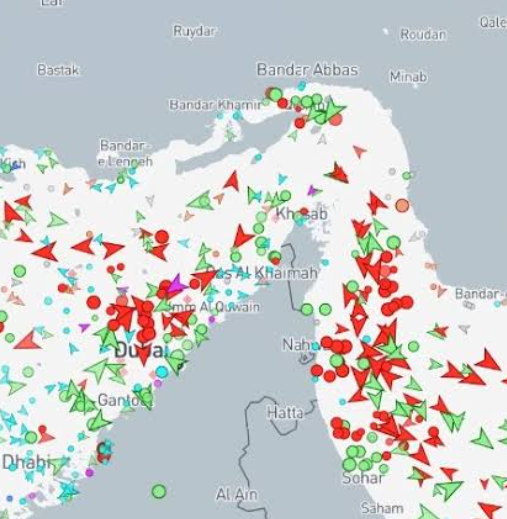
The Strait of Hormuz, a narrow but critically important maritime corridor linking the Persian Gulf to the Gulf of Oman, has become the focal point of escalating geopolitical tension, with Iran signaling that the waterway may never return to its pre-war operational status.
In a statement posted Monday on X (formerly Twitter), Iran’s naval command declared that the strategic passage, through which roughly a fifth of the world’s oil supply typically flows, will undergo permanent transformation.
The message, attributed to the Islamic Revolutionary Guard Corps Navy, indicated that preparations are underway to establish what it described as a “new order” in the Gulf, one that would significantly alter transit conditions, particularly for vessels linked to the United States and Israel.
The Strait of Hormuz is only about 33 kilometers (21 miles) wide at its narrowest point, with designated shipping lanes even tighter, making it one of the world’s most vulnerable energy chokepoints. Any disruption there has immediate ripple effects across global oil markets, shipping insurance costs, and energy security calculations for major economies.
Tensions escalated further following comments from Seyyed Mohammad Mehdi Tabatabaei, who responded to threats from Donald Trump regarding reopening the strait.
Tabatabaei stated that Iran would only fully restore access after war-related damages are compensated, potentially through transit toll revenues imposed on vessels passing through the strait. He also criticized Trump’s rhetoric, characterizing it as reactionary and unfounded.
In practice, Iran has already begun reshaping access to the waterway. Select non-Iranian vessels are being allowed to pass, but under strict controls and, in some cases, substantial transit fees reportedly reaching into the millions of dollars.
This marks a significant departure from the strait’s historical status as an open international shipping lane under customary maritime norms.
Related Posts
Togo Positions Port of Lomé as Alternative for Global Trade Amid Rising Tensions in Strait of Hormuz
Modernized West African hub emerges as strategic alternative as disruptions in key global...
Iran Guards Block Botswana Vessels, Allow Gabon, South Africa Past Strait of Hormuz as Fragile Ceasefire Persist
Shipping activity in the strategically vital Strait of Hormuz is showing tentative signs o...
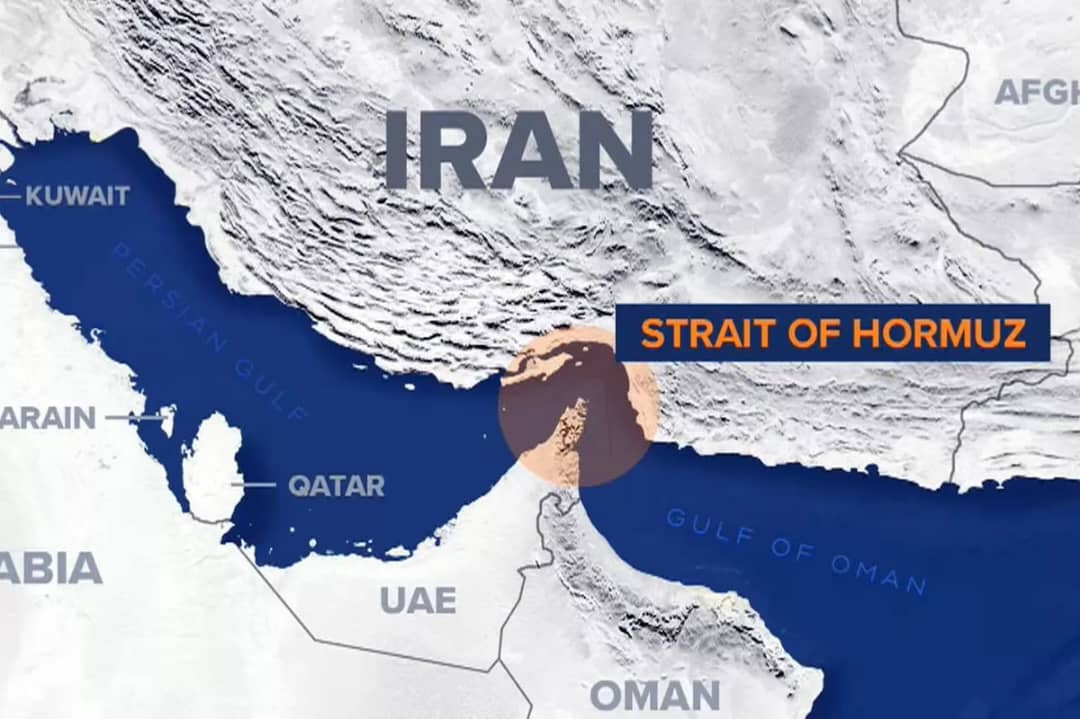
Why the Strait of Hormuz Matters to the World Economy: What's it all about
The Strait of Hormuz is one of the most strategically important waterways in the world, se...
Meanwhile, regional oil logistics are adjusting to the evolving situation. Iraq’s state oil marketer, State Organization for Marketing of Oil (SOMO),has urged clients to urgently submit crude lifting schedules to maintain export continuity.
This follows indications that Iran may be granting Iraq limited exemptions from transit restrictions, an important development given Iraq’s reliance on Gulf export routes via terminals such as Basrah.
SOMO emphasized that its export infrastructure remains fully operational and capable of meeting contractual obligations.
However, the uncertainty surrounding maritime security in the Gulf persists.
Even if oil is available for export, tanker operators and insurers may be reluctant to enter a conflict-affected zone where military escalation remains ongoing.
For global markets, the stakes are high. Any sustained disruption in the Strait of Hormuz could constrain supply from major OPEC producers, drive up oil prices, and force alternative routing strategies that are significantly more expensive and time-consuming.
The situation remains fluid, with the long-term status of this critical chokepoint now deeply entangled in regional conflict dynamics.
Related Posts
No related posts found.
Trending
May 19, 2026
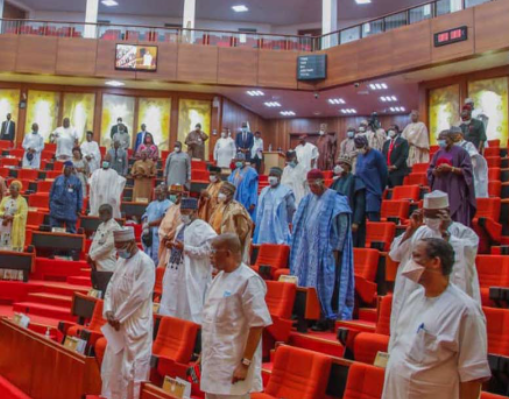
BREAKING: APC bloodbath rocks Nigeria as governors seize Senate tickets and political titans suffer humiliating collapse ahead of 2027 war
Uchechi Okporie
May 19, 2026
Tension Rises as APC Headquarters Disowns Purported Senatorial Primary Results, Says Unauthorized Announcement Violates NWC Directive
Uchechi Okporie
May 20, 2026
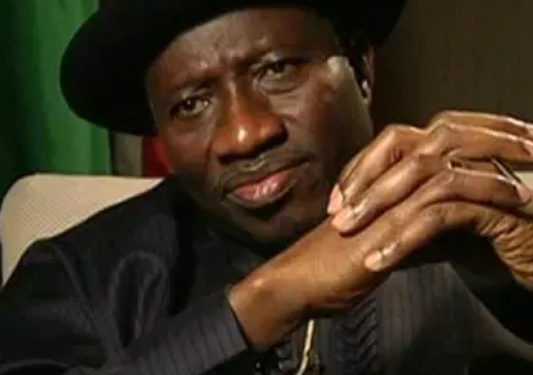
BREAKING: Jonathan Secures Historic PDP Waiver as Turaki Power Bloc Unifies Behind Him, Clearing Path to Near-Uncontested 2027 Presidential Run
Uchechi Okporie

May 16, 2026
BREAKING: Political Shockwaves Across Nigeria as 30-Year-Old Kaduna Aspirant Withdraws From Parliament Race Amid Explosive Age Eligibility Crisis
Uchechi Okporie
May 19, 2026
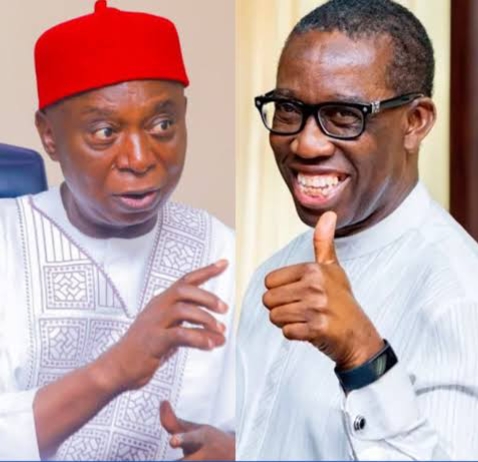
Delta APC Primary Crisis Deepens as Ned Nwoko's Camp Demands Okowa’s Disqualification Over Violation of NWC Directives
Uchechi Okporie

May 17, 2026
Deadly Chaos Erupts Inside Nigeria’s Ruling Party as APC Primary Election Violence Claims Life in Plateau, Raising Fresh Fears Ahead of 2027 Power Battle
Uchechi Okporie
May 19, 2026
BREAKING: Fierce Delta North APC battle deepens as Ned Nwoko declares commanding primary victory, dismisses fake results and renews Anioma State mission
Uchechi Okporie
May 17, 2026
BREAKING: Diaspora Group Erupts Over “Disrespect” to Goodluck Jonathan, Fires Warning at VeryDarkMan Amid 2027 Political Tension
Uchechi Okporie
May 18, 2026
Breaking News: Nigeria’s ruling APC throws 47 senatorial aspirants out of 2027 race in dramatic political crackdown
Uchechi Okporie
May 16, 2026
Nigeria’s South-South Political Rift Deepens as Fierce Battle Over “Consensus” Threatens Regional Unity Ahead of 2027 Elections
Uchechi Okporie
May 17, 2026
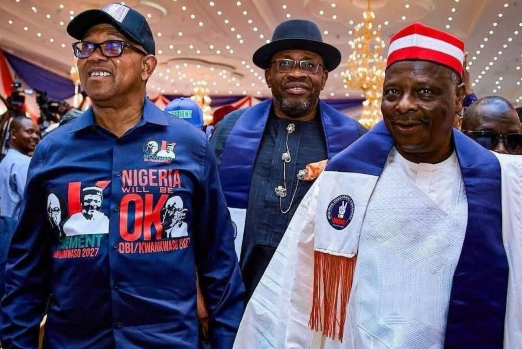
Breaking: Political Earthquake Brewing in Nigeria as Obidient and Kwankwasiyya Forces Raise Massive ₦60 Million Campaign War Chest Ahead of Explosive 2027 Power Battle
Uchechi Okporie
Latest Stories
May 21, 2026
Delta North APC Primaries Heavily Rigged, Results Fabricated, Votes Far Exceeded Number of Registered Members - Group Reveals
 Admin User
May 21, 2026
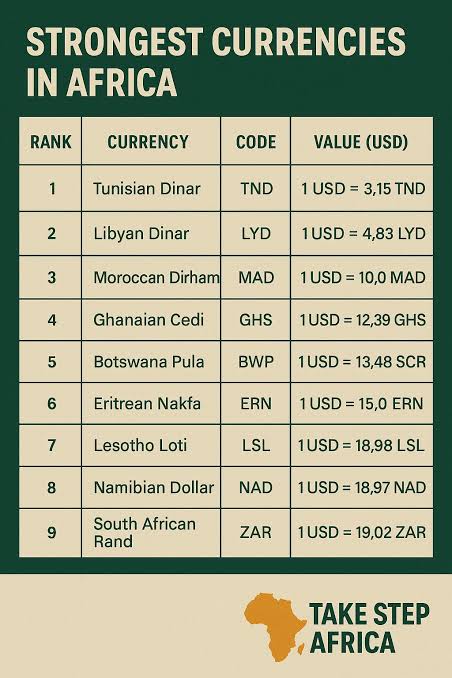
Explainer: Why African Currencies Keep Losing Value Against The Dollar
Admin User
May 21, 2026
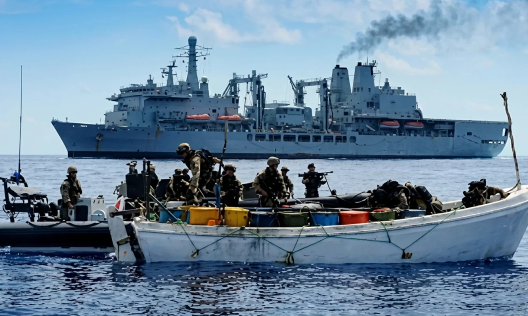
Nigeria unleashes 492 deep blue commandos in full-scale maritime crackdown to dismantle piracy empires across bakassi and gulf of guinea waters
Uchechi Okporie
May 21, 2026
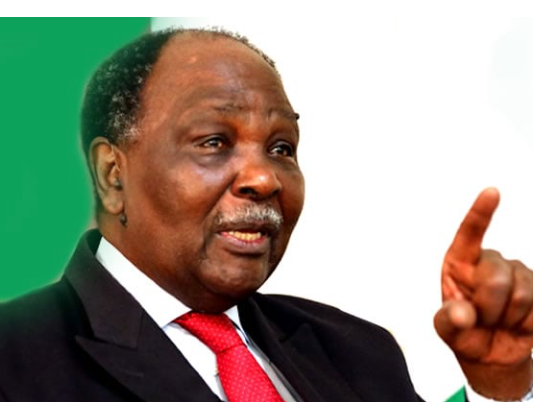
Aburi accord bombshell: Gowon reignites explosive claim that Ojukwu derailed final peace deal as Nigeria slipped into civil war amid collapsed negotiations
Uchechi Okporie
May 21, 2026
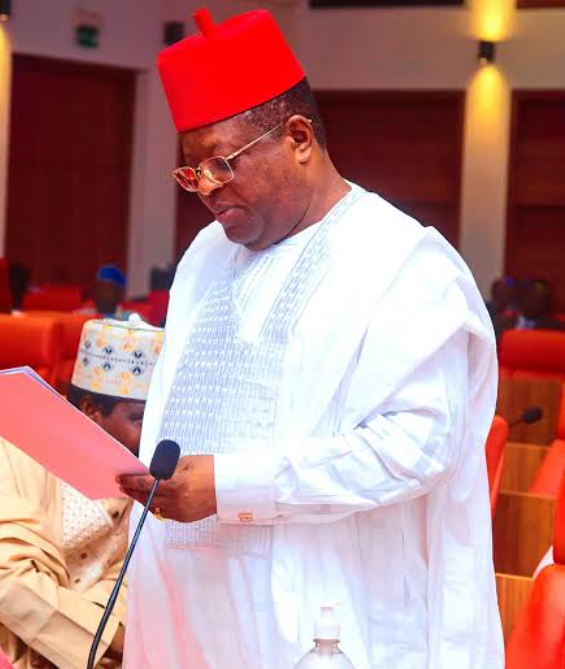
Umahi storms political stage, declares overwhelming Tinubu victory as Ebonyi eyes 95% vote landslide in 2027
Uchechi Okporie

May 21, 2026
BREAKING : Lagos Assembly Spokesperson Ogundipe Wins APC Ticket for Second Term, Vows Inclusive Representation
Chineye Egesi

May 21, 2026
Unanimous Endorsement: Governor Radda Clinches APC Consensus Ticket for Katsina 2027
Chineye Egesi
May 21, 2026
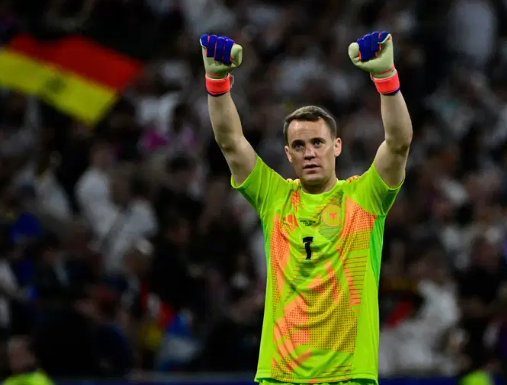
BREAKING: Germany trigger worldwide football explosion as legendary Neuer returns for make-or-break World Cup war
Uchechi Okporie
May 21, 2026
Kwara APC Governorship Primary Suddenly Postponed a Day After Scheduled Date
Chineye Egesi

May 21, 2026
Benue at a Crossroads: APC Aspirant Kuraun Blames Decades of Failed Leadership for State’s Crisis
Chineye Egesi
May 21, 2026
Kefas hails flawless APC primaries in Taraba, calls peaceful process a turning point for political stability
Uchechi Okporie