China Joins South Africa in High-Stakes ICJ Case Accusing Israel of Genocide
 Uchechi Okporie
Apr 05, 2026
3 min read
Uchechi Okporie
Apr 05, 2026
3 min read
China Joins South Africa in High-Stakes ICJ Case Accusing Israel of Genocide
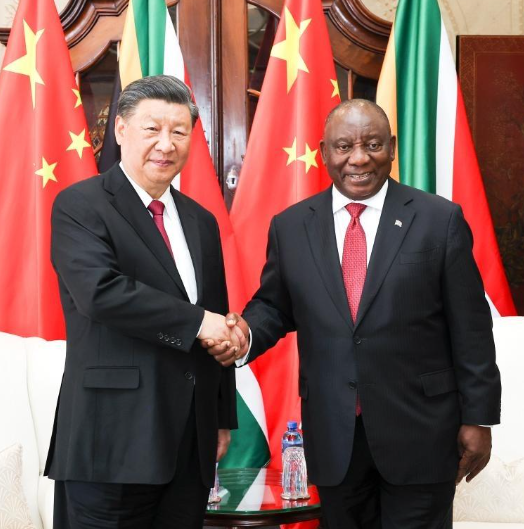
China’s decision to formally support South Africa in its case against Israel at the International Court of Justice marks a significant development in an already high-profile and politically sensitive legal battle.
The case, initiated by South Africa, accuses Israel of violating the Genocide Convention in relation to its military operations in Gaza. The proceedings are being heard at the International Court of Justice, the highest court of the United Nations for resolving disputes between states.
From the outset, China had indicated support for South Africa’s position, aligning with calls for greater scrutiny of Israel’s actions. By formally joining the case as an intervener in early 2026, China has moved beyond diplomatic signaling into direct legal participation.
This status allows it to present legal arguments and interpretations of international law, particularly concerning the application of the Genocide Convention.
South Africa initially filed its case in late 2024, submitting extensive documentation and evidence intended to demonstrate patterns of conduct that it argues amount to genocidal acts or intent. Israel, for its part, has strongly rejected the allegations, maintaining that its actions in Gaza are acts of self-defense and comply with international law.
In March 2026, Israel submitted its formal response to the court, contesting both the legal basis and factual claims presented by South Africa.
China’s intervention is widely viewed as adding considerable geopolitical and legal weight to the proceedings.
Related Posts
From Defense Chiefs to Convicts: China Sentences Ex-Ministers to Death in Explosive Corruption Probe
China’s military court has sentenced two former Chinese defense ministers, Li Shangfu and...
France–South Africa Diplomatic Spotlight: High-Stakes State Visit Now Rests in Presidents’ Hands
A potential state visit between France and South Africa has moved into a decisive phase, w...
South Africa Faces Malaria Surge: Gauteng Reports 414 Cases and 11 Deaths Following Extreme Wet Weather
Health authorities in Gauteng have raised alarm after the province recorded 414 malaria ca...

Shock in Africa: Ghanaian Man Speaks After Alleged Xenophobic Attack in South Africa Sparks Continental Outrage
A Ghanaian man has spoken out after reportedly being attacked in South Africa in an incide...
As a permanent member of the United Nations Security Council, China’s involvement signals that the case is not only a legal matter but also one with far-reaching diplomatic implications. Its participation may influence how other states position themselves, especially within the Global South.
The case has drawn broad international attention, with dozens of countries expressing positions either in support of South Africa’s claims or in defense of Israel.
Some states have sought to intervene formally, while others have issued political statements reflecting deep divisions in the international community over the conflict and the interpretation of international humanitarian law.
Further hearings at the International Court of Justice are expected as the case progresses through its various procedural stages.
These proceedings will likely involve detailed legal arguments, examination of evidence, and interpretations of the Genocide Convention’s thresholds—particularly the complex issue of proving intent.
While the court’s final judgment may take years, interim rulings or provisional measures could have more immediate implications.
Regardless of the outcome, the case is poised to shape international legal discourse on accountability, state conduct during armed conflict, and the enforcement of global norms against genocide.
Related Posts

Uchechi Okporie
Mar 13, 2026
Global Investors Watch as South Africa’s Richest Self-Made Woman Leaves UK to Launch AI Fund at Home
South African billionaire investor Magda Wierzycka has returned to her home country after leaving the United Kingdom, announcing plans to launch a major artificial intelligence investment fund aimed at supporting African technology startup.
Trending
May 19, 2026
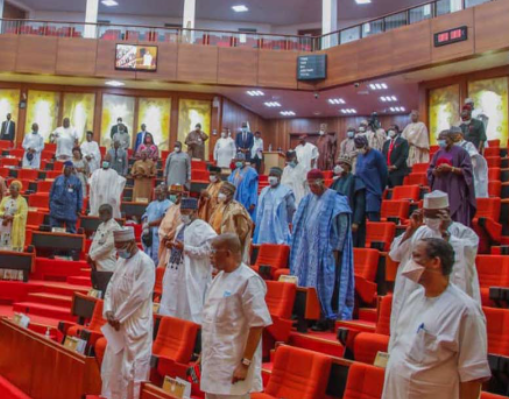
BREAKING: APC bloodbath rocks Nigeria as governors seize Senate tickets and political titans suffer humiliating collapse ahead of 2027 war
Uchechi Okporie
May 19, 2026
Tension Rises as APC Headquarters Disowns Purported Senatorial Primary Results, Says Unauthorized Announcement Violates NWC Directive
Uchechi Okporie
May 20, 2026
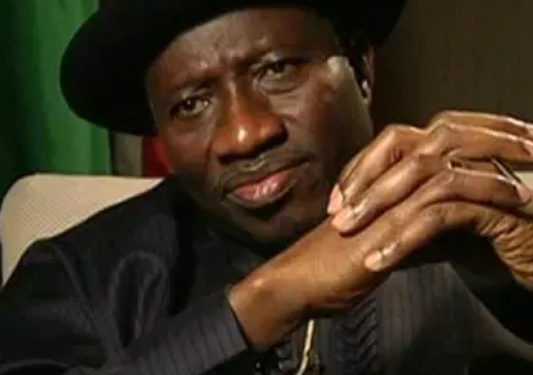
BREAKING: Jonathan Secures Historic PDP Waiver as Turaki Power Bloc Unifies Behind Him, Clearing Path to Near-Uncontested 2027 Presidential Run
Uchechi Okporie
May 16, 2026
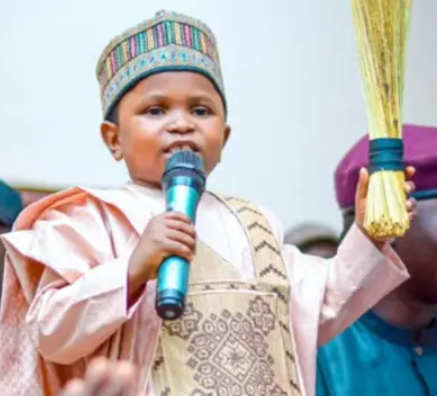
BREAKING: Political Shockwaves Across Nigeria as 30-Year-Old Kaduna Aspirant Withdraws From Parliament Race Amid Explosive Age Eligibility Crisis
Uchechi Okporie
May 14, 2026
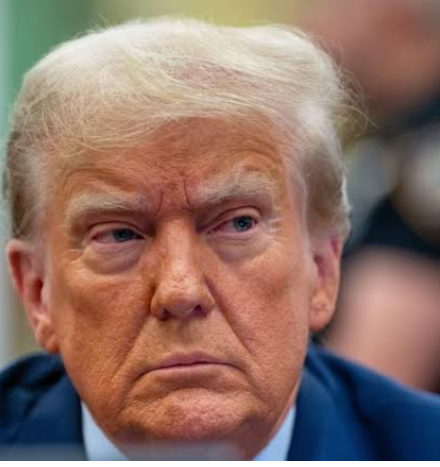
Assasinate Donald Trump, Get €50m Reward, Iran Parliament Makes Big Offer to Sympathisers
Uchechi Okporie
May 19, 2026
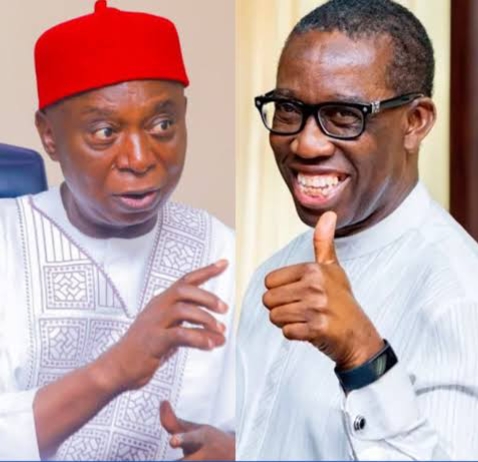
Delta APC Primary Crisis Deepens as Ned Nwoko's Camp Demands Okowa’s Disqualification Over Violation of NWC Directives
Uchechi Okporie
May 17, 2026
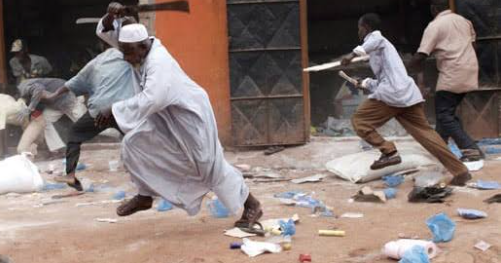
Deadly Chaos Erupts Inside Nigeria’s Ruling Party as APC Primary Election Violence Claims Life in Plateau, Raising Fresh Fears Ahead of 2027 Power Battle
Uchechi Okporie
May 19, 2026
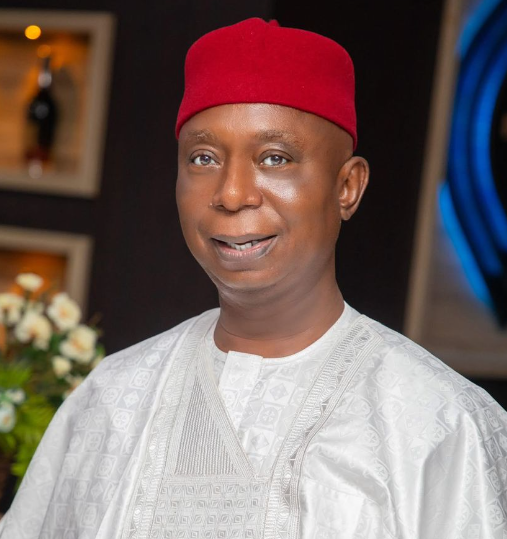
BREAKING: Fierce Delta North APC battle deepens as Ned Nwoko declares commanding primary victory, dismisses fake results and renews Anioma State mission
Uchechi Okporie
May 17, 2026
BREAKING: Diaspora Group Erupts Over “Disrespect” to Goodluck Jonathan, Fires Warning at VeryDarkMan Amid 2027 Political Tension
Uchechi Okporie
May 18, 2026
Breaking News: Nigeria’s ruling APC throws 47 senatorial aspirants out of 2027 race in dramatic political crackdown
Uchechi Okporie

May 16, 2026
Nigeria’s South-South Political Rift Deepens as Fierce Battle Over “Consensus” Threatens Regional Unity Ahead of 2027 Elections
Uchechi Okporie
Latest Stories
May 21, 2026
Benue at a Crossroads: APC Aspirant Kuraun Blames Decades of Failed Leadership for State’s Crisis
Chineye Egesi
May 21, 2026
Kefas hails flawless APC primaries in Taraba, calls peaceful process a turning point for political stability
Uchechi Okporie
May 21, 2026
BREAKING: Nigeria’s oil-rich Warri on the edge as furious Itsekiri leaders blast INEC’s explosive new electoral plan
Uchechi Okporie
May 21, 2026
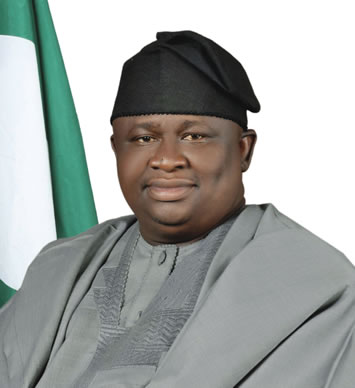
Ogun Diaspora Group Throws Weight Behind YAYI for 2027 Governorship Race
Chineye Egesi

May 21, 2026
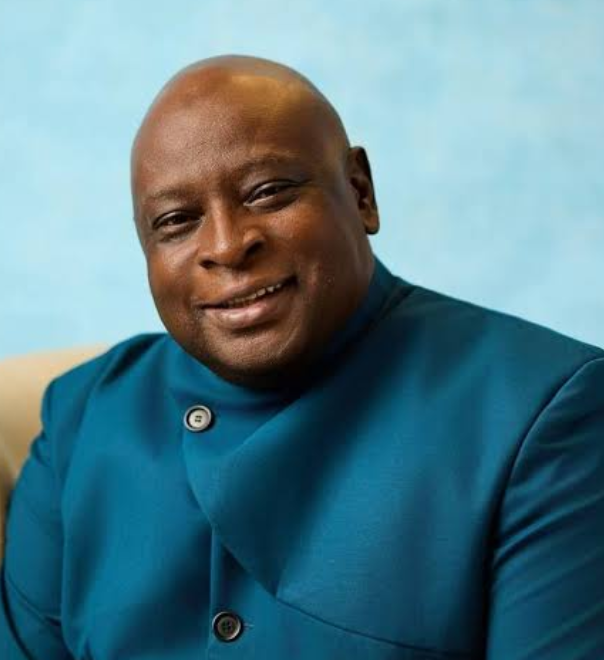
political thunderstorm in Adamawa APC as three governorship big names bow out in shock last-minute power deal ahead of primaries
Uchechi Okporie
May 21, 2026
Makinde’s shocking 2027 silence triggers panic in PDP as Otitoju exposes secret South-West power deal shaking presidential race
Uchechi Okporie
May 21, 2026
BREAKING: Lagos Assembly Majority Leader Noheem Adams Crushes Rival with 92% Vote Share to Secure APC Ticket for Eti-Osa
Chineye Egesi
May 21, 2026
Kaduna Lawmakers Vow to Accelerate Development After Securing APC Rep Election Tickets
Chineye Egesi
May 21, 2026
Natasha Akpoti-Uduaghan Secures PDP Ticket for Kogi Central Senatorial District Ahead of 2027 Election
Chineye Egesi
May 21, 2026
Desmond Elliot Rejects Lagos APC Primary Result, Vows to Challenge Process
Chineye Egesi
May 21, 2026
BREAKING: Nigeria Is Not a United Nation; My Goal Is to Bring the Country Together- Peter Obi
Chineye Egesi