Explainer: Why African Currencies Keep Losing Value Against The Dollar
 Admin User
May 21, 2026
3 min read
Admin User
May 21, 2026
3 min read
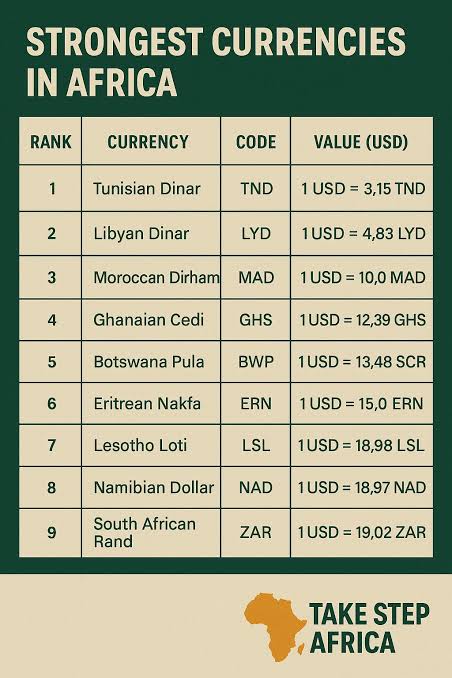
African currencies have continued to lose value against the US dollar for decades, and this trend has become one of the biggest economic concerns across the continent. From Nigeria’s naira to Ghana’s cedi, Zambia’s kwacha, and Egypt’s pound, many African currencies have experienced repeated depreciation, making imports more expensive, increasing inflation, and reducing the purchasing power of ordinary citizens.
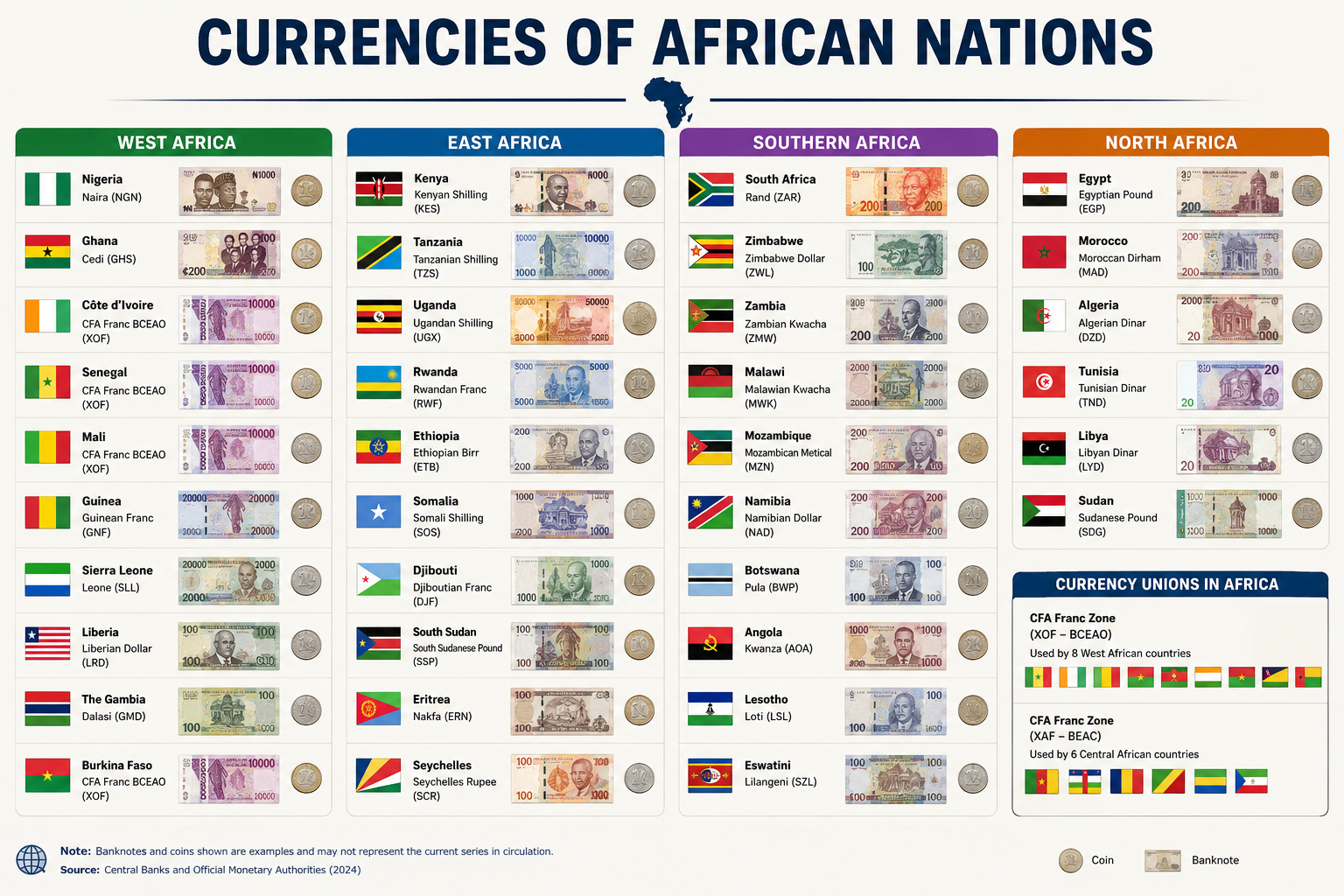
While people often blame governments or central banks alone, the reality is far more complex. The weakening of African currencies is deeply connected to the structure of African economies, the dominance of the US dollar in global trade, external debt pressures, inflation, political instability, and the nature of international finance itself.
One of the major reasons African currencies keep losing value against the dollar is that many African countries import far more than they export. Most economies on the continent depend heavily on imported goods such as fuel, machinery, pharmaceuticals, electronics, industrial equipment, and even food products. Because international trade is largely conducted in US dollars, importers must constantly demand dollars to pay foreign suppliers. At the same time, many African countries earn limited foreign exchange because their exports are concentrated in a few raw commodities like crude oil, gold, cocoa, copper, coffee, and minerals. This imbalance creates constant pressure on local currencies because the demand for dollars remains higher than the supply available in the economy.
The problem becomes worse because commodity exports are highly vulnerable to global price fluctuations. Countries that rely heavily on a single export product face serious currency pressure whenever international prices fall. For example, when oil prices decline, oil-exporting countries such as Nigeria lose a large portion of their foreign exchange earnings. As export revenue falls, central banks have fewer dollars in reserve to support the local currency. This shortage pushes the currency lower against the dollar. Even during periods when commodity prices rise, the gains are often temporary and insufficient to build long-term economic stability because many African economies still lack strong industrial and manufacturing sectors.
Another important factor is the global dominance of the US dollar itself. The dollar is the world’s primary reserve currency and is considered a safe haven during periods of uncertainty. Whenever the United States raises interest rates through the Federal Reserve System, investors around the world move their money into dollar-denominated assets because they offer higher returns with lower risk. This movement of capital strengthens the dollar globally and weakens emerging market currencies, including those in Africa. In many cases, African currencies lose value not only because of domestic economic problems but also because global investors see the dollar as safer and more profitable.
Inflation also plays a major role in weakening African currencies. Many African countries experience higher inflation rates than the United States. When prices rise rapidly within an economy, the purchasing power of the local currency declines. Goods become more expensive, businesses struggle with rising costs, and consumers lose confidence in the value of their money. High inflation often forces people and companies to seek protection by converting their savings into dollars, increasing demand for foreign currency even more. In some countries, currency depreciation itself fuels inflation because imported goods become more expensive, creating a vicious cycle where inflation and depreciation reinforce each other continuously.
Related Posts

Delta North APC Primaries Heavily Rigged, Results Fabricated, Votes Far Exceeded Number of Registered Members - Group Reveals
The Movement for the Emancipation of Anioma Nation (M.E.A.N) has accused key figures withi...
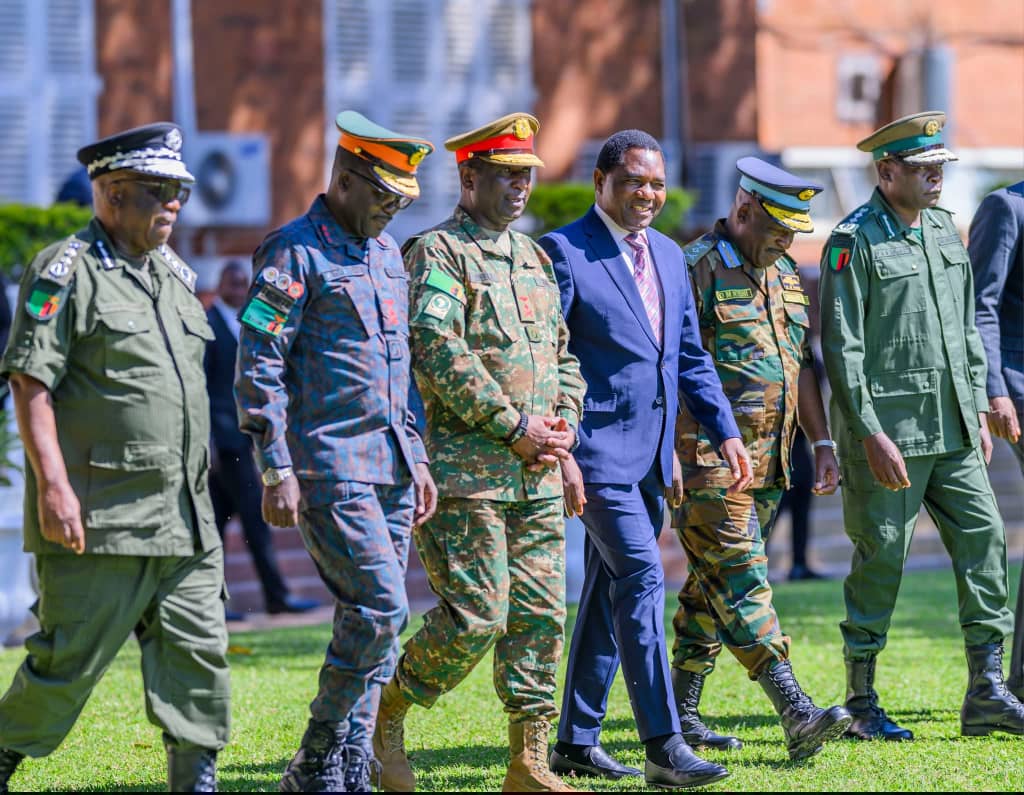
The Law Will Apply to All — Zambia President Issues Strong Warning as Elections Campaign Begins
Zambian President Hakainde Hichilema has assured citizens that the country will remain pea...

Africa Bleeds $89 Billion Yearly to Illicit Financial Flows as Experts Push for Tougher Tax and Mining Reforms
Africa is losing an estimated $89 billion every year to illicit financial flows, with tax...
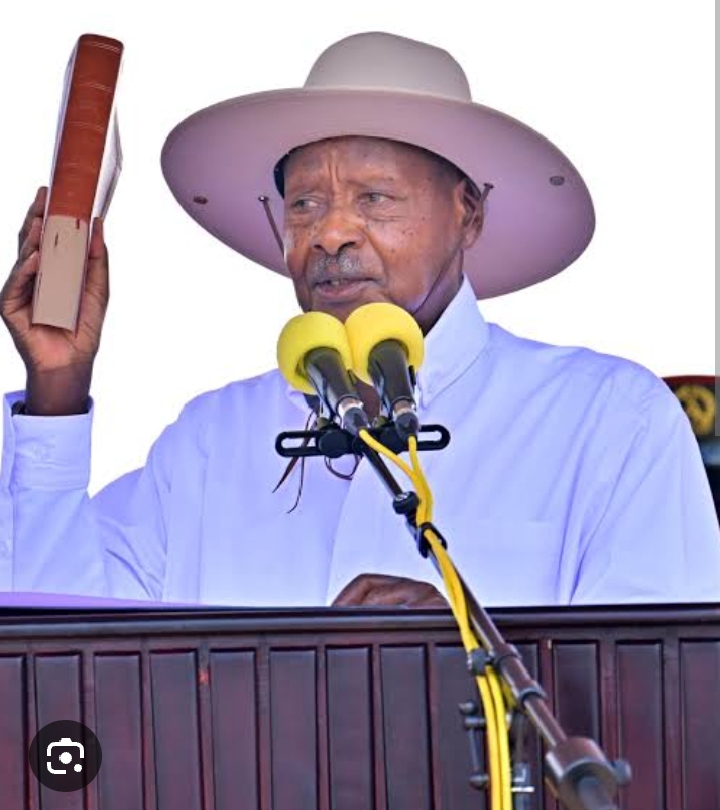
81-Year-Old Uganda President Sworn in for 7th Term After Controversial Election in January
Uganda’s long-serving president, Yoweri Museveni, has been sworn in for a seventh consecut...
Foreign exchange reserve shortages further intensify the problem. Central banks rely on foreign reserves to stabilize their currencies and finance international transactions. However, many African countries struggle to maintain strong reserve levels due to trade deficits, external debt obligations, and declining export revenues. When reserves become too low, central banks cannot effectively defend their currencies from speculative attacks or excessive volatility. This often leads to sharp devaluations and foreign exchange crises. Institutions such as the International Monetary Fund frequently provide financial assistance to struggling economies, but these interventions usually address immediate liquidity problems rather than the deeper structural weaknesses causing currency instability.
External debt is another major source of pressure on African currencies. Many governments borrow heavily in foreign currencies, especially US dollars. While this borrowing can help finance infrastructure projects and public spending, it creates a dangerous dependency because debt repayments must also be made in dollars. When local currencies weaken, governments need far more local currency to purchase the dollars required for debt servicing. This increases demand for dollars and places additional downward pressure on the exchange rate. In severe cases, countries may face debt distress, forcing them to restructure loans or seek international bailouts.
Political instability and weak investor confidence also contribute significantly to currency depreciation. Foreign investors tend to avoid countries with unpredictable policies, corruption, insecurity, electoral uncertainty, or unstable governance systems. Whenever investors lose confidence in an economy, they withdraw capital and move funds into safer markets. This reduces the supply of foreign exchange within the country and weakens the local currency further. Even rumors of instability can trigger panic in financial markets and accelerate depreciation.
Beyond these short-term pressures lies a deeper structural issue: many African economies remain less productive and less industrialized compared to developed economies. The United States generates enormous value through technology, finance, manufacturing, research, and intellectual property. In contrast, many African economies still depend heavily on exporting raw materials while importing finished goods. This creates a situation where African countries earn relatively little from exports but spend heavily on imports. Without strong manufacturing sectors, advanced technology industries, and large-scale value addition, it becomes difficult for African currencies to gain lasting strength against the dollar.
Exchange rate policies themselves sometimes worsen the situation. Some governments attempt to artificially maintain fixed or controlled exchange rates despite economic realities. While these policies may temporarily slow depreciation, they often create black markets, discourage foreign investment, and lead to severe foreign exchange shortages. Eventually, when governments can no longer sustain the official rate, large devaluations occur suddenly, causing economic shocks and public hardship.
There is also a psychological dimension to currency weakness. Once businesses and citizens believe their currency will continue losing value, they rush to convert savings into dollars or other foreign assets. This behavior increases dollar demand even further and accelerates depreciation. In some countries, the dollar becomes more trusted than the local currency itself, leading to unofficial “dollarization” within parts of the economy.
Ultimately, the persistent weakening of African currencies reflects deeper economic realities rather than isolated policy failures. Many African economies operate within a global system where the dollar dominates international trade, investment, and finance. At the same time, structural challenges such as import dependence, commodity reliance, inflation, debt burdens, weak industrialization, and limited productivity continue to undermine local currencies. Until African economies diversify exports, expand manufacturing capacity, improve productivity, strengthen institutions, and reduce dependence on imports, the pressure on their currencies is likely to remain a recurring economic challenge for years to come.
Related Posts

Chineye Egesi
May 13, 2026
Rwanda President Names African Leaders Linked to Election Crisis in Democratic Republic of Congo
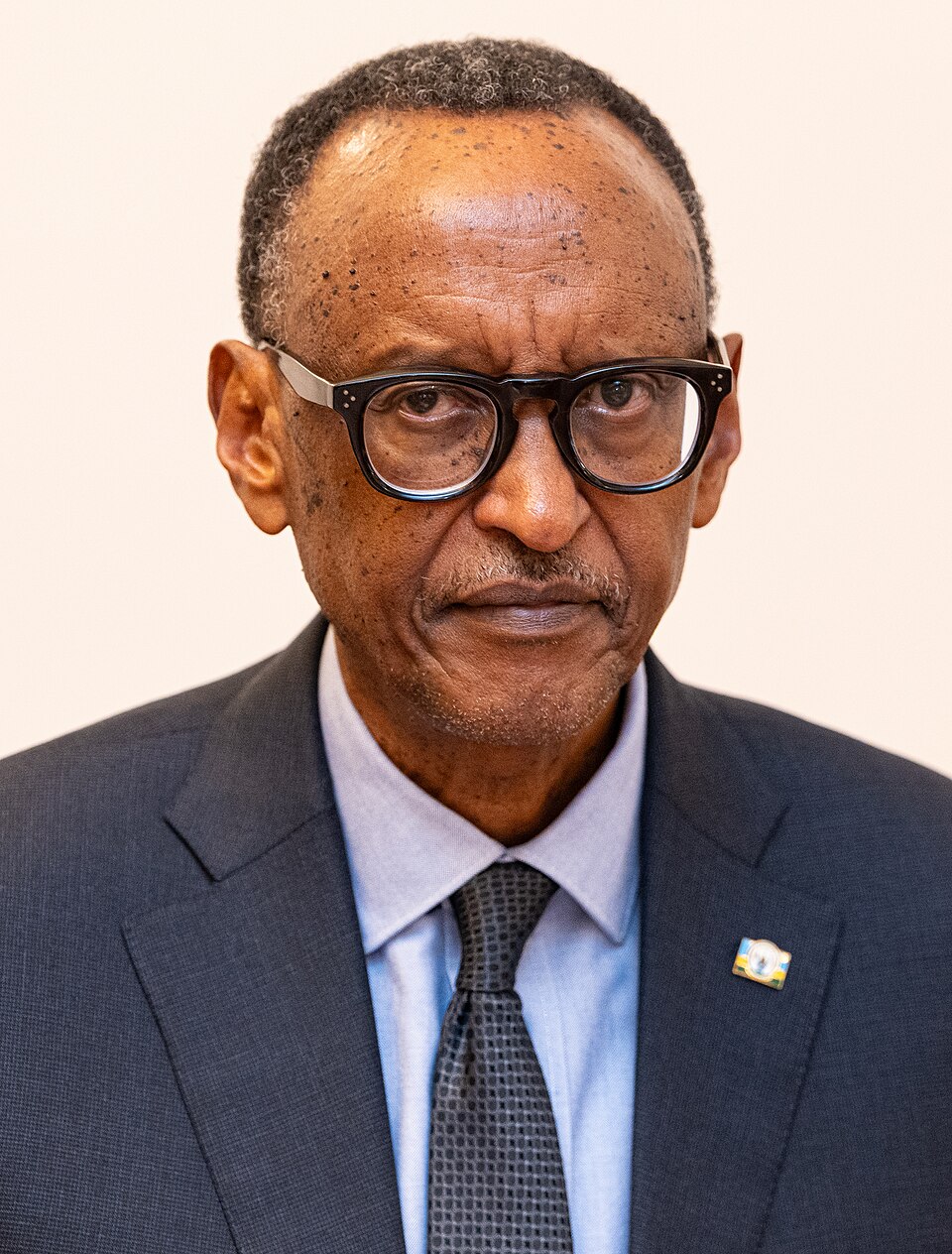
Rwandan President Paul Kagame has intensified tensions with neighbouring Democratic Republic of Congo after sharply criticising Congolese President Félix Tshisekedi, claiming he “has never won an election” and only assumed office through a political arrangement.
Chineye Egesi
May 08, 2026
The Big Five: How 5 Nations Will Dominate 50% of a $3.6 Trillion African Economy by 2026 (See the 5 and their positions)
By 2026, Africa’s staggering $3.6 trillion economy will see half of its riches $1.8 trillion flow from just five powerhouse nations.
Trending
May 19, 2026
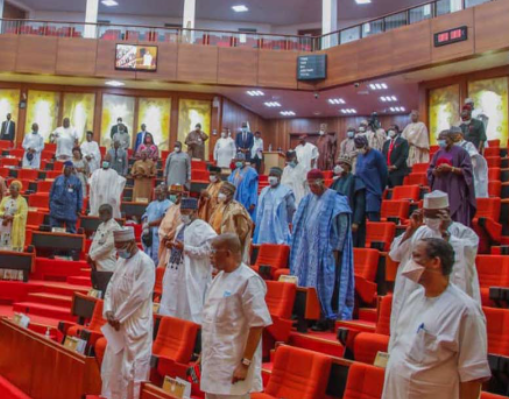
BREAKING: APC bloodbath rocks Nigeria as governors seize Senate tickets and political titans suffer humiliating collapse ahead of 2027 war
Uchechi Okporie
May 19, 2026
Tension Rises as APC Headquarters Disowns Purported Senatorial Primary Results, Says Unauthorized Announcement Violates NWC Directive
Uchechi Okporie

May 20, 2026
BREAKING: Jonathan Secures Historic PDP Waiver as Turaki Power Bloc Unifies Behind Him, Clearing Path to Near-Uncontested 2027 Presidential Run
Uchechi Okporie

May 16, 2026
BREAKING: Political Shockwaves Across Nigeria as 30-Year-Old Kaduna Aspirant Withdraws From Parliament Race Amid Explosive Age Eligibility Crisis
Uchechi Okporie
May 19, 2026
Delta APC Primary Crisis Deepens as Ned Nwoko's Camp Demands Okowa’s Disqualification Over Violation of NWC Directives
Uchechi Okporie

May 17, 2026
Deadly Chaos Erupts Inside Nigeria’s Ruling Party as APC Primary Election Violence Claims Life in Plateau, Raising Fresh Fears Ahead of 2027 Power Battle
Uchechi Okporie
May 19, 2026
BREAKING: Fierce Delta North APC battle deepens as Ned Nwoko declares commanding primary victory, dismisses fake results and renews Anioma State mission
Uchechi Okporie
May 17, 2026
BREAKING: Diaspora Group Erupts Over “Disrespect” to Goodluck Jonathan, Fires Warning at VeryDarkMan Amid 2027 Political Tension
Uchechi Okporie
May 18, 2026
Breaking News: Nigeria’s ruling APC throws 47 senatorial aspirants out of 2027 race in dramatic political crackdown
Uchechi Okporie
May 16, 2026
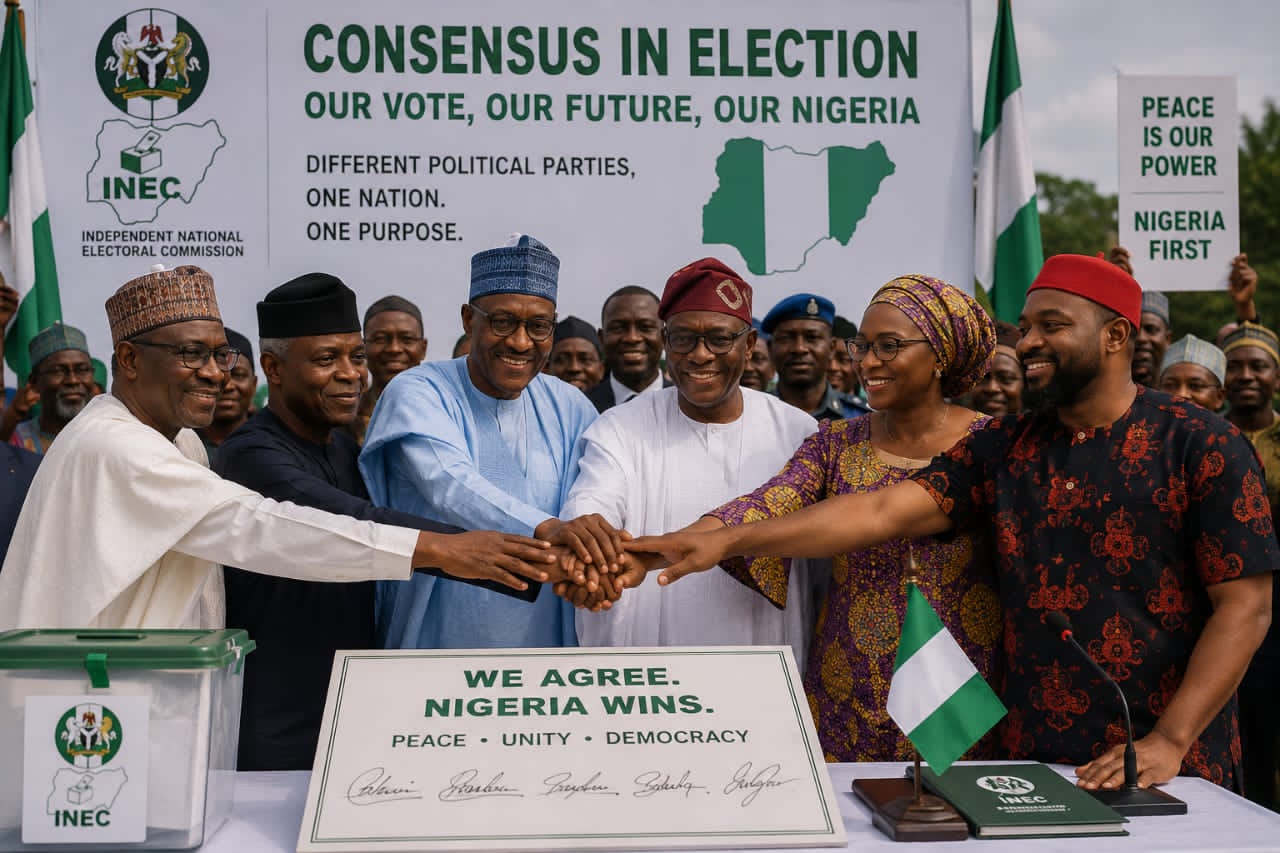
Nigeria’s South-South Political Rift Deepens as Fierce Battle Over “Consensus” Threatens Regional Unity Ahead of 2027 Elections
Uchechi Okporie
May 17, 2026
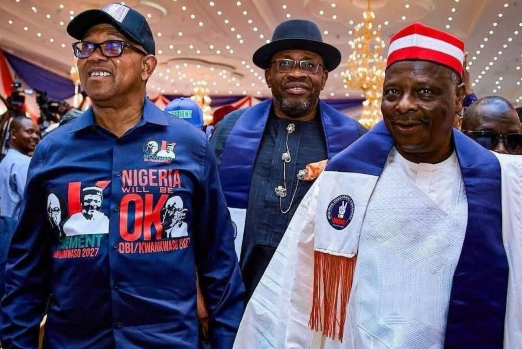
Breaking: Political Earthquake Brewing in Nigeria as Obidient and Kwankwasiyya Forces Raise Massive ₦60 Million Campaign War Chest Ahead of Explosive 2027 Power Battle
Uchechi Okporie
Latest Stories
May 21, 2026
Delta North APC Primaries Heavily Rigged, Results Fabricated, Votes Far Exceeded Number of Registered Members - Group Reveals
Admin User
May 21, 2026
Explainer: Why African Currencies Keep Losing Value Against The Dollar
Admin User

May 21, 2026
Nigeria unleashes 492 deep blue commandos in full-scale maritime crackdown to dismantle piracy empires across bakassi and gulf of guinea waters
Uchechi Okporie
May 21, 2026
Aburi accord bombshell: Gowon reignites explosive claim that Ojukwu derailed final peace deal as Nigeria slipped into civil war amid collapsed negotiations
Uchechi Okporie
May 21, 2026
Umahi storms political stage, declares overwhelming Tinubu victory as Ebonyi eyes 95% vote landslide in 2027
Uchechi Okporie

May 21, 2026
BREAKING : Lagos Assembly Spokesperson Ogundipe Wins APC Ticket for Second Term, Vows Inclusive Representation
Chineye Egesi

May 21, 2026
Unanimous Endorsement: Governor Radda Clinches APC Consensus Ticket for Katsina 2027
Chineye Egesi

May 21, 2026
BREAKING: Germany trigger worldwide football explosion as legendary Neuer returns for make-or-break World Cup war
Uchechi Okporie
May 21, 2026
Kwara APC Governorship Primary Suddenly Postponed a Day After Scheduled Date
Chineye Egesi

May 21, 2026
Benue at a Crossroads: APC Aspirant Kuraun Blames Decades of Failed Leadership for State’s Crisis
Chineye Egesi
May 21, 2026
Kefas hails flawless APC primaries in Taraba, calls peaceful process a turning point for political stability
Uchechi Okporie