81-Year-Old Uganda President Sworn in for 7th Term After Controversial Election in January
 Uchechi Okporie
May 13, 2026
3 min read
Uchechi Okporie
May 13, 2026
3 min read
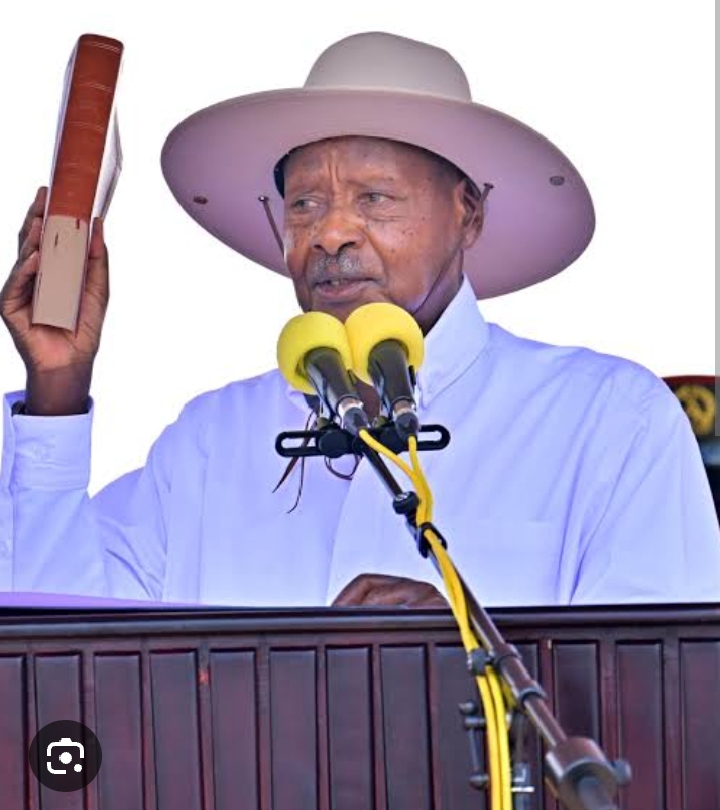
Uganda’s long-serving president, Yoweri Museveni, has been sworn in for a seventh consecutive term after securing a landslide victory in January’s controversial general election.
At 81 years old, Museveni now extends his rule to nearly five decades, reinforcing his position as one of Africa’s longest-serving leaders.
The inauguration ceremony took place at the Kololo Independence Grounds in Kampala under heavy military and police deployment, with armoured vehicles stationed across parts of the capital.
Authorities said the security presence was intended to maintain order amid fears of unrest following the disputed election results.
Museveni, who first came to power in 1986 after leading a five-year guerrilla war that overthrew the government of Tito Okello, told supporters that the new term should mark “no more sleep for all Ugandans.”
He urged citizens to focus on economic growth, job creation, and wealth generation, while defending his government’s four-decade record of maintaining peace and improving infrastructure.
Uganda’s electoral commission declared Museveni the winner with more than 70% of the vote, meaning his current mandate could keep him in office until 2031.
However, the election outcome was strongly rejected by opposition leader Bobi Wine, whose real name is Robert Kyagulanyi Ssentamu.
Wine accused the government of widespread electoral fraud, including ballot stuffing and voter intimidation, allegations denied by election officials and the ruling National Resistance Movement (NRM) party.
Wine, a former pop star turned politician, emerged in recent years as the face of Uganda’s youthful opposition movement.
At 44, he has built strong support among younger Ugandans frustrated by unemployment, corruption, and long-term one-party dominance.
Following the election, Wine fled Uganda, claiming he feared assassination attempts by state agents. The government denied those accusations.
Museveni’s continued hold on power highlights a broader trend in parts of Africa, where liberation-era leaders have remained in office for decades.
Other leaders who have ruled for over 40 years include Denis Sassou Nguesso of Congo-Brazzaville, Teodoro Obiang, and Paul Biya.
The Ugandan government declared inauguration day a public holiday, and thousands of Museveni supporters attended the ceremony waving national flags and NRM party colours.
During his speech, Museveni emphasized Uganda’s future oil industry as a major driver of economic transformation.
The country is preparing for commercial oil production in the coming years, with officials hoping revenues will help reduce poverty and expand infrastructure development.
“We must protect what has been achieved, correct what still needs improvement and move forward together as one country,” Museveni told the gathering.
Related Posts
Uganda Police Housing Crisis Sparks Outrage as Lawmakers Condemn Shocking Barracks Conditions
A wave of concern has swept across Uganda after lawmakers publicly condemned the poor livi...
Empty Kraals, Broken Dreams: Cross-Border Cattle Raid Devastates Ugandan Families
A wave of cattle rustling in northern Uganda has left families in Yumbe District counting...
Uganda’s Growth Gamble: Heavy Spending Fuels Boom as Debt Fears Rise Across East Africa
Uganda’s economy is under fresh international spotlight after reports revealed the governm...
Uganda Launches Major Crackdown on Illegal Sand Mining as Environmental Crisis Deepens
Uganda has intensified efforts to combat illegal sand mining after the National Environmen...
Several African heads of state attended the inauguration, including Samia Suluhu Hassan, Félix Tshisekedi, Salva Kiir, and Hassan Sheikh Mohamud.
Uganda has one of the youngest populations in the world, with most citizens having never known another president besides Museveni.
Although he has not publicly discussed retirement plans, political analysts increasingly speculate that this could be his final term.
Attention has increasingly shifted toward Museveni’s son, Muhoozi Kainerugaba, the powerful military commander widely viewed as a possible successor.
However, Kainerugaba has faced criticism both domestically and internationally for inflammatory social media posts targeting opposition figures, including Bobi Wine.
Earlier this year, he sparked outrage after posting threats against Wine on X, formerly Twitter, before later deleting the messages.
Uganda’s political climate has become increasingly tense since the election.
Opposition groups accuse security forces of harassment, arbitrary arrests, and violent crackdowns on dissent.
Human rights organisations, including Amnesty International, have reported allegations of unlawful killings and excessive force by police and military personnel during and after the vote.
Amnesty said at least 16 people were likely killed between 15 and 18 January, with many reportedly unarmed civilians.
The government has also faced criticism over the continued detention of veteran opposition leader Kizza Besigye, a longtime rival of Museveni.
Besigye has remained in custody since late 2024 after allegedly being abducted during a visit to Kenya and returned to Uganda.
Authorities later charged him in a military court with illegal weapons-related offences, allegations he denies.
Concerns about democratic freedoms intensified further after Uganda’s parliament recently passed a controversial Sovereignty Bill.
Critics argue the legislation could be used to suppress civil society organisations, opposition groups, and activists by criminalising activities considered supportive of foreign interests.
The law also labels recipients of foreign funding as “agents of foreigners,” raising fears of a broader crackdown on dissent and independent organisations.
Despite mounting criticism from opposition parties and international rights groups, Museveni and his supporters maintain that Uganda remains stable under his leadership and insist the election was free and fair.
The president has repeatedly accused opposition groups of attempting to incite violence and destabilise the country, describing some of their actions as acts of “terrorism.”
Related Posts

Admin User
Apr 09, 2026
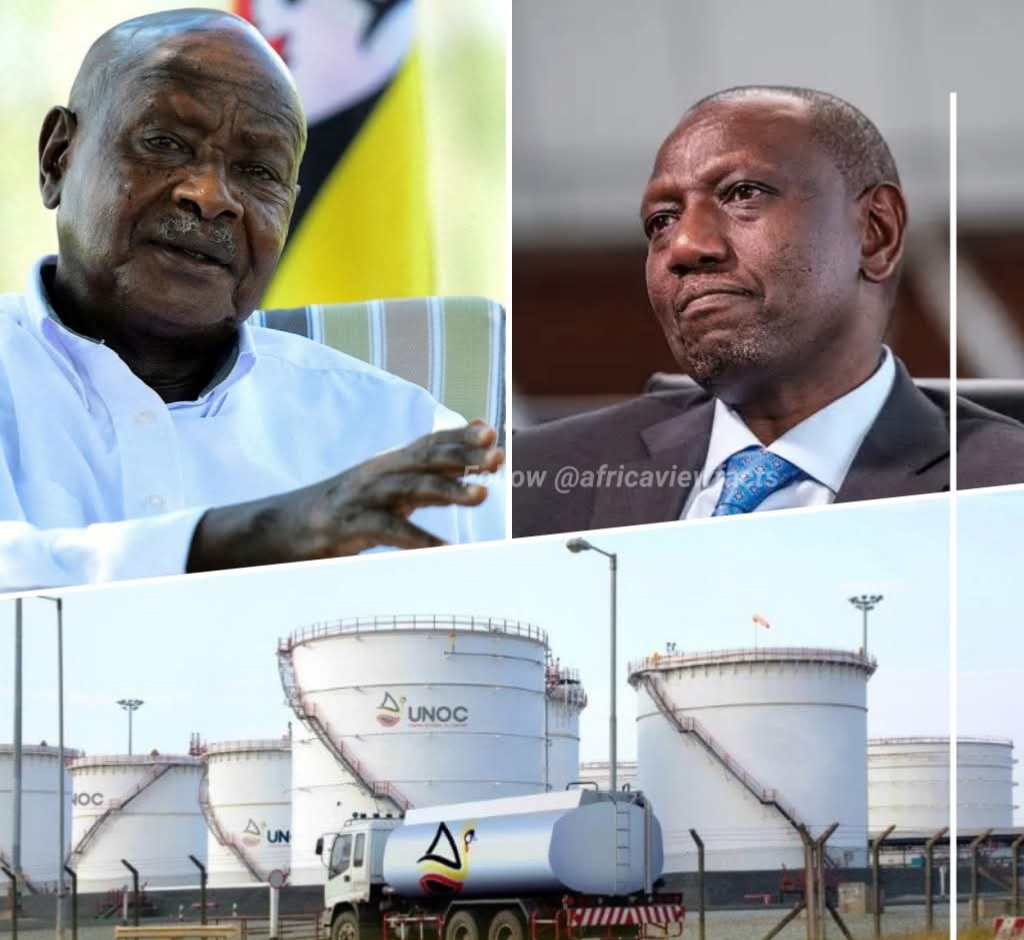
No We Can't Give You Our Fuel, Uganda Turns Down Bailout Request from Kenya
Uganda has declined a request from Kenya for a fuel bailout, citing its own domestic supply obligations and existing commitments.
Uchechi Okporie
Mar 30, 2026
TotalEnergies Pushes Transparency Message as Uganda–Tanzania Oil Megaprojects Face Global Scrutiny
TotalEnergies Pushes Transparency Message as Uganda–Tanzania Oil Megaprojects Face Global Scrutiny TotalEnergies is doubling down on transparency claims for its controversial oil megaprojects in Uganda and Tanzania, releasing new details on environmental safeguards, land compensation and human-rights commitments as international pressure intensi
Trending
May 10, 2026
Delta2027: I'm Opposed to Emomotimi Guwor, Joel Onowakpo - Ayiri Emami Says, His Reasons Are Explosive
Uchechi Okporie
May 06, 2026
Senate Shutdown, Sitting Disrupted as Akpabio, Oshiomhole Engage in Heated Confrontation
Uchechi Okporie
May 11, 2026
From Defense Chiefs to Convicts: China Sentences Ex-Ministers to Death in Explosive Corruption Probe
Uchechi Okporie
May 10, 2026
Nigeria’s political future in spotlight, as 30-year-old APC hopeful goes viral during parliamentary screening
Uchechi Okporie
May 08, 2026
President Sacks Army Chief, Finance Minister
Uchechi Okporie
May 06, 2026
PDP Power War Deepens: Wike issues fiery ultimatum to Turaki faction ‘Open secretariat account or I’ll shut it down’
Uchechi Okporie
May 07, 2026
BREAKING: Jonathan triggers 2027 political storm as former Nigerian president considers shock comeback
Uchechi Okporie
May 08, 2026
Nigeria’s military crackdown on social media sparks fears of rising digital warfare and national security threats across Africa
Uchechi Okporie
May 06, 2026
Dangote Refinery Raises Petrol Price to ₦1,350 per Litre Amid Market Pressures
Chineye Egesi
May 11, 2026
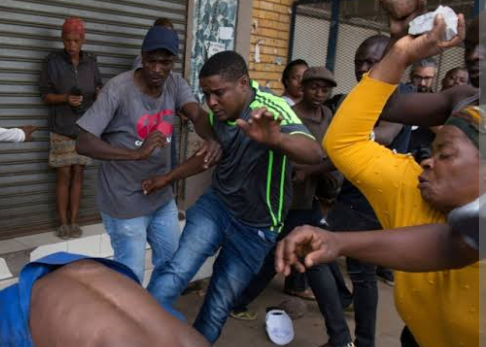
Protect Our Families, South African Women Married to Persecuted Foreigners Cry to President Ramaphosa
Uchechi Okporie
May 07, 2026
El-Rufai’s son exits APC as three lawmakers defect in fresh political realignment
Uchechi Okporie
Latest Stories
May 13, 2026
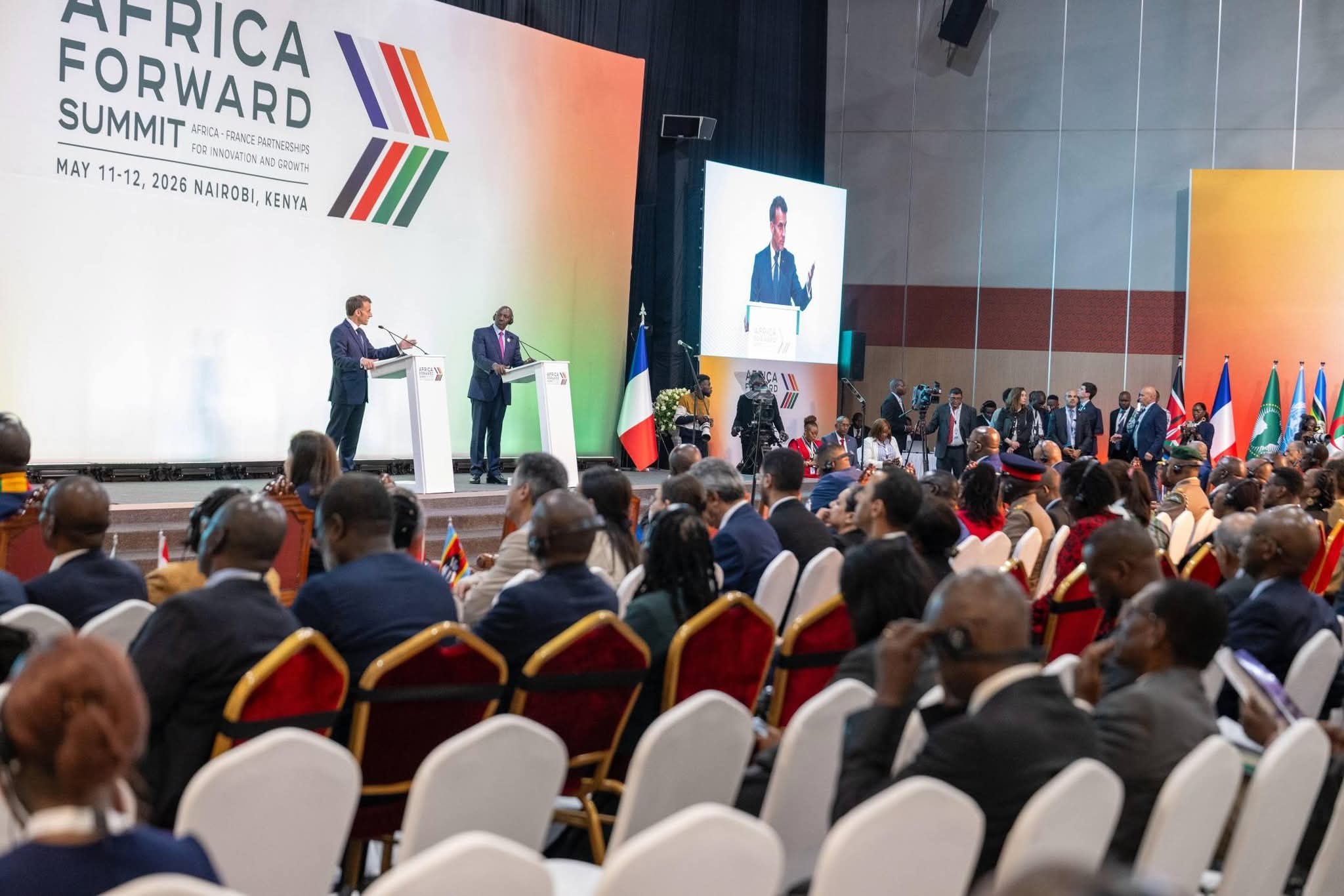
Kenya President Pushes for New Economic Order as African Leaders Gather in Nairobi
Uchechi Okporie
May 13, 2026
81-Year-Old Uganda President Sworn in for 7th Term After Controversial Election in January
Uchechi Okporie
May 13, 2026
Rwanda President Names African Leaders Linked to Election Crisis in Democratic Republic of Congo
Chineye Egesi
May 13, 2026
British Prime Minister Under Fire as Multiple Ministers Resign in Drove from His Govt, and Here's Why
Uchechi Okporie
May 13, 2026
Southern California Mayor Resigns After Admitting to Acting for Chinese Officials Within US Govt
Uchechi Okporie

May 12, 2026
The AI Economy Begins: Amazon Services Launches Groundbreaking Payment System For Autonomous AI Agents
Chineye Egesi

May 12, 2026
BREAKING: UK Minister Davis-Jones Resigns, Check Her Reasons
Uchechi Okporie
May 12, 2026
Nigeria’s Quran Oath Strategy for Reformed Terrorists Draws Global Attention as Africa Battles Extremism
Uchechi Okporie
May 12, 2026
Inside The UAE's AI-Powered Cyber Factory: A Defense Blue-Print That's Turning The Tide on 800,000 Daily Attacks
Chineye Egesi
May 12, 2026
Atiku rejects southern presidency push, warns Nigeria’s opposition against political division ahead of 2027
Uchechi Okporie
May 12, 2026
Dangote Eyes $50 Billion Refinery Valuation Ahead of Landmark Pan-African IPO
Chineye Egesi