The United States–Iran War: A Conflict Reshaping the Middle East
 Admin User
Mar 05, 2026
3 min read
Admin User
Mar 05, 2026
3 min read
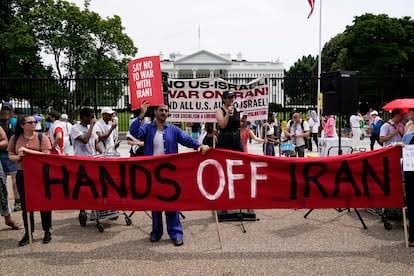
The confrontation between the United States and Iran has evolved into one of the most consequential geopolitical crises of the 21st century. What began as decades of political hostility has recently escalated into open military confrontation, shaking the Middle East, threatening global energy markets, and raising fears of a wider regional war. The current conflict, often referred to as the 2026 Iran war, represents the culmination of long-standing tensions involving nuclear ambitions, regional power struggles, and competing ideological visions.
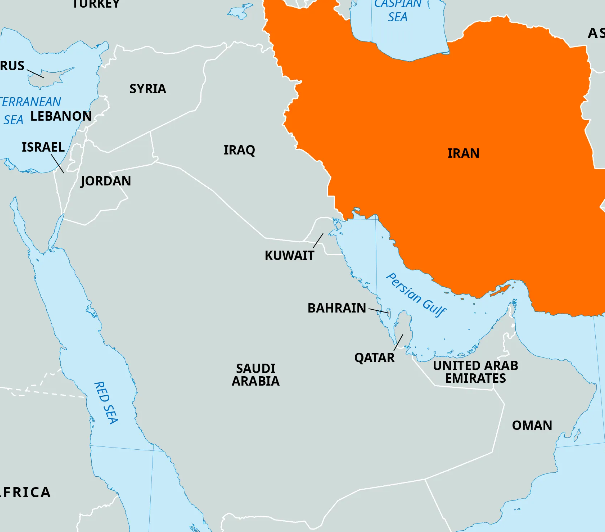
Relations between the United States and Iran have been strained for decades. Before 1979, Iran was a close ally of Washington under the rule of the Shah. However, the Islamic Revolution of 1979 transformed Iran into an anti-Western Islamic republic that viewed U.S. influence as imperial interference. From that point onward, diplomatic relations collapsed and hostility became entrenched. Over the years, several issues deepened the divide: Iran’s nuclear program, which Western governments suspect could lead to nuclear weapons development. Regional proxy conflicts, with Iran supporting militant groups and political allies across the Middle East. Economic sanctions and military pressure imposed by the United States and its allies. These tensions periodically erupted into crises, including cyber warfare, targeted assassinations, and attacks on oil infrastructure. The Road to War The immediate trigger for the latest conflict was the collapse of diplomatic negotiations over Iran’s nuclear program. In 2025, the United States launched strikes on key Iranian nuclear facilities, including the Fordow, Natanz, and Isfahan sites, using bunker-buster bombs and cruise missiles. The attacks were intended to delay Iran’s nuclear capabilities and were supported by many U.S. allies, but they dramatically escalated tensions. The Pentagon later assessed that Iran’s nuclear progress had been pushed back by roughly two years. Despite a brief ceasefire following a short air conflict in 2025, tensions remained high. Diplomatic negotiations failed again in early 2026, setting the stage for a broader confrontation. The 2026 Escalation The conflict intensified dramatically on February 28, 2026, when the United States and Israel launched coordinated air and missile strikes across Iran in a campaign aimed at destroying military infrastructure and limiting Tehran’s strategic capabilities. The attacks reportedly killed senior Iranian leaders, including Supreme Leader Ali Khamenei, creating political turmoil within the country. Iran responded with missile and drone attacks against U.S. bases and allied states across the region, including strikes targeting military facilities in Kuwait. The conflict has since expanded beyond direct attacks, threatening shipping routes and international trade. Strategic Flashpoints 1. The Strait of Hormuz One of the most critical arenas of the conflict is the Strait of Hormuz, a narrow waterway through which roughly one-fifth of the world’s oil supply passes. Iran has threatened to block or disrupt shipping in retaliation for U.S. attacks, prompting naval deployments and increasing the risk of a global energy crisis. 2. Regional Missile Warfare Iran has used ballistic missiles and drones to target U.S. and allied installations across the Middle East, while American forces continue air and naval operations aimed at degrading Iran’s military capabilities.
3. Global Economic Impact The war has already had significant economic consequences: Oil prices surged as markets reacted to the threat of supply disruptions. Stock markets and airline industries experienced volatility. Analysts warn prolonged conflict could trigger global inflation or recession. Human and Political Consequences Beyond military and economic implications, the war has inflicted significant human costs. Airstrikes and missile attacks have resulted in civilian casualties and large-scale displacement across the region. Inside Iran, the killing of key leadership figures has created uncertainty about the country’s political future, raising the possibility of internal power struggles or regime change. Meanwhile, the international community remains divided. Some governments support U.S. actions as necessary to prevent nuclear proliferation, while others condemn them as destabilizing and illegal under international law.
Related Posts


Uchechi Okporie
May 01, 2026
War tensions shake global oil routes as US,Iran,Israel crisis escalates
A rapidly intensifying standoff involving the United States, Iran, and Israel is sending shockwaves through global energy markets, with fears mounting over a potential disruption in one of the world’s most critical oil supply routes.
Uchechi Okporie
Apr 27, 2026
BREAKING NEWS: Iran Offers Ceasefire to U.S. as Global Oil Panic Threatens Africa
Iran has reportedly made a dramatic new ceasefire offer to the United States, proposing to reopen the vital Strait of Hormuz and pause escalating tensions in the Middle East. The move comes amid fears of a global oil supply crisis that could hit African economies hard.
Uchechi Okporie
Apr 25, 2026
BREAKING: NATO in Internal Storm as US Reportedly Moves Against Spain Over Iran War—Alliance Rules Out Expulsion Powers
Tensions have erupted inside NATO after reports suggested the United States considered possible measures against Spain over its stance on the Iran conflict, triggering fresh debate about unity within the powerful military alliance.

Uchechi Okporie
Apr 23, 2026
WORLD SHOCKER: Surviving Iranian Sailor Claims US Tried to Wipe Out Crew of Sunken Warship
A dramatic new account from the Middle East is drawing global attention after a surviving Iranian sailor alleged that the United States tried to eliminate the crew of a warship that later sank at sea.
Uchechi Okporie
Apr 23, 2026
World on Edge: Iran Keeps Hormuz Closed, Defies US Blockade as Global Oil Markets Shake
Tensions in the Middle East have escalated after Iran declared it will not reopen the Strait of Hormuz until the United States lifts its naval blockade, deepening fears of a major disruption to global energy supplies.
Uchechi Okporie
Apr 20, 2026
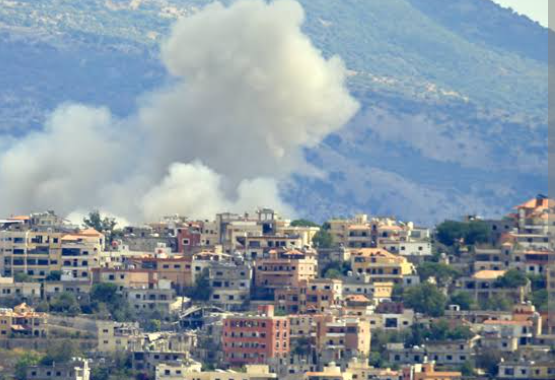
BREAKING NEWS: Israel Issues Explosive Warning to Lebanon, Vows to Flatten Homes as Middle East Tensions Near Boiling Point
Fresh fears of war are spreading across the Middle East after Israel delivered a fiery warning to Lebanon, declaring it is ready to use “full force” and level homes linked to hostile threats coming from across the border.
Uchechi Okporie
Apr 18, 2026
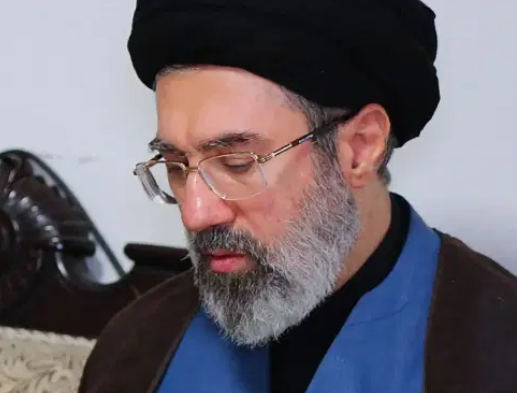
Iran Threatens US at Sea as Supreme Leader Declares Navy Ready to Crush America
Iran’s Supreme Leader has issued a fiery warning to the United States, declaring that the country’s navy is fully prepared to confront and defeat American forces if conflict breaks out at sea.
Uchechi Okporie
Apr 16, 2026
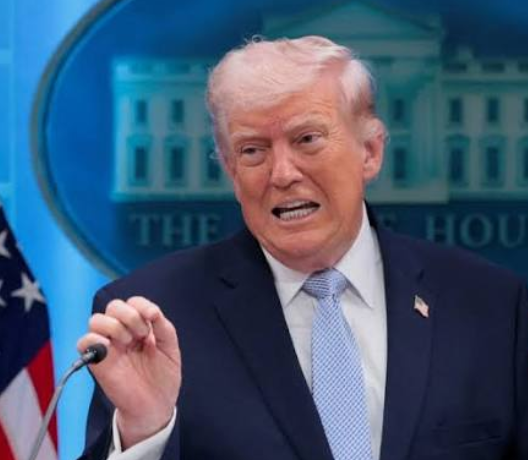
Nuclear Gamble Nears Endgame: Donald Trump Claims Iran Ready to Surrender Uranium Stockpile in High-Stakes Peace Push
In a dramatic turn in Middle East diplomacy, Donald Trump has announced that Iran has agreed to hand over its enriched uranium reserves — a move he says could bring a major conflict to a close and reshape global security dynamics.

Uchechi Okporie
Apr 16, 2026
Top Nigerian General Killed in Terrorist Strike — Funeral Exposes Worsening War in Borno
Nigeria has been thrown into mourning after a deadly terrorist ambush claimed the life of a senior army commander and several soldiers, a development that is sending fresh waves of concern across Africa and beyond.
Uchechi Okporie
Apr 10, 2026
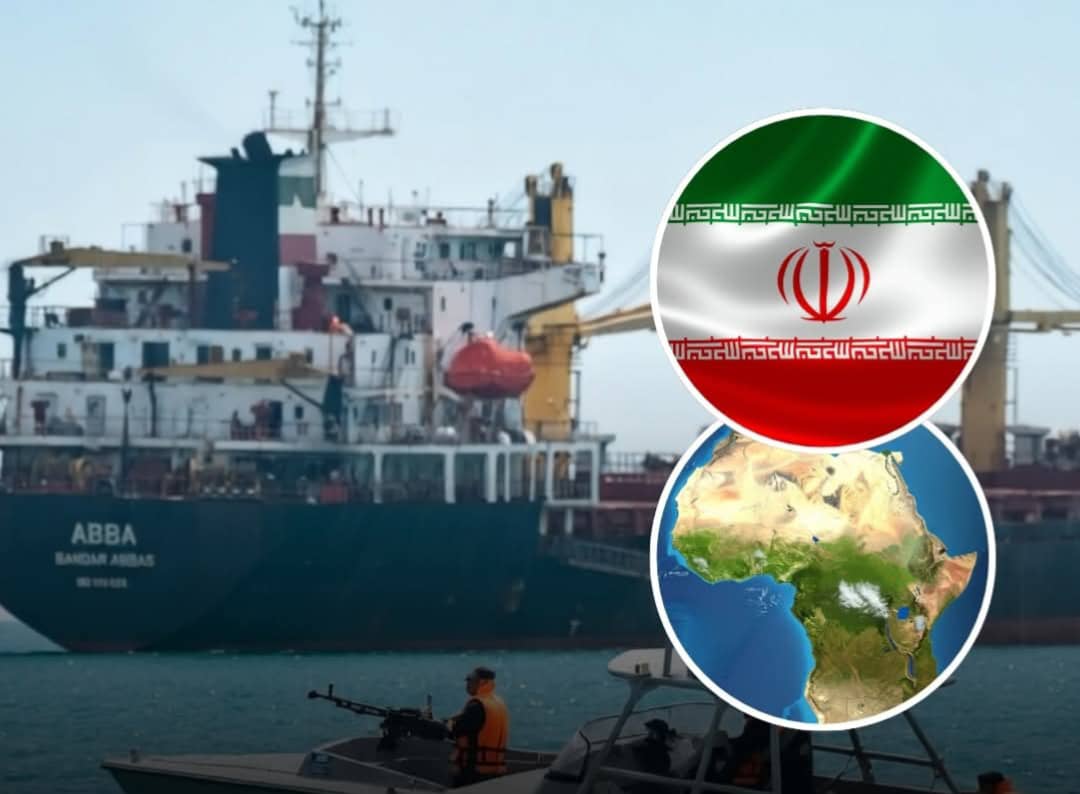
Iran Guards Block Botswana Vessels, Allow Gabon, South Africa Past Strait of Hormuz as Fragile Ceasefire Persist
Shipping activity in the strategically vital Strait of Hormuz is showing tentative signs of recovery following a fragile ceasefire between the United States and Iran, with African-linked vessels among the first to cautiously resume transit.
Uchechi Okporie
Apr 10, 2026
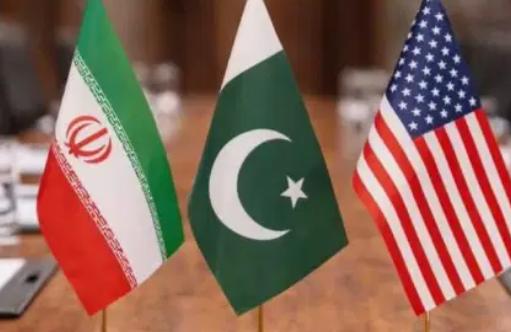
Pakistan to Host U.S.-Iran Talks as Fighting Continues in Lebanon
Pakistan is preparing to host negotiations between the United States and Iran this week, even as heavy fighting continues in Lebanon between Israel and Hezbollah.
Admin User
Apr 10, 2026
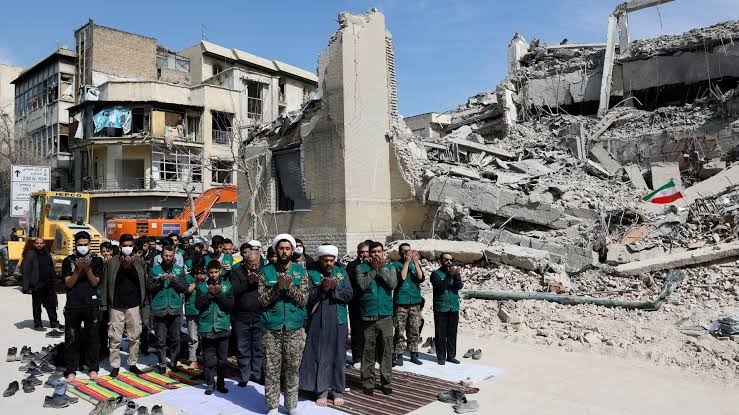
Iran Reels From Devastating War Losses as Military, Infrastructure, Economic Systems Crippled
Iran is grappling with staggering economic and military losses following a six-week war with Israel and the United States, with total damages estimated between $140 billion and $145 billion, according to multiple open-source intelligence assessments
Trending
Apr 28, 2026
Africa Outraged as Two Nigerians Killed in South Africa, Abuja Demands Urgent Justice
Uchechi Okporie
Apr 25, 2026
BREAKING AFRICA HOUSING CRISIS: Minister Vows Urgent Action as Nigeria Faces Massive Shelter Shortfall
Uchechi Okporie

Apr 27, 2026
Senator Natasha Declares for 2027 Kogi Central Senatorial Race, Says Her Endorsement Overwhelming
Admin User
Apr 27, 2026
What We Discussed in Our Meeting With Jonathan - Obi Reveals in Explosive Statement
Uchechi Okporie

Apr 28, 2026
A Tall Ambition: Delta Councilor Purchases Expression of Interest Forms to Represent Ndokwa/Ukwuani in House of Reps
Admin User
Apr 25, 2026
Africa Political Shockwave: Atiku, Obi, Amaechi Gather in Ibadan as Nigeria’s Opposition Forces Signal Major 2027 Battle
Uchechi Okporie
Apr 25, 2026
BREAKING: NATO in Internal Storm as US Reportedly Moves Against Spain Over Iran War—Alliance Rules Out Expulsion Powers
Uchechi Okporie
Apr 26, 2026
AFRICA DIVIDED: Osinbajo and Gospel Singer Lock Horns in Viral Faith War
Uchechi Okporie
Apr 29, 2026
BREAKING: Tinubu Endorses First Governorship Candidate for 2027 General Election
Uchechi Okporie

Apr 27, 2026
From Brothers to Burdens: Why Nigerians Are No Longer Welcome in South Africa, Ghana - The Sad Story
Uchechi Okporie
Apr 26, 2026
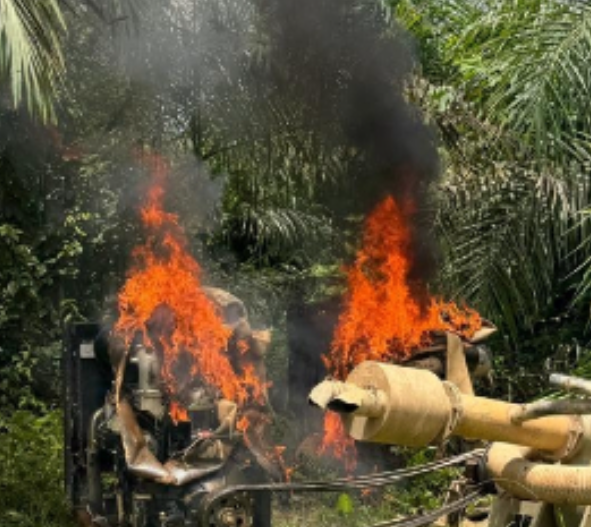
BREAKING: Ghana Forces Storm Illegal Mining Stronghold, Destroy Excavators in Major Anti-Galamsey Crackdown
Uchechi Okporie
Latest Stories

May 01, 2026
Nigeria’s midfield boost on hold as Ozoh’s clearance delay sparks fresh tension
Uchechi Okporie
May 01, 2026
War tensions shake global oil routes as US,Iran,Israel crisis escalates
Uchechi Okporie
May 01, 2026
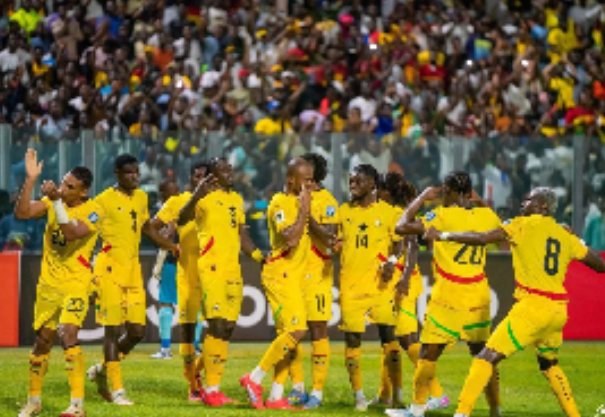
Ghana can shock England, Ahinful warns
Uchechi Okporie
May 01, 2026
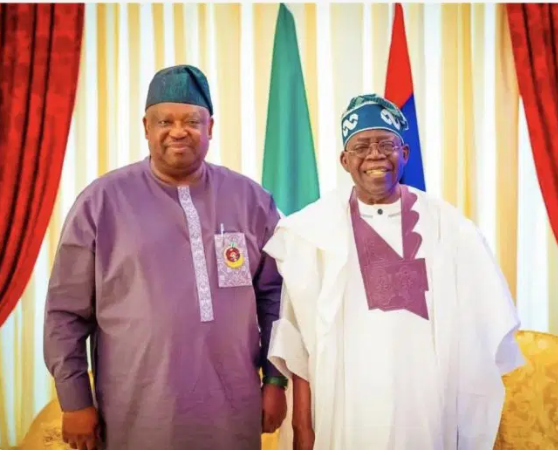
BREAKING: Abuja peace talks move to end plateau violence as Nigeria seeks lasting calm
Uchechi Okporie
May 01, 2026
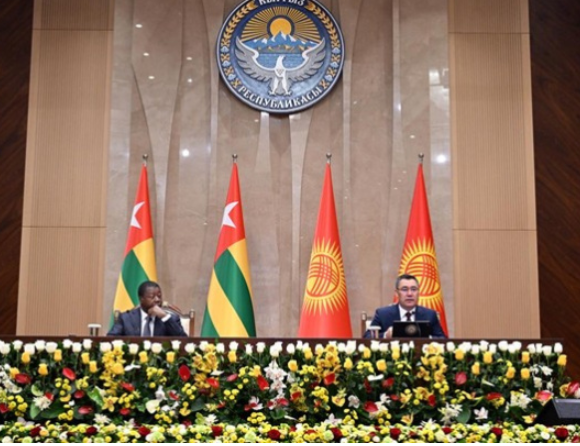
Africa Eyes New Frontiers: Togo and Kyrgyzstan Strike Unlikely Strategic Deal in Bishkek
Uchechi Okporie
May 01, 2026
BREAKING: ‘Ceasefire Illusion’ U.S.–Iran Tensions Choke Global Oil Lifeline, Africa Braces for Economic Shock
Uchechi Okporie
May 01, 2026
Nigeria Sets High-Stakes June 20 Vote Across Six States as Electoral Clock Ticks Toward 2027
Uchechi Okporie

Apr 30, 2026
BREAKING: Ghana’s Zanetor Agyeman-Rawlings Lands Top Pan-African Parliament Role, Signaling New Era of Youthful African Leadership
Uchechi Okporie
Apr 30, 2026
Omo-Agege Reacts to Oborewvori's Comments on 2023 Election, Says Governor Raising the Matter Serves No Useful Purpose
Admin User
Apr 30, 2026
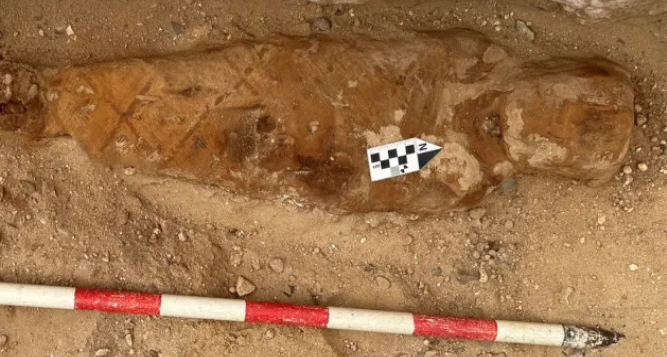
Egypt Stuns the World: 1,600-Year-Old Mummy Found With Ancient Iliad Text Hidden Inside Body
Uchechi Okporie
Apr 30, 2026
Power Struggle in Northern Nigeria: Ilorin Emirate Faces Backlash Over Senatorial Endorsement
Uchechi Okporie