The Role of the World Bank in Africa’s Development
 Admin User
Mar 05, 2026
3 min read
Admin User
Mar 05, 2026
3 min read
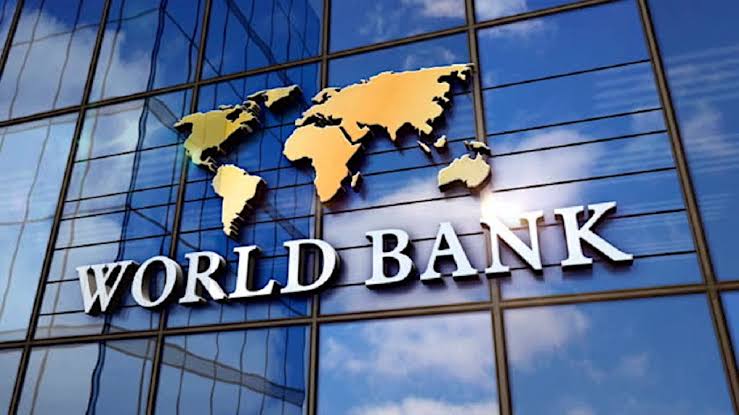
Africa faces a complex mix of development challenges and opportunities, ranging from infrastructure deficits and poverty to rapid population growth and expanding markets. One of the major international institutions supporting the continent’s development agenda is the World Bank. Through financing, policy advice, and technical support, the institution plays a significant role in helping African countries pursue sustainable economic growth and social development.
- Financial Support for Development Projects One of the primary roles of the World Bank in Africa is providing financial resources for development. Many African countries require large-scale investments to build infrastructure, strengthen institutions, and improve public services. Through institutions such as the International Development Association (IDA), the World Bank provides low-interest loans and grants to low-income countries. These funds support projects such as:
- Construction of roads and railways
- Energy generation and electricity distribution
- Water supply and sanitation systems
- Agricultural development programs
Such investments are critical for improving productivity, boosting trade, and supporting economic transformation across the continent.
- Poverty Reduction and Social Development Poverty reduction is central to the mission of the World Bank. Many African nations still face high levels of poverty, unemployment, and inequality. The Bank finances programs aimed at improving:
- Access to education
- Healthcare services
- Social protection systems
- Rural development
For example, funding may be directed toward building schools, improving maternal healthcare services, and supporting vulnerable communities. These programs help improve living standards and expand economic opportunities.
- Infrastructure Development Africa’s infrastructure gap remains one of the biggest obstacles to economic growth. Limited transportation networks, unreliable electricity, and poor water systems hinder industrialization and trade. The World Bank plays a major role in financing infrastructure projects across the continent. These include:
- Hydropower plants and renewable energy projects
- Regional transportation corridors
- Urban development initiatives
- Digital infrastructure expansion
- Improved infrastructure supports regional integration and enhances economic competitiveness.
- Policy Advice and Institutional Support Beyond financial assistance, the World Bank provides policy guidance and technical expertise to African governments. This includes support in areas such as:
- Economic reforms
- Public financial management
- Governance and transparency
- Climate resilience strategies
By helping governments design effective policies and institutions, the Bank aims to strengthen long-term development outcomes.
- Support for Climate and Sustainable Development. Climate change poses serious risks to Africa’s agriculture, water resources, and coastal regions. The World Bank supports climate adaptation and environmental sustainability initiatives across the continent. These efforts include:
- Climate-resilient agriculture
- Renewable energy development
- Disaster risk management
- Protection of natural ecosystems
Related Posts
BREAKING: ‘Ceasefire Illusion’ U.S.–Iran Tensions Choke Global Oil Lifeline, Africa Braces for Economic Shock
A temporary ceasefire in the escalating conflict involving the United States, Israel, and...

Deadly Rain Disaster in India: Hospital Wall Collapse Kills Seven in Bengaluru
At least seven people have been confirmed dead in Bengaluru after a hospital compound wall...

BREAKING: ELECTION VIOLENCE ROCKS INDIA’S WEST BENGAL AS CLASHES ERUPT DURING POLLS
Tensions flared in West Bengal during the second phase of voting as fresh incidents of pol...
Starmer Survives Explosive Parliament Showdown as UK PM Escapes Probe Over US Ambassador Appointment
UK Prime Minister Keir Starmer has narrowly avoided a parliamentary investigation after la...
Such initiatives help African countries pursue development while protecting the environment.
- Promoting Private Sector Growth The World Bank Group also promotes private sector development through institutions such as the International Finance Corporation (IFC). The IFC invests in businesses, supports entrepreneurship, and improves the business environment across African economies. By strengthening private enterprise, these programs help create jobs, stimulate innovation, and diversify economies..
Challenges and Criticisms
Despite its contributions, the World Bank has faced criticism regarding its operations in Africa. Some critics argue that:
-
Loan conditions can pressure governments into economic reforms that may be socially difficult. Debt burdens may increase for some countries..
-
Projects sometimes face implementation challenges or delays. These debates continue to shape discussions about how international financial institutions should support development in Africa.
The World Bank remains one of the most influential partners in Africa’s development efforts. Through financing, policy guidance, and investment in critical sectors, the institution contributes to infrastructure expansion, poverty reduction, and economic growth across the continent.
However, maximizing the benefits of World Bank support requires strong governance, effective project management, and policies tailored to the unique needs of African countries. With the right partnerships and strategies, the collaboration between African nations and the World Bank can play a key role in shaping the continent’s future development trajectory.
Related Posts


Uchechi Okporie
Apr 28, 2026
Melania Trump Demands ABC Sack Jimmy Kimmel as White House Dinner Shooting Scare Rocks America
A fierce political and media storm has erupted in the United States after First Lady Melania Trump publicly called on ABC to take action against late-night comedian Jimmy Kimmel over a controversial joke targeting her, just as a separate shooting scare disrupted the annual White House Correspondents’ Dinner.
Uchechi Okporie
Apr 27, 2026
RUSSIA FORCED OUT OF MALI WAR ZONE AS REBELS SEIZE STRATEGIC CITY — SAHEL ON THE EDGE OF FULL BLOWN CHAOS
Russian Africa Corps forces have confirmed they have withdrawn from the northern Malian city of Kidal following coordinated attacks by separatist fighters and Islamist militants.
Trending
Apr 28, 2026
Africa Outraged as Two Nigerians Killed in South Africa, Abuja Demands Urgent Justice
Uchechi Okporie
Apr 25, 2026
BREAKING AFRICA HOUSING CRISIS: Minister Vows Urgent Action as Nigeria Faces Massive Shelter Shortfall
Uchechi Okporie
Apr 27, 2026
Senator Natasha Declares for 2027 Kogi Central Senatorial Race, Says Her Endorsement Overwhelming
Admin User
Apr 27, 2026
What We Discussed in Our Meeting With Jonathan - Obi Reveals in Explosive Statement
Uchechi Okporie

Apr 28, 2026
A Tall Ambition: Delta Councilor Purchases Expression of Interest Forms to Represent Ndokwa/Ukwuani in House of Reps
Admin User
Apr 25, 2026
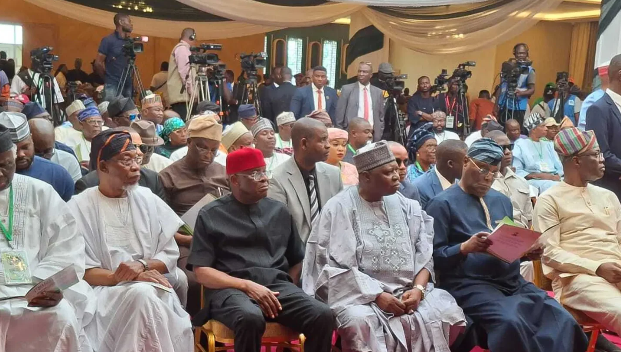
Africa Political Shockwave: Atiku, Obi, Amaechi Gather in Ibadan as Nigeria’s Opposition Forces Signal Major 2027 Battle
Uchechi Okporie
Apr 25, 2026
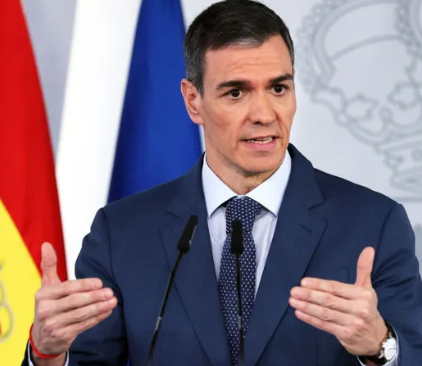
BREAKING: NATO in Internal Storm as US Reportedly Moves Against Spain Over Iran War—Alliance Rules Out Expulsion Powers
Uchechi Okporie
Apr 26, 2026
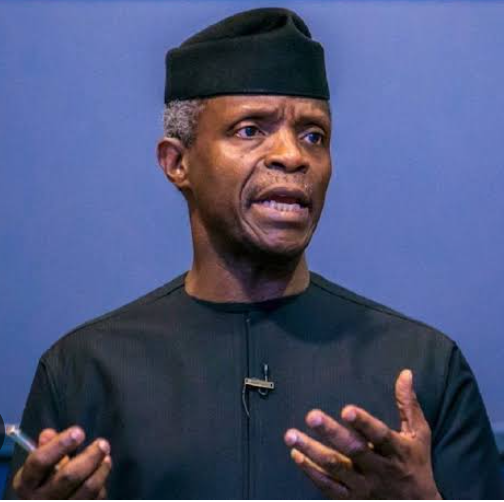
AFRICA DIVIDED: Osinbajo and Gospel Singer Lock Horns in Viral Faith War
Uchechi Okporie
Apr 27, 2026
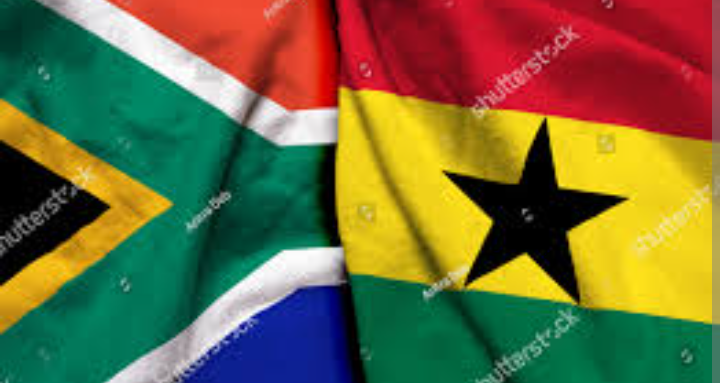
From Brothers to Burdens: Why Nigerians Are No Longer Welcome in South Africa, Ghana - The Sad Story
Uchechi Okporie
Apr 26, 2026
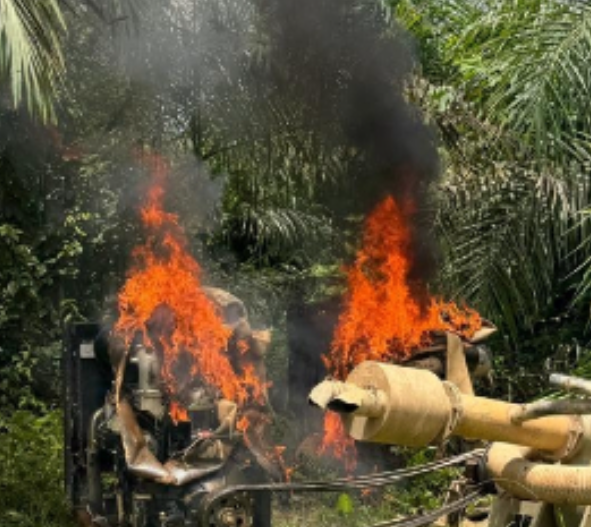
BREAKING: Ghana Forces Storm Illegal Mining Stronghold, Destroy Excavators in Major Anti-Galamsey Crackdown
Uchechi Okporie

Apr 26, 2026
Gunfire Panic Rocks White House Dinner as Trump Evacuated in Major Security Scare
Uchechi Okporie
Latest Stories
May 01, 2026
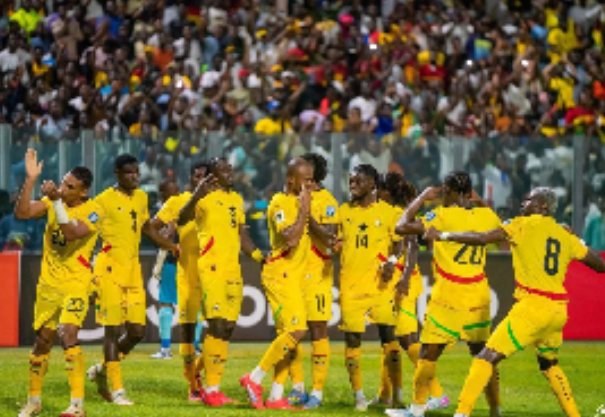
Ghana can shock England, Ahinful warns
Uchechi Okporie
May 01, 2026
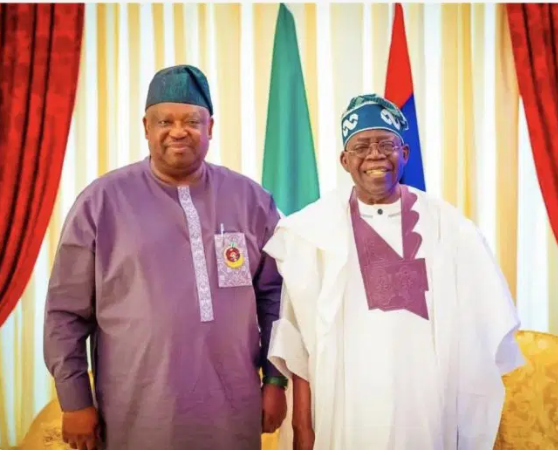
BREAKING: Abuja peace talks move to end plateau violence as Nigeria seeks lasting calm
Uchechi Okporie
May 01, 2026
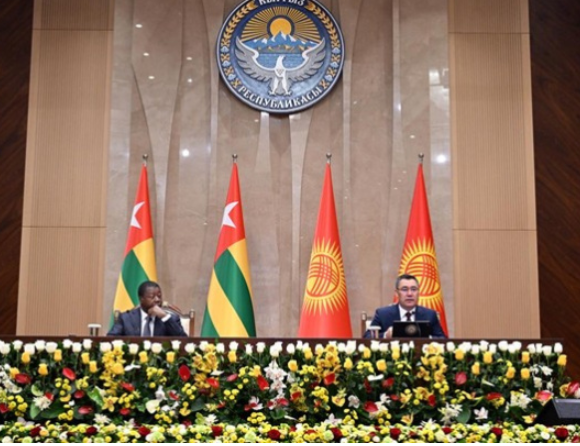
Africa Eyes New Frontiers: Togo and Kyrgyzstan Strike Unlikely Strategic Deal in Bishkek
Uchechi Okporie
May 01, 2026
BREAKING: ‘Ceasefire Illusion’ U.S.–Iran Tensions Choke Global Oil Lifeline, Africa Braces for Economic Shock
Uchechi Okporie
May 01, 2026
Nigeria Sets High-Stakes June 20 Vote Across Six States as Electoral Clock Ticks Toward 2027
Uchechi Okporie
Apr 30, 2026
BREAKING: Ghana’s Zanetor Agyeman-Rawlings Lands Top Pan-African Parliament Role, Signaling New Era of Youthful African Leadership
Uchechi Okporie
Apr 30, 2026
Omo-Agege Reacts to Oborewvori's Comments on 2023 Election, Says Governor Raising the Matter Serves No Useful Purpose
Admin User
Apr 30, 2026
Egypt Stuns the World: 1,600-Year-Old Mummy Found With Ancient Iliad Text Hidden Inside Body
Uchechi Okporie
Apr 30, 2026
Power Struggle in Northern Nigeria: Ilorin Emirate Faces Backlash Over Senatorial Endorsement
Uchechi Okporie
Apr 30, 2026
BREAKING: Nigeria’s Power Crisis Boils As Tinubu Picks New Minister in Urgent Reset
Uchechi Okporie
Apr 30, 2026
Ashanti Political Firestorm: NDC Women’s Boss Drops Bombshell Allegations Against Ejisu MCE
Uchechi Okporie