A Wave of Discontent: Inside the Coordinated Backlash Against Delta’s Three Senators
 Uchechi Okporie
Apr 09, 2026
3 min read
Uchechi Okporie
Apr 09, 2026
3 min read
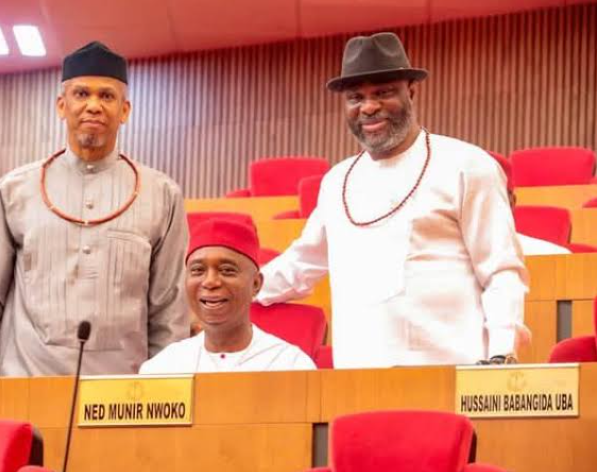
There’s a growing political tension in Delta State that many observers are beginning to describe not merely as dissatisfaction, but as an organized backlash. At the center of it are three first-term senators: Ned Nwoko, Ede Dafinone, and Joel Onowakpo Thomas.
What makes the situation particularly controversial is not just the criticism they face, but the speed, intensity, and coordination of what appears to be a brewing political revolt against them. ** A Revolt Too Early—or Long Overdue?**
Ordinarily, first-term legislators are afforded a grace period, a window to understand the system, build influence, and begin delivering results. But in Delta, that unwritten rule seems to have been discarded. Instead, these senators are confronting a wave of discontent that feels disproportionate to their time in office.
Critics argue that expectations were clear from the outset: visible constituency projects, strong legislative advocacy, and immediate socio-economic impact. In their view, the senators have fallen short. However, supporters of the lawmakers counter that such expectations ignore the structural realities of Nigeria’s legislative system, where influence and results often require time, alliances, and strategic positioning. So why the urgency? Why the impatience?
The Anatomy of the Plot
What is unfolding increasingly resembles more than organic dissatisfaction. Across Delta North, Central, and South, there are murmurs of coordinated narratives, media pressure, grassroots mobilization, and elite dissatisfaction converging into a single objective: politically weaken these senators early.
In Delta North, the scrutiny on Ned Nwoko is particularly intense. Known for his high-profile persona and ambitious initiatives, expectations were arguably inflated from the start. Now, critics are weaponizing that visibility against him, framing every perceived delay as failure.
In Delta Central, Ede Dafinone faces a different kind of pressure, one rooted in technocratic expectations. With his background, constituents anticipated swift policy-driven interventions. The disappointment here feels less emotional and more calculated, with critics questioning competence rather than intent.
Meanwhile, in Delta South, Joel Onowakpo Thomas is grappling with a quieter but equally potent resistance. The narrative is less about visibility and more about perceived absence, an accusation that, in politics, can be just as damaging.
Political Memory and Power Struggles
One cannot ignore the role of entrenched political interests. Delta politics is deeply layered, with longstanding power blocs that do not easily give space to newcomers, even elected ones. What appears as “people’s anger” may, in part, be amplified by actors who feel sidelined or threatened by the current configuration of power.
Related Posts

BREAKING: Lagos APC primaries descend into explosive Surulere standoff as factions trade serious violence accusations
Tension has reached a critical point in Lagos State ahead of the All Progressives Congress...
Delta North: I possess ward by ward glaring evidence showing I won the senatorial primaries - Ned Nwoko Says
Ned Nwoko has launched a blistering attack on the handling of the All Progressives Congres...
Delta APC Primary Crisis Deepens as Ned Nwoko's Camp Demands Okowa’s Disqualification Over Violation of NWC Directives
A major political storm has erupted within Nigeria’s ruling party, the All Progressives Co...

2027 Elections: APC Endorses Senator Bomai as Consensus Candidate for Yobe South
The stakeholders of the All Progressives Congress (APC) in Yobe State have unanimously bac...
This raises an uncomfortable question: is this truly a people-driven backlash, or a sophisticated alignment of elite interests using public sentiment as leverage?
The Danger of Manufactured Expectations
Another controversial dimension is the possibility that expectations themselves were politically engineered. Campaign promises, often exaggerated, may now be serving as tools of accountability, or weapons of destabilization.
If voters were led to believe that transformation would be immediate, then disappointment was inevitable. But should senators be judged on unrealistic timelines? Or should the electorate bear some responsibility for buying into political optimism?
A Test of Political Survival
For Ned Nwoko, Ede Dafinone, and Joel Onowakpo Thomas, this moment is more than criticism, it is a stress test of political resilience. The pressure they face is not just about performance; it is about perception, narrative control, and survival within a highly competitive political ecosystem.
If the current trajectory continues, they risk becoming politically weakened before they have the opportunity to consolidate influence. But if they can navigate this storm, reframe the narrative, engage their constituencies more aggressively, and deliver visible wins, they may yet turn the tide.
Final Thought
The situation in Delta State is a revealing case study in modern Nigerian politics: where perception can outpace performance, and where political opposition can emerge not just from rivals, but from the very people who voted you into office.
Whether this is a justified uprising or a calculated plot depends largely on perspective. But one thing is clear, the battle lines have been drawn unusually early, and the consequences could reshape the political future of Delta State.
Related Posts
Uchechi Okporie
May 19, 2026
Tension Rises as APC Headquarters Disowns Purported Senatorial Primary Results, Says Unauthorized Announcement Violates NWC Directive
The national leadership of the All Progressives Congress has issued a stern disclaimer rejecting the wave of senatorial direct primary results being circulated across several states, declaring them unauthorized and misleadingAPC,
Uchechi Okporie
May 16, 2026
Elumelu Flogs Okolie at APC House of Reps Primaries as Asaba People Vote Against Their Brother
The political career of Hon. Ngozi Okolie may have suffered its biggest blow yet after former Minority Leader of the House of Representatives, Ndudi Elumelu, crushed him mercilessly in the APC House of Representatives primaries in Oshimili South Local Government Area of Delta State.

Chineye Egesi
May 16, 2026
APC Releases Full List of Disqualified House of Reps Aspirants Across Six States
The All Progressives Congress (APC) has published the names of House of Representatives aspirants who were "not cleared" to contest the party's National Assembly primaries ahead of the 2027 general elections. The affected candidates span several states, including Ondo, Bauchi, Ebonyi, Kogi, and Rivers.

Chineye Egesi
May 16, 2026
APC Clears Air: No Proof of Dues Needed to Vote in Primaries
The All Progressives Congress (APC) has clarified that party members do not need to show proof of membership fee payment to vote in its ongoing primary elections.

Chineye Egesi
May 16, 2026
Delays Plague APC Reps Primaries in Adamawa as Officials Go Missing
The All Progressives Congress (APC) faced significant delays in its House of Representatives direct primaries across Adamawa State on Saturday, as officials meant to oversee the exercise were absent in several wards.

Chineye Egesi
May 16, 2026
APC Bars Four Fubara Loyalists, Approves 21 for Rivers House of Reps Primaries
Port Harcourt, Nigeria The All Progressives Congress (APC) has disqualified four political allies of Rivers State Governor Siminalayi Fubara from contesting in the party's House of Representatives primary elections scheduled for Saturday, May 16, 2026.
Uchechi Okporie
May 15, 2026
APC Reps Primaries: Bomadi/Patani People Rise Against Nicholas Mutu, Plan Strong Revolt on Saturday
A major political rupture appears to be unfolding in Delta State’s riverine axis as discontent brews against veteran federal lawmaker Nicholas Ebomo Mutu, who has represented the Bomadi/Patani Federal Constituency in the House of Representatives since Nigeria’s return to democratic rule in 1999.

Uchechi Okporie
May 15, 2026
The Best Is Yet To Come — Ibori-Suenu Sends Message to Supporters in Ethiope Federal Constituency
Erhiatake Ibori-Suenu has formally declared her intention to seek re-election to the House of Representatives in the 2027 General Elections under the platform of the All Progressives Congress (APC).
Trending
May 19, 2026
BREAKING: APC bloodbath rocks Nigeria as governors seize Senate tickets and political titans suffer humiliating collapse ahead of 2027 war
Uchechi Okporie
May 20, 2026
BREAKING: Jonathan Secures Historic PDP Waiver as Turaki Power Bloc Unifies Behind Him, Clearing Path to Near-Uncontested 2027 Presidential Run
Uchechi Okporie
May 19, 2026
Tension Rises as APC Headquarters Disowns Purported Senatorial Primary Results, Says Unauthorized Announcement Violates NWC Directive
Uchechi Okporie
May 19, 2026
Delta APC Primary Crisis Deepens as Ned Nwoko's Camp Demands Okowa’s Disqualification Over Violation of NWC Directives
Uchechi Okporie
May 19, 2026
BREAKING: Fierce Delta North APC battle deepens as Ned Nwoko declares commanding primary victory, dismisses fake results and renews Anioma State mission
Uchechi Okporie
May 17, 2026
Deadly Chaos Erupts Inside Nigeria’s Ruling Party as APC Primary Election Violence Claims Life in Plateau, Raising Fresh Fears Ahead of 2027 Power Battle
Uchechi Okporie
May 17, 2026
BREAKING: Diaspora Group Erupts Over “Disrespect” to Goodluck Jonathan, Fires Warning at VeryDarkMan Amid 2027 Political Tension
Uchechi Okporie
May 18, 2026
Breaking News: Nigeria’s ruling APC throws 47 senatorial aspirants out of 2027 race in dramatic political crackdown
Uchechi Okporie
May 21, 2026
Explainer: Why African Currencies Keep Losing Value Against The Dollar
 Admin User
May 17, 2026
Breaking: Political Earthquake Brewing in Nigeria as Obidient and Kwankwasiyya Forces Raise Massive ₦60 Million Campaign War Chest Ahead of Explosive 2027 Power Battle
Uchechi Okporie
May 18, 2026
BREAKING news: APC primaries explode in Nigeria as political giants collapse, 50 sitting lawmakers wiped out in unprecedented ticket shock
Uchechi Okporie
Latest Stories

May 24, 2026
Benue Ex-Speaker Dajoh, 36 Others Secure PDP Assembly Tickets
Chineye Egesi
May 23, 2026
Eight Longest Serving African Leaders Who Have Refused to Handover Power, One Has Ruled for 47 Years (Read Shocking Details
Admin User

May 23, 2026
Wembley Heartbreak! Hull City Stun Middlesbrough With Last-Gasp Winner to Complete Premier League Return
Uchechi Okporie

May 23, 2026
Terror in Nigeria’s Northeast Deepens as Troops Hunt Down Boko Haram Fighters, Rescue Kidnapped Women and Children From Borno Hideouts
Uchechi Okporie
May 23, 2026
From Brothers-in-Struggle to Rivals-in-Power: How Senegal’s President Diomaye Faye and PM Sonko Fell Apart
Admin User
May 23, 2026
Opposition Figure Warns APC’s Dominance Threatens Nigeria’s Democracy
Chineye Egesi

May 23, 2026
Presidential Race Heats Up: PRP Clears Donald Duke, Two Others for Primaries
Chineye Egesi
May 23, 2026
‘Democracy at a High Level’: Tinubu Hails APC Primaries as Grassroots Success
Chineye Egesi

May 23, 2026
“Evacuate Now: Israel Issues Urgent Strike Warning for 10 Lebanese Villages”
Chineye Egesi

May 23, 2026
From Harvest to Hunger: Climate Chaos Wipes Out Nigerian Farms as Food Crisis Deepens Across Ogun, Oyo and Lagos
Uchechi Okporie

May 23, 2026
Trump Shakes Up U.S. Immigration: Nigerians Must Now Return Home to Apply for Green Cards
Chineye Egesi