Africa Forward Summit: French President Turns to English Speaking Africa, Announces Sweeping €23bn Investment in Africa
 Uchechi Okporie
May 13, 2026
3 min read
Uchechi Okporie
May 13, 2026
3 min read
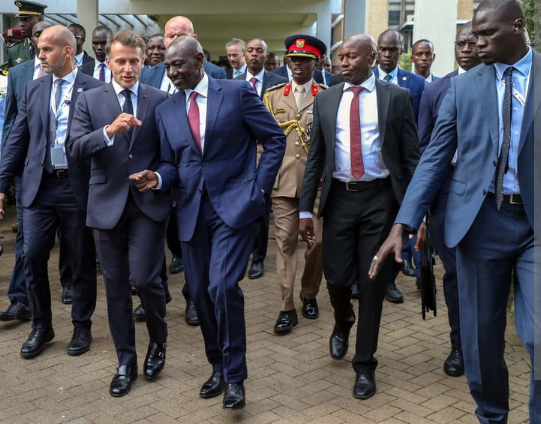
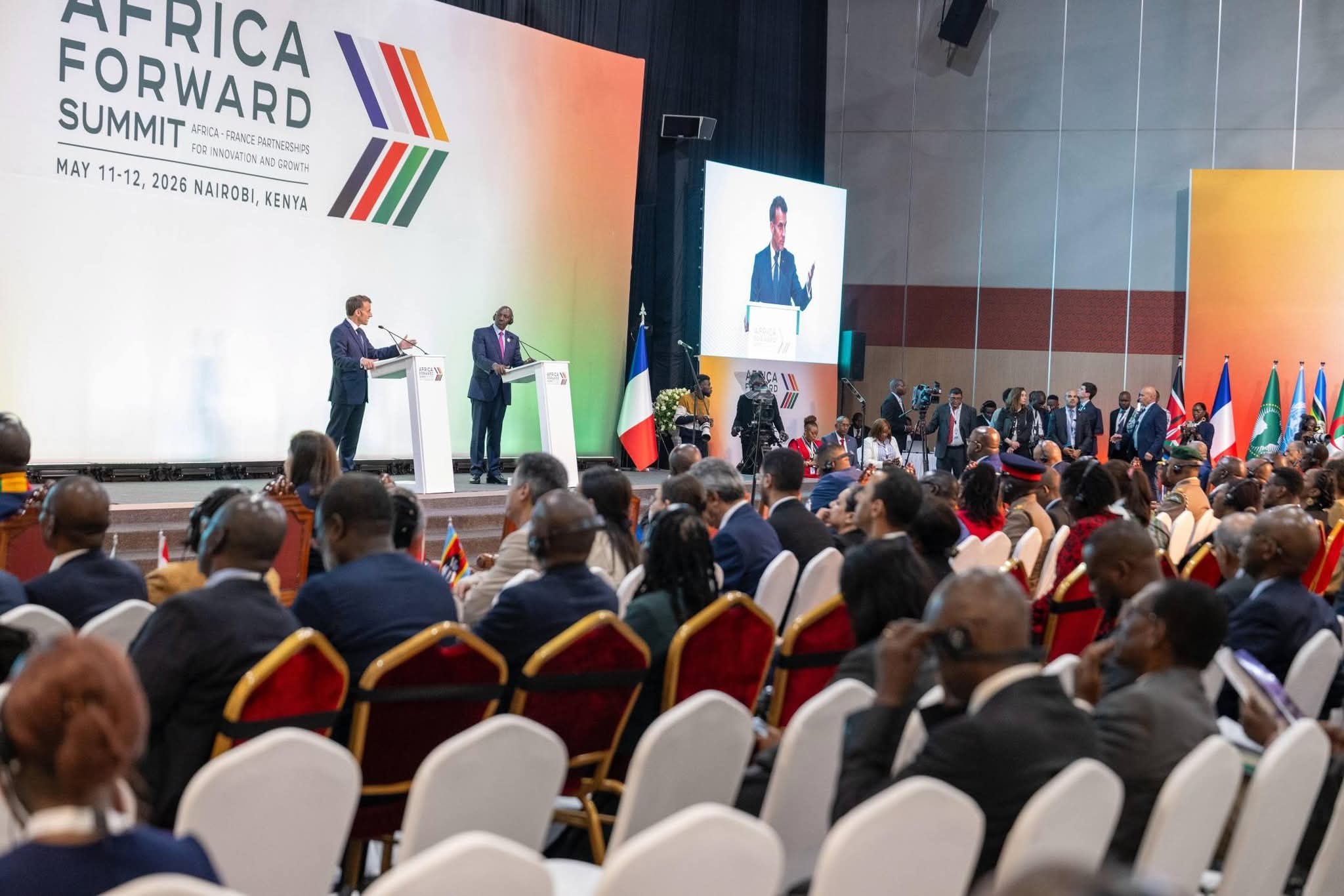
At the Africa Forward summit in Nairobi, French President Emmanuel Macron announced a sweeping 23 billion euro ($27 billion) investment package aimed at deepening economic ties between France and African nations.
Speaking before heads of state, business executives, and policymakers from more than 30 African countries, Macron described the initiative as part of a “partnership of equals” between France and Africa.
The investment package includes 14 billion euros from French public and private institutions and an additional 9 billion euros from African investors.
The funding will target sectors seen as critical to the continent’s future growth, including renewable energy, agriculture, infrastructure, and artificial intelligence.
According to Macron, the projects are expected to generate approximately 250,000 jobs across both Africa and France.
The summit, held in Nairobi, marked the first major France-Africa economic conference hosted in an English-speaking African country.
Analysts view the choice of Kenya as strategic, reflecting France’s attempt to strengthen relations beyond its traditional Francophone sphere of influence.
In recent years, France has faced growing political resistance in several former colonies in West and Central Africa, where anti-French sentiment has increased and military partnerships have weakened.
Macron used the summit to signal a shift in France’s approach toward Africa. Rather than framing relations around aid or historical ties, he emphasized mutual investment and commercial cooperation.
“We are not simply here to invest in Africa,” Macron told delegates. “We also want African business leaders to invest in France.”
He said this new model would move beyond the political sensitivities and historical grievances that have long shaped relations between France and its former colonies.
The summit attracted several influential African and European business leaders.
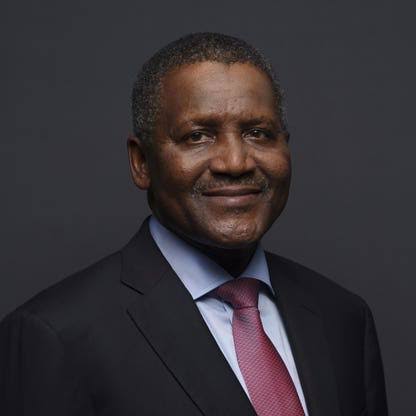
Among them was Aliko Dangote, Africa’s richest businessman, alongside executives from major French corporations such as TotalEnergies and Orange.
French shipping giant CMA CGM announced a separate commitment of 700 million euros to modernize facilities at the port of Mombasa, one of East Africa’s most important trade gateways.
The conference comes at a difficult moment for French influence on the continent.
Related Posts
Kenya President Pushes for New Economic Order as African Leaders Gather in Nairobi
At the ongoing Africa Forward Summit in Nairobi, Kenyan President William Ruto has called...
BREAKING NEWS: Iran Offers Ceasefire to U.S. as Global Oil Panic Threatens Africa
Iran has reportedly made a dramatic new ceasefire offer to the United States, proposing to...
Over the past several years, military governments in countries such as Mali, Burkina Faso, and Niger have reduced ties with Paris and ordered French troops to leave.
France’s military presence in the Sahel region had once been central to counterterrorism operations against armed groups linked to al-Qaeda and ISIS, but critics accused Paris of maintaining neo-colonial influence without delivering lasting security or economic progress.
Against this backdrop, Macron has sought to reposition France as a modern economic partner rather than a dominant political power.
He has also argued that Europe can offer African nations a more balanced long-term partnership compared to rivals such as China and the United States.
China has dramatically expanded its presence in Africa over the last two decades through large-scale infrastructure financing and trade agreements, while the United States has focused heavily on security cooperation and strategic competition.
Before the summit, Macron stirred debate in an interview with The Africa Report magazine by arguing that colonialism alone should not be blamed for Africa’s present-day challenges.
He said African governments must also take responsibility for governance failures and economic mismanagement in the decades following independence.
His comments drew mixed reactions, with some observers agreeing that accountability is necessary, while others accused him of downplaying the enduring impact of colonial rule on African political and economic systems.
Macron also addressed the issue of cultural restitution during the summit, describing the return of African artworks taken during the colonial era as “unstoppable.”
His remarks followed the passage of a French law that clears the way for the repatriation of looted African artefacts held in French museums and collections.
The issue has become increasingly important in diplomatic relations between European nations and former colonies seeking the return of cultural heritage items removed during colonial occupation.
Security cooperation also formed part of the broader context of the summit. While several African countries are reducing Western military involvement, Kenya has expanded its role as a regional security partner for foreign governments.
About 800 French troops arrived in Kenya aboard a naval vessel one month before the summit, highlighting ongoing military collaboration between Paris and Nairobi.
Kenyan President William Ruto welcomed the renewed partnership with France, saying Africa’s future should be driven by investment and economic opportunity rather than dependence on aid and loans.
His remarks aligned closely with the summit’s broader message: repositioning Africa not as a recipient of assistance, but as a major economic and strategic partner in global development.
Related Posts
No related posts found.
Trending
May 10, 2026
Delta2027: I'm Opposed to Emomotimi Guwor, Joel Onowakpo - Ayiri Emami Says, His Reasons Are Explosive
Uchechi Okporie
May 11, 2026
From Defense Chiefs to Convicts: China Sentences Ex-Ministers to Death in Explosive Corruption Probe
Uchechi Okporie
May 10, 2026
Nigeria’s political future in spotlight, as 30-year-old APC hopeful goes viral during parliamentary screening
Uchechi Okporie

May 08, 2026
President Sacks Army Chief, Finance Minister
Uchechi Okporie
May 08, 2026
Nigeria’s military crackdown on social media sparks fears of rising digital warfare and national security threats across Africa
Uchechi Okporie
May 07, 2026
BREAKING: Jonathan triggers 2027 political storm as former Nigerian president considers shock comeback
Uchechi Okporie

May 12, 2026
BREAKING: UK Minister Davis-Jones Resigns, Check Her Reasons
Uchechi Okporie
May 11, 2026
Protect Our Families, South African Women Married to Persecuted Foreigners Cry to President Ramaphosa
Uchechi Okporie
May 07, 2026
El-Rufai’s son exits APC as three lawmakers defect in fresh political realignment
Uchechi Okporie
May 08, 2026
Despite Primaries Not Yet Conducted, Group Mounts Pressure on APC Guber Aspirant to Nominate Running Mate
Uchechi Okporie
May 12, 2026
Stop Running to South Africa, Hold Your Corrupt, Dictatorial Govt Accountable - South African Citizen Tells Nigerians
Uchechi Okporie
Latest Stories
May 13, 2026
Beyond Politics and Propaganda: Why Ned Nwoko Continues to Win the Hearts of Delta North
Uchechi Okporie
May 13, 2026
Africa Forward Summit: French President Turns to English Speaking Africa, Announces Sweeping €23bn Investment in Africa
Uchechi Okporie
May 13, 2026
Adeleke at 66: Nigeria’s Dancing Governor draws nationwide praise as tributes flood Osun
Uchechi Okporie
May 13, 2026
Nigeria's Senator Natasha Cleared for 2027 Kogi Central Senatorial Race
Chineye Egesi

May 13, 2026
SO SAD!! Former Reps Member Dies in Kidnappers Den
Uchechi Okporie

May 13, 2026
Fidelity Bank Grows Earnings by 45%, Shareholders’ Funds Cross N1 Trillion Milestone
Chineye Egesi

May 13, 2026
Nigeria Customs Seizes N6.7bn worth of Contraband in Ogun state Border crackdown
Chineye Egesi
May 13, 2026
Africa Forward Summit: We can't continue to depend on global powers for our future- Rwanda President Tells African Leaders
Uchechi Okporie
May 13, 2026
Africa’s Richest Man, Aliko Dangote, Surpasses $35 Billion Net Worth as Business Empire Expands
Chineye Egesi
May 13, 2026
Africa Bleeds $89 Billion Yearly to Illicit Financial Flows as Experts Push for Tougher Tax and Mining Reforms
Chineye Egesi
May 13, 2026
Kenya Targets Anonymous Crypto Trading with Tough New Tax Disclosure Rules
Chineye Egesi