Kenya Targets Anonymous Crypto Trading with Tough New Tax Disclosure Rules
 Chineye Egesi
May 13, 2026
3 min read
Chineye Egesi
May 13, 2026
3 min read

Kenya is moving to tighten oversight of its fast-growing cryptocurrency market by introducing tougher tax reporting requirements aimed at ending anonymous crypto trading. Under the proposed Finance Bill 2026, cryptocurrency exchanges and virtual asset service providers would be required to disclose customer identities and detailed transaction records to the Kenya Revenue Authority (KRA).
If passed, the law would compel crypto platforms to file annual reports containing user information, including wallet details, trading histories, purchase and sale values, and profits earned from digital asset transactions.
The move is designed to give tax authorities greater visibility into crypto-related earnings and improve tax compliance in one of Africa’s largest digital asset markets.
The government estimates that cryptocurrency transactions in Kenya reached about KES 2.4 trillion ($18.5 billion) between 2021 and 2022, underscoring the growing role of digital assets in the country’s economy. Stablecoins, in particular, have gained traction among businesses involved in cross-border payments and trade.
Related Posts
Africa’s Richest Man, Aliko Dangote, Surpasses $35 Billion Net Worth as Business Empire Expands
Africa’s richest man, Aliko Dangote, has continued his impressive rise in global wealth ra...
Billionaire Motsepe Seals R20bn Power Deal, Creates South Africa’s Renewable Energy Giant
South African billionaire Patrice Motsepe has strengthened his footprint in the energy sec...

Wealth War in Africa: Nigeria's Abdulsamad, South Africa's Rupert Battle for Billionaire Supremacy
Nigerian industrialist Abdulsamad Rabiu and South African luxury magnate Johann Rupert are...
Dangote Eyes $50 Billion Refinery Valuation Ahead of Landmark Pan-African IPO
Aliko Dangote, President of the Dangote Group, is targeting a $50 billion valuation for hi...
The proposed legislation also introduces penalties for inaccurate or incomplete reporting. Crypto firms found guilty of submitting false information could face fines of KES 100,000 ($775) per false entry, prison sentences of up to three years, or both.
Kenya’s latest push mirrors a broader global effort to regulate digital assets, tackle money laundering, and strengthen tax collection.
The proposals are aligned with the Organisation for Economic Co-operation and Development’s Cryptoasset Reporting Framework (CARF), which came into effect in January 2026 and promotes cross-border sharing of crypto transaction data among participating countries.
If approved by Parliament, Kenya would join countries such as South Africa and Mauritius in enforcing stricter compliance measures for cryptocurrency trading as African governments adapt to the expanding digital asset economy.
Related Posts

Chineye Egesi
May 11, 2026
Africa’s Powerhouse: Nigeria’s Top 10 Companies Now Worth N110 Trillion – MTN, Dangote, BUA Lead the Charge
Nigeria’s stock market is becoming increasingly dominated by its largest players. As of April 2026, the ten most valuable companies listed on the Nigerian Exchange (NGX) boasted a combined market capitalization of N110.12 trillion, according to an analysis of market data.

Chineye Egesi
May 11, 2026
CBN Issues Stern Warning to State Governments: Stop the Short-Term Borrowing Spree or Risk Crashing Nigeria’s Inflation-Targeting Dream
In a firm and timely intervention, the Central Bank of Nigeria (CBN) has cautioned state governments across the federation against their growing dependence on short-term borrowing and costly overdrafts.
Trending
May 10, 2026
Delta2027: I'm Opposed to Emomotimi Guwor, Joel Onowakpo - Ayiri Emami Says, His Reasons Are Explosive
Uchechi Okporie
May 11, 2026
From Defense Chiefs to Convicts: China Sentences Ex-Ministers to Death in Explosive Corruption Probe
Uchechi Okporie
May 06, 2026
Senate Shutdown, Sitting Disrupted as Akpabio, Oshiomhole Engage in Heated Confrontation
Uchechi Okporie

May 10, 2026
Nigeria’s political future in spotlight, as 30-year-old APC hopeful goes viral during parliamentary screening
Uchechi Okporie

May 08, 2026
President Sacks Army Chief, Finance Minister
Uchechi Okporie
May 07, 2026
BREAKING: Jonathan triggers 2027 political storm as former Nigerian president considers shock comeback
Uchechi Okporie
May 08, 2026
Nigeria’s military crackdown on social media sparks fears of rising digital warfare and national security threats across Africa
Uchechi Okporie

May 11, 2026
Protect Our Families, South African Women Married to Persecuted Foreigners Cry to President Ramaphosa
Uchechi Okporie

May 12, 2026
BREAKING: UK Minister Davis-Jones Resigns, Check Her Reasons
Uchechi Okporie
May 07, 2026
El-Rufai’s son exits APC as three lawmakers defect in fresh political realignment
Uchechi Okporie
May 08, 2026
Despite Primaries Not Yet Conducted, Group Mounts Pressure on APC Guber Aspirant to Nominate Running Mate
Uchechi Okporie
Latest Stories
May 13, 2026
Africa Forward Summit: We can't continue to depend on global powers for our future- Rwanda President Tells African Leaders
Uchechi Okporie
May 13, 2026
Africa’s Richest Man, Aliko Dangote, Surpasses $35 Billion Net Worth as Business Empire Expands
Chineye Egesi

May 13, 2026
Africa Bleeds $89 Billion Yearly to Illicit Financial Flows as Experts Push for Tougher Tax and Mining Reforms
Chineye Egesi
May 13, 2026
Kenya Targets Anonymous Crypto Trading with Tough New Tax Disclosure Rules
Chineye Egesi
May 13, 2026
Billionaire Motsepe Seals R20bn Power Deal, Creates South Africa’s Renewable Energy Giant
Chineye Egesi
May 13, 2026
Senator Natasha Delivers High Speed Free Internet Hub for Okene Residents
Chineye Egesi

May 13, 2026
French President Arrives in Addis Ababa After Africa Forward Summit in Nairobi
Chineye Egesi
May 13, 2026
Wealth War in Africa: Nigeria's Abdulsamad, South Africa's Rupert Battle for Billionaire Supremacy
Chineye Egesi
May 13, 2026
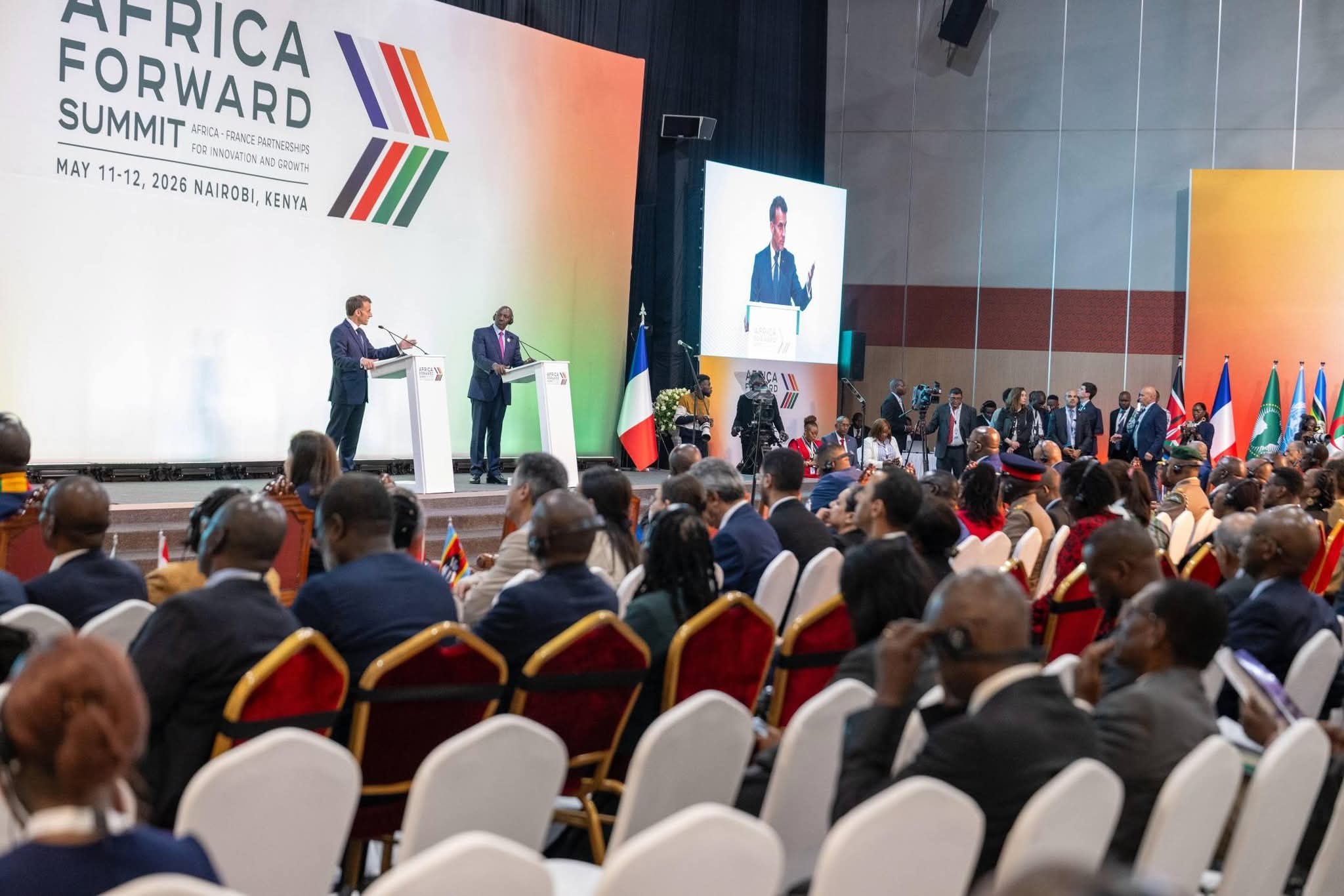
Kenya President Pushes for New Economic Order as African Leaders Gather in Nairobi
Uchechi Okporie
May 13, 2026
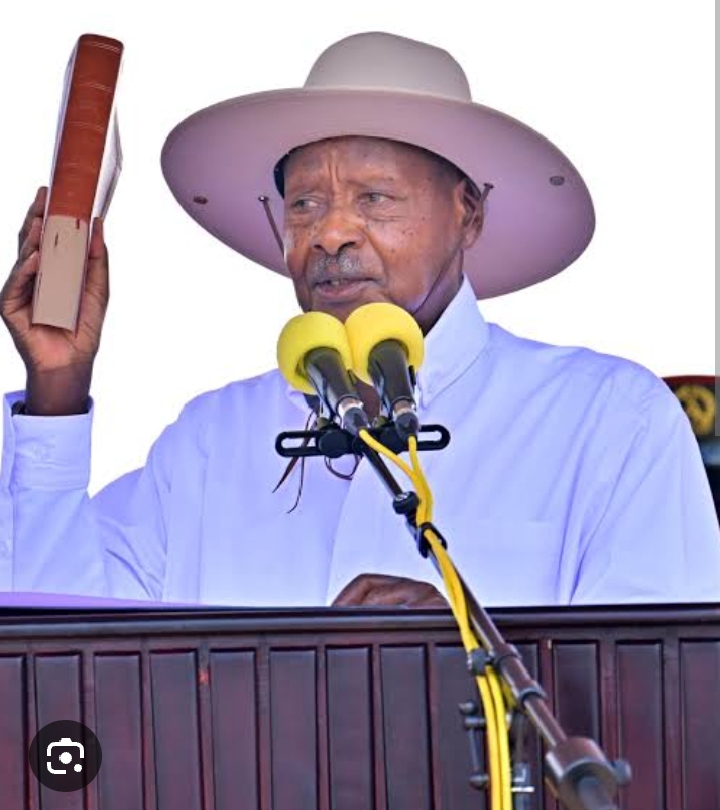
81-Year-Old Uganda President Sworn in for 7th Term After Controversial Election in January
Uchechi Okporie
May 13, 2026
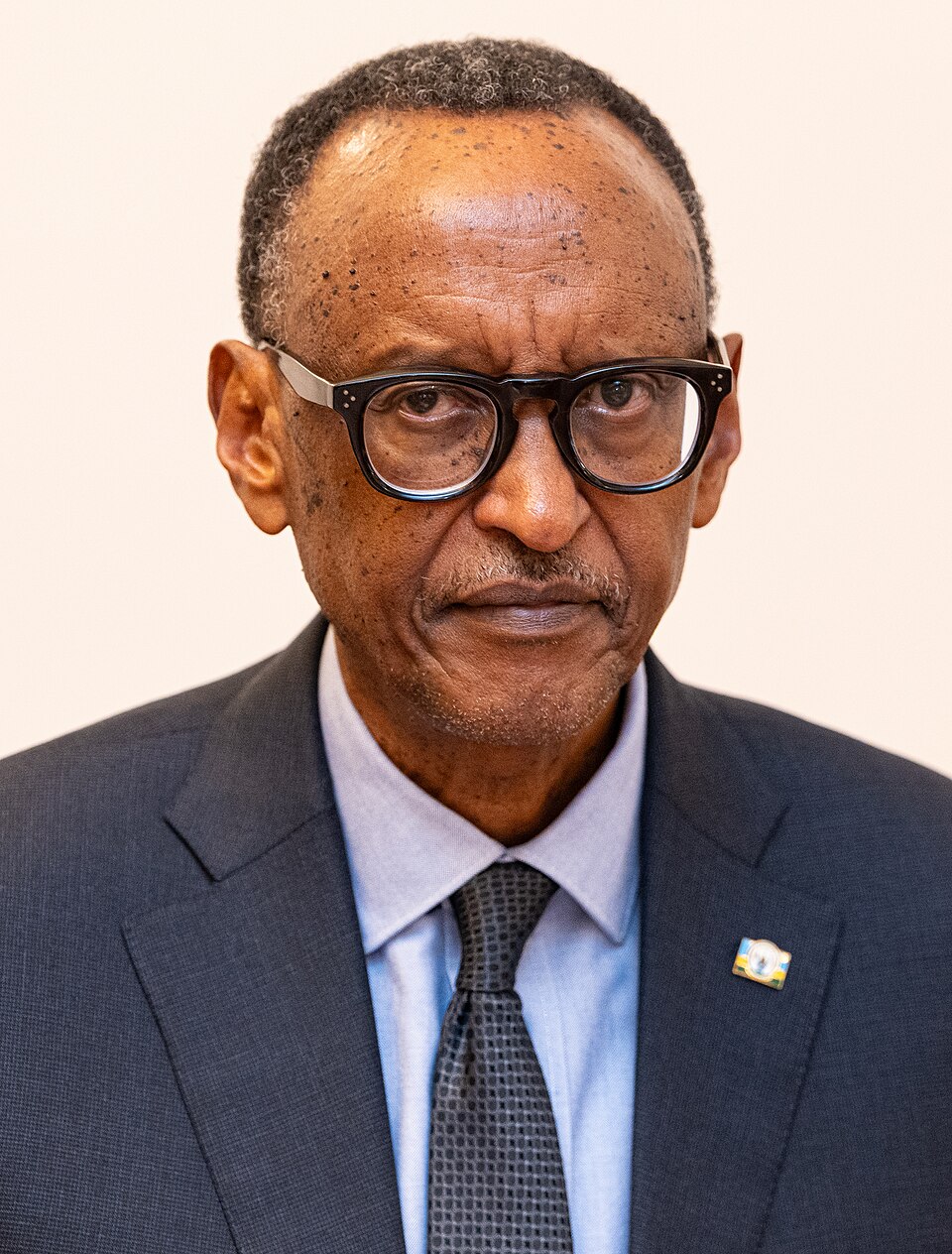
Rwanda President Names African Leaders Linked to Election Crisis in Democratic Republic of Congo
Chineye Egesi