CBN Issues Stern Warning to State Governments: Stop the Short-Term Borrowing Spree or Risk Crashing Nigeria’s Inflation-Targeting Dream
 Chineye Egesi
May 11, 2026
3 min read
Chineye Egesi
May 11, 2026
3 min read
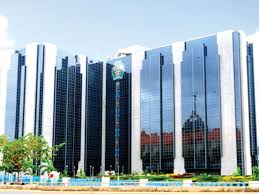
In a firm and timely intervention, the Central Bank of Nigeria (CBN) has cautioned state governments across the federation against their growing dependence on short-term borrowing and costly overdrafts.
The apex bank warned that continued reckless fiscal behaviour at the sub-national level could seriously undermine Nigeria’s planned transition to an inflation-targeting monetary policy framework a move widely seen as critical for long-term economic stability.
The warning was contained in a statement issued by the CBN on Sunday, following a high-level engagement with sub-national stakeholders facilitated through the Nigeria Governors’ Forum (NGF) Secretariat. The meeting brought together top fiscal officials from over 20 states, including commissioners of finance, accountants-general, permanent secretaries, and statisticians.
Speaking at the event, the Deputy Governor in charge of Economic Policy, Dr. Muhammad Sani Abdullahi, made it clear that the success of inflation targeting depends heavily on stronger fiscal coordination between the federal and state governments.
He warned that excessive reliance on overdrafts, frequent supplementary budgets, and unsustainable debt accumulation could weaken monetary policy signals and worsen inflationary pressures across the economy.
Abdullahi urged state governments to align their borrowing activities with clearly defined debt sustainability thresholds, improve the realism of their revenue forecasts, prioritize essential expenditures, and better synchronize their fiscal calendars with prevailing macroeconomic realities.
He emphasized that the principle of avoiding "fiscal dominance" where government borrowing pressures compel the central bank to monetize deficits applies not only at the federal level but equally to state governments.
Related Posts
Africa’s Powerhouse: Nigeria’s Top 10 Companies Now Worth N110 Trillion – MTN, Dangote, BUA Lead the Charge
Nigeria’s stock market is becoming increasingly dominated by its largest players. As of Ap...
U.S. Shells Out $578 Million for Nigerian Crude in Q1 2026 Despite 15% Drop – Report
The United States imported $578.78 million worth of crude oil from Nigeria in the first th...
From N400bn Loss to Record Profits: How MTN Nigeria Engineered a Stunning Turnaround
Just two years ago, MTN Nigeria was in deep trouble. The telecom giant posted a staggering...
From $30.4 Billion to $34 Billion in Weeks: Aliko Dangote’s Wealth Surge Stuns Global Markets as He Unveils East African Refinery Mega-Deal
In less than a week, Africa’s richest man, Aliko Dangote, has added nearly a billion dolla...
The CBN deputy governor further noted that while the central bank controls monetary policy tools, state governments indirectly influence inflation through their borrowing decisions, debt accumulation patterns, expenditure habits, wage obligations, salary arrears, and contractor financing arrangements. He described inflation targeting as a "collective national commitment" that demands disciplined fiscal conduct from all tiers of government to achieve long-term macroeconomic stability, growth, and job creation.
Earlier, the Director of Monetary Policy at the CBN, Dr. Victor Oboh, described inflation targeting as a "win-win framework" capable of reducing macroeconomic uncertainty and improving policy credibility. He stressed that price stability cannot be achieved through monetary policy alone especially in a federal system where state spending, wage policies, and debt accumulation directly affect liquidity and inflation trends.
Supporting the CBN’s stance, the Executive Director of Policy, Strategy and Research at the NGF, Prof. Olalekan Yunusa, commended the apex bank for bringing sub-national fiscal authorities into the transition process early. He affirmed that sustainable macroeconomic stability can only be achieved through disciplined coordination among all levels of government.
The urgency of the CBN’s warning is further underscored by recent data from the Debt Management Office (DMO), which revealed that external debt owed by 32 Nigerian states and the Federal Capital Territory (FCT) rose by a combined $944.12 million in 2025. Total external debt stock increased from $4.80 billion in December 2024 to $5.68 billion by December 2025 a net rise of 18.43% year-on-year.
Four states recorded a slight decline of $59.46 million, which only partially offset the sharp increases seen elsewhere.
Participants at the engagement pledged their support for the CBN’s reform agenda, signaling a growing recognition that fiscal discipline at the state level is no longer optional but essential for Nigeria’s economic future
Related Posts
Chineye Egesi
May 07, 2026
FirstBank Unveils Marketing Powerhouse: Olayinka Ijabiyi Confirmed as Group Head, Marketing & Corporate Communications
In a decisive move that underscores its commitment to strategic brand leadership and corporate governance excellence, FirstBank, West Africa’s premier financial institution and pioneer of financial inclusion, has officially confirmed the appointment of Olayinka Ijabiyi as the substantive Group Head, Marketing and Corporate Communications.

Chineye Egesi
May 07, 2026
FCMB Reopens SheVentures Programme with Zero-Interest Loans of Up to N10 Million to Empower Women Entrepreneurs
First City Monument Bank (FCMB) has officially announced the opening of a new application round for its SheVentures proposition, a financing initiative specifically designed to support women-led businesses across Nigeria. Under this programme, the bank is offering zero-interest loans as high as N10 million to female entrepreneurs, aiming to improve access to working capital and drive sustainable business growth.
Trending
May 04, 2026
Top South South Politician Forced to Drop Senate Bid After Presidential Directive
Uchechi Okporie
May 10, 2026
Delta2027: I'm Opposed to Emomotimi Guwor, Joel Onowakpo - Ayiri Emami Says, His Reasons Are Explosive
Uchechi Okporie
May 05, 2026
Senator Natasha Begins Strategic Build-Up for 2027, Makes Touching Statement About Her Husband
Uchechi Okporie
May 05, 2026
Breaking: Political earthquake in Nigeria as Obi triggers mass defection wave within hours
Uchechi Okporie
May 04, 2026
When Politics Becomes Family Business: The Okowa Question
 Admin User
May 06, 2026
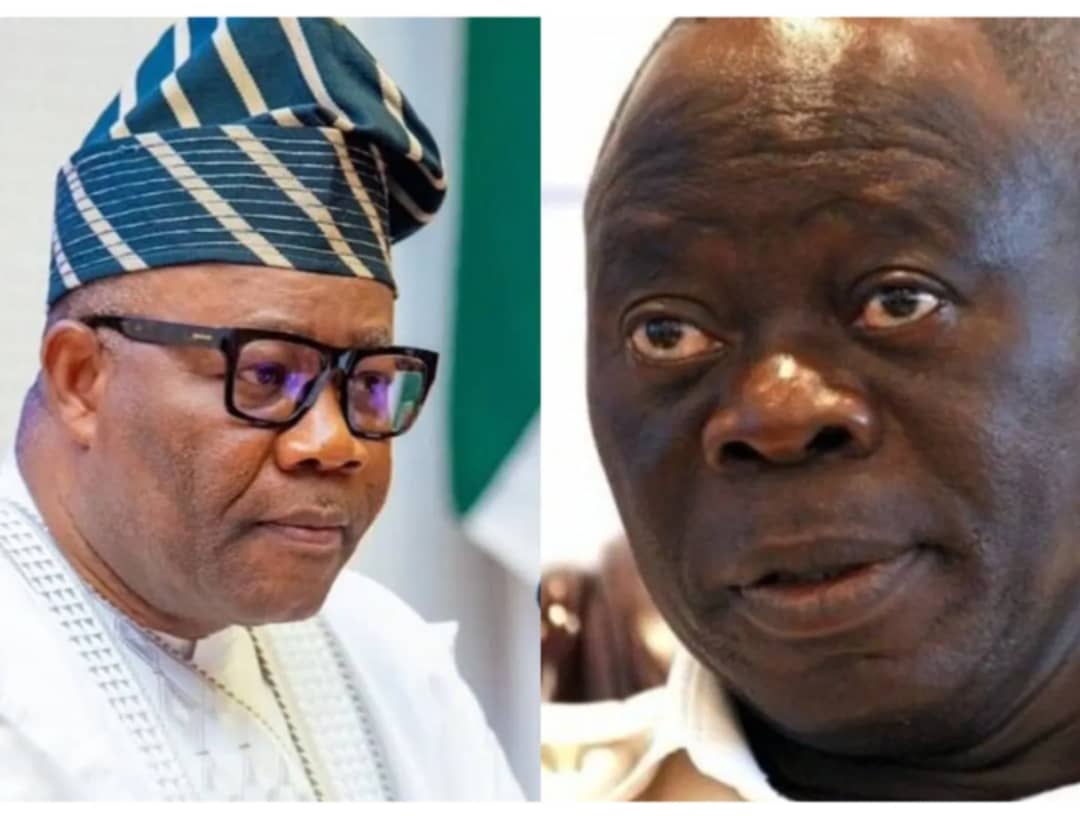
Senate Shutdown, Sitting Disrupted as Akpabio, Oshiomhole Engage in Heated Confrontation
Uchechi Okporie
May 05, 2026
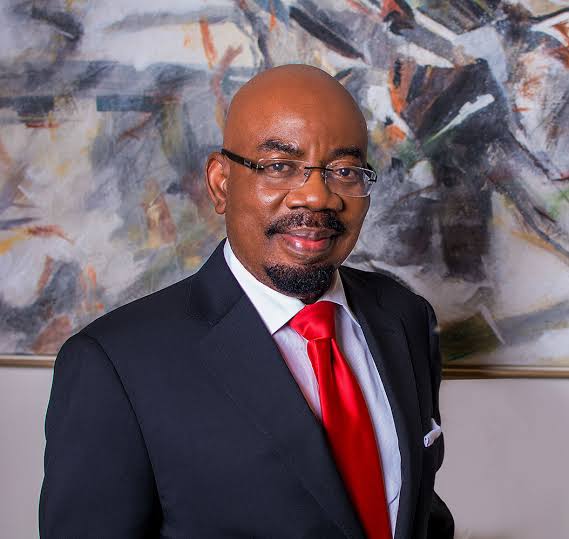
BREAKING: Zenith Bank Makes Big Announcement, Read What Happened to Jim Ovia
Chineye Egesi

May 08, 2026
President Sacks Army Chief, Finance Minister
Uchechi Okporie
May 04, 2026
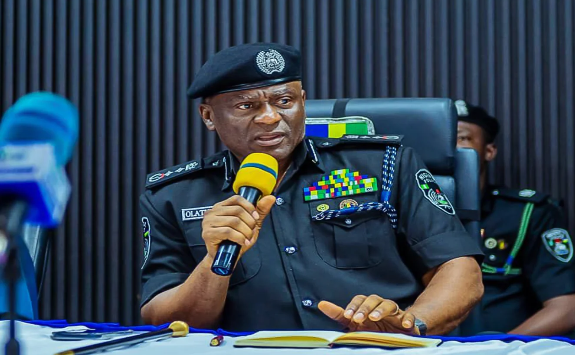
Blood in Effurun: Nigeria orders sweeping manhunt as police chief vows no killer will escape
Uchechi Okporie
May 06, 2026
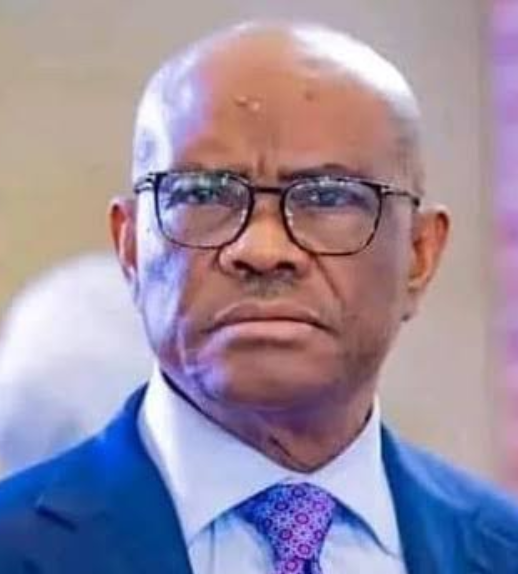
PDP Power War Deepens: Wike issues fiery ultimatum to Turaki faction ‘Open secretariat account or I’ll shut it down’
Uchechi Okporie
May 06, 2026
Political earthquake: Babachir Lawal claims Peter Obi never fully committed to ADC alliance
Uchechi Okporie
Latest Stories
May 11, 2026
Protect Our Families, South African Women Married to Persecuted Foreigners Cry to President Ramaphosa
Uchechi Okporie
May 11, 2026
Africa’s Powerhouse: Nigeria’s Top 10 Companies Now Worth N110 Trillion – MTN, Dangote, BUA Lead the Charge
Chineye Egesi

May 11, 2026
Obi celebrates Osimhen after Nigerian striker powers Galatasaray to Turkish league triumph
Uchechi Okporie

May 11, 2026
Tinubu Govt Begins Repayment of N3.3tn Power Debt, Ignites Historic Turnaround in Nigeria’s Electricity Sector
Chineye Egesi
May 11, 2026
CBN Issues Stern Warning to State Governments: Stop the Short-Term Borrowing Spree or Risk Crashing Nigeria’s Inflation-Targeting Dream
Chineye Egesi
May 11, 2026
U.S. Shells Out $578 Million for Nigerian Crude in Q1 2026 Despite 15% Drop – Report
Chineye Egesi
May 11, 2026
From Defense Chiefs to Convicts: China Sentences Ex-Ministers to Death in Explosive Corruption Probe
Uchechi Okporie
May 11, 2026
History About to Happen!! Delta Councilor Seeking Reps Seat Passes APC Screening in Abuja
Uchechi Okporie
May 10, 2026
SHOCKING!! Nigeria's PDP Reps Member Appears Before APC Governorship Screening Committee in Abuja
Uchechi Okporie
May 10, 2026
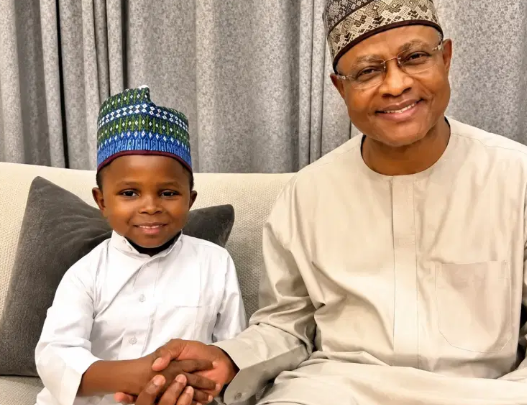
Nigeria’s political future in spotlight, as 30-year-old APC hopeful goes viral during parliamentary screening
Uchechi Okporie
May 10, 2026
Nigeria Labour Union Sends Strong Message to South Africa Over Xenophobic Attacks on Foreigners
Chineye Egesi