Tinubu Govt Begins Repayment of N3.3tn Power Debt, Ignites Historic Turnaround in Nigeria’s Electricity Sector
 Chineye Egesi
May 11, 2026
3 min read
Chineye Egesi
May 11, 2026
3 min read

In a landmark move for Nigeria’s troubled electricity sector, the Federal Government has commenced repayment of longstanding debts owed to power generation companies (GenCos), according to Owen Omogiafo, President and Group CEO of Transnational Corporation Plc (Transcorp).
Describing the development as the “greatest progress yet” in resolving the industry’s deep liquidity crisis, Omogiafo disclosed that settlement contracts have been signed for two major power plants under the Transcorp Group.
“For Transafam, they have started the payments. And for Transcorp Power, they will start sometime this year,” Omogiafo said on the sidelines of the company’s 20th Annual General Meeting in Abuja on Friday.
She specifically commended President Bola Tinubu’s administration for tackling the legacy debt estimated at about N3.3 trillion owed to GenCos and gas suppliers a burden that has long choked the Nigerian Electricity Supply Industry (NESI).
The repayment marks early implementation of a government intervention approved under the Presidential Power Sector Financial Reforms Programme, targeting debts accumulated between February 2015 and March 2025.
According to a statement by Bayo Onanuga, Special Adviser to the President on Information and Strategy, fifteen power plants have already signed settlement agreements worth N2.3 trillion.
Despite persistent challenges including gas supply constraints and transmission infrastructure gaps Omogiafo noted that Transcorp has continued to deliver strong financial performance.
Related Posts
Protect Our Families, South African Women Married to Persecuted Foreigners Cry to President Ramaphosa
In Durban this week, a group of Zulu women reportedly staged a protest demanding greater p...
From Defense Chiefs to Convicts: China Sentences Ex-Ministers to Death in Explosive Corruption Probe
China’s military court has sentenced two former Chinese defense ministers, Li Shangfu and...
Nigeria’s political future in spotlight, as 30-year-old APC hopeful goes viral during parliamentary screening
A 30-year-old aspiring lawmaker in Nigeria has sparked nationwide conversations after his...
Nigeria Labour Union Sends Strong Message to South Africa Over Xenophobic Attacks on Foreigners
The Nigeria Labour Congress (NLC) has called on the Congress of South African Trade Unions...
The Group’s 2025 financial results showed a 33% revenue increase to N544 billion, with profit after tax leaping 44% to N135.9 billion. Total assets rose 33% to about N1 trillion.
Transcorp Power Plc increased its average available capacity to 550 megawatts (from 477MW in 2024), while Transafam Power Limited raised available capacity to 348MW (from 250MW).
In the hospitality arm, Transcorp Hotels Plc saw strong demand, boosted by a new 5,000-seat event centre in Abuja.
Shareholders are now reaping rewards: the Board proposed a total dividend of N2.00 per share for 2025 a far cry from the “kobo kobo” dividends of the past.
“They are now happy to be receiving two naira per share. That is fantastic,” said Tony Elumelu, Transcorp’s Board Chairman, who credited improved operating conditions and effective management for the turnaround.
Omogiafo struck an optimistic tone for investors across the continent: “There will always be challenges… but it’s what you do with those challenges and how you create opportunities out of them.”
Related Posts
Uchechi Okporie
May 09, 2026
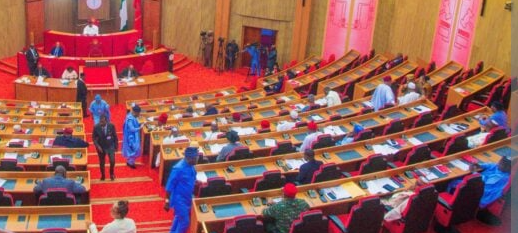
Six Nigerian Governors Declare Interest to Run for Senate
Six sitting governors have declared their interest in contesting senatorial seats ahead of the 2027 general elections. Reports indicate that five of the eight governors elected on the platform of the All Progressives Congress (APC) and due to complete their second terms in May 2027 have officially entered the Senate race.
Uchechi Okporie
May 09, 2026
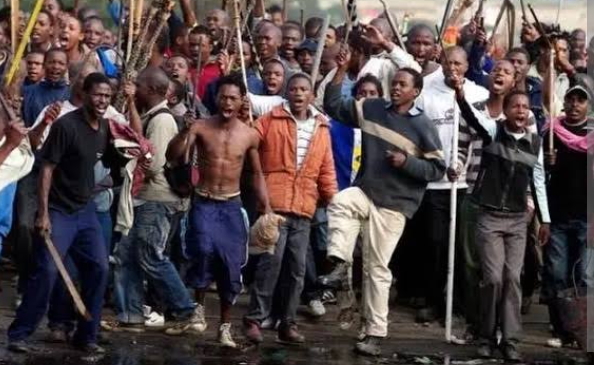
Go Back Home: The Violent Reality Nigerians, Ghanaians, Others Face as South African Streets Burn
South Africa has long presented itself as the economic powerhouse of Africa, a nation rebuilt from the horrors of apartheid and sustained by the ideals of African unity and liberation. Yet beneath the language of Pan-Africanism lies a darker and increasingly disturbing reality: recurring xenophobic violence directed at fellow Africans. Nigerians, Ghanaians, Zimbabweans, Mozambicans, Malawians, Ethiopians and many other African migrants living in South Africa are increasingly facing intimidation, harassment, violent attacks and social exclusion.
Trending
May 04, 2026
Top South South Politician Forced to Drop Senate Bid After Presidential Directive
Uchechi Okporie
May 10, 2026
Delta2027: I'm Opposed to Emomotimi Guwor, Joel Onowakpo - Ayiri Emami Says, His Reasons Are Explosive
Uchechi Okporie
May 05, 2026
Senator Natasha Begins Strategic Build-Up for 2027, Makes Touching Statement About Her Husband
Uchechi Okporie
May 05, 2026
Breaking: Political earthquake in Nigeria as Obi triggers mass defection wave within hours
Uchechi Okporie
May 04, 2026
When Politics Becomes Family Business: The Okowa Question
 Admin User
May 06, 2026
Senate Shutdown, Sitting Disrupted as Akpabio, Oshiomhole Engage in Heated Confrontation
Uchechi Okporie
May 05, 2026
BREAKING: Zenith Bank Makes Big Announcement, Read What Happened to Jim Ovia
Chineye Egesi
May 08, 2026
President Sacks Army Chief, Finance Minister
Uchechi Okporie
May 04, 2026
Blood in Effurun: Nigeria orders sweeping manhunt as police chief vows no killer will escape
Uchechi Okporie
May 06, 2026
PDP Power War Deepens: Wike issues fiery ultimatum to Turaki faction ‘Open secretariat account or I’ll shut it down’
Uchechi Okporie
May 06, 2026
Political earthquake: Babachir Lawal claims Peter Obi never fully committed to ADC alliance
Uchechi Okporie
Latest Stories
May 11, 2026
Protect Our Families, South African Women Married to Persecuted Foreigners Cry to President Ramaphosa
Uchechi Okporie
May 11, 2026
Africa’s Powerhouse: Nigeria’s Top 10 Companies Now Worth N110 Trillion – MTN, Dangote, BUA Lead the Charge
Chineye Egesi

May 11, 2026
Obi celebrates Osimhen after Nigerian striker powers Galatasaray to Turkish league triumph
Uchechi Okporie
May 11, 2026
Tinubu Govt Begins Repayment of N3.3tn Power Debt, Ignites Historic Turnaround in Nigeria’s Electricity Sector
Chineye Egesi
May 11, 2026
CBN Issues Stern Warning to State Governments: Stop the Short-Term Borrowing Spree or Risk Crashing Nigeria’s Inflation-Targeting Dream
Chineye Egesi
May 11, 2026
U.S. Shells Out $578 Million for Nigerian Crude in Q1 2026 Despite 15% Drop – Report
Chineye Egesi
May 11, 2026
From Defense Chiefs to Convicts: China Sentences Ex-Ministers to Death in Explosive Corruption Probe
Uchechi Okporie
May 11, 2026
History About to Happen!! Delta Councilor Seeking Reps Seat Passes APC Screening in Abuja
Uchechi Okporie
May 10, 2026
SHOCKING!! Nigeria's PDP Reps Member Appears Before APC Governorship Screening Committee in Abuja
Uchechi Okporie
May 10, 2026
Nigeria’s political future in spotlight, as 30-year-old APC hopeful goes viral during parliamentary screening
Uchechi Okporie
May 10, 2026
Nigeria Labour Union Sends Strong Message to South Africa Over Xenophobic Attacks on Foreigners
Chineye Egesi