BREAKING: Israeli Prime Minister, Benjamin Netanyahu, Sentenced to 5000 Years in Prison, and here's why
 Admin User
Apr 13, 2026
3 min read
Admin User
Apr 13, 2026
3 min read
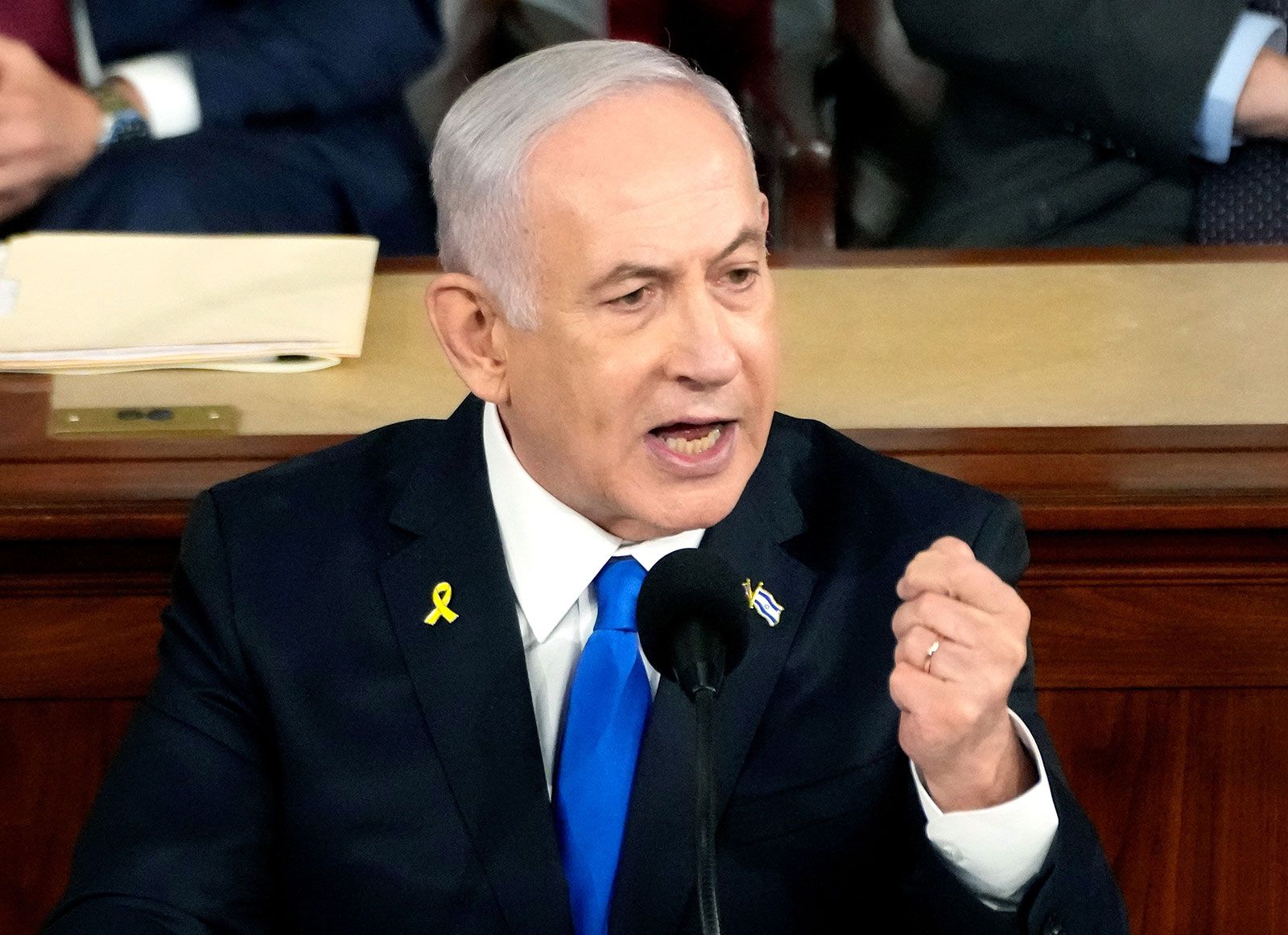
Turkey has escalated its confrontation with Israel by formally indicting Prime Minister Benjamin Netanyahu along with 35 other senior Israeli officials over the controversial interception of the “Sumud” Gaza flotilla in October 2025, a move that underscores deepening geopolitical and legal tensions between the two nations.
According to reports from Turkish media, prosecutors in Istanbul are seeking extraordinarily severe penalties, with cumulative prison sentences reaching up to 4,596 years.
At a minimum, those indicted could face no less than 1,102 years behind bars, reflecting the gravity with which Turkish authorities view the incident.
The indictment, issued by Istanbul’s chief prosecutor, frames the naval operation as an unlawful military assault on civilians in international waters.
Turkish officials argue that the flotilla, comprised dozens of vessels and hundreds of international activists, was a humanitarian mission, making the interception a potential violation of international maritime and human rights law.
Among those named in the indictment are Israel’s Defense Minister Israel Katz and National Security Minister Itamar Ben-Gvir, both of whom are considered key figures in Israel’s security apparatus.
Their inclusion signals Turkey’s intent to hold not just operational commanders, but top political decision-makers accountable.
Turkish Justice Minister Akın Gürlek characterized the indictment as a demonstration of Turkey’s commitment to upholding international legal standards, emphasizing that no state or leader should be above the law.
This legal action follows an earlier arrest warrant issued by Turkey in November 2025 against Netanyahu and other Israeli officials, indicating a sustained legal campaign rather than an isolated case.
The “Global Sumud Flotilla,” which set sail in late August 2025, brought together activists from across the world, including high-profile figures such as climate and political activist Greta Thunberg.
Israeli forces intercepted the flotilla before it could reach Gaza, detaining over 400 participants. While the detainees were later deported, the operation drew widespread international scrutiny and condemnation from several quarters.
Related Posts
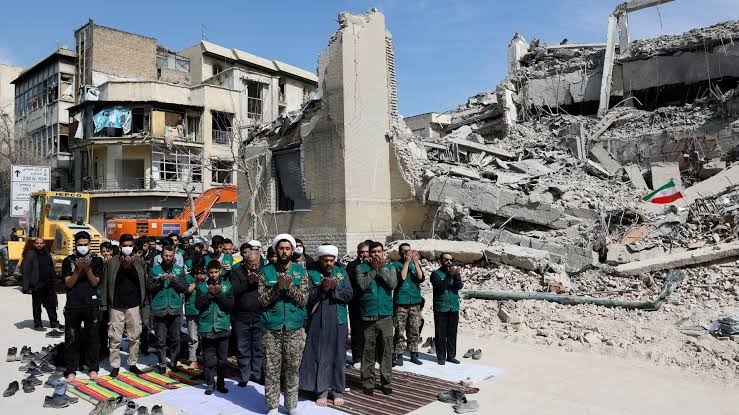
Iran Reels From Devastating War Losses as Military, Infrastructure, Economic Systems Crippled
Iran is grappling with staggering economic and military losses following a six-week war wi...
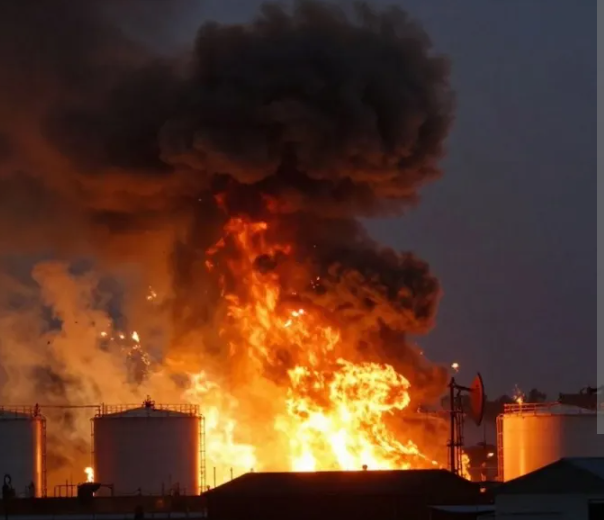
Global Economic Shock Looms as Iran Prepares for Prolonged War in the Middle East
Iran has declared that it is prepared for a prolonged conflict that could severely damage...
The response from Israeli leadership has been swift and combative. In a series of posts on social media platform X (formerly Twitter), Israeli officials rejected the indictment outright. Ben-Gvir responded with a blunt and inflammatory message directed at Turkey’s leadership.
Netanyahu, for his part, accused Turkish President Recep Tayyip Erdoğan of hypocrisy, citing Turkey’s internal conflicts with Kurdish populations.
He reiterated Israel’s broader security stance, asserting that his government would continue its campaign against Iran and allied groups in the region.
Defense Minister Katz dismissed the charges as baseless and politically motivated, labeling the indictment a “grand absurdity.”
He further criticized Erdoğan’s regional posture, accusing him of weakness in the face of Iranian aggression.
Turkey’s Foreign Ministry quickly countered these statements with equally strong rhetoric, accusing Netanyahu of egregious human rights violations and likening his leadership to some of history’s most notorious figures.
The ministry framed the backlash from Israeli officials as evidence of their discomfort with Turkey’s persistent criticism of Israel’s actions, particularly regarding Gaza.
The escalating war of words highlights a broader diplomatic rupture, with legal proceedings now becoming another battleground in an already strained relationship.
At its core, the dispute raises critical questions about the enforcement of international law, the legitimacy of cross-border military operations, and the accountability of state actors in conflict zones.
As the situation develops, the likelihood of these indictments leading to actual prosecutions remains uncertain, given the complexities of international jurisdiction and enforcement.
However, the symbolic implications are significant, potentially influencing global discourse on state accountability and the limits of military power in contested regions.
Trending
Mar 11, 2026
President Tinubu’s Ambassadorial Appointees Encounter International Resistance (Shocking Details)
 Uchechi Okporie
Mar 18, 2026
Nigeria Court Affirms Citizens’ Right to Record Police, Orders Compensation for Rights Violations
Uchechi Okporie
Mar 26, 2026
U.S. BREAKS RANKS AT U.N., VOTES AGAINST GLOBAL SLAVERY RESOLUTION
Uchechi Okporie
Mar 31, 2026
Aftermath of Kwankwaso Defection: Pressure Mounts on INEC to Destabilise ADC
Uchechi Okporie

Mar 09, 2026
Nwoko, Okowa, Ochei: Three Political Heavyweights as Delta North Weighs Options Ahead of 2027
Uchechi Okporie

Mar 11, 2026
Obi Cubana Breaks Silence on City Boy Movement
Uchechi Okporie

Mar 14, 2026
African Football Loses Nigeria Legend Henry Nwosu at 61
Uchechi Okporie
Mar 07, 2026
Peter Obi Breaks Silence on Edo Attack, Warns Political Thugs: “No One Has Monopoly of Violence”
Uchechi Okporie
Mar 31, 2026
Nigeria Declares Three Senate Seats Vacant, Orders Urgent By-Elections
Uchechi Okporie

Mar 08, 2026
Mockery and Missteps: President Sacks 2 Senior Aides After Embarrassing Error
Admin User
Mar 11, 2026
Fiery Prophet Foresees Political Assassinations, Military Ambushes in Selected African Countries
Uchechi Okporie
Latest Stories
Apr 13, 2026
BREAKING: Israeli Prime Minister, Benjamin Netanyahu, Sentenced to 5000 Years in Prison, and here's why
Admin User

Apr 13, 2026
Delta North Political Battle Officially Begins as Okowa Declares for Senate, Says I've Decided to Answer The Call
Uchechi Okporie

Apr 13, 2026
Something Is Happening in This State… But Many Are Refusing to See It
Uchechi Okporie

Apr 13, 2026
BREAKING NEWS: A Silent Crisis Is Sinking Livelihoods Across Africa’s Coastlines
Uchechi Okporie
Apr 13, 2026
Tragedy in Northeast Nigeria as Airstrike Hits Civilian Market, Reportedly Kills 200 People - Reuters Reports
Uchechi Okporie
Apr 12, 2026
21 Hours, No Breakthrough: Why U.S–Iran Talks Collapsed, and What It Means for the World
Uchechi Okporie
Apr 12, 2026
21 Hours, No Breakthrough: Why U.S–Iran Talks Collapsed, and What It Means for the World
Uchechi Okporie
Apr 12, 2026
BREAKING NEWS: He Gave Up Everything… What Followed Is Shaking Thousands Right Now
Uchechi Okporie

Apr 12, 2026
“Transparency Storm Engulfs Private Jet Use in Ghana as Questions Mount Over High-Profile Aircraft Operations”
Uchechi Okporie

Apr 12, 2026
“‘No Vacancy in 2027’: Influential Southeastern Bloc Backs Incumbent Governor, Signaling Early Power Shift in Nigeria’s Political Landscape”
Uchechi Okporie
Apr 12, 2026
BREAKING: Power Struggle Erupts in Nigeria’s Opposition as New Leadership Emerges Amid Deepening Party Crisis
Uchechi Okporie