BREAKING: Two Americans Killed in Philippines Rebel Bloodshed as Asia’s Longest Insurgency Explodes Again
 Uchechi Okporie
Apr 27, 2026
3 min read
Uchechi Okporie
Apr 27, 2026
3 min read
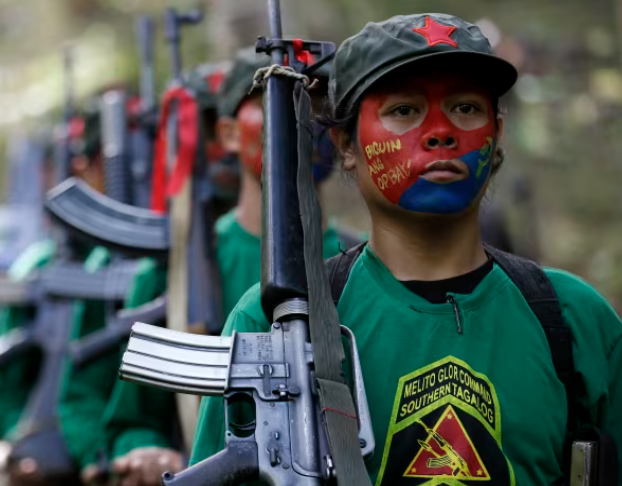
Two American nationals were among 19 people killed during a deadly clash between Philippine security forces and suspected communist rebels in Negros Occidental province, according to officials.
Authorities said the victims were linked to the New People’s Army, a group long designated as a terrorist organization by both the Philippines and the United States.
The violent encounter has drawn global attention, raising fresh concerns over foreign involvement in one of Asia’s oldest armed insurgencies.
Related Posts
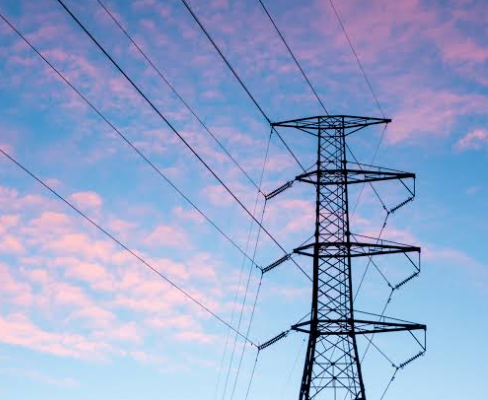
Students in Ebonyi State Call for Better Electricity, Say Businesses Are Failing Over Poor Power Supply
Residents of Ishieke community in Ebonyi State, Nigeria have appealed to the government an...

Arise Interview: Where Delta Governor Sheriff Oborevwori Miscalculated
For the first time Governor Sheriff Oborevwori of Delta State appeared on live television...

Teachers burst govt house gate, mount heavy protest over kidnapping of pupils, teachers, demand urgent action
There was tension in Ogun State as members of the Nigeria Union of Teachers (NUT) staged h...
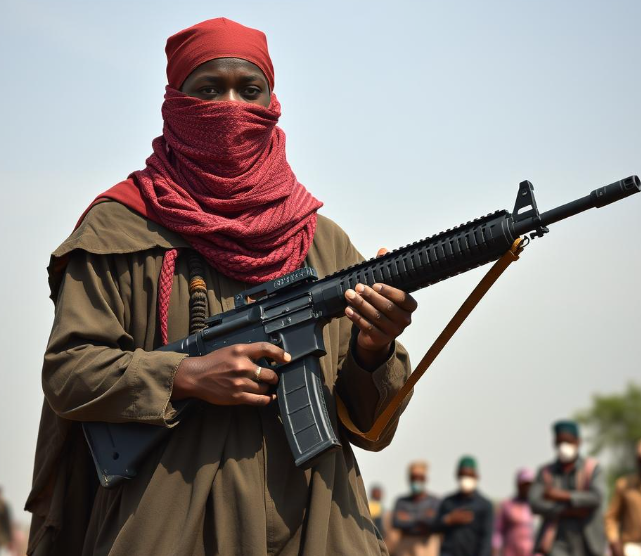
Why Oyo Missing Teachers, School Children Should Be Treated As National Priority
The reported disappearance of children in Oyo State has raised serious concerns among many...
Human rights groups are demanding an independent investigation, alleging that some civilians may also have died during the operation.
The decades-old rebellion, once numbering tens of thousands of fighters, has weakened sharply in recent years — but this latest bloodshed shows the conflict is far from over.
Related Posts
Uchechi Okporie
Jun 01, 2026
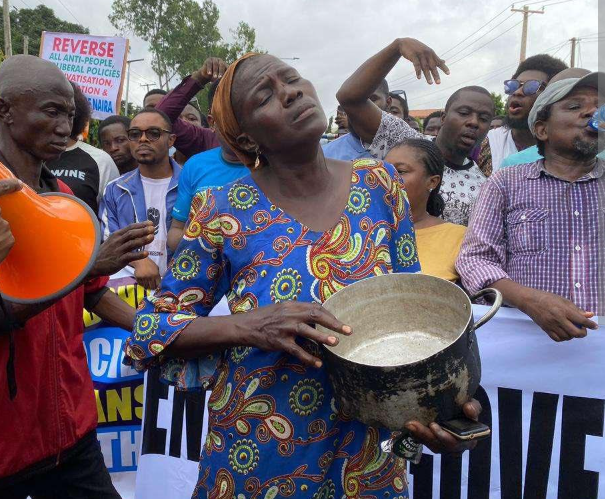
Kidnapping, Economic Hardship: Is Nigeria Government Really Addressing Our Daily Realities?
One of the most important questions emerging from conversations with ordinary Nigerians today is whether governance is keeping speed with the realities faced by citizens on daily basis.

Uchechi Okporie
Jun 01, 2026
Nigerian citizen voices concern over governance, elections, corruption
A Nigerian citizen, Patience Nwafor, has shared her concerns about governance in the country, expressing frustration over corruption, leadership accountability, and the impact of civic protests.
Trending

Jun 09, 2026
Why The Fight Against Kidnapping Must Remain Nigeria's Topmost Priority
Uchechi Okporie
Jun 08, 2026
Video Evidence Sparks Fresh Controversy Over Delta North APC Primaries (Watch The Video)
 Admin User

Jun 06, 2026
Why Delta Needs to Kick Out Oborewvori and Elect A New Development-Driven Governor Under NDC
Uchechi Okporie
Jun 10, 2026
Where Is Nigeria Heading? Ebonyi Resident Cries Out Over Rising Hardship
Uchechi Okporie

Jun 05, 2026
SPECIAL REPORT: How Social Media Is Transforming Business Landscape, Connecting Customers with Buyers Across Africa
Uchechi Okporie
Jun 06, 2026
Delta North Primaries: We're Still Waiting for NWC to Announce Authentic Winner - Ned Nwoko
Admin User
Jun 05, 2026
As 2027 Nears, Nigerian Citizens Are Asking Hard Questions
Uchechi Okporie
Jun 08, 2026
Students in Ebonyi State Call for Better Electricity, Say Businesses Are Failing Over Poor Power Supply
Uchechi Okporie

Jun 08, 2026
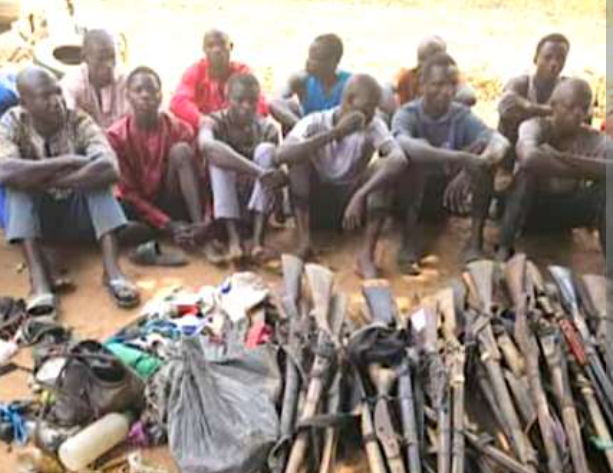
Reps Member Warns: We're Sitting on a Time Bomb, Nigerians Will Soon Beat Up Federal Lawmakers Over Growing Insecurity
Chineye Egesi
Jun 10, 2026
Another Evidence That Nigerian Government Does Not Care About Ordinary People
Uchechi Okporie

Jun 09, 2026
Europe Needs Africa More Than Africa Needs Europe, Peter Obi Sparks Outrage with Explosive London Speech
Chineye Egesi
Latest Stories
Jun 11, 2026
First Batch of Nigerians From South Africa to Arrive Ikeja Airport Thursday Morning - Foreign Affairs Minister Says
Admin User
Jun 10, 2026
Another Evidence That Nigerian Government Does Not Care About Ordinary People
Uchechi Okporie
Jun 10, 2026
Where Is Nigeria Heading? Ebonyi Resident Cries Out Over Rising Hardship
Uchechi Okporie
Jun 10, 2026
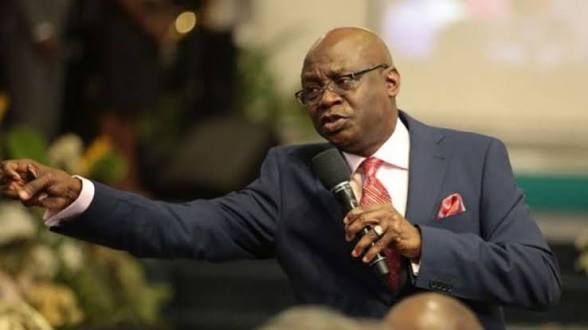
Spineless Legislature: Bakare Launches Fresh Attack on Federal Lawmakers, Says NASS Extension of Tinubu's Cabinet
Chineye Egesi
Jun 09, 2026
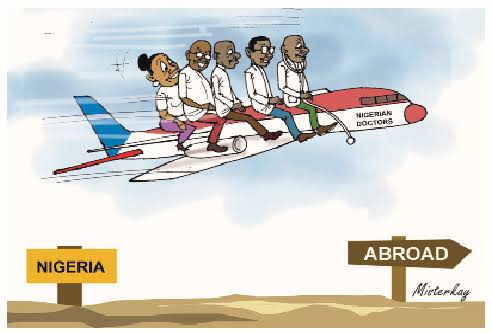
JAPA DREAMS: Why Many Nigerian Students See Their Future Beyond Nigeria
Admin User
Jun 09, 2026
Why The Fight Against Kidnapping Must Remain Nigeria's Topmost Priority
Uchechi Okporie
Jun 09, 2026
Europe Needs Africa More Than Africa Needs Europe, Peter Obi Sparks Outrage with Explosive London Speech
Chineye Egesi
Jun 08, 2026
Reps Member Warns: We're Sitting on a Time Bomb, Nigerians Will Soon Beat Up Federal Lawmakers Over Growing Insecurity
Chineye Egesi
Jun 08, 2026
Students in Ebonyi State Call for Better Electricity, Say Businesses Are Failing Over Poor Power Supply
Uchechi Okporie
Jun 08, 2026
Video Evidence Sparks Fresh Controversy Over Delta North APC Primaries (Watch The Video)
Admin User
Jun 06, 2026
Delta North Primaries: We're Still Waiting for NWC to Announce Authentic Winner - Ned Nwoko
Admin User