ECOWAS at Crossroads: Lawmakers Warn Over AES Split, Migrant Attacks, Failing Free Movement
 Chineye Egesi
May 08, 2026
3 min read
Chineye Egesi
May 08, 2026
3 min read
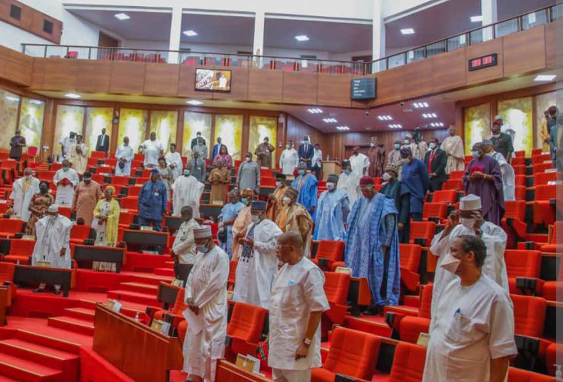
West Africa’s regional bloc, the Economic Community of West African States (ECOWAS), is confronting mounting internal and external pressures as lawmakers meeting in Abuja for the First Ordinary Session of 2026 debate the future of regional integration.
At the centre of discussions are the withdrawal of Mali, Burkina Faso and Niger from ECOWAS, worsening insecurity across the region, and increasing attacks on West African migrants.
Although the three Sahel nations officially exited ECOWAS in January 2025 to form the Alliance of Sahel States (AES), Nigerian lawmaker Dr. Sulaiman Gumi urged the bloc to keep diplomatic channels open, insisting it remains in the countries’ long-term interest to return to ECOWAS.
However, lawmakers warned that preserving regional unity will require more than political appeals.
Ghanaian MP and Third Deputy Speaker Alexander Afenyo-Markin strongly criticised the bloc’s inability to protect citizens travelling within and beyond the region.
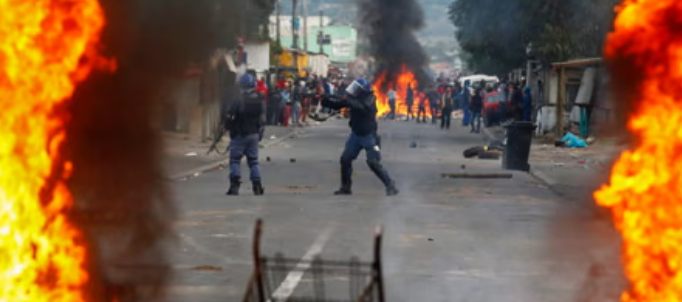
Referring to the killing of Ghanaian tomato traders in Burkina Faso and xenophobic attacks against West Africans in South Africa, he declared that a regional body that cannot guarantee the safety of its people risks losing credibility.
According to him, speeches and declarations alone are insufficient to address the growing insecurity facing West African citizens.
In response, the ECOWAS Parliament directed its Committee on Political Affairs to investigate terrorist attacks in Mali and Burkina Faso, as well as anti-migrant violence in South Africa.
Lawmakers also acknowledged that the ECOWAS Free Movement Protocol continues to face serious implementation challenges.
Harassment at border posts, bureaucratic bottlenecks, and limited public awareness of citizens’ rights were identified as major obstacles undermining one of the bloc’s core principles.
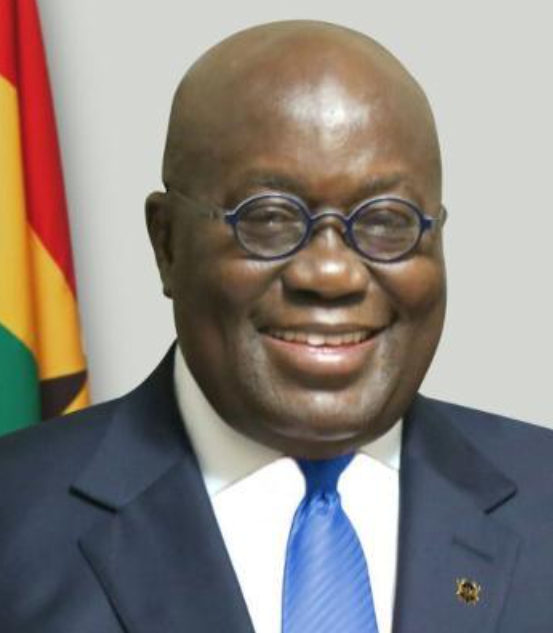
Amid the growing concerns, Ghana reinforced its commitment to the regional body by paying $82.5 million in outstanding ECOWAS levies, a move seen as strengthening its influence at a time when the organisation is under pressure to demonstrate relevance and cohesion.
Tensions also surfaced during deliberations over member states’ reports. Nigerian delegate Awaji-Inombek Abiante criticised what he described as attempts by some countries to downplay serious domestic issues in official presentations.
He accused Senegal of failing to document arbitrary arrests and faulted Liberia and Sierra Leone for omitting details of a border dispute with Guinea. His remarks sparked reactions from fellow lawmakers, prompting a heated exchange during the session.
Elsewhere, Senegalese delegates highlighted agricultural modernisation efforts as a key driver of economic growth, while the departure of Ivorian lawmakers signalled ongoing institutional changes within the Parliament.
The session underscored a defining moment for ECOWAS as the bloc grapples with political fragmentation, security threats, migration concerns, and questions over accountability.
For many observers, the challenge now is whether ECOWAS can evolve into a truly unified regional force or risk being viewed as a symbolic institution with limited practical influence.
Related Posts
No related posts found.
Trending
May 04, 2026
Top South South Politician Forced to Drop Senate Bid After Presidential Directive
Uchechi Okporie
May 02, 2026
Nigeria summons South African envoy over fresh tensions as alleged attacks on citizens spark continental concern
Uchechi Okporie
May 05, 2026
Senator Natasha Begins Strategic Build-Up for 2027, Makes Touching Statement About Her Husband
Uchechi Okporie
May 04, 2026
When Politics Becomes Family Business: The Okowa Question
 Admin User
May 05, 2026
Breaking: Political earthquake in Nigeria as Obi triggers mass defection wave within hours
Uchechi Okporie
May 05, 2026
BREAKING: Zenith Bank Makes Big Announcement, Read What Happened to Jim Ovia
Chineye Egesi
May 03, 2026
Global shock move ahead of Nigeria 2027 race as Peter Obi and Rabiu Kwankwaso prepare to unveil new political platform
Uchechi Okporie
May 06, 2026
Senate Shutdown, Sitting Disrupted as Akpabio, Oshiomhole Engage in Heated Confrontation
Uchechi Okporie
May 04, 2026
Three Reportedly Arrested Over False Divorce Rumour About Tony Elumelu
Chineye Egesi
May 04, 2026
Blood in Effurun: Nigeria orders sweeping manhunt as police chief vows no killer will escape
Uchechi Okporie
May 08, 2026
President Sacks Army Chief, Finance Minister
Uchechi Okporie
Latest Stories
May 08, 2026
Police arrest another key suspect in abduction of Bayelsà Judge five months after
Admin User
May 08, 2026
Nigeria's IGP sets up Violent Crime Response Units, orders CPs to restructure tactical units in states
Admin User
May 08, 2026
APC power struggle deepens as governors split over move to oust Uzodimma from PGF leadership
Uchechi Okporie
May 08, 2026
South African Court Clears Way for Impeachment Proceedings Against President Ramaphosa
Uchechi Okporie
May 08, 2026
Ned Nwoko: Wealth, Influence, and a Rare Reputation Untainted by Corruption
Uchechi Okporie
May 08, 2026
ADC legal storm deepens as Nafiu bala Gombe pushes for transfer of case involving David Mark and Rauf Aregbesola amid rising political tensions in Nigeria
Uchechi Okporie
May 08, 2026
ECOWAS at Crossroads: Lawmakers Warn Over AES Split, Migrant Attacks, Failing Free Movement
Chineye Egesi
May 08, 2026
The Big Five: How 5 Nations Will Dominate 50% of a $3.6 Trillion African Economy by 2026 (See the 5 and their positions)
Chineye Egesi
May 08, 2026
President Sacks Army Chief, Finance Minister
Uchechi Okporie
May 08, 2026
Nigeria begins evacuation of citizens over xenophobia fears in south africa
Uchechi Okporie
May 08, 2026
Nigeria’s military crackdown on social media sparks fears of rising digital warfare and national security threats across Africa
Uchechi Okporie