Global Energy Crisis Sparks Alarm: Middle East Conflict Threatens Business Viability and Jobs in Nigeria
 Uchechi Okporie
Mar 24, 2026
3 min read
Uchechi Okporie
Mar 24, 2026
3 min read

Leaders of major Nigerian business and labour organisations have warned that the ongoing conflict in the Middle East and its resulting surge in global energy costs is putting thousands of businesses at risk of shutting down and could lead to significant job losses if left unchecked.
Representatives from the Nigeria Employers Consultative Association (NECA), Nigeria Labour Congress (NLC), Lagos Chamber of Commerce and Industry (LCCI) and the Association of Small Business Owners of Nigeria (ASBON) collectively raised concerns this week, saying that rising fuel prices are squeezing profit margins, driving up production costs and eroding household purchasing power across key economic sectors.
NECA’s Director-General, Adewale-Smatt Oyerinde, described the situation as “alarming,” noting that while crude oil prices had risen globally due to geopolitical instability, domestic energy costs were also increasing sharply a trend that threatens industrial operations, transport and agriculture. He emphasised that higher fuel and diesel prices were pushing up logistics and production costs, which smaller firms may not survive without intervention.
Related Posts

Police arrest another key suspect in abduction of Bayelsà Judge five months after
Operatives of the newly established Inspector General Police(IGP) Violent Crime Response U...

Nigeria's IGP sets up Violent Crime Response Units, orders CPs to restructure tactical units in states
The Inspector General of Police (IGP), Olatunji Disu, has established the Violent Crime Re...
Ned Nwoko: Wealth, Influence, and a Rare Reputation Untainted by Corruption
In a political environment where accusations of corruption trail almost every public figur...
South Africa's Dangerous Mistake: Why turning against fellow Africans a betrayal of the continent's struggle
For decades, South Africa stood as a symbol of African resistance, dignity and liberation....
“These rising costs are not only impacting businesses’ bottom lines,” Oyerinde said, “they are also squeezing consumers and pushing the cost of living higher. If this trend continues unchecked, we risk not only business closures but widespread job losses.”
Echoing NECA’s concerns, NLC President Joe Ajaero said that the crisis was putting jobs at risk and urged the government to use increased revenues from the current economic environment to cushion workers and citizens. Meanwhile, LCCI and ASBON highlighted how currency volatility, supply chain disruptions and higher import costs are adding to operational pressures on firms throughout Nigeria.
The warnings come as petrol prices in major cities like Lagos and Abuja have climbed, increasing the cost of transport and basic goods for many households, and prompting calls from business groups for immediate government action to stabilise the market and support vulnerable industries.
Related Posts

Chineye Egesi
May 07, 2026
Cybercriminals Target Nigeria: 13 Million Personal, Company Passwords Exposed Over Two Decades - Report Says
A new cybersecurity report has revealed that Nigeria recorded 281,500 leaked user accounts in the first quarter of 2026, placing the country 34th on the global list of most breached nations.
Uchechi Okporie
May 06, 2026
Senate Shutdown, Sitting Disrupted as Akpabio, Oshiomhole Engage in Heated Confrontation
The Nigerian Senate descended into a tense and disorderly session on Wednesday, as a sharp confrontation broke out between Senate President Godswill Akpabio and Senator Adams Oshiomhole over the interpretation and enforcement of recently amended Standing Rules.
Uchechi Okporie
May 06, 2026
2027: Only Senators Who Served in 9th and 10th Senate Qualify for Senate Leadership - Amended Rule Says
The Senate has revised its internal rules in a move many observers interpret as an effort to limit who can contest for top leadership positions in 2027, particularly amid speculation about the ambitions of Hope Uzodimma.

Chineye Egesi
May 05, 2026
Data App Pulls Out of Nigerian Market, Cites 95 Percent Fraud Rate Traced to Nigerian Users
Kled AI, an opt-in marketplace that pays users for contributing data to train artificial intelligence systems, has temporarily withdrawn its app from Nigeria’s App Store and blocked access from the region.
Uchechi Okporie
May 05, 2026
We Should Give South Africa The Madness They Are Looking For - Oshiomhole Threatens Fire Against SA Investments in Nigeria
Senator Adams Oshiomhole has called on Nigeria’s federal government to take a firmer stance against South Africa following renewed xenophobic attacks targeting Nigerians and other African migrants.

Uchechi Okporie
May 05, 2026
BREAKING: Diplomatic firestorm erupts as Nigeria demands justice over brutal xenophobic killings in South Africa
Nigeria has triggered a high-stakes diplomatic showdown after demanding an urgent and uncompromising investigation into the killing of its citizens in South Africa, sending shockwaves across the continent.

Chineye Egesi
May 04, 2026
Nigeria’s States Deepen External Borrowing as Debt Hits $5.68bn
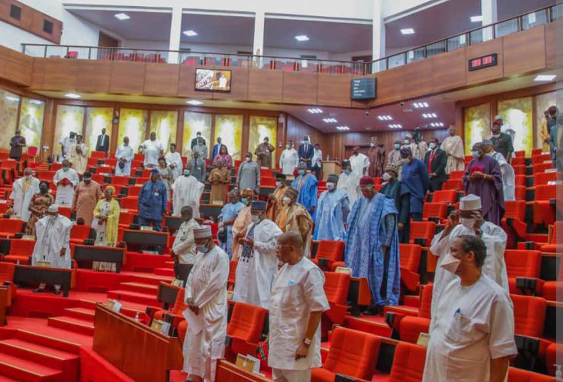
Nigeria’s subnational external debt profile expanded significantly in 2025, with 32 states and the Federal Capital Territory (FCT) collectively increasing their foreign obligations by $944.12 million, according to newly analysed data from the Debt Management Office (DMO).
Uchechi Okporie
May 04, 2026
Top South South Politician Forced to Drop Senate Bid After Presidential Directive
Former Cross River governor, Ben Ayade, has expressed disappointment over an alleged directive from President Bola Tinubu asking him to step down from his bid for the Cross River North Senate seat, though he says he will comply out of loyalty.
Trending
May 04, 2026
Top South South Politician Forced to Drop Senate Bid After Presidential Directive
Uchechi Okporie

May 02, 2026
Nigeria summons South African envoy over fresh tensions as alleged attacks on citizens spark continental concern
Uchechi Okporie

May 05, 2026
Senator Natasha Begins Strategic Build-Up for 2027, Makes Touching Statement About Her Husband
Uchechi Okporie

May 04, 2026
When Politics Becomes Family Business: The Okowa Question
 Admin User
May 05, 2026
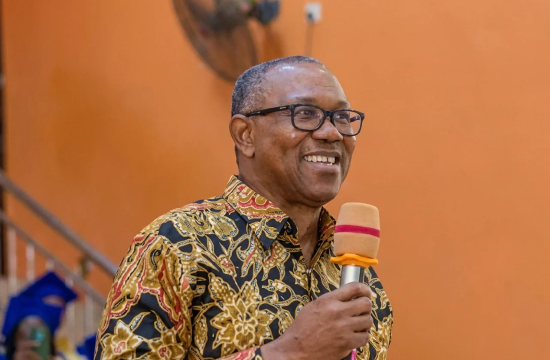
Breaking: Political earthquake in Nigeria as Obi triggers mass defection wave within hours
Uchechi Okporie

May 05, 2026
BREAKING: Zenith Bank Makes Big Announcement, Read What Happened to Jim Ovia
Chineye Egesi
May 03, 2026
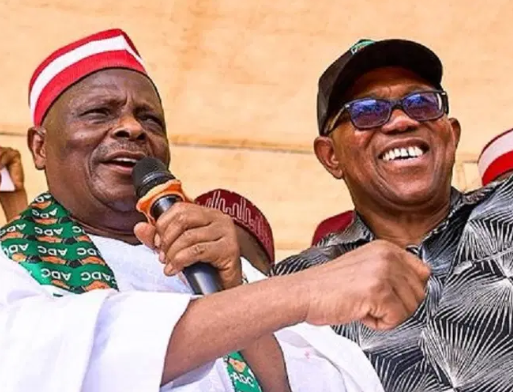
Global shock move ahead of Nigeria 2027 race as Peter Obi and Rabiu Kwankwaso prepare to unveil new political platform
Uchechi Okporie
May 06, 2026
Senate Shutdown, Sitting Disrupted as Akpabio, Oshiomhole Engage in Heated Confrontation
Uchechi Okporie
May 04, 2026
Three Reportedly Arrested Over False Divorce Rumour About Tony Elumelu
Chineye Egesi
May 04, 2026
Blood in Effurun: Nigeria orders sweeping manhunt as police chief vows no killer will escape
Uchechi Okporie

May 08, 2026
President Sacks Army Chief, Finance Minister
Uchechi Okporie
Latest Stories
May 08, 2026
Police arrest another key suspect in abduction of Bayelsà Judge five months after
Admin User
May 08, 2026
Nigeria's IGP sets up Violent Crime Response Units, orders CPs to restructure tactical units in states
Admin User
May 08, 2026
APC power struggle deepens as governors split over move to oust Uzodimma from PGF leadership
Uchechi Okporie
May 08, 2026
South African Court Clears Way for Impeachment Proceedings Against President Ramaphosa
Uchechi Okporie
May 08, 2026
Ned Nwoko: Wealth, Influence, and a Rare Reputation Untainted by Corruption
Uchechi Okporie

May 08, 2026
ADC legal storm deepens as Nafiu bala Gombe pushes for transfer of case involving David Mark and Rauf Aregbesola amid rising political tensions in Nigeria
Uchechi Okporie
May 08, 2026
ECOWAS at Crossroads: Lawmakers Warn Over AES Split, Migrant Attacks, Failing Free Movement
Chineye Egesi

May 08, 2026
The Big Five: How 5 Nations Will Dominate 50% of a $3.6 Trillion African Economy by 2026 (See the 5 and their positions)
Chineye Egesi
May 08, 2026
President Sacks Army Chief, Finance Minister
Uchechi Okporie
May 08, 2026
Nigeria begins evacuation of citizens over xenophobia fears in south africa
Uchechi Okporie
May 08, 2026
Nigeria’s military crackdown on social media sparks fears of rising digital warfare and national security threats across Africa
Uchechi Okporie