Nigeria’s Bank Lending to Private Sector Hits Record N94.6trn, Surges by N18trn in One Year
 Chineye Egesi
May 06, 2026
3 min read
Chineye Egesi
May 06, 2026
3 min read
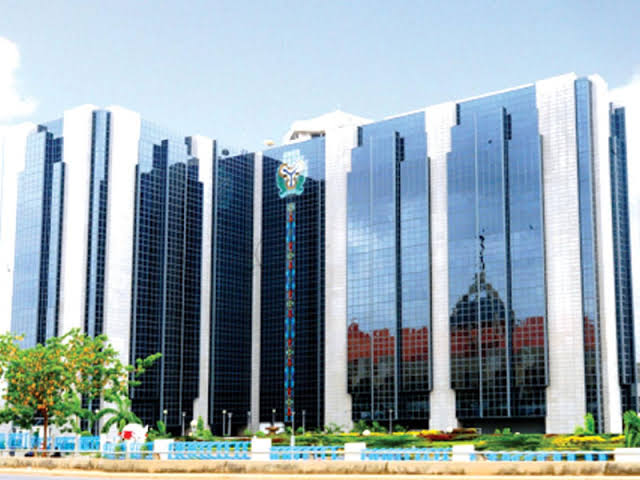
Credit extended by Nigeria’s banking industry to the private sector reached an all-time high of N94.61 trillion in February 2026, according to new data from the Central Bank of Nigeria (CBN).
This marks a steady monthly increase from N93.74 trillion in January 2026, reflecting growing financial institution exposure to the real economy.
Over the 12 months leading to February 2026, lending to private businesses expanded by more than N18 trillion, rising from N76.26 trillion in February 2025.
According to Business a.m., the trend signals stronger credit appetite and potentially rising demand from firms navigating inflationary pressures and currency volatility.
Looking back at 2025, credit peaked at N78.07 trillion in April before experiencing volatility: a dip to N76.13 trillion in June, a low of N72.53 trillion in September blamed on tighter financial conditions and cautious bank risk strategies then a recovery in the final quarter.
Related Posts
Despite cry of Harsh Economy, Nigeria's President Tinubu says Agriculture Growing, Benefits of Reforms Showing
Despite the economic hardship across the country, Nigeria's President Bola Ahmed Tinubu sa...

12 High Demand Skills to Learn in Nigeria for High Income in 2026
Nigeria’s economy is changing rapidly. Traditional career paths alone no longer guarantee...
Painful but necessary: Nigeria’s minister defends economic hardship as price for lasting reforms
The Minister of Solid Minerals Development, Dele Alake, has defended Nigeria’s current eco...
Nigerian Billionaire Femi Otedola Deepens Banking Bet With $32 Million FirstHoldCo Share Purchase
Nigerian billionaire businessman Femi Otedola has significantly expanded his investment in...
The rebound set the stage for the sharp expansion seen in early 2026.
Meanwhile, government borrowing also climbed steadily, reaching N39.36 trillion in February 2026, up from N37.87 trillion in January and significantly higher than N27.11 trillion in February 2025.
After mid-2025 fluctuations, government credit accelerated sharply from November onward, hitting N34.22 trillion by December 2025.
The twin rise in private and government credit presents a mixed outlook: more business lending supports growth, but rising government borrowing could intensify competition for funds, potentially affecting interest rates and credit availability.
Analysts say the sustainability of this expansion hinges on macroeconomic stability, inflation trends, and regulatory policies in the months ahead.
Related Posts

Chineye Egesi
May 14, 2026
Nigeria Moves Toward Intelligent Investing as SEC Expands AI Regulation
Nigeria’s capital market is undergoing a major transformation as the Securities and Exchange Commission (SEC) intensifies efforts to integrate data, artificial intelligence, and technology-driven regulation into the nation’s investment ecosystem.

Chineye Egesi
May 06, 2026
Dangote Refinery Raises Petrol Price to ₦1,350 per Litre Amid Market Pressures
Dangote Refinery has increased its ex-depot price of Premium Motor Spirit (petrol) to ₦1,350 per litre, marking a ₦75 rise from the previous rate.
Trending

Jun 17, 2026
One Big Challenge African Governments Have Continued to Overlook for Years
Uchechi Okporie
Jun 15, 2026
Aniocha/Oshimili Reps: Emergence of Isioma Ndah as NDC Candidate Unsettles Elumelu's Campaign Council
Uchechi Okporie

Jun 15, 2026
Democracy and the Unanswered Questions of Nigeria's Future
Uchechi Okporie

Jun 17, 2026
You Won't Understand, The Real Reason Nigeria Is Struggling May Surprise You
Uchechi Okporie

Jun 18, 2026
Beyond the Music: The Hard Truth in African China and Eedris’ Lyrics, Food No Dey! Water No Dey!!
Uchechi Okporie
Latest Stories
Jun 18, 2026
Beyond the Music: The Hard Truth in African China and Eedris’ Lyrics, Food No Dey! Water No Dey!!
Uchechi Okporie
Jun 17, 2026
One Big Challenge African Governments Have Continued to Overlook for Years
Uchechi Okporie
Jun 17, 2026
You Won't Understand, The Real Reason Nigeria Is Struggling May Surprise You
Uchechi Okporie
Jun 15, 2026
Aniocha/Oshimili Reps: Emergence of Isioma Ndah as NDC Candidate Unsettles Elumelu's Campaign Council
Uchechi Okporie
Jun 15, 2026
Democracy and the Unanswered Questions of Nigeria's Future
Uchechi Okporie
Jun 12, 2026
OPINION: Why I Find It Difficult to Celebrate Democracy Day in Nigeria
 Admin User
Jun 12, 2026
EBSU Student Pushes for Electoral Overhaul, Greater Accountability As Nigerians Approach 2027 Elections
Uchechi Okporie
Jun 12, 2026
Why Investors Are Turning Away from Africa’s Biggest Economies
Uchechi Okporie
Jun 11, 2026
First Batch of Nigerians From South Africa to Arrive Ikeja Airport Thursday Morning - Foreign Affairs Minister Says
Admin User

Jun 10, 2026
Another Evidence That Nigerian Government Does Not Care About Ordinary People
Uchechi Okporie

Jun 10, 2026
Where Is Nigeria Heading? Ebonyi Resident Cries Out Over Rising Hardship
Uchechi Okporie