$28Trillion vs $3Trillion: The Stark Economic Gap Between the U.S. and Africa
 Uchechi Okporie
Apr 25, 2026
3 min read
Uchechi Okporie
Apr 25, 2026
3 min read
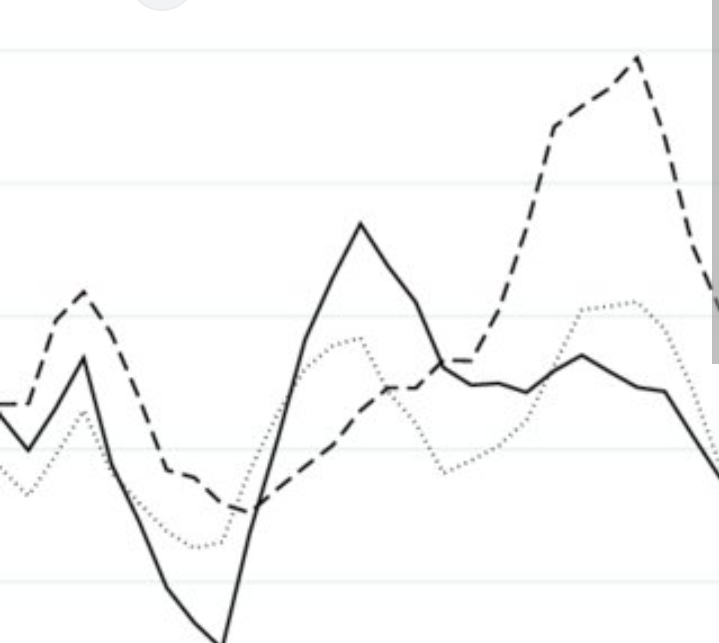
The United States has a nominal GDP of roughly $27–28 trillion, while the entire continent of Africa produces about $3.0–3.2 trillion. That means the U.S. economy is about eight to nine times larger than Africa’s combined output, even though Africa consists of over 50 countries.
When adjusted for purchasing power (PPP), the gap narrows but remains significant: the U.S. is around $27–28 trillion, while Africa is roughly $9–10 trillion, so the U.S. economy is still about three times larger in real consumption terms.
Population tells the opposite story. The United States has about 330–340 million people, while Africa has roughly 1.4 billion people, more than four times larger.
This creates a stark contrast: a much smaller population in the U.S. generates far more economic output than a much larger population in Africa.
The key observation is productivity per person. GDP per capita in the United States is very high, on the order of $80,000, while Africa’s average is closer to $2,000–$2,500.
This gap reflects differences in industrialization, infrastructure, education systems, institutional stability, access to capital, and technological advancement.
The U.S. economy is heavily driven by high-value sectors like advanced technology, finance, and specialized services, which generate large output with relatively fewer people.
Related Posts
BREAKING NEWS: Africa on Alert as Malaria Defies Drugs and Insecticides, Global Fight Faces Dangerous Setback
Malaria is emerging as a growing global health threat after new concerns revealed the dise...

Big Population, Small Output: The Africa’s Economic Development Paradox
The uncomfortable truth is that sheer population size does not create prosperity. If it di...

Nigerian Student Triumphs Over 20 Countries to Win Africa Spelling Bee, Walks Away with $5000
President Bola Tinubu has extended warm congratulations to 14-year-old Adeolu Oreofe follo...
Corruption, Transparency, and the Cost of Weak Institutions in Africa
There is a comforting lie often told about Africa’s development struggle: that corruption...
In contrast, many African economies rely more on agriculture and raw material exports, which typically produce lower value per worker.
Another observation is economic integration and scale efficiency. The United States operates as a single, highly integrated market with unified fiscal and monetary systems, making trade, investment, and labor mobility relatively seamless.
Africa, despite initiatives like the African Continental Free Trade Area, still operates as many separate economies with varying currencies, regulations, and infrastructure gaps, which limits the efficiency of its combined economic potential.
However, Africa’s large population represents long-term growth potential. A young and expanding workforce can drive future GDP growth if supported by improvements in education, infrastructure, governance, and industrial development.
The U.S., while already highly developed, tends to grow more slowly but from a very high base, maintaining its dominance through innovation and capital intensity.
In simple terms, the United States is vastly richer and more productive per person, while Africa is far more populous but still developing economically, with significant room for growth if structural challenges are addressed.
Related Posts

Uchechi Okporie
Apr 23, 2026
WORLD SHOCKER: Surviving Iranian Sailor Claims US Tried to Wipe Out Crew of Sunken Warship
A dramatic new account from the Middle East is drawing global attention after a surviving Iranian sailor alleged that the United States tried to eliminate the crew of a warship that later sank at sea.
Uchechi Okporie
Apr 23, 2026
World on Edge: Iran Keeps Hormuz Closed, Defies US Blockade as Global Oil Markets Shake
Tensions in the Middle East have escalated after Iran declared it will not reopen the Strait of Hormuz until the United States lifts its naval blockade, deepening fears of a major disruption to global energy supplies.
Uchechi Okporie
Apr 22, 2026
US Lawmaker Defies Pressure, Accuses Nigerian Defence Minister Over Rising Insecurity Crisis
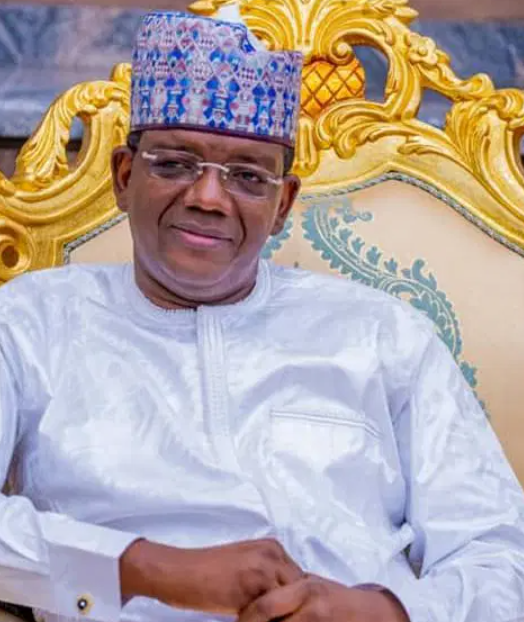
A fresh international controversy has erupted after a United States lawmaker publicly challenged Nigeria’s Minister of State for Defence, Bello Matawalle, declaring that attempts to silence her over worsening insecurity in the country would fail.
Uchechi Okporie
Apr 21, 2026
Washington Unveils New Africa Counterterror Strategy as Security Threats Reshape US-Africa Agenda
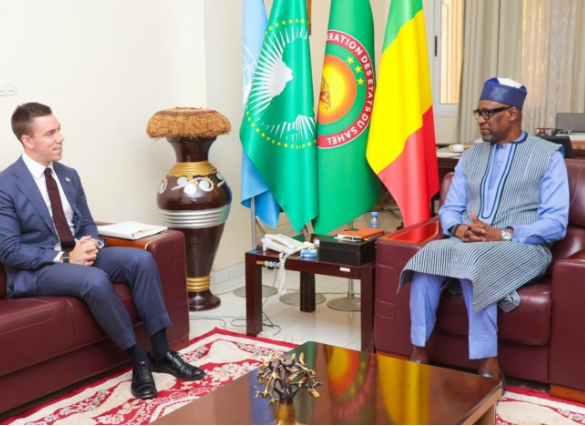
The United States is placing Africa’s growing terrorism crisis at the center of its diplomatic agenda this week, as the State Department prepares to outline a renewed counterterrorism strategy aimed at confronting rising militant threats across the continent.

Uchechi Okporie
Apr 18, 2026
Iran Threatens US at Sea as Supreme Leader Declares Navy Ready to Crush America
Iran’s Supreme Leader has issued a fiery warning to the United States, declaring that the country’s navy is fully prepared to confront and defeat American forces if conflict breaks out at sea.
Uchechi Okporie
Apr 18, 2026
Uganda’s Growth Gamble: Heavy Spending Fuels Boom as Debt Fears Rise Across East Africa
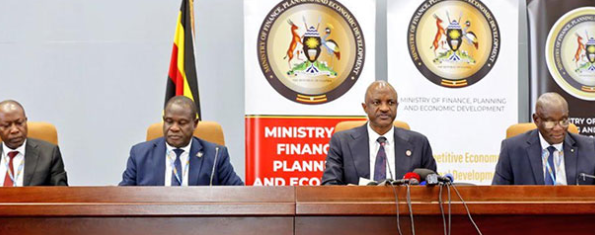
Uganda’s economy is under fresh international spotlight after reports revealed the government is spending beyond its means to keep growth alive, sparking fears that one of East Africa’s fastest-rising economies could be building prosperity on dangerous financial ground.

Uchechi Okporie
Apr 16, 2026
Nigeria’s Education Under fire: Gunmen Kidnap Students in Brutal Highway Attack
Nigeria’s deepening security crisis has struck at the heart of its future, as armed attackers abducted at least 14 students preparing for national exams during a violent roadside ambush in Benue State.

Uchechi Okporie
Apr 16, 2026
West Africa Signals Unity as Tinubu Congratulates Benin’s President-Elect After Overwhelming Win
Nigeria’s President, Bola Ahmed Tinubu, has extended warm congratulations to Romuald Wadagni following his decisive victory in Benin Republic’s presidential election, a result seen as a major moment for political continuity in West Africa.
Trending
Apr 22, 2026
Deal Sealed, Okowa Reportedly Snubbed: Nwoko, Omo-Agege, Joel-Onowakpo Positioned to Grab Delta APC Senatorial Tickets
 Admin User
Apr 22, 2026
After Executive Approval, China Show, $15m Seed Fund: Where's Okowa's Kwale Industrial Park?
Admin User
Apr 19, 2026
Breaking News: Nigeria Opposition Erupts as Government Moves to Reintegrate 800 Former Terrorists into Communities
Uchechi Okporie
Apr 21, 2026
President Tinubu Takes Shocking Decision Against Two Powerful Nigerians, and Here's What Happened
Uchechi Okporie
Apr 18, 2026
Iran Threatens US at Sea as Supreme Leader Declares Navy Ready to Crush America
Uchechi Okporie
Apr 21, 2026
I Did My Best for Nigeria, Mistakes Don’t Erase My Service: Jonathan Fires Back at Atiku, Sparks National Political Firestorm
Uchechi Okporie
Apr 23, 2026
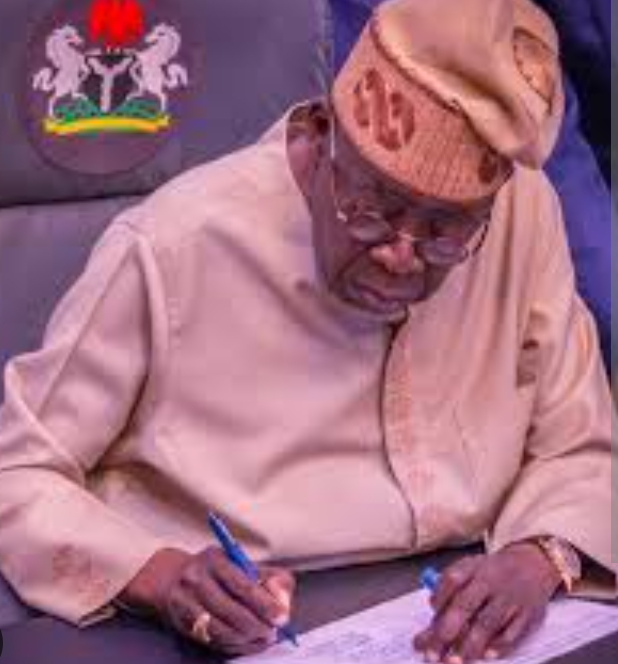
BREAKING: Political Earthquake in Nigeria ,Tinubu Unleashes ₦17 Billion “Grassroots Power Fund” Across 8,804 Wards
Uchechi Okporie
Apr 22, 2026
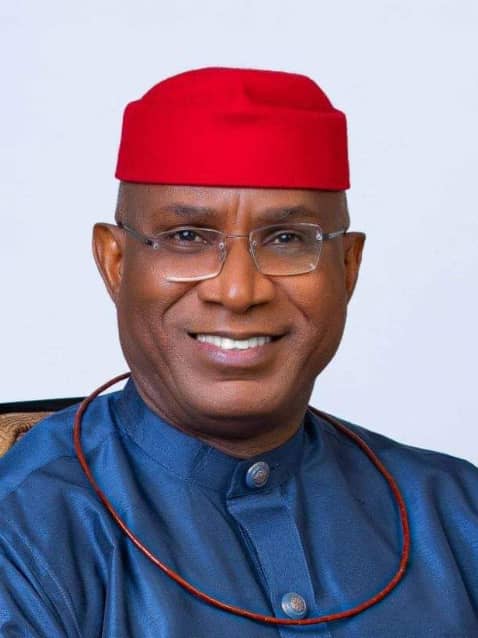
BREAKING: Omo-Agege Makes Bold Declaration for Delta Central Senate
Uchechi Okporie
Apr 22, 2026
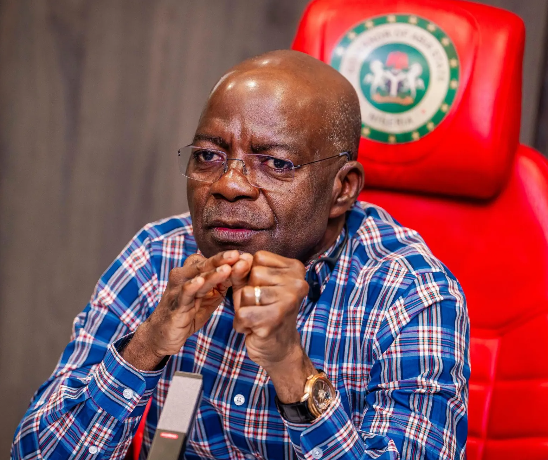
BREAKING: Abia Governor Appoints Wife of His Major Political Opponent to Chair Board of Critical Institution
Uchechi Okporie
Apr 20, 2026
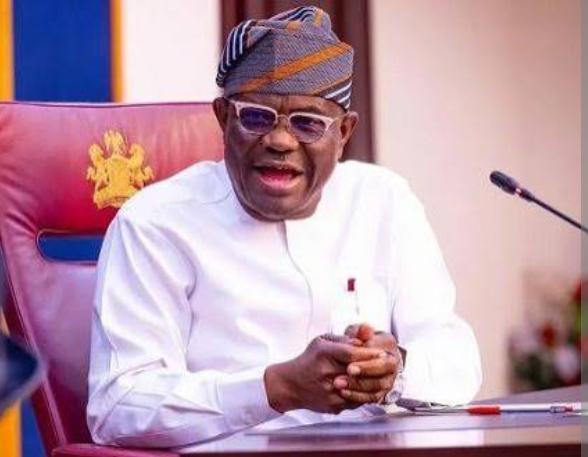
Breaking News: Nigeria Opposition Party Crisis Explodes as Wike-Loyal PDP Faction Holds Emergency NEC Meeting in Abuja
Uchechi Okporie

Apr 22, 2026
DeltaNorth2027: I'll Return to The Senate, Senator Ned Nwoko Declares
Admin User
Latest Stories
Apr 25, 2026
BREAKING AFRICA HOUSING CRISIS: Minister Vows Urgent Action as Nigeria Faces Massive Shelter Shortfall
Uchechi Okporie
Apr 25, 2026
BREAKING: NATO in Internal Storm as US Reportedly Moves Against Spain Over Iran War—Alliance Rules Out Expulsion Powers
Uchechi Okporie

Apr 25, 2026
Illegal Gold Mine Horror in Ghana :Two Killed, One Fighting for Life After Pit Collapse Shocks Africa
Uchechi Okporie
Apr 25, 2026
BREAKING NEWS: Africa on Alert as Malaria Defies Drugs and Insecticides, Global Fight Faces Dangerous Setback
Uchechi Okporie
Apr 25, 2026
$28Trillion vs $3Trillion: The Stark Economic Gap Between the U.S. and Africa
Uchechi Okporie
Apr 25, 2026
David Umahi: The Quiet Architect of Nigeria’s Infrastructure Renaissance, By Next Africa Daily
Uchechi Okporie
Apr 25, 2026
Big Population, Small Output: The Africa’s Economic Development Paradox
Uchechi Okporie
Apr 24, 2026
Nigerian States Back Agricultural Insurance Drive as ₦396 Million Reaches Small Farmers in Food Security Push
Uchechi Okporie

Apr 24, 2026
BREAKING: 2027 Election Threat Rocks Nigeria as Kanu Detention Sparks Explosive Warning to Tinubu
Uchechi Okporie

Apr 24, 2026
Global Outrage as Woman Reportedly Targeted for Protesting Traffic Chaos During BJP Rally in Mumbai
Uchechi Okporie
Apr 24, 2026
Nigerian Student Triumphs Over 20 Countries to Win Africa Spelling Bee, Walks Away with $5000
Uchechi Okporie