Africa Nations Scramble for Fuel as Global Crisis Pushes Governments Toward Dangote Refinery
 Uchechi Okporie
Mar 20, 2026
4 min read
Uchechi Okporie
Mar 20, 2026
4 min read
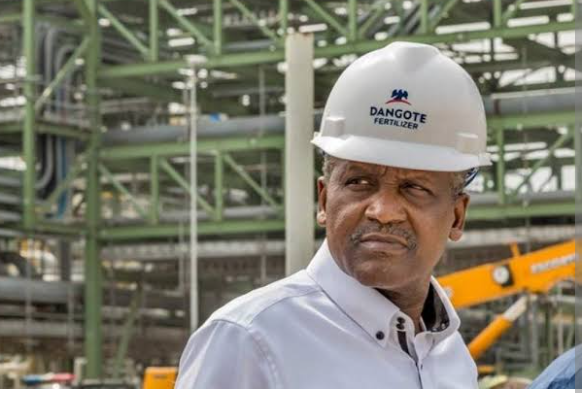
Aliko Dangote’s refinery in Lagos is experiencing a sharp increase in demand from African governments as global fuel supplies tighten following Iran’s blockade of the Strait of Hormuz.
The disruption has constrained tanker traffic through one of the world’s most critical oil transit routes, through which roughly a fifth of global oil shipments normally pass, triggering significant instability in energy markets.
Oil prices have risen by more than 40% since the blockade, while freight and insurance costs for tankers have also surged.
Major import-dependent economies such as India and Japan are already facing fuel supply pressures and rising procurement costs.
The shock has reverberated across global supply chains, but the impact is particularly severe for African countries that rely heavily on refined fuel imports from the Middle East.
East and Southern African nations remain especially vulnerable due to limited domestic refining capacity and structural dependence on imported petroleum products.
The disruption has exposed the risks inherent in sourcing most refined fuel from Gulf suppliers, with governments now scrambling to secure alternative supply arrangements to prevent domestic shortages and inflationary pressures.
Related Posts
Nigeria’s States Deepen External Borrowing as Debt Hits $5.68bn
Nigeria’s subnational external debt profile expanded significantly in 2025, with 32 states...
Top South South Politician Forced to Drop Senate Bid After Presidential Directive
Former Cross River governor, Ben Ayade, has expressed disappointment over an alleged direc...
When Politics Becomes Family Business: The Okowa Question
A credible electoral process depends not only on legal eligibility but on public confidenc...
Nigeria’s Non-Oil Export Boom: Nearly $1 Billion in Q1 2026 Signals a New Dawn for African Trade
Africa’s giant is stirring and this time, it’s not crude oil leading the charge. Fresh dat...
South Africa is among the countries moving quickly to adjust. It is negotiating a 12-month fuel supply contract with the Dangote Refinery to stabilize access and reduce exposure to volatile spot markets.
A long-term agreement would provide greater price predictability and reduce reliance on disrupted Middle Eastern trade routes.
With a refining capacity of about 650,000 barrels per day, the Dangote facility, one of the largest single-train refineries globally, is positioned to fill part of the supply gap.
Originally built to curb Nigeria’s dependence on imported refined products, it is now emerging as a strategic supplier to the wider continent at a time of heightened geopolitical risk.
The current crisis underscores Africa’s structural energy vulnerability: despite being a major crude oil producer, much of the continent still imports refined fuels.
As global supply chains fragment under geopolitical pressure, intra-African energy trade is becoming not just an economic option but a strategic necessity.
Related Posts
Uchechi Okporie
May 04, 2026
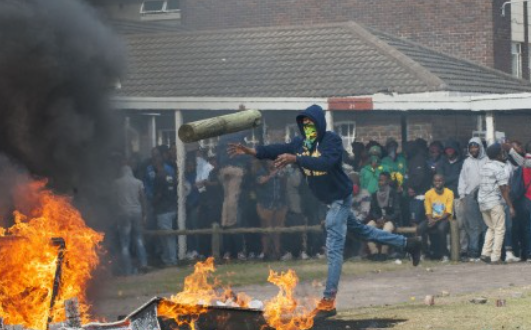
Nigeria Moves to Evacuate Citizens from South Africa Amid Rising Xenophobic Attacks
The government of Nigeria has begun arrangements to repatriate its nationals from South Africa following a resurgence of xenophobic violence targeting African migrants.
Uchechi Okporie
May 04, 2026
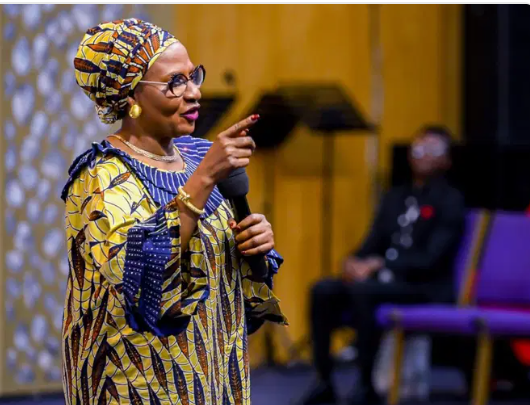
Pastor kneels to block Abuja lake land deal, igniting national outcry over urban land grabs
A dramatic moment in Nigeria’s capital has thrust the battle over public land into the spotlight after a pastor went on his knees to plead with Nyesom Wike to halt any allocation of land surrounding Jabi Lake.
Uchechi Okporie
May 03, 2026
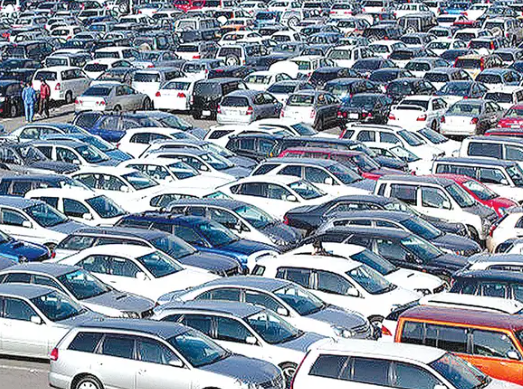
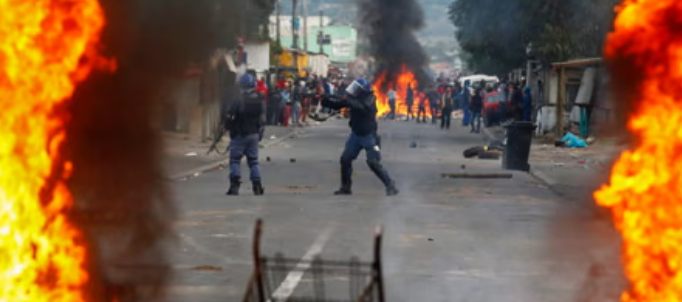
Toxic wheels: How imported ‘tokunbo’ cars from US and Canada are turning Nigeria’s roads into death traps
Nigeria’s thriving market for imported second-hand vehicles—popularly known as tokunbo—is facing renewed scrutiny as safety concerns escalate across the country.
Uchechi Okporie
May 02, 2026
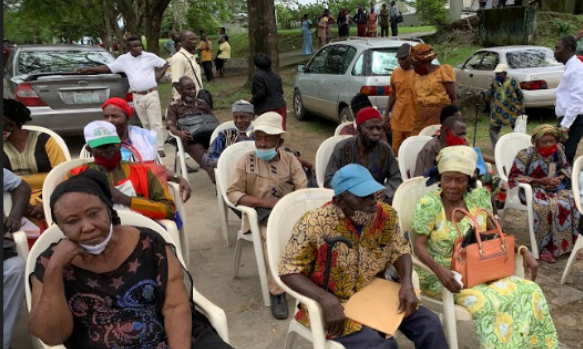
Nigeria summons South African envoy over fresh tensions as alleged attacks on citizens spark continental concern
Nigeria has formally summoned South Africa’s envoy following reports of renewed attacks on Nigerian nationals, escalating diplomatic tensions between two of Africa’s largest economies.
Uchechi Okporie
May 01, 2026
May Day shock: Workers reject growth narrative, say Africa’s largest economy is leaving millions behind
Labour unions have delivered a stinging rebuke to government claims of economic progress, warning that growth figures are failing to reflect the harsh reality faced by millions of citizens struggling to survive.

Uchechi Okporie
May 01, 2026
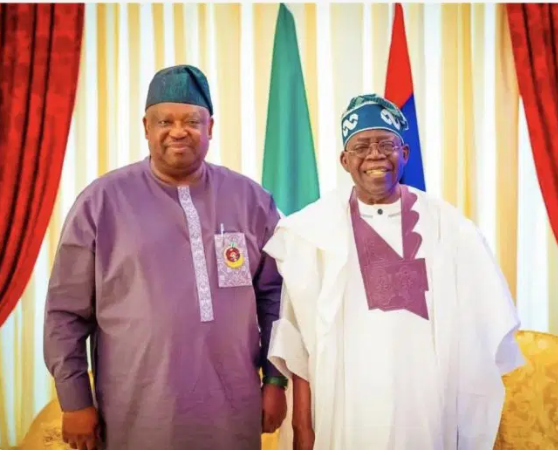
Nigeria’s midfield boost on hold as Ozoh’s clearance delay sparks fresh tension
Nigeria’s plans to strengthen its squad have hit a temporary pause, with promising midfielder Nnamdi Ozoh still awaiting international clearance to feature for the Super Eagles.
Uchechi Okporie
May 01, 2026
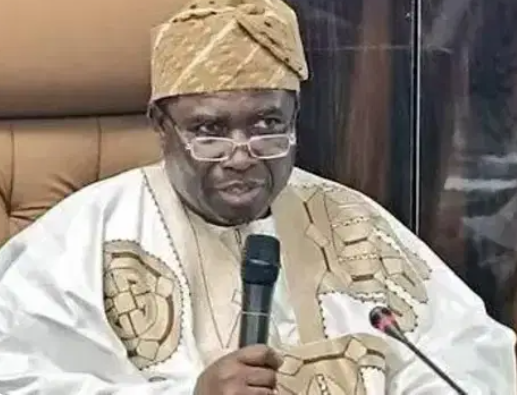
BREAKING: Abuja peace talks move to end Plateau violence as Nigeria seeks lasting calm
Fresh peace talks in Nigeria’s capital, Abuja, are underway as authorities intensify efforts to address long-standing violence in Plateau State.
Uchechi Okporie
May 01, 2026
Nigeria Sets High-Stakes June 20 Vote Across Six States as Electoral Clock Ticks Toward 2027
Nigeria’s electoral momentum is gathering pace as the Independent National Electoral Commission (INEC) has announced June 20, 2026, as the date for crucial bye-elections across six states, signaling an early political buildup toward the country’s next general elections.
Trending
May 04, 2026
Top South South Politician Forced to Drop Senate Bid After Presidential Directive
Uchechi Okporie
Apr 28, 2026
Africa Outraged as Two Nigerians Killed in South Africa, Abuja Demands Urgent Justice
Uchechi Okporie
May 02, 2026
Nigeria summons South African envoy over fresh tensions as alleged attacks on citizens spark continental concern
Uchechi Okporie
Apr 29, 2026
BREAKING: Tinubu Endorses First Governorship Candidate for 2027 General Election
Uchechi Okporie

Apr 28, 2026
A Tall Ambition: Delta Councilor Purchases Expression of Interest Forms to Represent Ndokwa/Ukwuani in House of Reps
 Admin User
Apr 30, 2026
Egypt Stuns the World: 1,600-Year-Old Mummy Found With Ancient Iliad Text Hidden Inside Body
Uchechi Okporie
Apr 28, 2026
Nigerian Senator Nwoko Takes Formal Step Towards Second Term, Purchases Expression of Interest Forms
Admin User
May 04, 2026
When Politics Becomes Family Business: The Okowa Question
Admin User
Apr 29, 2026
NASS Members Jittery as Governors Move to Dictate Candidates, Block Rivals, Hijack APC Tickets
Admin User
May 03, 2026
Toxic wheels: How imported ‘tokunbo’ cars from US and Canada are turning Nigeria’s roads into death traps
Uchechi Okporie
May 02, 2026
Breaking: Obi’s 2027 ambition under fire as ex-ally declares “he’s going nowhere”
Uchechi Okporie
Latest Stories
May 04, 2026
EFCC Grills Company Managing Director, What He Did Will Shock You
Chineye Egesi
May 04, 2026
EFCC Arraigns Former Skye Bank Chairman Tunde Ayeni Over Alleged N15.6bn Fraud
Chineye Egesi
May 04, 2026
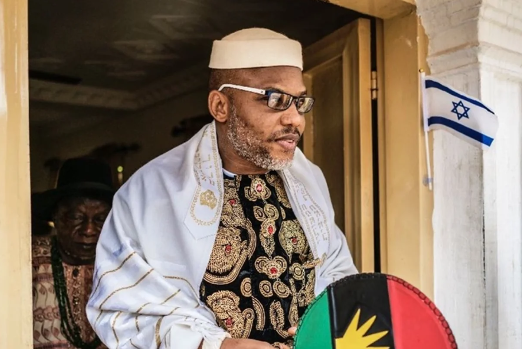
Biafra Talks Hit Deadlock as Detained Nnamdi Kanu can't Negotiate - Biafra Republic Government Declares in Exile
Uchechi Okporie
May 04, 2026
Nigeria’s States Deepen External Borrowing as Debt Hits $5.68bn
Chineye Egesi
May 04, 2026
Top South South Politician Forced to Drop Senate Bid After Presidential Directive
Uchechi Okporie
May 04, 2026
When Politics Becomes Family Business: The Okowa Question
Admin User
May 04, 2026
Nigeria’s Non-Oil Export Boom: Nearly $1 Billion in Q1 2026 Signals a New Dawn for African Trade
Chineye Egesi
May 04, 2026
Nigeria Moves to Evacuate Citizens from South Africa Amid Rising Xenophobic Attacks
Uchechi Okporie
May 04, 2026
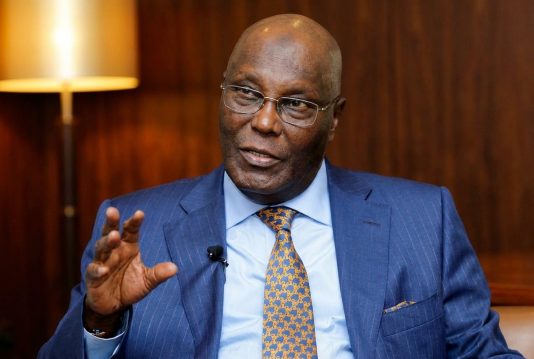
Oil windfall vanishes, reserves plunge: Atiku Abubakar accuses Nigeria’s government of economic mismanagement
Uchechi Okporie
May 04, 2026
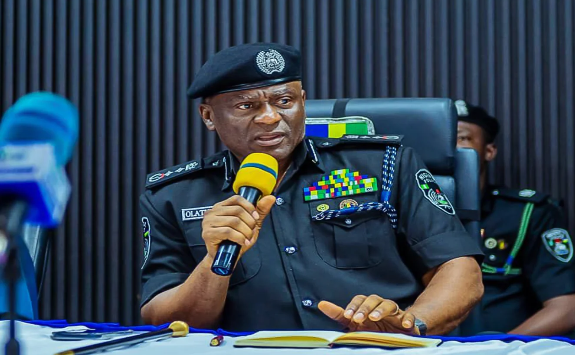
Blood in Effurun: Nigeria orders sweeping manhunt as police chief vows no killer will escape
Uchechi Okporie
May 04, 2026
Pastor kneels to block Abuja lake land deal, igniting national outcry over urban land grabs
Uchechi Okporie