Global Economy on the Brink as Strait of Hormuz Crisis Triggers Unprecedented Energy Shock IEA Issues Stark Warning
 Uchechi Okporie
Mar 23, 2026
3 min read
Uchechi Okporie
Mar 23, 2026
3 min read
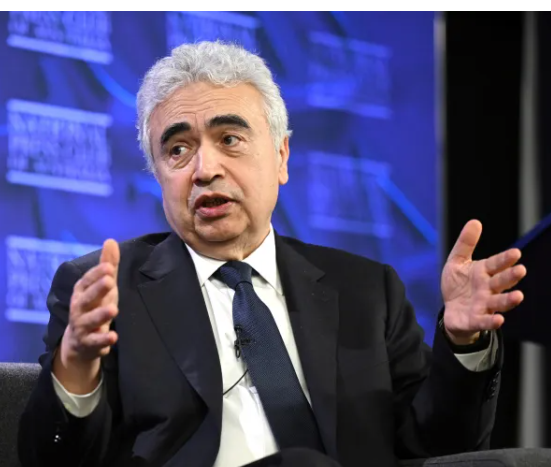
The global economy is facing a severe and immediate threat as escalating conflict around the Strait of Hormuz disrupts vital energy supplies, according to the International Energy Agency (IEA).
The agency’s chief, Fatih Birol, has warned that the unfolding crisis could surpass the impact of historic oil shocks, sending shockwaves through markets worldwide.
The Strait of Hormuz—one of the world’s most critical النفط transit routes has seen major disruptions due to ongoing military tensions, cutting off more than 11 million barrels of oil per day and severely affecting global gas supplies.
Related Posts

FirstBank Unveils Marketing Powerhouse: Olayinka Ijabiyi Confirmed as Group Head, Marketing & Corporate Communications
In a decisive move that underscores its commitment to strategic brand leadership and corpo...

FCMB Reopens SheVentures Programme with Zero-Interest Loans of Up to N10 Million to Empower Women Entrepreneurs
First City Monument Bank (FCMB) has officially announced the opening of a new application...
Dangote Refinery Raises Petrol Price to ₦1,350 per Litre Amid Market Pressures
Dangote Refinery has increased its ex-depot price of Premium Motor Spirit (petrol) to ₦1,3...
Rethinking “Japa”: NGX Chairman Pushes Productivity Over Migration
In a strong appeal to young Nigerians, the Chairman of the Nigerian Exchange Group (NGX),...
Experts say the scale of the disruption is already greater than the combined effects of the 1970s oil crises, raising fears of prolonged inflation, supply shortages, and economic instability across both developed and emerging economies.
The IEA has begun coordinating emergency responses, including the release of strategic oil reserves, but officials stress that these are only temporary measures. The long-term solution, they say, depends on restoring safe passage through the Strait of Hormuz.
With oil prices surging and global markets reacting sharply, governments worldwide are now under pressure to act quickly to prevent a full-scale economic fallout, as the crisis continues to intensify.
Related Posts
Chineye Egesi
May 06, 2026
Nigeria’s Bank Lending to Private Sector Hits Record N94.6trn, Surges by N18trn in One Year
Credit extended by Nigeria’s banking industry to the private sector reached an all-time high of N94.61 trillion in February 2026, according to new data from the Central Bank of Nigeria (CBN).

Chineye Egesi
May 06, 2026
Despite Graduate Surge in Nigeria, Moniepoint CEO Says Non Qualified to fill 500 Vacancies, His Comment Will Shock You.
Despite Nigerian universities churning out thousands of graduates every year, chief executive officer of Moniepoint, Tosin Eniolorunda, says his fintech firm is unable to find qualified applicants to fill hundreds of roles.
Trending
May 04, 2026
Top South South Politician Forced to Drop Senate Bid After Presidential Directive
Uchechi Okporie

May 02, 2026
Nigeria summons South African envoy over fresh tensions as alleged attacks on citizens spark continental concern
Uchechi Okporie

May 05, 2026
Senator Natasha Begins Strategic Build-Up for 2027, Makes Touching Statement About Her Husband
Uchechi Okporie

May 04, 2026
When Politics Becomes Family Business: The Okowa Question
 Admin User

May 05, 2026
Breaking: Political earthquake in Nigeria as Obi triggers mass defection wave within hours
Uchechi Okporie

May 05, 2026
BREAKING: Zenith Bank Makes Big Announcement, Read What Happened to Jim Ovia
Chineye Egesi
May 03, 2026
Global shock move ahead of Nigeria 2027 race as Peter Obi and Rabiu Kwankwaso prepare to unveil new political platform
Uchechi Okporie
May 06, 2026
Senate Shutdown, Sitting Disrupted as Akpabio, Oshiomhole Engage in Heated Confrontation
Uchechi Okporie
May 04, 2026
Blood in Effurun: Nigeria orders sweeping manhunt as police chief vows no killer will escape
Uchechi Okporie

May 04, 2026
Three Reportedly Arrested Over False Divorce Rumour About Tony Elumelu
Chineye Egesi

May 02, 2026
Breaking: Obi’s 2027 ambition under fire as ex-ally declares “he’s going nowhere”
Uchechi Okporie
Latest Stories
May 07, 2026
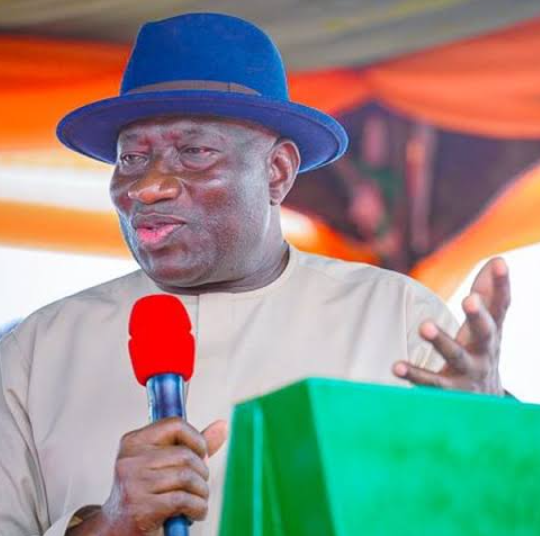
Jonathan sends shockwaves through Nigeria’s 2027 election race as ex-president hints at possible return to power
Uchechi Okporie
May 07, 2026
FirstBank Unveils Marketing Powerhouse: Olayinka Ijabiyi Confirmed as Group Head, Marketing & Corporate Communications
Chineye Egesi
May 07, 2026
FCMB Reopens SheVentures Programme with Zero-Interest Loans of Up to N10 Million to Empower Women Entrepreneurs
Chineye Egesi
May 07, 2026
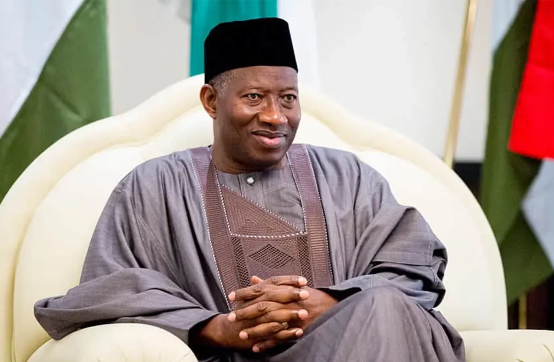
BREAKING: Jonathan triggers 2027 political storm as former Nigerian president considers shock comeback
Uchechi Okporie

May 07, 2026
El-Rufai’s son exits APC as three lawmakers defect in fresh political realignment
Uchechi Okporie
May 07, 2026
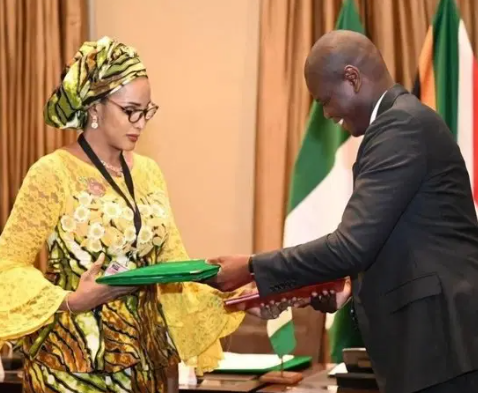
Nigeria confronts South Africa over xenophobia tensions as Abuja warns against humiliation of African migrants
Uchechi Okporie

May 07, 2026
Cybercriminals Target Nigeria: 13 Million Personal, Company Passwords Exposed Over Two Decades - Report Says
Chineye Egesi
May 07, 2026
Eko, Abuja, Ikeja Lead as DisCos Improve Revenue Performance
Chineye Egesi
May 07, 2026
Nigeria Senate power struggle sparks fresh 2027 political battle as Akpabio, Oshiomhole clash over ruling party influence
Uchechi Okporie

May 07, 2026
Africa's Open Doors: The 10 Most Powerful Passports on the Continent Right Now
Chineye Egesi
May 07, 2026
Nigeria’s opposition crisis deepens as PDP insider rejects claims that Wike controls party documents amid escalating 2027 political showdown
Uchechi Okporie