Global Flashpoint: France Sends Strong Warning to Trump, Says Attacking Iran’s Civilian Infrastructure Risks All-Out War
 Uchechi Okporie
Apr 07, 2026
3 min read
Uchechi Okporie
Apr 07, 2026
3 min read
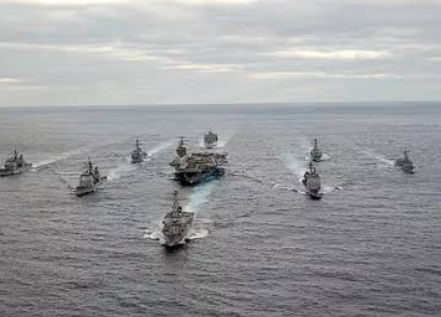
France has warned strongly against any military strikes targeting civilian infrastructure in Iran, cautioning that such actions could trigger a dangerous and uncontrollable escalation across the region.
Speaking on Tuesday, French Foreign Minister Jean-Noël Barrot said France firmly opposes attacks on non-military targets, emphasizing that doing so would mark a significant and alarming shift in the conflict.
His comments came in response to threats by Donald Trump, who suggested that civilian and energy infrastructure could be targeted if Iran does not reopen the Strait of Hormuz.
Barrot warned that such measures would “open a new phase of escalation and reprisals,” adding that the risk now is a broader regional conflict that could spiral without limits.
He stressed that the situation is already deeply concerning and that further provocation could draw in multiple actors across the Middle East, worsening instability and increasing the likelihood of widespread confrontation.
According to Barrot, targeting civilian infrastructure would not only intensify military tensions but also undermine international norms and provoke retaliatory responses that could extend beyond conventional warfare.
Related Posts
Africa Forward Summit: French President Turns to English Speaking Africa, Announces Sweeping €23bn Investment in Africa
At the Africa Forward summit in Nairobi, French President Emmanuel Macron announced a swee...
France–South Africa Diplomatic Spotlight: High-Stakes State Visit Now Rests in Presidents’ Hands
A potential state visit between France and South Africa has moved into a decisive phase, w...
Power and Firepower: These 10 African Countries Control the Continent’s Strongest Militaries
A new military ranking has revealed the African nations with the most powerful armed force...
Airspace Sealed, Armed Police Deployed as Britain Activates Full Security Architecture for Tinubu’s Royal Visit
Security will tighten across Windsor next week as Britain prepares to receive Nigerian Pre...
Barrot also called for the immediate reopening of the Strait of Hormuz, highlighting its critical role in global energy supply.
The waterway carries a significant portion of the world’s oil shipments, and its disruption has already begun to weigh heavily on the global economy. Rising energy prices, market uncertainty, and potential supply shortages are among the key risks associated with the ongoing closure.
France, he said, is focused on containing the fallout from the crisis and supporting diplomatic efforts aimed at de-escalation. While regional countries are taking the lead in mediation, France is working to limit the broader consequences and prevent the situation from deteriorating further.
He described the conflict as one France did not choose but is now actively trying to manage due to its far-reaching global implications.
As tensions continue to rise, concerns are growing among international observers that any attack on civilian or energy infrastructure could ignite a wider conflict, disrupt global trade routes, and deepen economic instability.
France’s position reflects increasing urgency among global powers to avoid further escalation and pursue diplomatic solutions before the crisis expands beyond control.
Related Posts
No related posts found.
Trending
May 19, 2026
BREAKING: APC bloodbath rocks Nigeria as governors seize Senate tickets and political titans suffer humiliating collapse ahead of 2027 war
Uchechi Okporie
May 19, 2026
Tension Rises as APC Headquarters Disowns Purported Senatorial Primary Results, Says Unauthorized Announcement Violates NWC Directive
Uchechi Okporie
May 20, 2026
BREAKING: Jonathan Secures Historic PDP Waiver as Turaki Power Bloc Unifies Behind Him, Clearing Path to Near-Uncontested 2027 Presidential Run
Uchechi Okporie
May 16, 2026
BREAKING: Political Shockwaves Across Nigeria as 30-Year-Old Kaduna Aspirant Withdraws From Parliament Race Amid Explosive Age Eligibility Crisis
Uchechi Okporie
May 19, 2026
Delta APC Primary Crisis Deepens as Ned Nwoko's Camp Demands Okowa’s Disqualification Over Violation of NWC Directives
Uchechi Okporie
May 19, 2026
BREAKING: Fierce Delta North APC battle deepens as Ned Nwoko declares commanding primary victory, dismisses fake results and renews Anioma State mission
Uchechi Okporie
May 17, 2026
Deadly Chaos Erupts Inside Nigeria’s Ruling Party as APC Primary Election Violence Claims Life in Plateau, Raising Fresh Fears Ahead of 2027 Power Battle
Uchechi Okporie
May 17, 2026
BREAKING: Diaspora Group Erupts Over “Disrespect” to Goodluck Jonathan, Fires Warning at VeryDarkMan Amid 2027 Political Tension
Uchechi Okporie
May 18, 2026
Breaking News: Nigeria’s ruling APC throws 47 senatorial aspirants out of 2027 race in dramatic political crackdown
Uchechi Okporie
May 17, 2026
Breaking: Political Earthquake Brewing in Nigeria as Obidient and Kwankwasiyya Forces Raise Massive ₦60 Million Campaign War Chest Ahead of Explosive 2027 Power Battle
Uchechi Okporie
May 16, 2026
Nigeria’s South-South Political Rift Deepens as Fierce Battle Over “Consensus” Threatens Regional Unity Ahead of 2027 Elections
Uchechi Okporie
Latest Stories
May 22, 2026
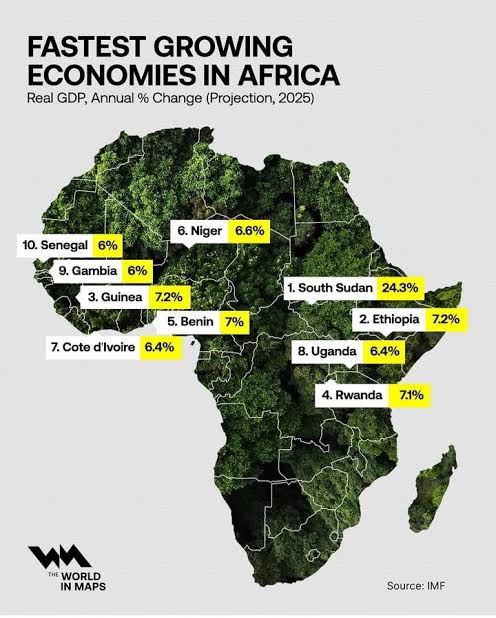
Check This Out: Top 10 Fastest-Growing Economies in Africa in 2026
 Admin User
May 22, 2026
Luis Enrique sets global football debate ablaze as PSG boss names his ultimate coaching idol and greatest manager ever
Uchechi Okporie
May 22, 2026
Landslide Victory: Ahmed Galadima Secures APC Governorship Ticket in Adamawa for 2027
Chineye Egesi

May 22, 2026
Zimbabwe open Unity Cup campaign in London with bold intent as Super Eagles showdown looms
Uchechi Okporie

May 22, 2026
Nasarawa Labour Party Gives Out Free Governorship, Senatorial Forms to Aspirants Amid Economic Hardship
Chineye Egesi
May 22, 2026
Benue ADC Primary Collapses Into Factional Violence as Election Process Crumbles
Uchechi Okporie
May 22, 2026
Nigeria 2027: Dalung Drops Political Reality Bombshell - No Presidential Hope Without Northern Stronghold
Uchechi Okporie
May 22, 2026
Makurdi Barracks of Shame: Outrage Erupts as Police Families Survive on Filthy Pond Water in Collapsing Security Housing
Uchechi Okporie
May 22, 2026
Tuchel tears apart England squad as football superstars suffer brutal World Cup humiliation
Uchechi Okporie
May 22, 2026
INEC Warns of Vote Buying, Thuggery, Fake News as Ekiti Governorship Election Nears
Chineye Egesi
May 22, 2026
2027 Showdown: Why Obi’s Camp Fears No One Not Even Jonathan — Says Senator Umeh
Chineye Egesi