Iran Rules Out Temporary Ceasefire, Sets Stringent Terms for Lasting Peace with U.S
 Uchechi Okporie
Apr 08, 2026
3 min read
Uchechi Okporie
Apr 08, 2026
3 min read
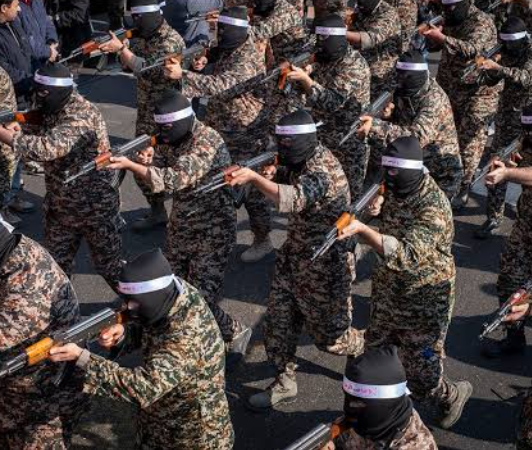
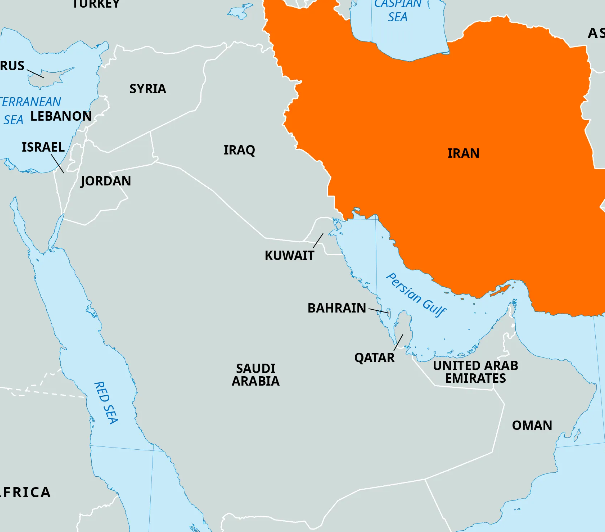
Iran has ruled out any form of temporary ceasefire with the United States, instead outlining a set of stringent conditions for entering negotiations toward what it describes as a “lasting peace,” according to a report by Reuters citing a senior Iranian official.
The source indicated that Iranian leadership views short-term de-escalation measures as insufficient, arguing that previous patterns of conflict have shown temporary truces to be fragile and easily reversed.
Instead, Tehran is pushing for a comprehensive framework that addresses both immediate hostilities and long-term security guarantees.
According to the report, Iran has established several non-negotiable preconditions before it will engage in formal discussions, including an immediate cessation of military strikes by both the United States and Israel, binding assurances that such attacks will not recur, and financial compensation for damages incurred during the recent escalation.
The demand for guarantees reflects longstanding Iranian concerns over what it perceives as repeated violations of informal understandings in past conflicts, with analysts noting that securing enforceable commitments from multiple actors would be diplomatically complex.
In a significant development, the Iranian source also revealed that Tehran intends to incorporate economic provisions into any permanent peace agreement.
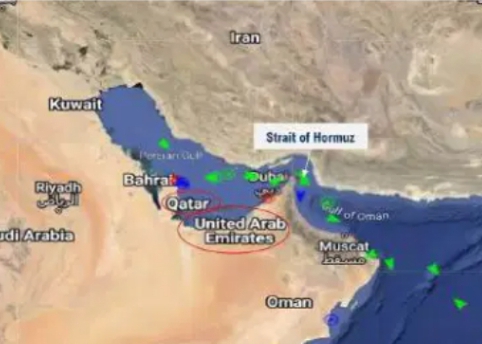
Chief among these is a proposal to impose transit fees on vessels passing through the Strait of Hormuz, one of the world’s most critical oil transit routes.
Related Posts
Iran Draws New Red Line in Gulf Showdown, Says Strait of Hormuz Open Only to ‘Friendly Nations’
Tensions across the Middle East have deepened after Iran declared that the strategic Strai...
Assasinate Donald Trump, Get €50m Reward, Iran Parliament Makes Big Offer to Sympathisers
Iran’s parliament is considering a controversial bill that would require the government to...
Trump-Xi Talks Loom Large as Iran Concerns Shake Oil Markets
Global oil prices dropped slightly on Wednesday as investors took a cautious approach ahea...

War tensions shake global oil routes as US, Iran, Israel crisis escalates
A rapidly intensifying standoff involving the United States, Iran, and Israel is sending s...
Roughly a fifth of global oil shipments pass through the narrow waterway, making it a vital artery for international energy markets, and Iran has historically leveraged its geographic position along the strait as a strategic tool during periods of tension.
Under the proposed arrangement, fees would vary depending on the type and size of the vessel, the nature of its cargo, particularly energy shipments, and prevailing geopolitical and security conditions.
Energy analysts warn that such a policy, if implemented, could have far-reaching implications for global oil prices, shipping insurance costs, and supply chain stability, potentially drawing resistance from major oil-importing nations that depend on uninterrupted passage through the corridor.
The rejection of a temporary ceasefire signals a hardening of Iran’s negotiating stance amid ongoing tensions in the region.
By linking military de-escalation with economic and strategic concessions, Tehran appears to be expanding the scope of negotiations beyond immediate conflict resolution, a move that could complicate diplomatic efforts.
As of now, Washington and its allies have not formally responded to the reported conditions, but the demands are expected to present significant challenges to any near-term agreement.
Related Posts
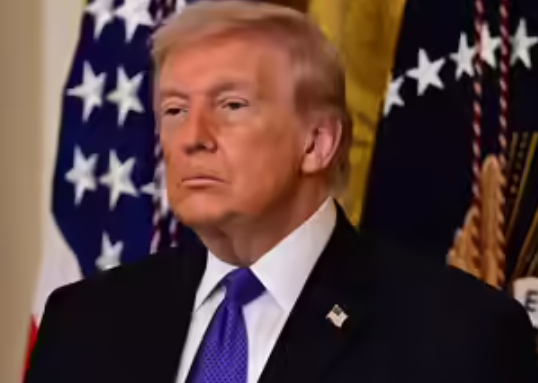
Uchechi Okporie
May 01, 2026
BREAKING: ‘Ceasefire Illusion’ U.S.–Iran Tensions Choke Global Oil Lifeline as Africa Braces for Economic Shock
A temporary ceasefire in the escalating conflict involving the United States, Israel, and Iran has offered limited relief, but uncertainty continues to dominate global attention as tensions persist around the Strait of Hormuz.

Uchechi Okporie
Apr 28, 2026
Melania Trump Demands ABC Sack Jimmy Kimmel as White House Dinner Shooting Scare Rocks America
A fierce political and media storm has erupted in the United States after First Lady Melania Trump publicly called on ABC to take action against late-night comedian Jimmy Kimmel over a controversial joke targeting her, just as a separate shooting scare disrupted the annual White House Correspondents’ Dinner.
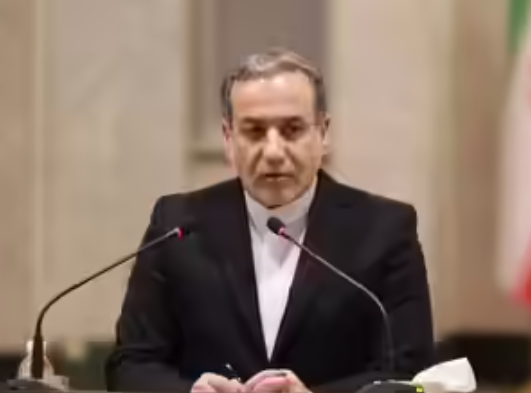
Uchechi Okporie
Apr 27, 2026
BREAKING NEWS: Iran Offers Ceasefire to U.S. as Global Oil Panic Threatens Africa
Iran has reportedly made a dramatic new ceasefire offer to the United States, proposing to reopen the vital Strait of Hormuz and pause escalating tensions in the Middle East. The move comes amid fears of a global oil supply crisis that could hit African economies hard.
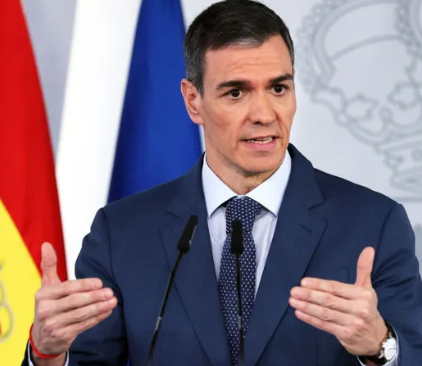
Uchechi Okporie
Apr 25, 2026
BREAKING: NATO in Internal Storm as US Reportedly Moves Against Spain Over Iran War—Alliance Rules Out Expulsion Powers
Tensions have erupted inside NATO after reports suggested the United States considered possible measures against Spain over its stance on the Iran conflict, triggering fresh debate about unity within the powerful military alliance.
Uchechi Okporie
Apr 25, 2026
$28Trillion vs $3Trillion: The Stark Economic Gap Between the U.S. and Africa
The United States has a nominal GDP of roughly $27–28 trillion, while the entire continent of Africa produces about $3.0–3.2 trillion. That means the U.S. economy is about eight to nine times larger than Africa’s combined output, even though Africa consists of over 50 countries.

Uchechi Okporie
Apr 23, 2026
WORLD SHOCKER: Surviving Iranian Sailor Claims US Tried to Wipe Out Crew of Sunken Warship
A dramatic new account from the Middle East is drawing global attention after a surviving Iranian sailor alleged that the United States tried to eliminate the crew of a warship that later sank at sea.
Uchechi Okporie
Apr 23, 2026
World on Edge: Iran Keeps Hormuz Closed, Defies US Blockade as Global Oil Markets Shake
Tensions in the Middle East have escalated after Iran declared it will not reopen the Strait of Hormuz until the United States lifts its naval blockade, deepening fears of a major disruption to global energy supplies.
Uchechi Okporie
Apr 22, 2026
US Lawmaker Defies Pressure, Accuses Nigerian Defence Minister Over Rising Insecurity Crisis
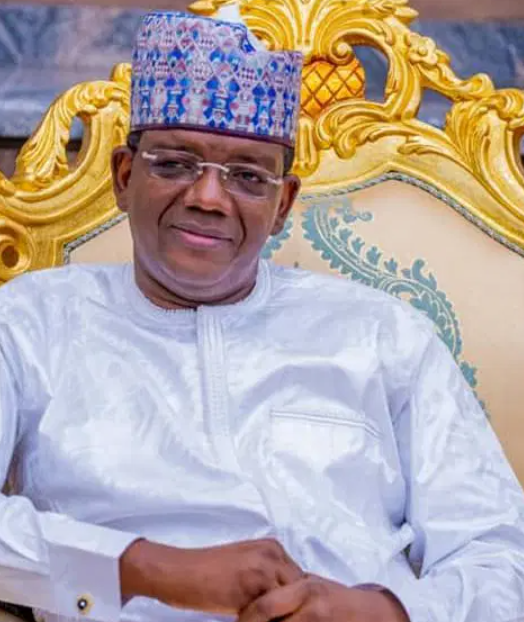
A fresh international controversy has erupted after a United States lawmaker publicly challenged Nigeria’s Minister of State for Defence, Bello Matawalle, declaring that attempts to silence her over worsening insecurity in the country would fail.
Trending
May 19, 2026
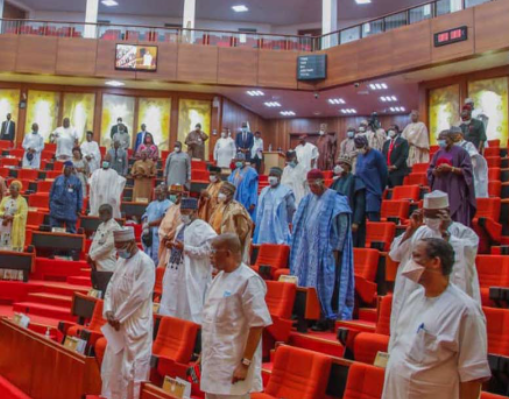
BREAKING: APC bloodbath rocks Nigeria as governors seize Senate tickets and political titans suffer humiliating collapse ahead of 2027 war
Uchechi Okporie
May 20, 2026
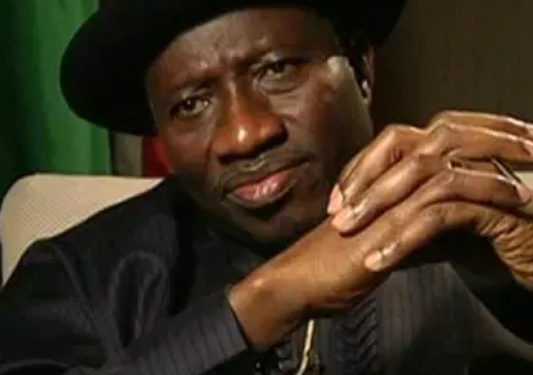
BREAKING: Jonathan Secures Historic PDP Waiver as Turaki Power Bloc Unifies Behind Him, Clearing Path to Near-Uncontested 2027 Presidential Run
Uchechi Okporie
May 19, 2026
Tension Rises as APC Headquarters Disowns Purported Senatorial Primary Results, Says Unauthorized Announcement Violates NWC Directive
Uchechi Okporie

May 16, 2026
BREAKING: Political Shockwaves Across Nigeria as 30-Year-Old Kaduna Aspirant Withdraws From Parliament Race Amid Explosive Age Eligibility Crisis
Uchechi Okporie
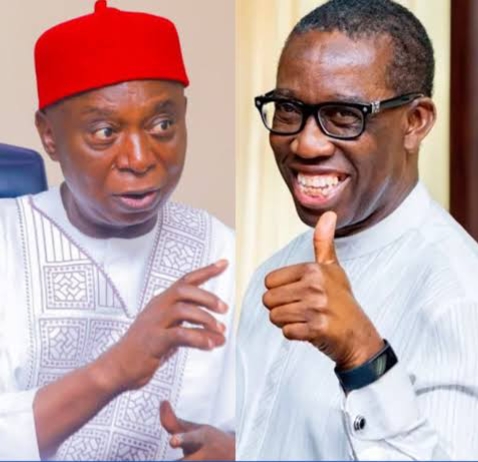
May 19, 2026
Delta APC Primary Crisis Deepens as Ned Nwoko's Camp Demands Okowa’s Disqualification Over Violation of NWC Directives
Uchechi Okporie
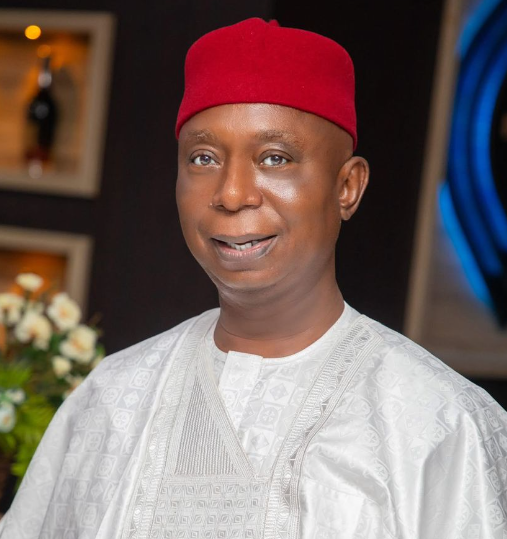
May 19, 2026
BREAKING: Fierce Delta North APC battle deepens as Ned Nwoko declares commanding primary victory, dismisses fake results and renews Anioma State mission
Uchechi Okporie
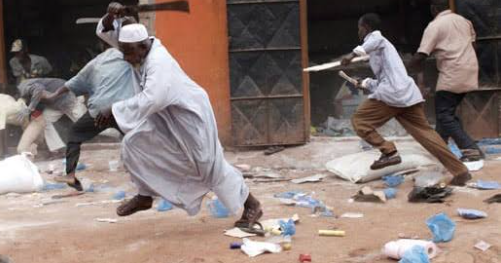
May 17, 2026
Deadly Chaos Erupts Inside Nigeria’s Ruling Party as APC Primary Election Violence Claims Life in Plateau, Raising Fresh Fears Ahead of 2027 Power Battle
Uchechi Okporie
May 17, 2026
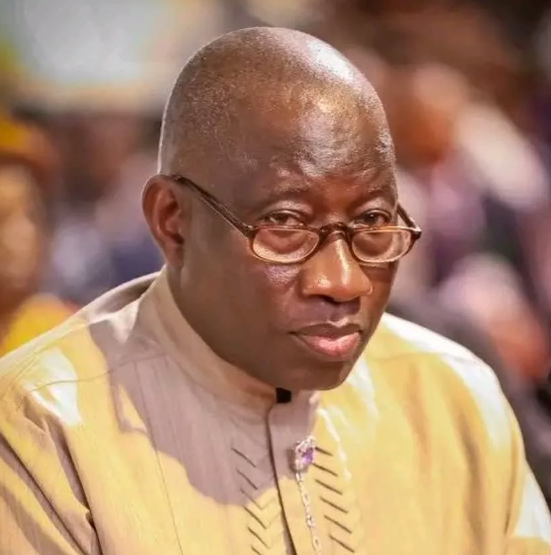
BREAKING: Diaspora Group Erupts Over “Disrespect” to Goodluck Jonathan, Fires Warning at VeryDarkMan Amid 2027 Political Tension
Uchechi Okporie
May 18, 2026
Breaking News: Nigeria’s ruling APC throws 47 senatorial aspirants out of 2027 race in dramatic political crackdown
Uchechi Okporie
May 17, 2026
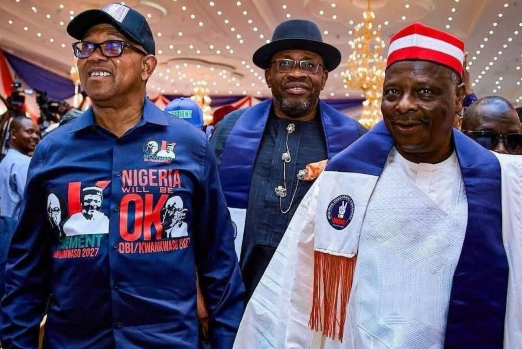
Breaking: Political Earthquake Brewing in Nigeria as Obidient and Kwankwasiyya Forces Raise Massive ₦60 Million Campaign War Chest Ahead of Explosive 2027 Power Battle
Uchechi Okporie
May 16, 2026
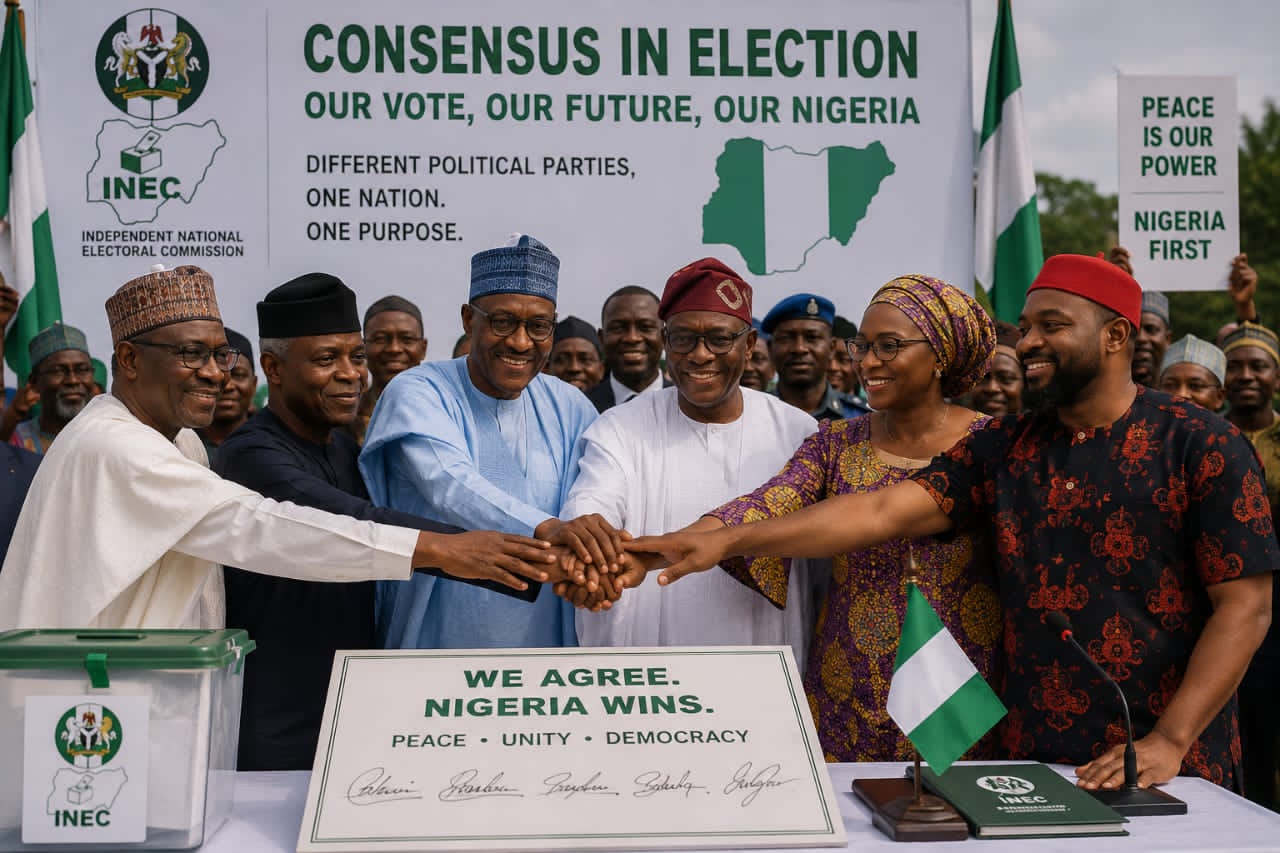
Nigeria’s South-South Political Rift Deepens as Fierce Battle Over “Consensus” Threatens Regional Unity Ahead of 2027 Elections
Uchechi Okporie
Latest Stories

May 23, 2026
Delta Is Dying While Politicians Feast, UK-Based Scholar Declares War on Failed Leadership After Emerging ADC Guber Candidate
Uchechi Okporie
May 23, 2026
Trust shattered in blood: Teacher abducts WAEC candidate, kills victim as ₦500,000 ransom is burned in betting frenzy
Uchechi Okporie
May 23, 2026
Tinubu’s seat under fire: 12 power players, returnees and political dark horses lock horns for Nigeria 2027
Uchechi Okporie
May 23, 2026
Senegal President Faye Fires PM Sonko After Months of Bitter Power Struggle
 Admin User

May 23, 2026
Atalanta set sights on Zaidu Sanusi as Serie A transfer battle begins
Uchechi Okporie
May 23, 2026
Landslide Victory: Governor Kefas Clinches APC Governorship Ticket in Taraba with Over 166,000 Votes
Chineye Egesi
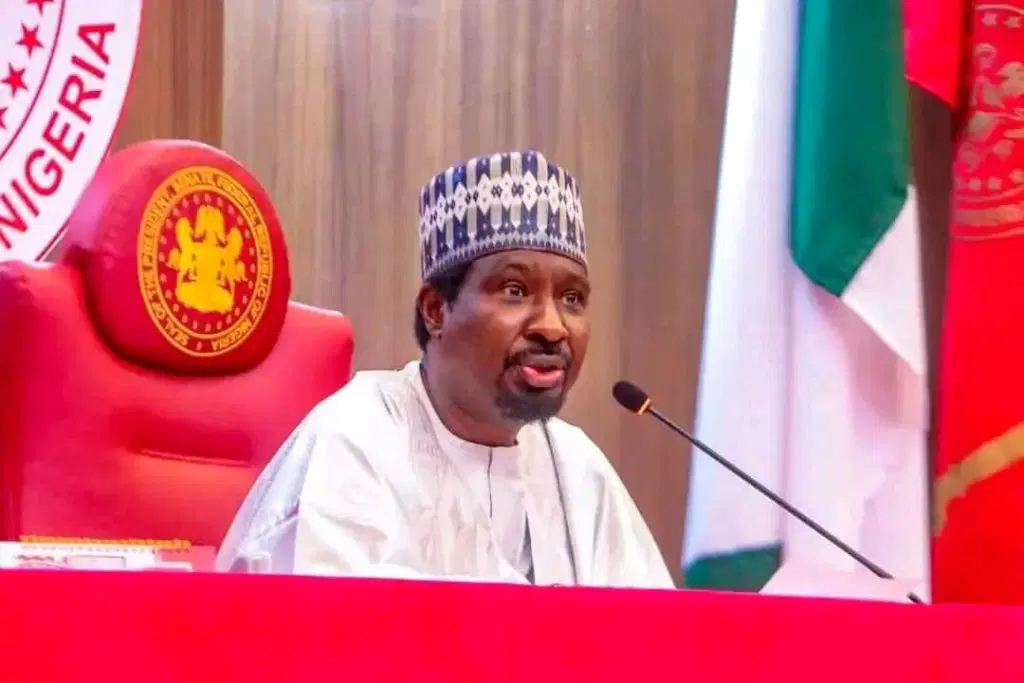
May 23, 2026
Kano North Gets Major Boost: Senate Deputy President Barau Jibrin to Distribute 53,040 Bags of Fertiliser Ahead of 2026 Farming Season
Chineye Egesi
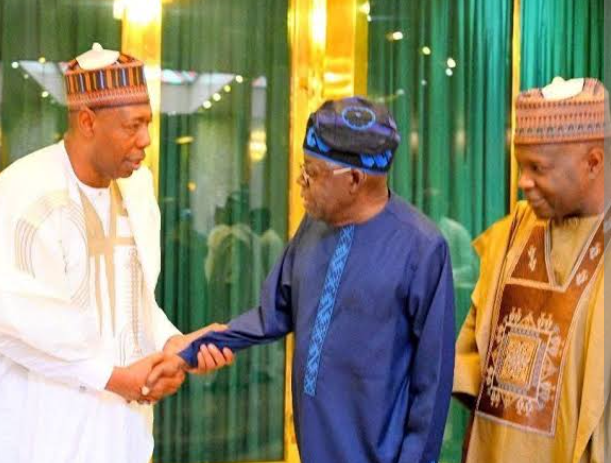
May 23, 2026
Tinubu Meets Zulum as Borno APC Locks 2027 Succession Deal — Early Power Bloc Emerges in North-East Political Chessboard
Uchechi Okporie

May 23, 2026
Stolen Dreams, Broken Lives: The Terrifying Journey of Three Nigerian Women Trapped Inside Mali’s Deadly Sex Slave Empire
Uchechi Okporie
May 22, 2026
Panic in Nigeria’s Elite Circles as Billionaire’s Girlfriend Flees Abroad Over Terrifying ‘Missing Pad’ Scandal
Uchechi Okporie
May 22, 2026
Reject Violence, Toxic Politics, Zambian President Says As He Seeks Re-Election for Second Term
Admin User