JAPA DREAMS: Why Many Nigerian Students See Their Future Beyond Nigeria
 Omovu Osteen
Jun 09, 2026
3 min read
Omovu Osteen
Jun 09, 2026
3 min read
By Ese Ikefe
Students meet in the classrooms, hostels, cafeteria and leisure areas of Delta State University, Abraka, every week to chat about lectures, assignments, relationships and the future. Yet one issue keeps coming up if it is not in the conversation in every lecture, in every faculty, in every department, it is in the conversation on leaving Nigeria. Many students no longer use the slang "Japa" as their only word for transfer to another class. It is now the plan for their lives.
The Yoruba word means ‘to flee’ or ‘escape’ and has become a symbol of hope for a thousand Nigerians looking at the opportunities abroad. From the United Kingdom to Canada, from Australia to Germany or from the United States to elsewhere, many students nowadays consider migration as the means to a better life.
The migration dream is ignited by various experiences and frustrations throughout the campus of Delta State University. Some worry about insecurity, others unemployment, low wages, decaying infrastructure, health problems, and a lack of good governance as concerns.
Security is the main reason why 300-level Political Science student, Michael Oghene, plans to leave the country after graduating. At times, he said: "Everyone feels like they are not safe anymore.
"You hear stories of kidnappings almost every day. Before travelling, your family keeps calling to know if you've arrived safely". People avoid certain roads because they are afraid. Living with that kind of fear constantly is exhausting."
According to Michael, insecurity has slowly shifted the mindset of the young people towards their future. "How will you concentrate on your career if you can't feel safe? Many people want to relocate because they simply want peace of mind."
His fears echo the concerns of the majority of Nigerians who have seen an increase in kidnapping, armed robbery and violent crimes in various parts of the country. "It gets worse," he said, when reports surface of kidnappers and bandits reaping the rewards of ransom after the victims are freed.
"Sometimes it feels like crime is becoming more rewarding than hard work. When people keep paying huge ransoms and insecurity persists, many young Nigerians lose confidence in the system. It makes you wonder whether the government is doing enough to protect lives and property." His concerns reflect the fears of many Nigerians who have been witnessing the increase in kidnapping, armed robbery and violent crimes in different parts of the country.
Being unemployed is the top push factor for Esther Efe, a final-year Economics student. “One of the most disappointing experiences is witnessing the graduates from last year or even years ago still looking for jobs,” she said.
"You spend years studying, writing exams, carrying out projects, and then after graduation there is no guarantee that you'll find meaningful employment." Esther said many students have become anxious about what awaits them after school.
"Some students are very good at school but can't get a job, and they will look elsewhere for opportunities." Her comments come amid a growing concern that many graduates are turning to migration out of desperation, rather than choice, due to the fear of unemployment.
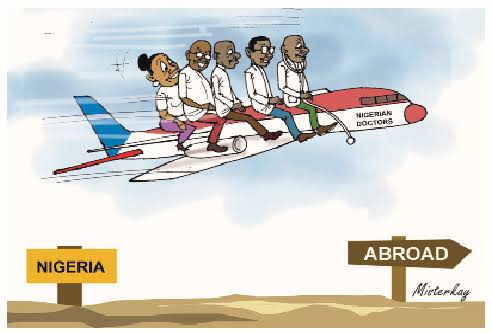
Blessing Akpoveta, a 500 level Medicine and Surgery student, is studying the course for a different reason. She says the State of the health sector in Nigeria speaks for itself in the wake of the mass migration of health professionals.
"They have been trained to save lives, but many doctors are leaving the profession because they don't feel valued. The work load is high but wages are not attractive. Doctors and nurses move every year to find better jobs overseas in better working conditions."
Blessing is concerned that the trend is sending an alarming message to medical students. "When the professionals are leaving, you start to question whether your future is here or not." She also said that medical students' concerns include not only salary, but also the lack of adequate equipment and working conditions, and opportunities for development.
Related Posts

Okowa's Story is Yesterday, Ochei's Story is About Anioma's Future - Detailed Reaction to Chiazor's Article
2027 will not be a primary in a stadium. It is a general election in the open field of Del...
Anybody that has money but doesn't have These 5 Qualities is a Thief - Dr. Maduka, Coscharis Motors CEO
Chief executive officer of Coscharis Group, Dr. Cosmas Maduka, explains five levels of mon...

Africa Union Comes Under Attack as Xenophobic Violence Crushes Migrants in South Africa
For the past four months, nationals of other African countries resident in South Africa ha...

Celebrating The United States@250 and Nigeria's Adaptability to Sustainable Democracy and Economic Growth, By Michael Nwoko
Celebrating The United States@250 and Nigeria's Adaptability to Sustainable Democracy and...
The issue for Osaze Monday, a 400 level Agricultural Science student, is the lack of innovation and productivity in the country. "Nigeria has enormous agricultural potential, yet many young people are discouraged from entering the sector because of poor policies and inadequate support," he said.
"We have fertile land, we have manpower and yet farmers are still facing innumerable problems; millions of jobs can be created if agriculture is developed properly." Osaze says the government has not been doing enough to ensure selected sectors of the economy achieve their potential.
"Sometimes there are opportunities, but systems are not in place to make them successful."
Another student, Jennifer Okoro, a 300-level Sociology student, believes the problem runs deeper than any single issue. The most difficult thing for her is lack of confidence in leadership. "Many young people feel that they are forgotten," she said.
"Promises of development and job creation and improved living conditions are constantly made, but in most cases never come to fruition, and after some time people become frustrated." Jennifer said that the lack of good governance has a negative impact on virtually every facet of life.
"If roads are poor, electricity is not working well, there are no facilities in schools, healthcare is in trouble and corruption makes news, people start asking themselves if things will get better." According to her, migration is often a response to years of disappointment.
"It is not the fault of young people that they want to have a better future; everyone wants to live in a place where their efforts will bear fruit." In addition to these issues, a lot of students cite the high cost of living as one more reason to consider moving. Food prices are still on the rise, transport is much more expensive and the basic necessities are still getting more difficult to afford for many families.
For students who rely on financial support from parents and guardians, the economic reality is not something to be ignored. Go to any hostel on campus and you'll find all kinds of discussions on exchange rates, scholarships, visa applications, international exams and relocation agencies. In the same enthusiastic spirit as discussing academic assignments, students share information about study abroad opportunities.
The trend has been further heightened by social media. Videos showing Nigerians thriving abroad often attract thousands of views and comments from young people hoping to follow similar paths.
But it is not agreed by everyone that migration is a perfect solution. Some students recognize that there are difficult things about moving, like homesickness, learning to adapt to a new culture, discrimination, and not being able to be close to family and friends. Nonetheless, there are still those who say that the advantages outweigh the risks.
The importance of the Japa conversation is that it is the voice of some of the brightest young minds in the country. These are future doctors, economists, lawyers, sociologists, political scientists, and agricultural experts. They want to go elsewhere, which brings up valid questions about the nation's capacity to hold on to talent.
Ironically, most students state that they don't hate Nigeria. They speak fondly of its culture, resilience, creativity, and people. They embrace its diversity and possibilities. What frustrates them, they say, is watching that potential remain unrealized year after year.
For thousands of students at Delta State University, the days are getting closer for graduation, and many are still pursuing a vision of possibilities that extend beyond the shores of Nigeria.
The term Japa is a term of escape from insecurity for some. For some others, it is the result of unemployment, low wages, inflation, a lack of infrastructure, or a lack of good governance. However, the one thing that is becoming clear is that being confident of a better day in Nigeria is still a long way off, until then the dreams of building life abroad will keep nagging the minds of young Nigerians. And in lecture halls all over DELSU, that dream is already coming true.
Ese Ikefe is a 200-level student of Journalism and Media Studies at Delta State University, Abraka dominionikefe@gmail.com
Related Posts

Uchechi Okporie
Jun 27, 2026
How a Handful of Criminals Overseas Are Defining 200 Million Nigerians At Home -What You Must Know
If you're not worried, I'm worried for Nigeria. My heart is pained daily as I read about Nigeria through the different media outlets. There are Nigerians in almost all countries of the world. In the middle East, North and South America, Europe, and Asia, Nigerians are spread in all the countries of these continents. But one thing is common, only a handful of these Nigerians are earning a decent living without involving in criminal activities.
Uchechi Okporie
Jun 26, 2026
Lagos Residents Groan as Rising Cost of Living Outpaces Daily, Monthly Income
The soaring cost of living in Lagos is placing more pressure on residents, with many struggling to keep up as commodity prices continue to rise beyond the income of residents.

Uchechi Okporie
Jun 23, 2026
...But Why are Nigerians in Their Thousands Migrating to South Africa, a Fellow African Nation?... This Research Answers The Question
I just did a quick research on South Africa. For days or weeks I've been wondering what's special about South Africa that almost every African country has their nationals in South Africa more than any other country in the African continent. My instinct was telling me that there's something special that's attracting people from other African countries, especially Nigeria and Ghana, to South Africa.

Uchechi Okporie
Jun 22, 2026
When Celebration Turns Tragic: The Risks of Drinking Before Driving
"Don't drink before driving" is one of the most important road safety rules that every driver should obey.
Uchechi Okporie
Jun 21, 2026
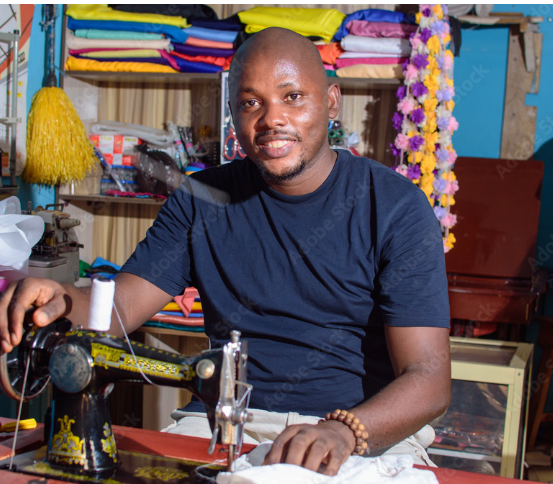
Fashion designer calls for shift from dependence on white-collar jobs, says skill acquisition has more advantages
A fashion designer, Okochi Akachukwu Joshua, has urged young Nigerians to rethink their strong dependence on white-collar jobs, saying the current economic situation has made vocational skills and entrepreneurship more important than ever.

Uchechi Okporie
Jun 18, 2026
Beyond the Music: The Hard Truth in African China and Eedris’ Lyrics, Food No Dey! Water No Dey!!
Sometimes, when I look at Nigeria today, I remember old songs from African China and Eedris Abdulkareem. Back then, people thought they were just making music. But now, it feels like they were actually talking about the country we are living in today.

Uchechi Okporie
Jun 17, 2026
You Won't Understand, The Real Reason Nigeria Is Struggling May Surprise You
A Nigerian citizen, Michael Chinonso Otuma, has said that the country’s development should not be left in the hands of President Bola Ahmed Tinubu alone, stressing that all levels of government and citizens have important roles to play.

Uchechi Okporie
Jun 15, 2026
Aniocha/Oshimili Reps: Emergence of Isioma Ndah as NDC Candidate Unsettles Elumelu's Campaign Council
Emerging reports are indicative that the emergence of Theodora Isoma Ndah as NDC House of Representatives candidate for Aniocha/Oshimili federal constituency, the All Progressive Congress (APC) candidate Ndudi Elumelu has been reportedly unsettled.
Latest Stories
Sep 08, 2026
Okowa's Story is Yesterday, Ochei's Story is About Anioma's Future - Detailed Reaction to Chiazor's Article
Uchechi Okporie

Aug 05, 2026
INTERVIEW: In 2027 Election, APC Members Will Support Omo-Agege Against Dafinone in Delta Central- Efemena Umukoro
Chineye Egesi

Aug 01, 2026
INTERVIEW: It's an Insult to Compare Achievements of Omo-Agege with Ede Dafinone in Delta Central- Efemena Umukoro
Chineye Egesi
Jul 27, 2026
Anybody that has money but doesn't have These 5 Qualities is a Thief - Dr. Maduka, Coscharis Motors CEO
Omovu Osteen

Jul 21, 2026
Beyond Doctors: Why Engineers, Lecturers, Tech Experts are Relocating to UK, US, Canada (Check the Most Hit Profession)
Omovu Osteen
Jul 19, 2026
Africa Union Comes Under Attack as Xenophobic Violence Crushes Migrants in South Africa
Uchechi Okporie

Jul 18, 2026
Talent Alone Won't Win Africa World Cup, Football Fans Share Experience
Uchechi Okporie

Jul 17, 2026
2027: With Omo-Agege, Ochei in NDC, Aggrieved Nwoko, Oborevwori's Political Battles Just Begun
Omovu Osteen
Jul 12, 2026
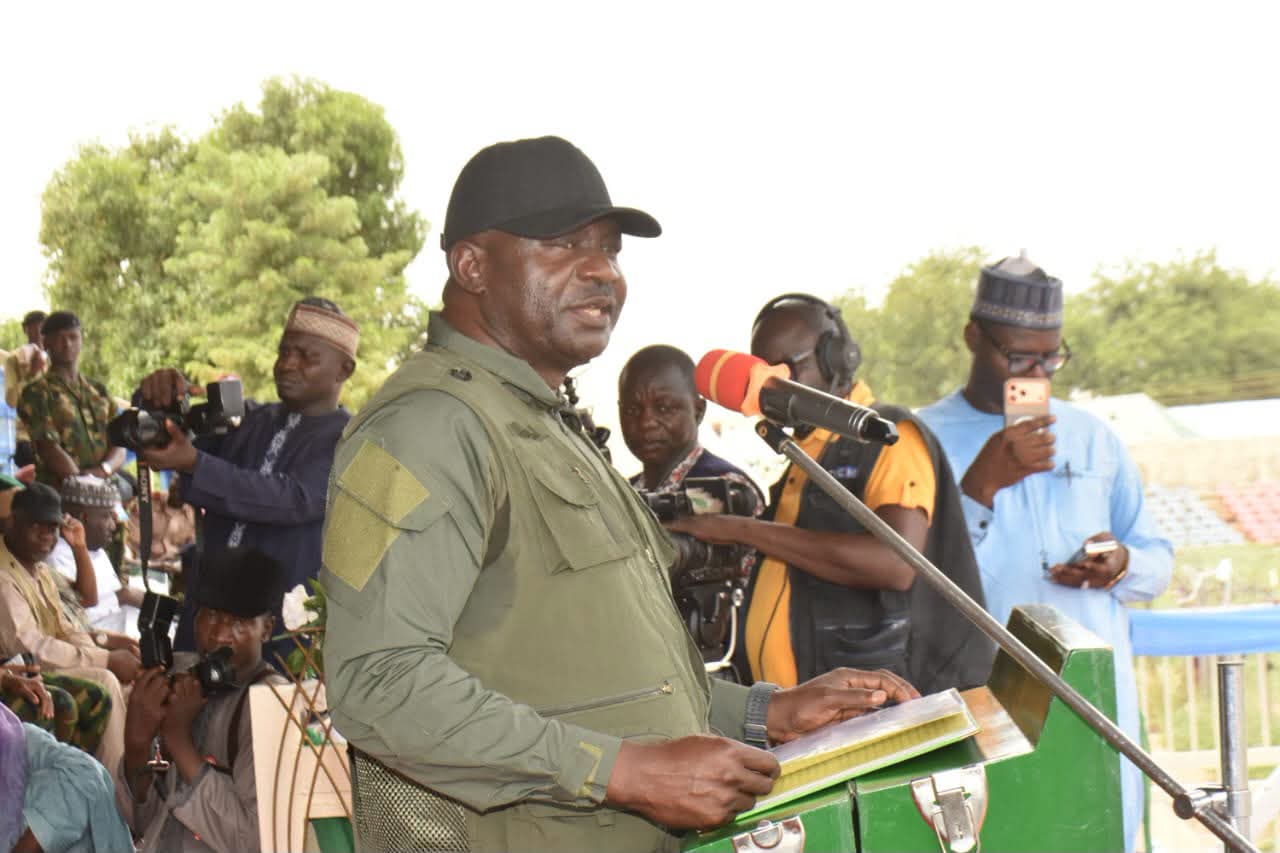
One Hundred Thousand Naira Salary for Nigerian Soldiers, Why?
Omovu Osteen
Jul 05, 2026
Celebrating The United States@250 and Nigeria's Adaptability to Sustainable Democracy and Economic Growth, By Michael Nwoko
Omovu Osteen
Jul 04, 2026
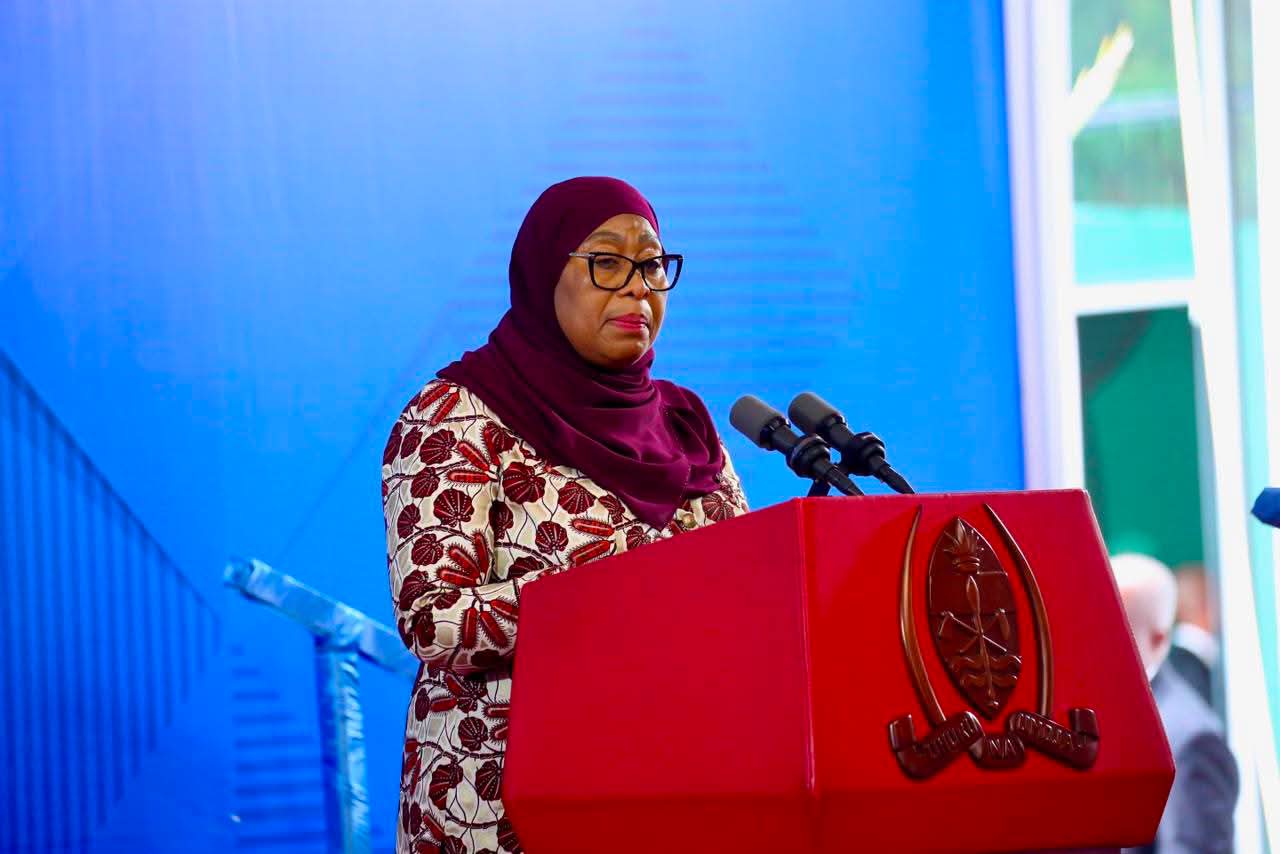
Two Women, Fifty-Four Nations: The Untold Story of Two Female Presidents in Africa
Omovu Osteen