Nigeria Plans N600 Billion Domestic Bond Sale to Manage Debt and Fund Spending
 Chineye Egesi
May 15, 2026
3 min read
Chineye Egesi
May 15, 2026
3 min read
The Nigerian government is returning to the local debt market to raise N600 billion through a bond auction scheduled for May 18, 2026. This move is part of ongoing efforts to manage the country’s financing needs, tackle rising debt servicing costs, and adapt to changing liquidity conditions.
According to the Debt Management Office (DMO), the offer includes two previously issued bonds, each reopened at N300 billion:
· A 10-year bond at 22.60% interest, maturing January 2035 · A 20-year bond at 16.2499% interest, maturing April 2037
The auction will settle on May 20, 2026. Each bond unit costs N1,000, with a minimum subscription of N50 million, and additional investments in multiples of N1,000.
Since these are reopenings, the interest rates are already fixed. Successful bidders will pay based on the yield-to-maturity that clears the auction, plus any accrued interest. Interest will be paid twice a year, and the full principal will be repaid when the bond matures.
The DMO emphasized that these bonds are backed by the full credit of the Federal Government, making them one of the safest investment options in Nigeria.

Investor interest in fixed-income securities remains high due to attractive yields, tight monetary policies, and strong institutional demand. Analysts note that this N600 billion offer is more measured than April’s N700 billion auction, which included three bonds: a N300 billion 10-year, a N100 billion 7-year, and a N300 billion 5-year bond.
By focusing on domestic borrowing, the government reduces its exposure to foreign exchange risks and global interest rate hikes. However, high local interest rates continue to push up the cost of borrowing.
The bonds come with tax benefits and regulatory advantages. They qualify as trustee investment securities under Nigerian law and are recognized as government securities under the Company Income Tax Act and Personal Income Tax Act. Pension funds and other institutional investors can also enjoy tax exemptions.
These bonds are listed on the Nigerian Exchange and the FMDQ OTC Securities Exchange, allowing investors to trade them easily. Banks can also count them as liquid assets when calculating liquidity ratios.
Subscriptions are facilitated by Primary Dealer Market Makers (PDMMs), including Access Bank, First Bank, Stanbic IBTC, GT bank, Zenith bank, Eco Bank Nigeria, and standard chartered bank Nigeria
Related Posts
No related posts found.
Trending

May 14, 2026
Assasinate Donald Trump, Get €50m Reward, Iran Parliament Makes Big Offer to Sympathisers
Uchechi Okporie

May 16, 2026
BREAKING: Political Shockwaves Across Nigeria as 30-Year-Old Kaduna Aspirant Withdraws From Parliament Race Amid Explosive Age Eligibility Crisis
Uchechi Okporie

May 12, 2026
BREAKING: UK Minister Davis-Jones Resigns, Check Her Reasons
Uchechi Okporie

May 12, 2026
Stop Running to South Africa, Hold Your Corrupt, Dictatorial Govt Accountable - South African Citizen Tells Nigerians
Uchechi Okporie
May 12, 2026
Atiku rejects southern presidency push, warns Nigeria’s opposition against political division ahead of 2027
Uchechi Okporie

May 12, 2026
Wike–Fubara power struggle shakes Nigeria’s Rivers State ahead of 2027 elections
Uchechi Okporie

May 12, 2026
Nigeria’s Quran Oath Strategy for Reformed Terrorists Draws Global Attention as Africa Battles Extremism
Uchechi Okporie

May 17, 2026
Deadly Chaos Erupts Inside Nigeria’s Ruling Party as APC Primary Election Violence Claims Life in Plateau, Raising Fresh Fears Ahead of 2027 Power Battle
Uchechi Okporie
May 17, 2026
BREAKING: Diaspora Group Erupts Over “Disrespect” to Goodluck Jonathan, Fires Warning at VeryDarkMan Amid 2027 Political Tension
Uchechi Okporie

May 16, 2026
Nigeria’s South-South Political Rift Deepens as Fierce Battle Over “Consensus” Threatens Regional Unity Ahead of 2027 Elections
Uchechi Okporie

May 13, 2026
SO SAD!! Former Reps Member Dies in Kidnappers Den
Uchechi Okporie
Latest Stories

May 18, 2026
APC Aspirant Rejects Ondo Rep Primary Result, Alleges Irregularities and Manipulation
Chineye Egesi
May 18, 2026
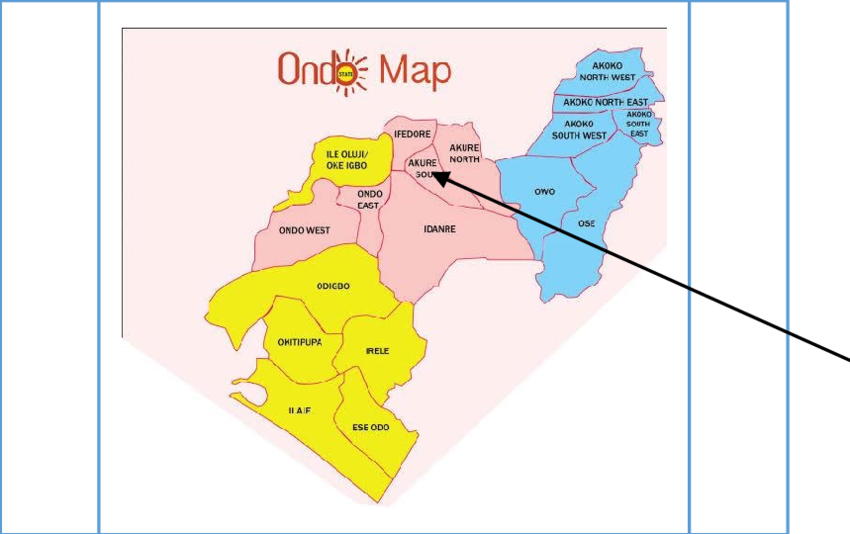
Chaos in Akure: Thugs Storm APC Secretariat, Disrupt Ondo Reps Primary Collation
Chineye Egesi

May 18, 2026
APC Overturns Plateau Reps Primary, Hands Victory to Gagdi After ‘Unauthorised’ Result
Chineye Egesi
May 18, 2026
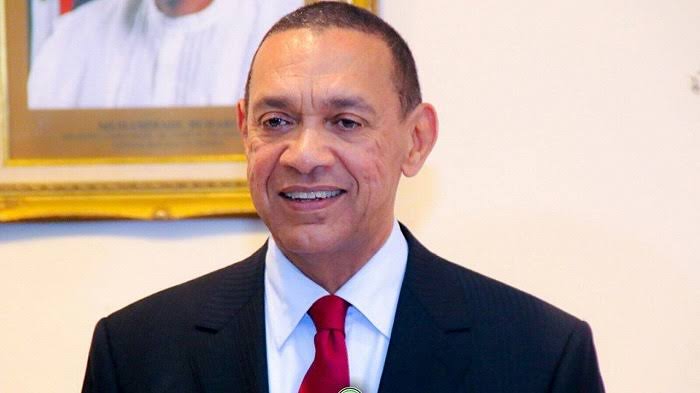
APC Shocks 46 Senatorial Hopefuls, Including Ben Murray-Bruce, Ahead of 2027 Primaries
Chineye Egesi
May 18, 2026
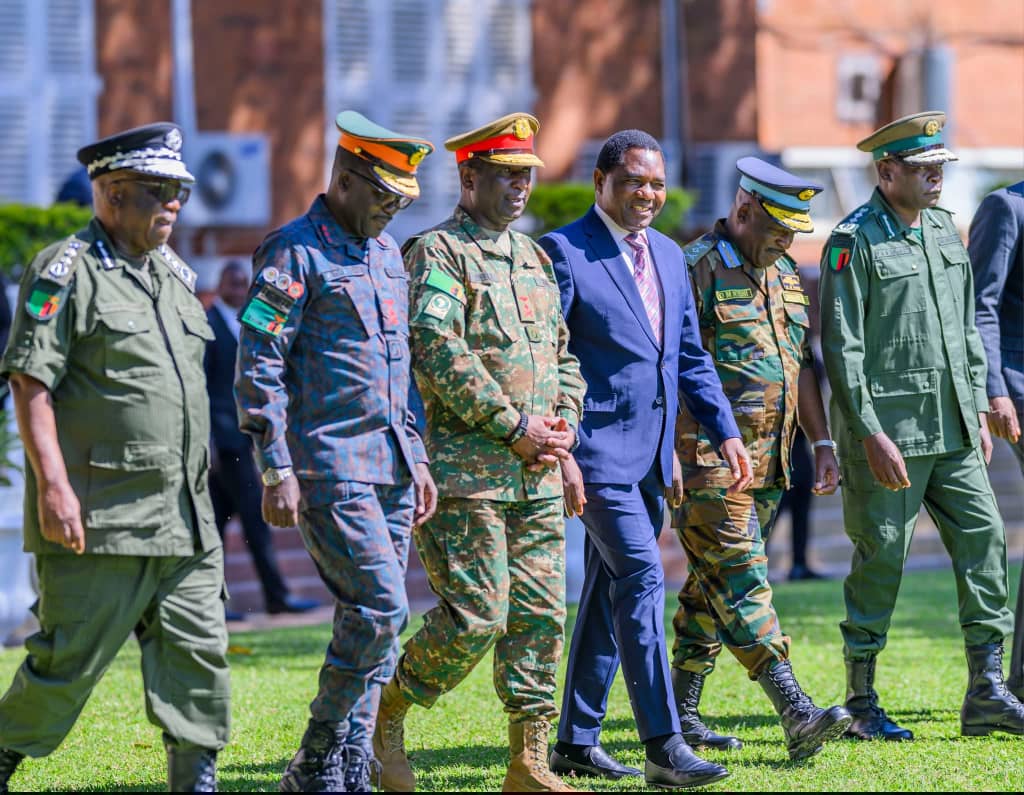
The Law Will Apply to All — Zambia President Issues Strong Warning as Elections Campaign Begins
Uchechi Okporie

May 18, 2026
Medeama shock Ghana as they grab 2025/26 league title in fierce race
Uchechi Okporie

May 18, 2026
West Africa security crisis deepens as Amotekun launches forest manhunt to rescue 45 abducted Oyo schoolchildren
Uchechi Okporie

May 18, 2026
Griezmann Breaks Silence on Barcelona Betrayal, Begs Atletico Fans for Forgiveness in Emotional Farewell
Uchechi Okporie
May 18, 2026
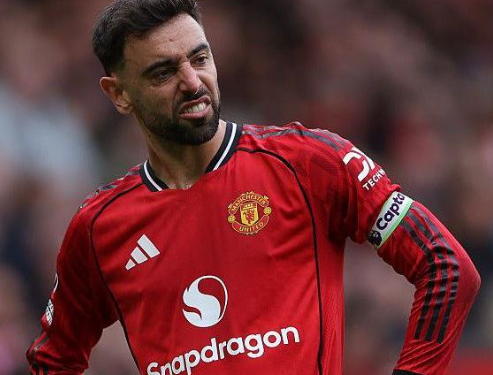
Bruno Fernandes Equals Historic EPL Assist Record as Manchester United Humiliate Nottingham Forest in Ruthless Premier League Showdown
Uchechi Okporie
May 18, 2026
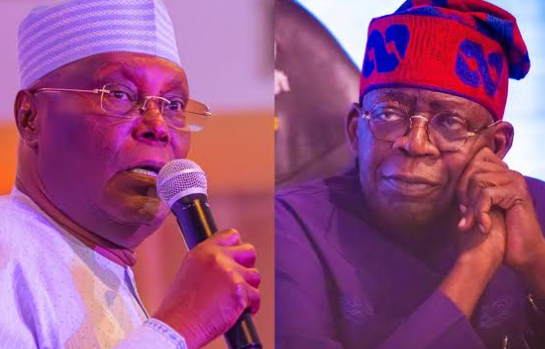
Atiku Sounds Global Alarm Over Tinubu’s ‘Borrowing Addiction,’ Says Nigeria Is Being Dragged Toward Economic Collapse
Uchechi Okporie

May 18, 2026
Fresh Political Storm Hits Nigeria’s Ruling APC as Women and Youths Warn Against Alleged Manipulation of Primary Election Results
Uchechi Okporie