The Effect of Climate in Africa: Challenges, Opportunities, and the Path Forward
 Admin User
Mar 05, 2026
3 min read
Admin User
Mar 05, 2026
3 min read
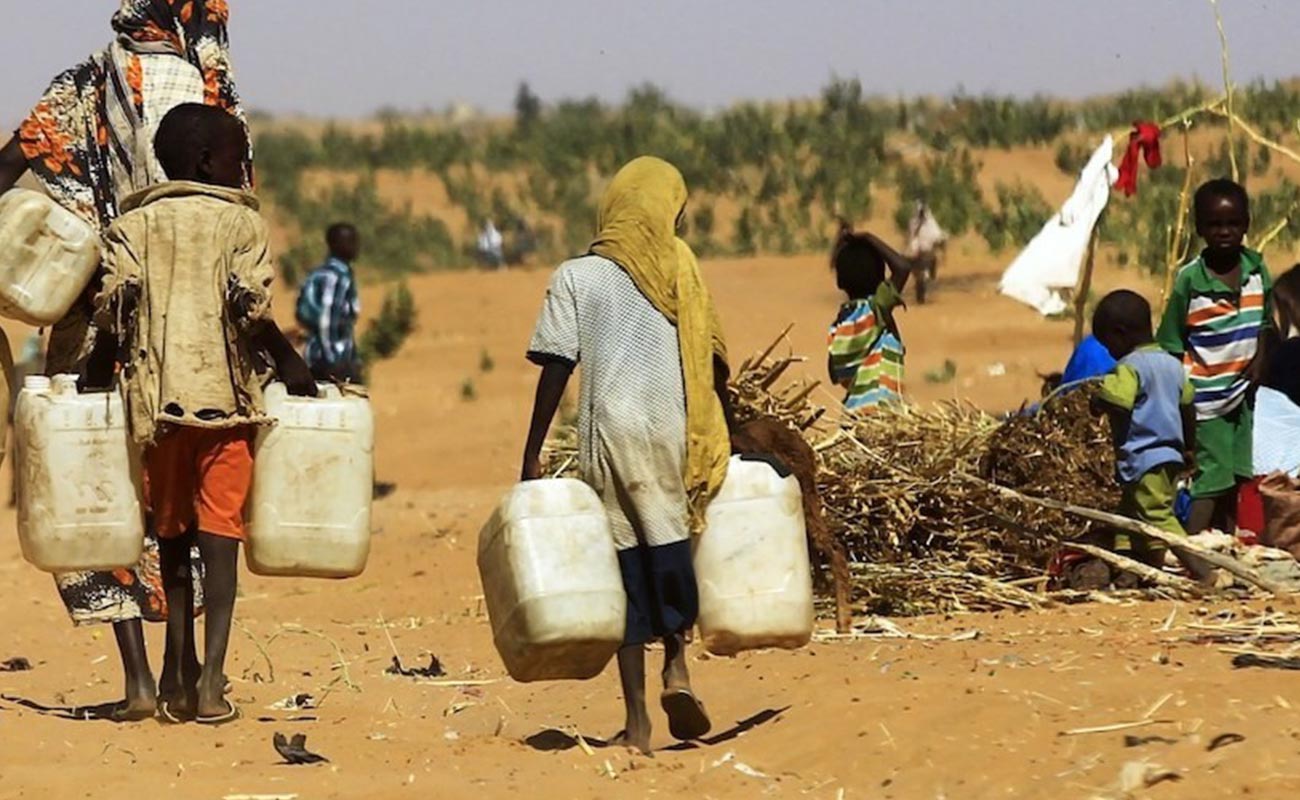
Africa’s climate is one of the most diverse and influential environmental systems in the world. From the vast deserts of the north to the tropical rainforests near the equator and the temperate regions in the south, climate shapes nearly every aspect of life on the continent. It determines agricultural productivity, influences economic development, affects public health, and plays a critical role in environmental sustainability.
Understanding the effects of climate in Africa is essential for addressing both present challenges and future opportunities.
-
Climate Diversity Across the Continent Africa experiences several major climate zones due to its size and geographical position. The Sahara region is dominated by extremely hot and dry desert conditions, while equatorial areas such as the Congo Basin experience heavy rainfall and humid tropical weather. The savannah regions have seasonal rainfall patterns, and parts of Southern Africa experience more temperate climates. This climatic diversity influences how communities live, what crops they grow, and how economies are structured across the continent.
-
Impact on Agriculture Agriculture is the backbone of many African economies, employing a significant portion of the population. Climate directly affects:
- Crop yields
- Livestock production
- Soil fertility
- Water availability
- Irregular rainfall, prolonged droughts, and flooding have increasingly disrupted agricultural cycles. Many farmers rely on rain-fed agriculture, making them particularly vulnerable to climate variability.
For example, prolonged droughts in the Sahel region have reduced food production and increased food insecurity. Conversely, excessive rainfall in some areas leads to flooding, which destroys crops and infrastructure.
- Economic Consequences Climate conditions have a direct relationship with economic development in Africa. Extreme weather events can damage infrastructure, reduce productivity, and increase poverty levels. Sectors most affected include:
- Agriculture
- Fisheries
- Energy production
- Tourism For instance, droughts can lower hydroelectric power generation in countries that depend on water reservoirs, while coastal erosion and rising sea levels threaten tourism and fishing industries.
- Effects on Health Climate also plays a significant role in public health. Changes in temperature and rainfall patterns influence the spread of diseases such as malaria, cholera, and dengue fever. Flooding often leads to contaminated water sources, increasing the risk of waterborne diseases. On the other hand, heat waves can lead to dehydration and heat-related illnesses, especially in vulnerable communities with limited access to healthcare.
Related Posts
BREAKING: Abuja peace talks move to end plateau violence as Nigeria seeks lasting calm
Fresh peace talks in Nigeria’s capital, Abuja, are underway as authorities intensify effor...
Nigeria Sets High-Stakes June 20 Vote Across Six States as Electoral Clock Ticks Toward 2027
Nigeria’s electoral momentum is gathering pace as the Independent National Electoral Commi...
Power Struggle in Northern Nigeria: Ilorin Emirate Faces Backlash Over Senatorial Endorsement
A growing political storm is unfolding in Nigeria’s Kwara State as a civic group openly ch...
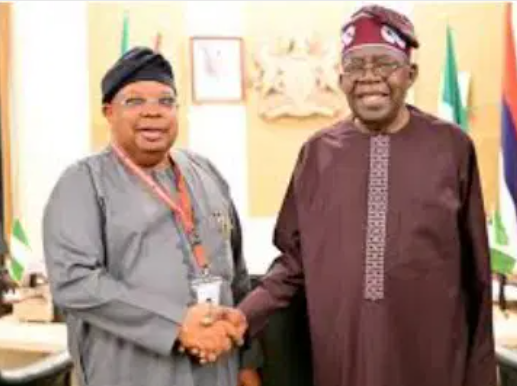
BREAKING: Nigeria’s Power Crisis Boils As Tinubu Picks New Minister in Urgent Reset
Nigeria’s fragile electricity sector has entered a new phase of uncertainty and expectatio...
- Environmental Impact Africa’s ecosystems are highly sensitive to climate changes. Increasing temperatures and changing rainfall patterns contribute to:
- Desertification
- Loss of biodiversity
- Deforestation
- Water scarcity Regions like the Sahel have experienced expanding desert conditions, reducing arable land and forcing many communities to migrate in search of better living conditions.
-
Social and Migration Effects Climate stress can contribute to social instability and migration. When farmland becomes unproductive and water becomes scarce, communities may be forced to relocate. This movement can create competition over limited resources in other regions, sometimes leading to conflict between communities over land and water access..
-
Opportunities for Climate Adaptation Despite the challenges, Africa also has opportunities to address climate impacts. The continent has strong potential for:
- Solar energy development
- Wind energy projects
- Climate-smart agriculture
- Sustainable water management With proper policies, investment, and international cooperation, African nations can build resilience against climate challenges while promoting sustainable development.
Climate has a profound influence on Africa’s environment, economy, and society. While climate variability presents serious challenges—especially for agriculture, health, and economic stability—it also highlights the importance of innovative adaptation strategies.
By investing in sustainable practices, renewable energy, and climate-resilient infrastructure, Africa can transform climate challenges into opportunities for long-term growth and environmental protection. The future of Africa will largely depend on how effectively the continent responds to the evolving realities of climate change.
Related Posts


Uchechi Okporie
Apr 30, 2026
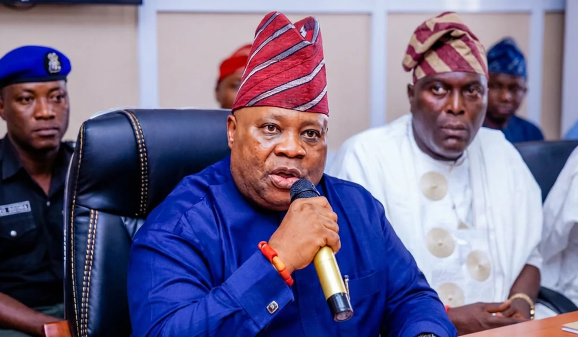
BREAKING: Africa Watches As President Tinubu Hands Nigeria’s Global Diplomacy To Bianca Odumegwu-Ojukwu
Nigeria has triggered a major diplomatic shift after President Bola Ahmed Tinubu appointed Bianca Odumegwu-Ojukwu as the country’s new Minister of Foreign Affairs, a move already drawing attention across Africa and beyond.
Uchechi Okporie
Apr 30, 2026
Nigerian University Records Explosive Growth as Student Population Hits 15,000 in Three Years
The University of Ilesa (UNILESA) has recorded a rapid transformation in Nigeria’s higher education landscape, as its student population rises to 15,000 within just three years of establishment, marking one of the fastest institutional expansions in recent academic history.
Uchechi Okporie
Apr 30, 2026
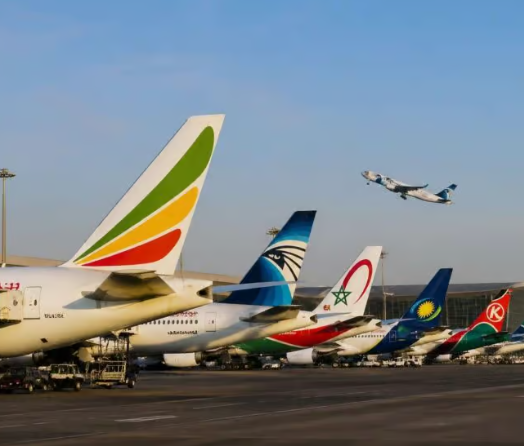
Africa’s sky race takes off as airline giants unite to drive tourism boom
Africa’s aviation sector is gaining fresh global momentum as leading carriers, including Ethiopian Airlines, EgyptAir, Royal Air Maroc, Kenya Airways and South African Airways, align with a strategic framework championed by the International Air Transport Association to accelerate tourism growth and reshape air travel across the continent.

Uchechi Okporie
Apr 30, 2026
Broken Systems, Broken Results: Dafinone Diagnoses Nigeria’s Development Crisis
Senator Ede Dafinone has urged Nigerian youths to embrace discipline, innovation, and institution-building to drive sustainable development, warning that the nation risks squandering its vast potential without translating capacity into productivity.

Uchechi Okporie
Apr 29, 2026
Nigeria records 15.6% year-on-year drop in petrol prices as energy relief emerges – NBS
Next Africa Daily reports that Nigeria has recorded a 15.6% year-on-year decline in petrol prices, according to new data released by the National Bureau of Statistics (NBS), marking a significant shift in the country’s energy cost trend.
Admin User
Apr 29, 2026
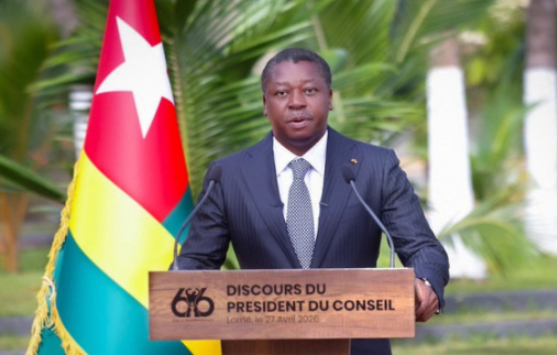
Togo unveils new national development roadmap, launches nationwide public consultations
The government of Togo has announced the launch of a new national development roadmap aimed at guiding the country’s economic and social transformation over the coming years.

Uchechi Okporie
Apr 29, 2026
Tragedy in Ondo: 20-year-old polytechnic student reported dead in suspected suicide case
Ondo State is in mourning following the death of a 20-year-old polytechnic student, who was found dead in what authorities are treating as a suspected suicide case.
Admin User
Apr 29, 2026
NASS Members Jittery as Governors Move to Dictate Candidates, Block Rivals, Hijack APC Tickets
The All Progressives Congress (APC) has quietly altered its 2027 election timetable after internal concerns that governors were moving to dominate the nomination process, particularly for National Assembly seats.
Trending
Apr 28, 2026
Africa Outraged as Two Nigerians Killed in South Africa, Abuja Demands Urgent Justice
Uchechi Okporie
Apr 25, 2026
BREAKING AFRICA HOUSING CRISIS: Minister Vows Urgent Action as Nigeria Faces Massive Shelter Shortfall
Uchechi Okporie

Apr 27, 2026
Senator Natasha Declares for 2027 Kogi Central Senatorial Race, Says Her Endorsement Overwhelming
Admin User
Apr 27, 2026
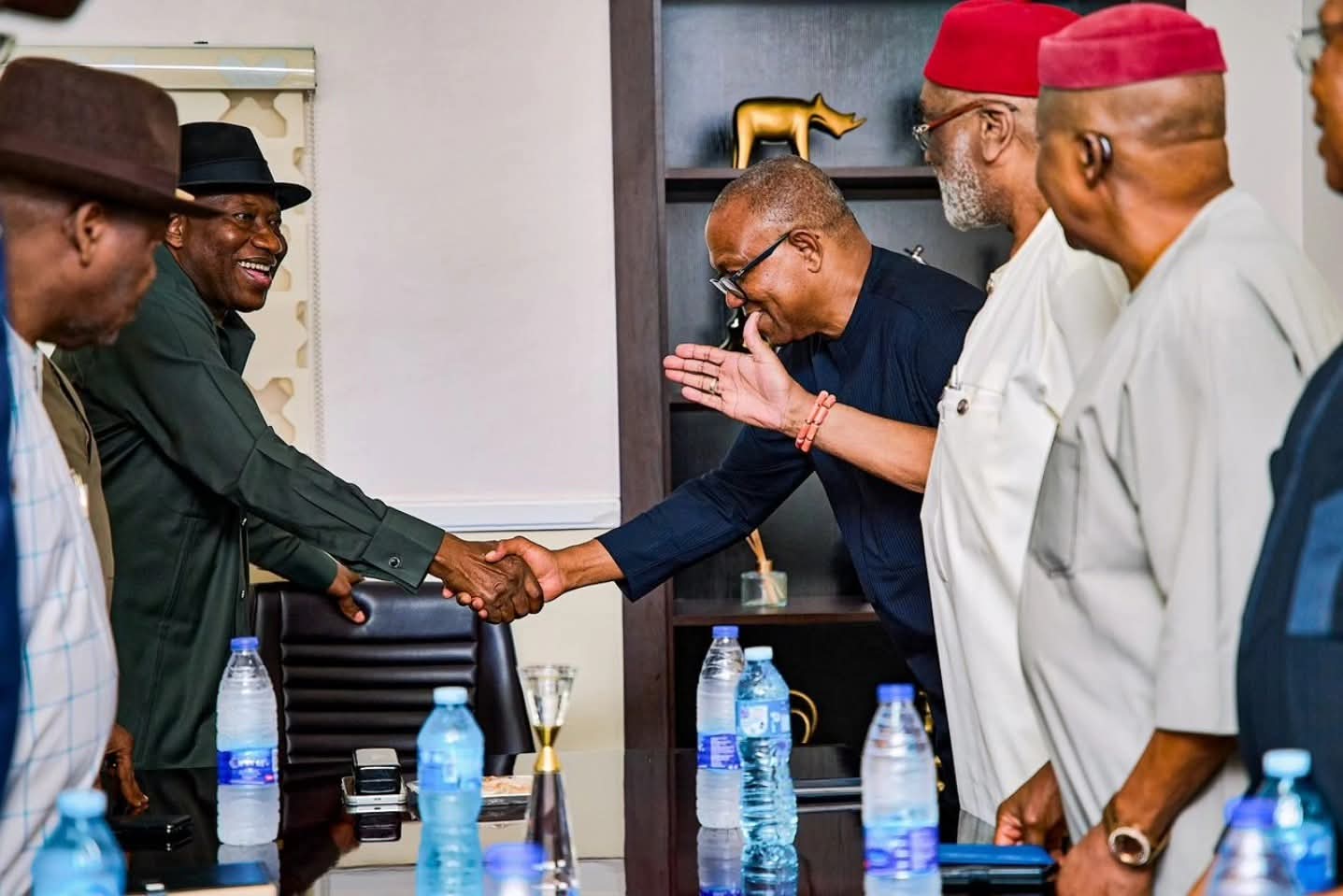
What We Discussed in Our Meeting With Jonathan - Obi Reveals in Explosive Statement
Uchechi Okporie

Apr 28, 2026
A Tall Ambition: Delta Councilor Purchases Expression of Interest Forms to Represent Ndokwa/Ukwuani in House of Reps
Admin User
Apr 25, 2026
Africa Political Shockwave: Atiku, Obi, Amaechi Gather in Ibadan as Nigeria’s Opposition Forces Signal Major 2027 Battle
Uchechi Okporie
Apr 25, 2026
BREAKING: NATO in Internal Storm as US Reportedly Moves Against Spain Over Iran War—Alliance Rules Out Expulsion Powers
Uchechi Okporie
Apr 26, 2026
AFRICA DIVIDED: Osinbajo and Gospel Singer Lock Horns in Viral Faith War
Uchechi Okporie

Apr 27, 2026
From Brothers to Burdens: Why Nigerians Are No Longer Welcome in South Africa, Ghana - The Sad Story
Uchechi Okporie
Apr 26, 2026
BREAKING: Ghana Forces Storm Illegal Mining Stronghold, Destroy Excavators in Major Anti-Galamsey Crackdown
Uchechi Okporie

Apr 26, 2026
Gunfire Panic Rocks White House Dinner as Trump Evacuated in Major Security Scare
Uchechi Okporie
Latest Stories

May 01, 2026
Ghana can shock England, Ahinful warns
Uchechi Okporie
May 01, 2026
BREAKING: Abuja peace talks move to end plateau violence as Nigeria seeks lasting calm
Uchechi Okporie
May 01, 2026
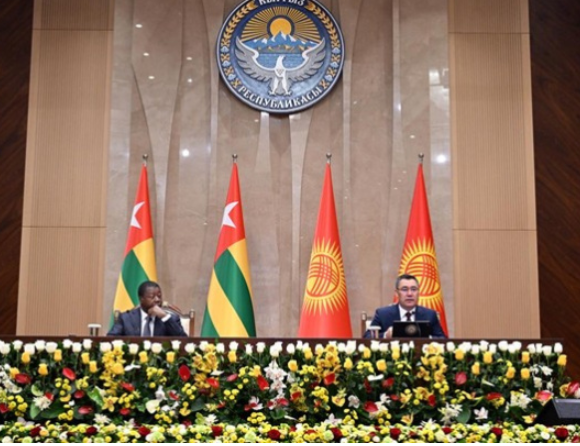
Africa Eyes New Frontiers: Togo and Kyrgyzstan Strike Unlikely Strategic Deal in Bishkek
Uchechi Okporie

May 01, 2026
BREAKING: ‘Ceasefire Illusion’ U.S.–Iran Tensions Choke Global Oil Lifeline, Africa Braces for Economic Shock
Uchechi Okporie
May 01, 2026
Nigeria Sets High-Stakes June 20 Vote Across Six States as Electoral Clock Ticks Toward 2027
Uchechi Okporie

Apr 30, 2026
BREAKING: Ghana’s Zanetor Agyeman-Rawlings Lands Top Pan-African Parliament Role, Signaling New Era of Youthful African Leadership
Uchechi Okporie

Apr 30, 2026
Omo-Agege Reacts to Oborewvori's Comments on 2023 Election, Says Governor Raising the Matter Serves No Useful Purpose
Admin User
Apr 30, 2026
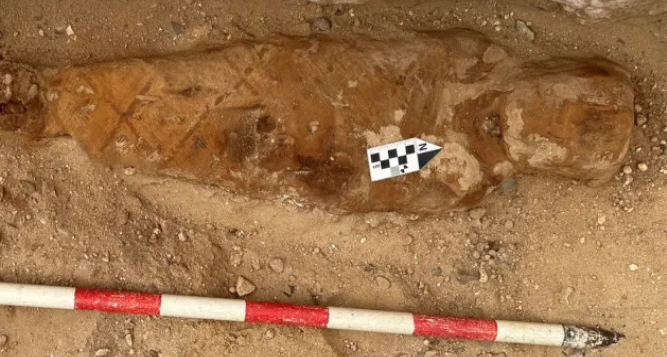
Egypt Stuns the World: 1,600-Year-Old Mummy Found With Ancient Iliad Text Hidden Inside Body
Uchechi Okporie
Apr 30, 2026
Power Struggle in Northern Nigeria: Ilorin Emirate Faces Backlash Over Senatorial Endorsement
Uchechi Okporie
Apr 30, 2026
BREAKING: Nigeria’s Power Crisis Boils As Tinubu Picks New Minister in Urgent Reset
Uchechi Okporie

Apr 30, 2026
Ashanti Political Firestorm: NDC Women’s Boss Drops Bombshell Allegations Against Ejisu MCE
Uchechi Okporie