The Paradox of Leadership in Nigeria: Why Good Presidents Are Rarely Celebrated in Their Time
 Uchechi Okporie
Apr 14, 2026
3 min read
Uchechi Okporie
Apr 14, 2026
3 min read
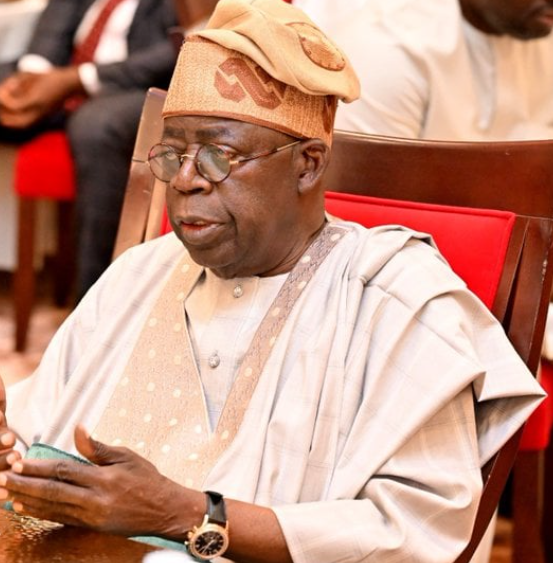
In the ever-evolving story of Nigeria’s democracy, few figures spark as much intense debate as Bola Ahmed Tinubu. To his supporters, he represents resilience, political mastery, and a willingness to take hard decisions.
To his critics, he embodies the familiar skepticism Nigerians hold toward those in power. But beyond the noise lies a deeper national pattern—one that has defined leadership perception in Nigeria for decades: the tendency to underappreciate leaders while they serve, only to reassess them more kindly after they leave office.
History has shown that Nigerians are not easily satisfied with their leaders. From the early post-independence era to the present democratic dispensation, expectations have always been sky-high. Citizens demand rapid transformation—economic stability, security, infrastructure, and social welfare—often within impossibly short timelines.
When these expectations are not immediately met, frustration overshadows progress, and even meaningful reforms are dismissed as inadequate.
President Tinubu’s tenure reflects this exact tension. His administration has taken bold, sometimes controversial steps aimed at restructuring Nigeria’s economic realities. Policies that remove long-standing subsidies or attempt fiscal reforms are rarely popular at the moment they are introduced.
Yet, such decisions are often the very foundation upon which future stability is built. The irony, however, is that the same policies that may yield long-term benefits tend to attract short-term backlash from a population already burdened by economic hardship.
The Nigerian public space—fueled by social media, political opposition, and general distrust of authority—amplifies criticism more than it does cautious optimism. In such an environment, it becomes almost impossible for any sitting president to enjoy broad approval, regardless of performance.
Related Posts
Benin Breaks the Mold: 49-Year-Old Romuald Wadagni Sweeps to Power in a Generational Shift
In a historic political transition that is capturing global attention, Benin has elected 4...
“While Nigerians Die Daily, Who Are the Security Agencies Really Fighting?”
In a nation where fear is fast becoming a daily companion, one question refuses to go away...
BREAKING: Fear in Nigeria’s Southwest as Suspected Herdsmen Killing Sparks Fresh Security Alarm
Tension has escalated in Ibadan, a major city in southwestern Nigeria, following the killi...
“They Say It’s About Land… But what’s Really Brewing in This Niger Delta Community?”
Tension is quietly rising in a community in Nigeria’s oil-rich Niger Delta, where resident...
Leadership is judged not only by outcomes but by emotions, and in Nigeria, those emotions are often shaped by daily struggles. Another factor is the culture of comparison and hindsight. Nigerians frequently romanticize past leaders once new administrations expose different weaknesses.
What was once criticized becomes, in retrospect, a “better time.” This cycle continues, reinforcing a national habit of delayed appreciation. It is not necessarily that past leaders were flawless, but that current realities make previous administrations appear more favorable.
There is also the issue of political polarization. In Nigeria, support for a president is often tied to regional, ethnic, or party loyalties rather than objective policy analysis. This means that even well-intentioned policies can be rejected outright by those who view the government through a political lens.
As a result, consensus on “good leadership” becomes nearly impossible. So why are Nigerians rarely content with their leaders, even when some deliver measurable progress? The answer lies in a combination of high expectations, economic pressure, distrust in governance, and a deeply ingrained culture of criticism.
Nigerians are not wrong to demand accountability—indeed, it is a vital part of democracy. But the challenge arises when criticism becomes so dominant that it blinds the public to incremental progress. It is possible that when Bola Ahmed Tinubu eventually leaves office, a new administration may bring different challenges—perhaps even harsher realities. And in that moment, many may look back and reassess his tenure with a more balanced perspective, recognizing policies and decisions that were once unpopular but ultimately necessary.
This is not just about one man; it is about a national mindset. Until Nigerians learn to evaluate leadership with both patience and objectivity—acknowledging both strengths and shortcomings in real time—the cycle will continue. Good leaders will be questioned relentlessly while in office, only to be remembered more kindly when they are gone.
In the end, the true test of leadership is not immediate applause but lasting impact. And perhaps, just perhaps, history will tell a more generous story than the present ever could.
Related Posts
Uchechi Okporie
Apr 14, 2026
Benin Breaks the Mold: 49-Year-Old Romuald Wadagni Sweeps to Power in a Generational Shift
In a historic political transition that is capturing global attention, Benin has elected 49-year-old Romuald Wadagni as its new president—marking a significant generational shift in the country’s leadership.
Uchechi Okporie
Apr 14, 2026
“While Nigerians Die Daily, Who Are the Security Agencies Really Fighting?”
In a nation where fear is fast becoming a daily companion, one question refuses to go away: what exactly are Nigeria’s security agencies doing? Across the country, from rural communities to major highways, the stories are the same—kidnappings, killings, and violent attacks that leave families shattered and communities in mourning. Citizens wake up each day not with hope, but with uncertainty.
Uchechi Okporie
Apr 14, 2026
BREAKING: Fear in Nigeria’s Southwest as Suspected Herdsmen Killing Sparks Fresh Security Alarm
Tension has escalated in Ibadan, a major city in southwestern Nigeria, following the killing of a local farmer by individuals suspected to be herdsmen—an incident that is reigniting concerns over rural insecurity across Africa’s most populous nation.
Uchechi Okporie
Apr 14, 2026
“They Say It’s About Land… But what’s Really Brewing in This Niger Delta Community?”
Tension is quietly rising in a community in Nigeria’s oil-rich Niger Delta, where residents say a growing land dispute is pushing them to the edge—and they are now calling for urgent intervention before the situation spirals out of control.
Uchechi Okporie
Apr 14, 2026
“They Thought It Was Settled… Then Something Unexpected Happened Hours Before the Big Event”
The African Democratic Congress (ADC) has alleged that the owner of its planned convention venue is under pressure to deny the party access, despite a valid agreement and full payment for the facility.
Uchechi Okporie
Apr 13, 2026
Again, Leadership Battle Splits ADC as Adamawa Faction Fires Atiku, Former SGF
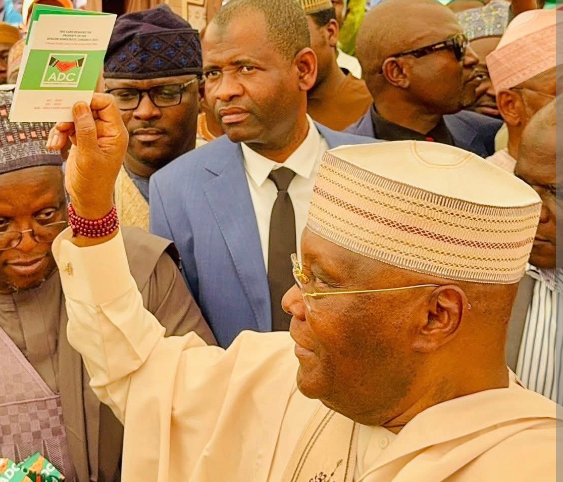
A faction of the African Democratic Congress (ADC) in Adamawa State has announced the suspension of former Vice President Atiku Abubakar, in a move that underscores deepening internal divisions within the party.
Trending
Apr 11, 2026
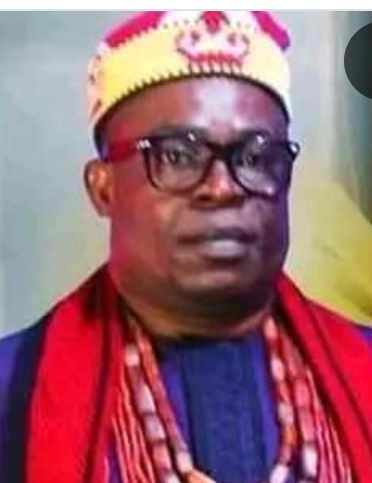
BREAKING NEWS: Gunmen Kill Imo Monarch, Five Others, Burn Bodies in Deadly Ambush
Uchechi Okporie
Apr 12, 2026
BREAKING NEWS: He Gave Up Everything… What Followed Is Shaking Thousands Right Now
Uchechi Okporie
Apr 07, 2026
BREAKING: Former Nigerian VP Osinbajo Secures International Appointment
Uchechi Okporie

Apr 10, 2026
Togo Positions Port of Lomé as Alternative for Global Trade Amid Rising Tensions in Strait of Hormuz
Uchechi Okporie
Apr 08, 2026
Nigerian Statesman Chuba Okadigbo’s 1992 Remark on Bola Tinubu Foretold Current Presidency, Says Lagos Official
Uchechi Okporie
Apr 13, 2026
Tragedy in Northeast Nigeria as Airstrike Hits Civilian Market, Reportedly Kills 200 People - Reuters Reports
Uchechi Okporie
Apr 10, 2026
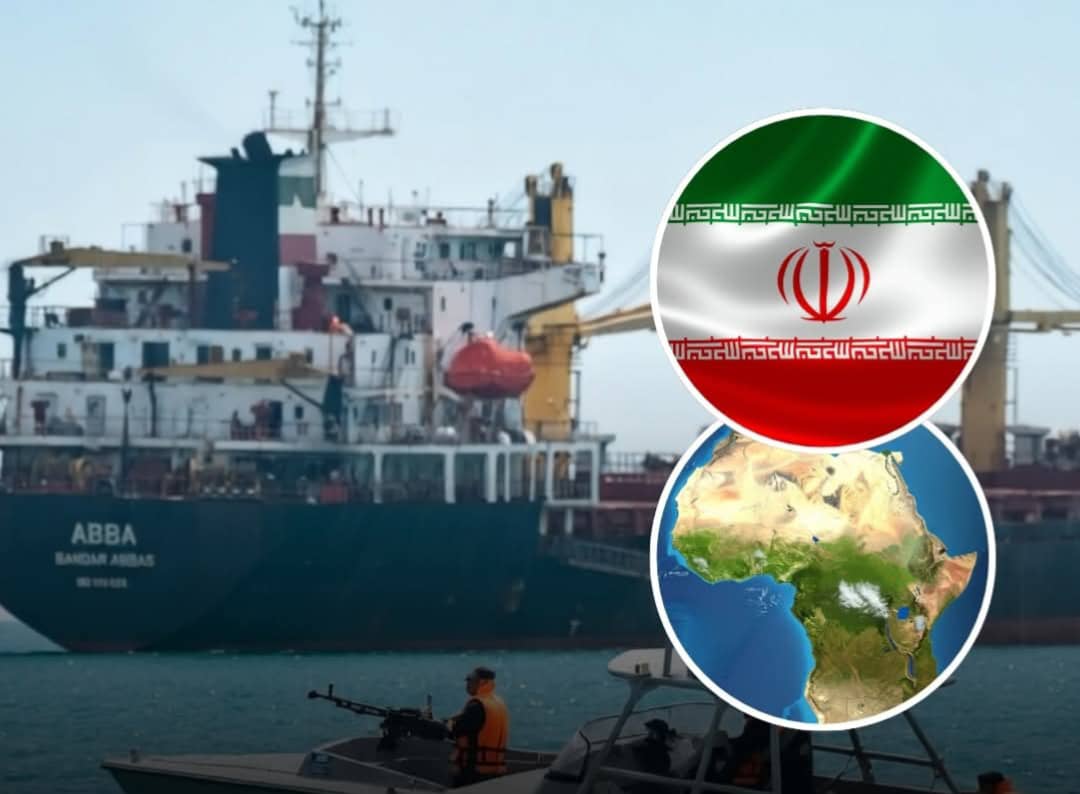
Iran Guards Block Botswana Vessels, Allow Gabon, South Africa Past Strait of Hormuz as Fragile Ceasefire Persist
Uchechi Okporie
Apr 09, 2026
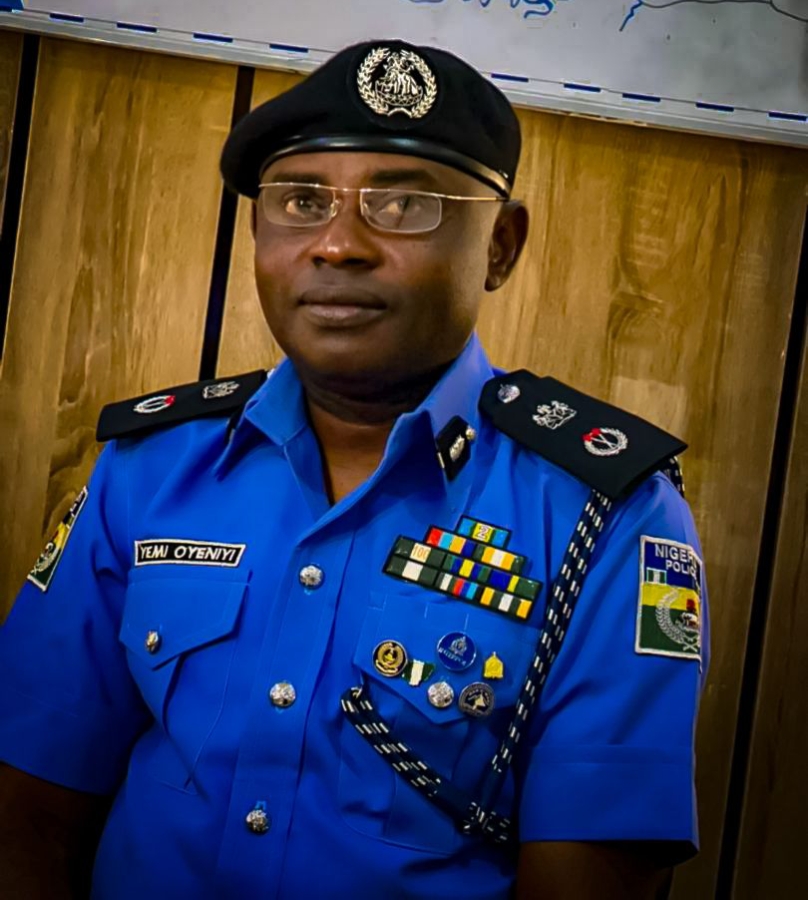
Police, Kidnappers Exchange Gunfire, Neutralise 2 Hoodlums, Rescue Victims in Delta
Uchechi Okporie
Apr 10, 2026
Ughelli Reps: Trouble for Waive as His Political Capital, Top Ranking GOs, Archbishops, Bishops, Pastors Disown Him, Move 2027 Support to Ominimini
Uchechi Okporie
Apr 08, 2026
N200k Pay Raise for Doctors, Nurses, Others Zero: A Policy That Could Cripple Delta’s Health Sector
Uchechi Okporie
Apr 09, 2026
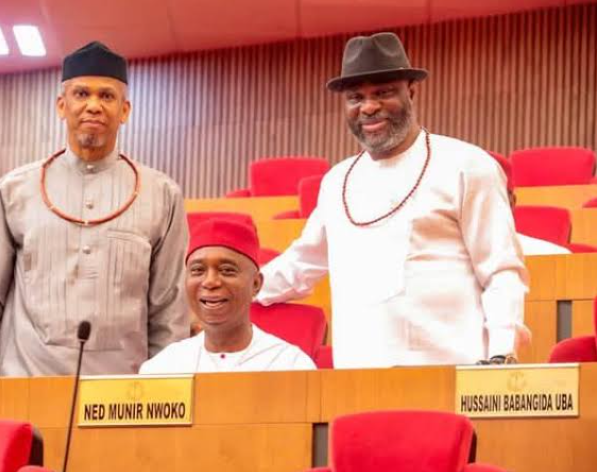
A Wave of Discontent: Inside the Coordinated Backlash Against Delta’s Three Senators
Uchechi Okporie
Latest Stories
Apr 14, 2026
Benin Breaks the Mold: 49-Year-Old Romuald Wadagni Sweeps to Power in a Generational Shift
Uchechi Okporie
Apr 14, 2026
The Paradox of Leadership in Nigeria: Why Good Presidents Are Rarely Celebrated in Their Time
Uchechi Okporie
Apr 14, 2026
“While Nigerians Die Daily, Who Are the Security Agencies Really Fighting?”
Uchechi Okporie
Apr 14, 2026
BREAKING: Fear in Nigeria’s Southwest as Suspected Herdsmen Killing Sparks Fresh Security Alarm
Uchechi Okporie

Apr 14, 2026
BREAKING NEWS: Deadly Crackdown After Digital Cash Heist Shocks West Africa
Uchechi Okporie
Apr 14, 2026
“They Say It’s About Land… But what’s Really Brewing in This Niger Delta Community?”
Uchechi Okporie
Apr 14, 2026
“They Thought It Was Settled… Then Something Unexpected Happened Hours Before the Big Event”
Uchechi Okporie
Apr 14, 2026
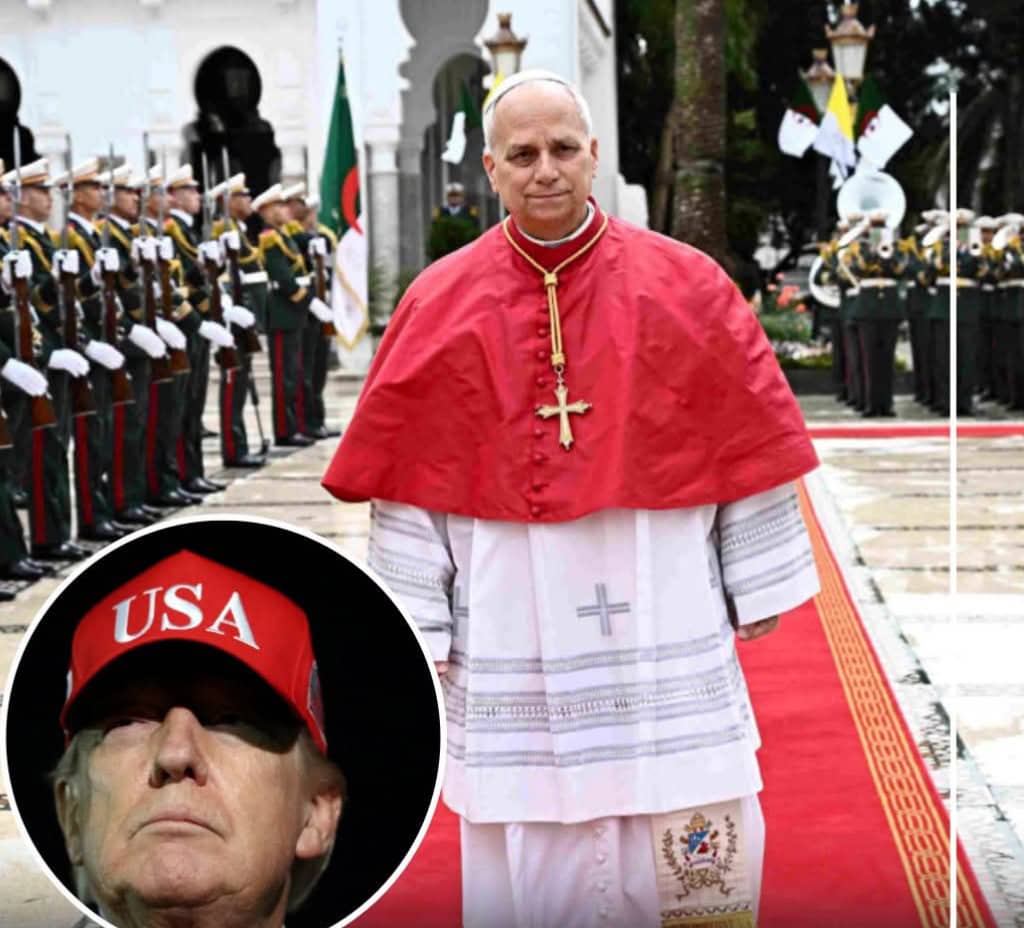
Pope Leo XIV Begins Historic Visit to Africa, Calls for Peace, Global Responsibility (Check the first country he visited)
Uchechi Okporie
Apr 13, 2026
Again, Leadership Battle Splits ADC as Adamawa Faction Fires Atiku, Former SGF
Uchechi Okporie
Apr 13, 2026
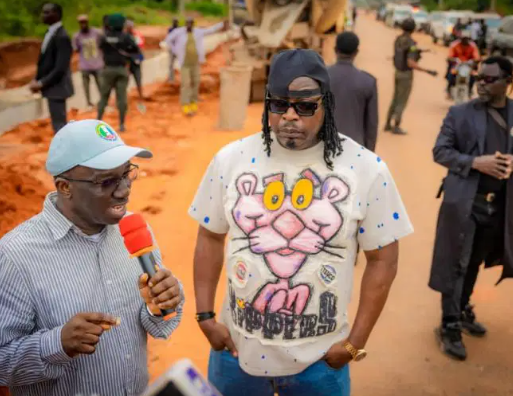
“From Critic to Cheerleader? Nigerian Music Icon Praises Governor’s Road Revolution”
Uchechi Okporie
Apr 13, 2026
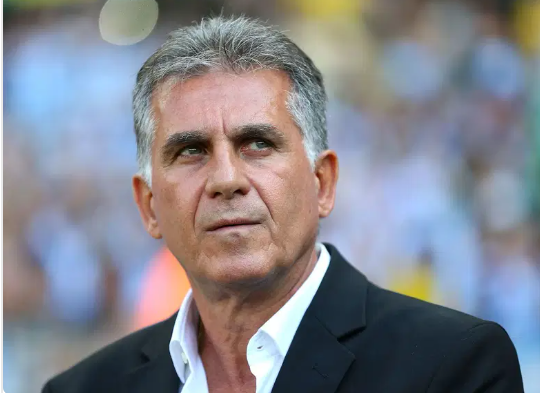
BREAKING: A Surprise Move in West African Football—But Who Is Taking Charge of Ghana’s Black Stars?
Uchechi Okporie