N200k Pay Raise for Doctors, Nurses, Others Zero: A Policy That Could Cripple Delta’s Health Sector
 Uchechi Okporie
Apr 08, 2026
3 min read
Uchechi Okporie
Apr 08, 2026
3 min read
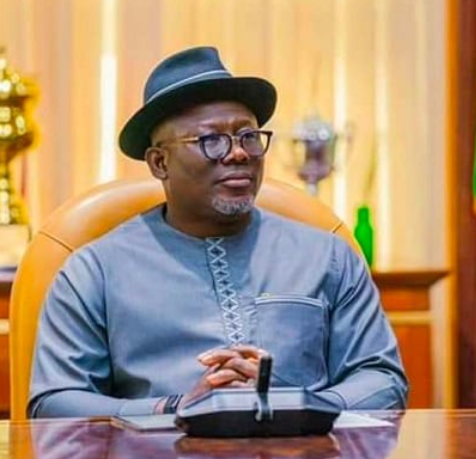
The recent decision by Governor Sheriff Oborevwori to significantly increase the salaries of medical doctors in Delta State has sparked a wave of discontent across the broader healthcare workforce, exposing a deep and troubling imbalance that cannot be ignored.
While the increments themselves may be defensible in isolation, raising House Officers’ salaries from ₦250,000 to ₦350,000 and increasing the earnings of newly employed doctors from ₦370,000 to ₦570,000, the selective nature of this policy has raised serious concerns about equity, fairness, and the long-term stability of the health sector.
Healthcare delivery is not the exclusive domain of doctors. It is a complex, interdependent system sustained by a wide range of professionals whose contributions are equally critical to patient outcomes.
Nurses and midwives provide round-the-clock care and are often the first and last point of contact for patients. Pharmacists ensure the safe dispensing and management of medications, guarding against potentially fatal errors.
Medical laboratory scientists handle the diagnostic backbone of medicine, without which clinical decisions would be reduced to guesswork. Radiographers operate imaging technologies that make accurate diagnosis possible, while physiotherapists and occupational therapists help patients regain function and reintegrate into daily life.
Dental technologists, health information managers, community health extension workers, nutritionists, dietitians, and biomedical engineers all play indispensable roles in keeping the healthcare system functional and effective.
To elevate one professional group while leaving the others behind is not merely an administrative oversight; it is a policy failure with far-reaching consequences.
The growing anger among these neglected health workers is rooted not only in financial disparity but also in a perceived erosion of their professional value and dignity. Many of them endure the same harsh working conditions as doctors, long hours, high patient loads, exposure to infectious diseases, and systemic inefficiencies, yet they are now confronted with a glaring disparity that suggests their sacrifices are less worthy of recognition.
If the justification for increasing doctors’ salaries lies in curbing brain drain, improving service delivery, or responding to economic pressures, then it is inconsistent and short-sighted to exclude other health professionals from similar consideration.
Related Posts
Makurdi Barracks of Shame: Outrage Erupts as Police Families Survive on Filthy Pond Water in Collapsing Security Housing
A disturbing investigation has laid bare the unbearable living conditions inside the Mobil...
Aburi accord bombshell: Gowon reignites explosive claim that Ojukwu derailed final peace deal as Nigeria slipped into civil war amid collapsed negotiations
Fresh historical tension has resurfaced over one of Africa’s most sensitive political turn...
Shettima alleges plot to falsely link him to assassination bid against Tinubu after inauguration
Vice President Kashim Shettima has lifted the lid on what he described as a politically ch...

Nigerian athlete’s American dream ends in bloodshed days before MBA graduation
Grief and outrage have erupted across Nigeria and the African diaspora after a Nigerian at...
Nigeria is already experiencing a mass exodus of nurses, pharmacists, laboratory scientists, and other allied health workers who are seeking better opportunities abroad. A hospital cannot function without nurses, diagnostics, or pharmacy services, regardless of how well doctors are paid. By failing to address the welfare of these groups, the government risks accelerating a collapse of the healthcare workforce.
This decision also raises critical questions about the principles guiding public policy in Delta State. It creates the impression of selective responsiveness, of a government that is more attuned to the demands of one group while overlooking others who are equally vital but perhaps less coordinated in their advocacy. Such an approach undermines confidence in leadership and fosters division within a system that depends heavily on collaboration and mutual respect.
The solution is not to roll back the gains made by doctors but to extend a commensurate and structured salary review across all healthcare cadres. Equity in this context does not imply identical pay but rather a fair and proportional recognition of each group’s responsibilities, risks, and contributions.
A comprehensive reform of the health sector salary framework, aligned with current economic realities and global standards, is both necessary and urgent. Failure to act decisively will have predictable consequences.
Industrial unrest is likely to intensify as unions mobilize against what they perceive as institutionalized injustice. Morale within healthcare facilities will continue to decline, leading to reduced productivity and compromised patient care.
The ongoing brain drain will worsen, not just among doctors but across all health professions, leaving the system dangerously understaffed. Ultimately, it is the people of Delta State who will bear the cost of a fragmented and demoralized healthcare workforce.
The administration of Governor Oborevwori stands at a critical juncture. It must decide whether to allow this policy to deepen divisions or to use it as an opportunity to implement a more inclusive and sustainable reform.
A healthcare system cannot thrive on selective progress. Fairness is not a luxury in public service, it is a necessity. Until all health workers are given their due recognition through commensurate remuneration, the current policy will remain not just controversial, but fundamentally flawed.
Related Posts
Uchechi Okporie
May 19, 2026
Tension Rises as APC Headquarters Disowns Purported Senatorial Primary Results, Says Unauthorized Announcement Violates NWC Directive
The national leadership of the All Progressives Congress has issued a stern disclaimer rejecting the wave of senatorial direct primary results being circulated across several states, declaring them unauthorized and misleadingAPC,
Uchechi Okporie
May 16, 2026
Elumelu Flogs Okolie at APC House of Reps Primaries as Asaba People Vote Against Their Brother
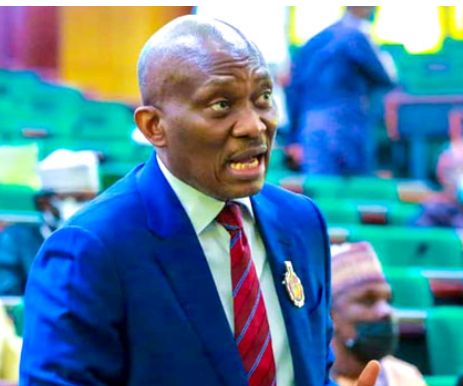
The political career of Hon. Ngozi Okolie may have suffered its biggest blow yet after former Minority Leader of the House of Representatives, Ndudi Elumelu, crushed him mercilessly in the APC House of Representatives primaries in Oshimili South Local Government Area of Delta State.
Uchechi Okporie
May 15, 2026
Breaking: Political Earthquake in Nigeria as Benue APC Clears Only 11 of 50 Aspirants, Triggering Outrage, Power Struggles and Fresh Election Tensions
Nigeria’s ruling All Progressives Congress (APC) has plunged into fresh controversy after its screening panel in Benue State reportedly cleared only 11 out of 50 aspirants seeking elective positions, a dramatic development now sending shockwaves across the country’s political landscape ahead of critical elections.
Uchechi Okporie
May 14, 2026
Africa’s richest man Aliko Dangote breaks silence on why he abandoned Arsenal takeover bid as Premier League ownership race reaches new heights
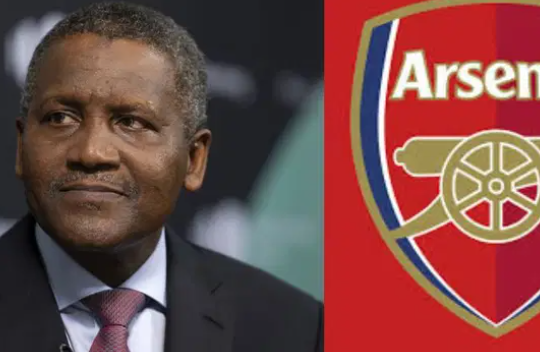
Nigerian billionaire industrialist Aliko Dangote has finally explained why he decided against pursuing the purchase of English football giants Arsenal F.C., ending years of speculation over his ambition to own one of the world’s most valuable clubs.
Uchechi Okporie
May 14, 2026
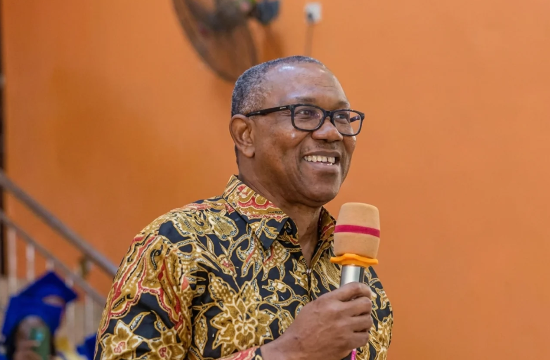
Obi insists on four-year tenure as presidency questions his credibility
Former presidential candidate and prominent opposition figure has reaffirmed his vow to serve only a single four-year term if elected president, saying he would not extend his stay in office “even with a gun to my head.”
Uchechi Okporie
May 14, 2026
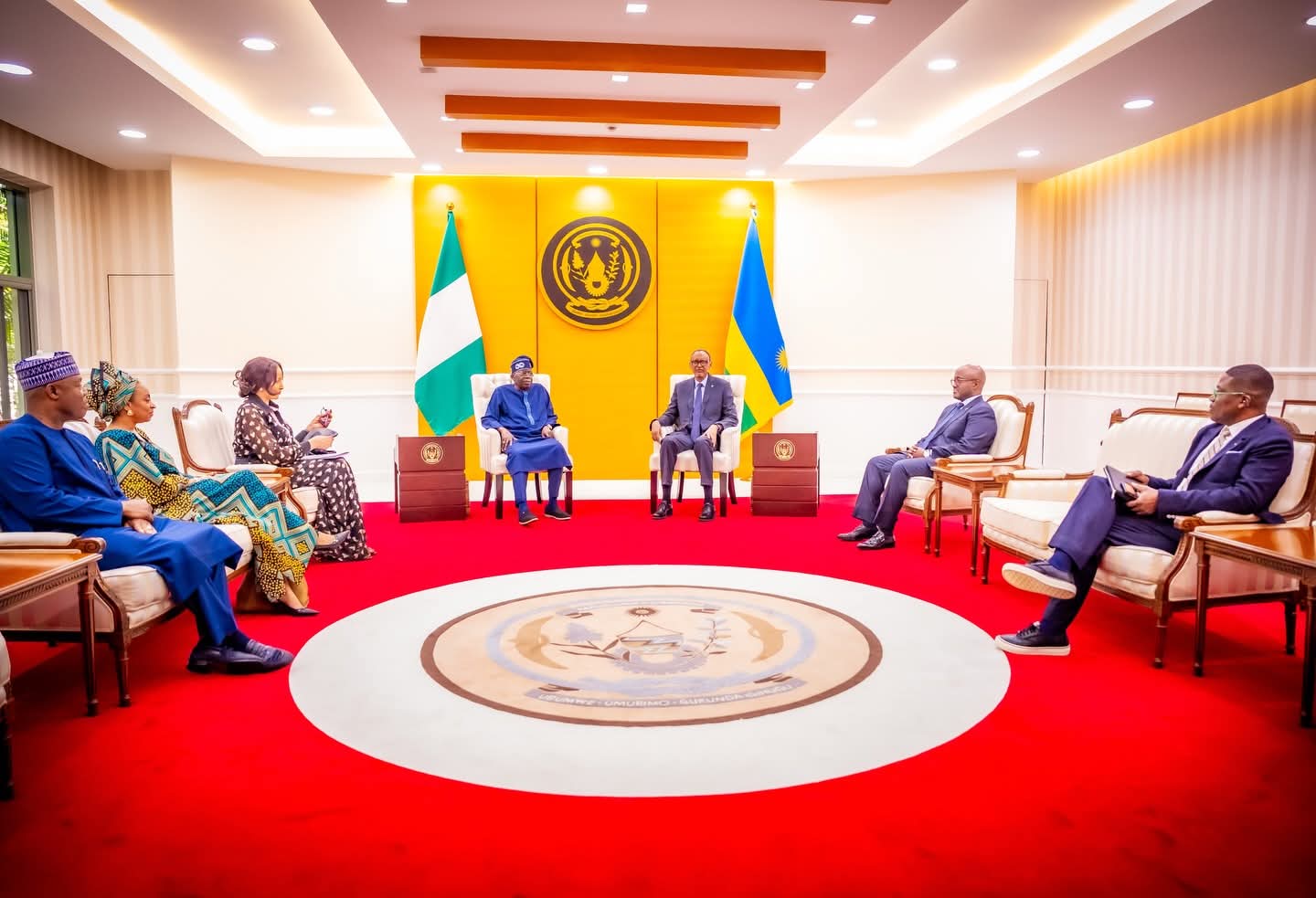
From Nairobi to Kigali: What Tinubu Discussed with Rwanda President will Benefit Nigerians
Nigerian President Bola Ahmed Tinubu has renewed calls for deeper economic integration across Africa, emphasizing trade, investment, infrastructure, and digital commerce as the continent’s pathway to sustainable prosperity.

Uchechi Okporie
May 12, 2026
Stop Running to South Africa, Hold Your Corrupt, Dictatorial Govt Accountable - South African Citizen Tells Nigerians
A South African citizen, Shimane Samuel Moeketsi, has stirred widespread debate on social media after making strong remarks directed at African migrants, particularly Nigerians, urging them to remain in their home countries and hold political leaders accountable rather than relocating to South Africa.
Uchechi Okporie
May 12, 2026
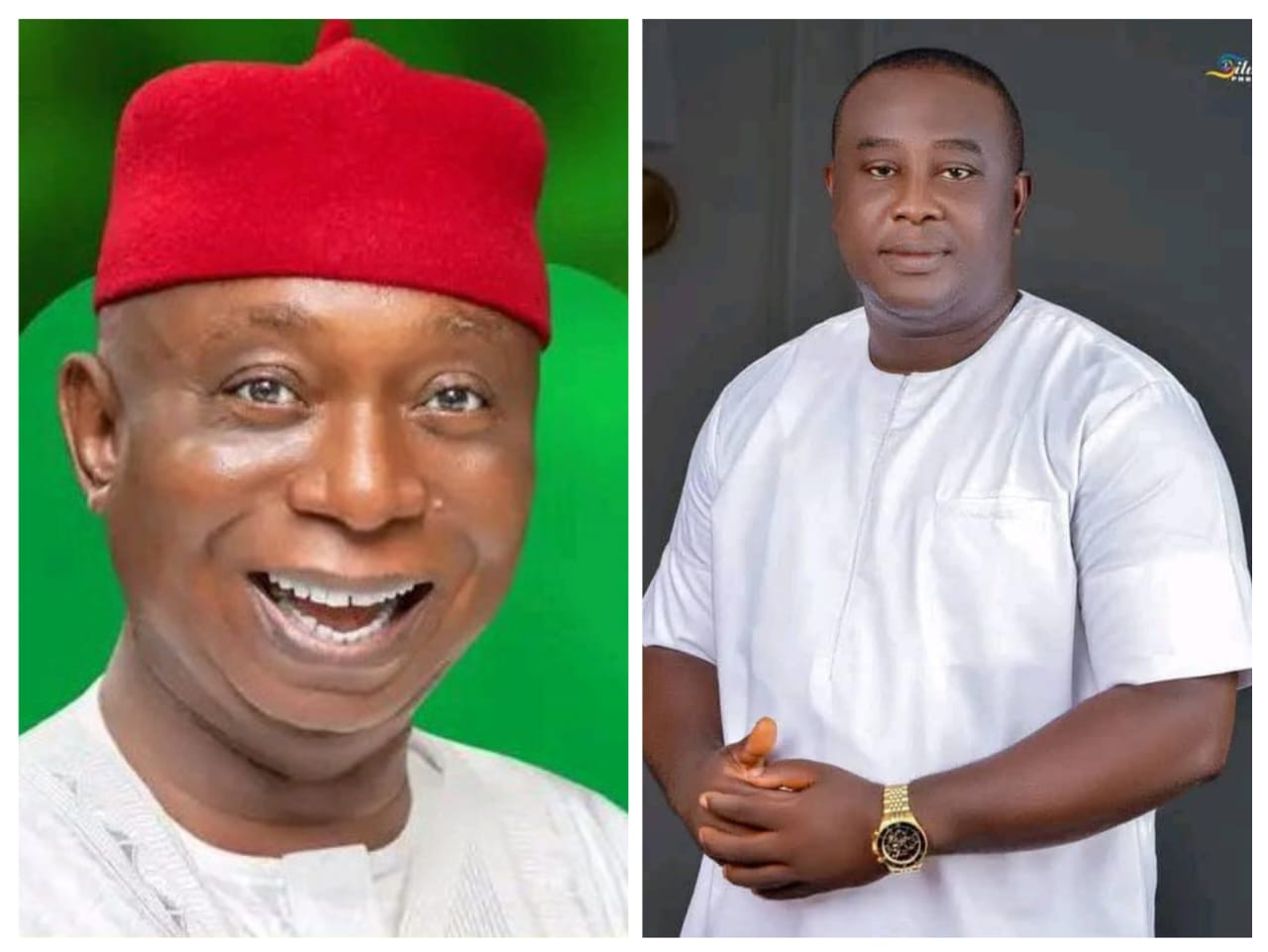
Ned Nwoko Deserves Anioma Support for Second Term - Indigene of Ika North East Says
The Director-General of the Senator Ned Nwoko Campaign Council, Hon. Samuel Ekene Kerry, has declared that Distinguished Senator Ned Nwoko has performed creditably well to deserve overwhelming support for a second term in the Senate.
Trending
May 19, 2026
BREAKING: APC bloodbath rocks Nigeria as governors seize Senate tickets and political titans suffer humiliating collapse ahead of 2027 war
Uchechi Okporie
May 20, 2026
BREAKING: Jonathan Secures Historic PDP Waiver as Turaki Power Bloc Unifies Behind Him, Clearing Path to Near-Uncontested 2027 Presidential Run
Uchechi Okporie
May 19, 2026
Tension Rises as APC Headquarters Disowns Purported Senatorial Primary Results, Says Unauthorized Announcement Violates NWC Directive
Uchechi Okporie
May 16, 2026
BREAKING: Political Shockwaves Across Nigeria as 30-Year-Old Kaduna Aspirant Withdraws From Parliament Race Amid Explosive Age Eligibility Crisis
Uchechi Okporie
May 19, 2026
Delta APC Primary Crisis Deepens as Ned Nwoko's Camp Demands Okowa’s Disqualification Over Violation of NWC Directives
Uchechi Okporie
May 19, 2026
BREAKING: Fierce Delta North APC battle deepens as Ned Nwoko declares commanding primary victory, dismisses fake results and renews Anioma State mission
Uchechi Okporie
May 17, 2026
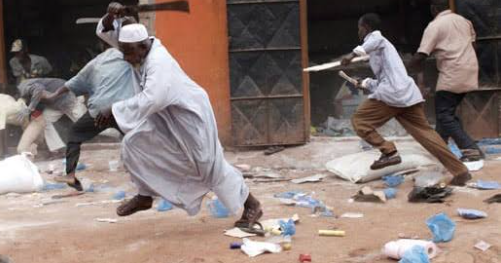
Deadly Chaos Erupts Inside Nigeria’s Ruling Party as APC Primary Election Violence Claims Life in Plateau, Raising Fresh Fears Ahead of 2027 Power Battle
Uchechi Okporie
May 17, 2026
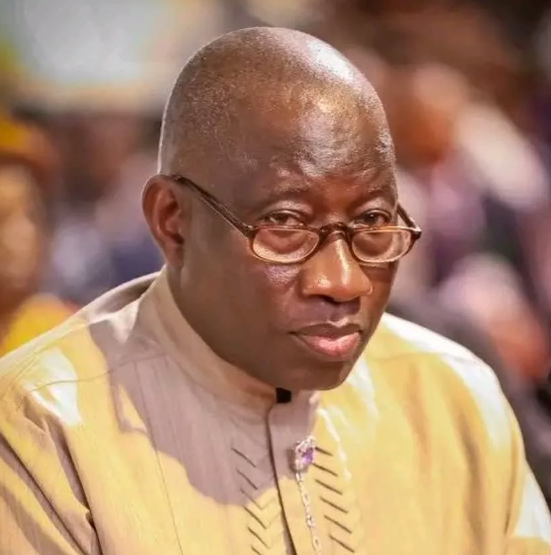
BREAKING: Diaspora Group Erupts Over “Disrespect” to Goodluck Jonathan, Fires Warning at VeryDarkMan Amid 2027 Political Tension
Uchechi Okporie
May 18, 2026
Breaking News: Nigeria’s ruling APC throws 47 senatorial aspirants out of 2027 race in dramatic political crackdown
Uchechi Okporie
May 17, 2026
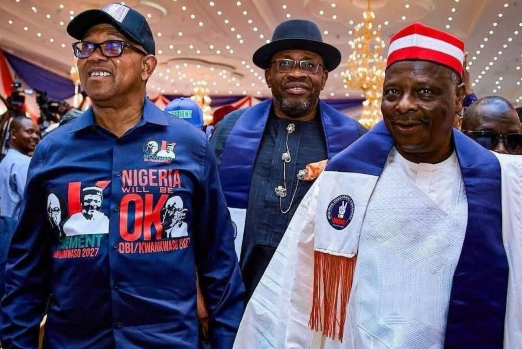
Breaking: Political Earthquake Brewing in Nigeria as Obidient and Kwankwasiyya Forces Raise Massive ₦60 Million Campaign War Chest Ahead of Explosive 2027 Power Battle
Uchechi Okporie
May 16, 2026
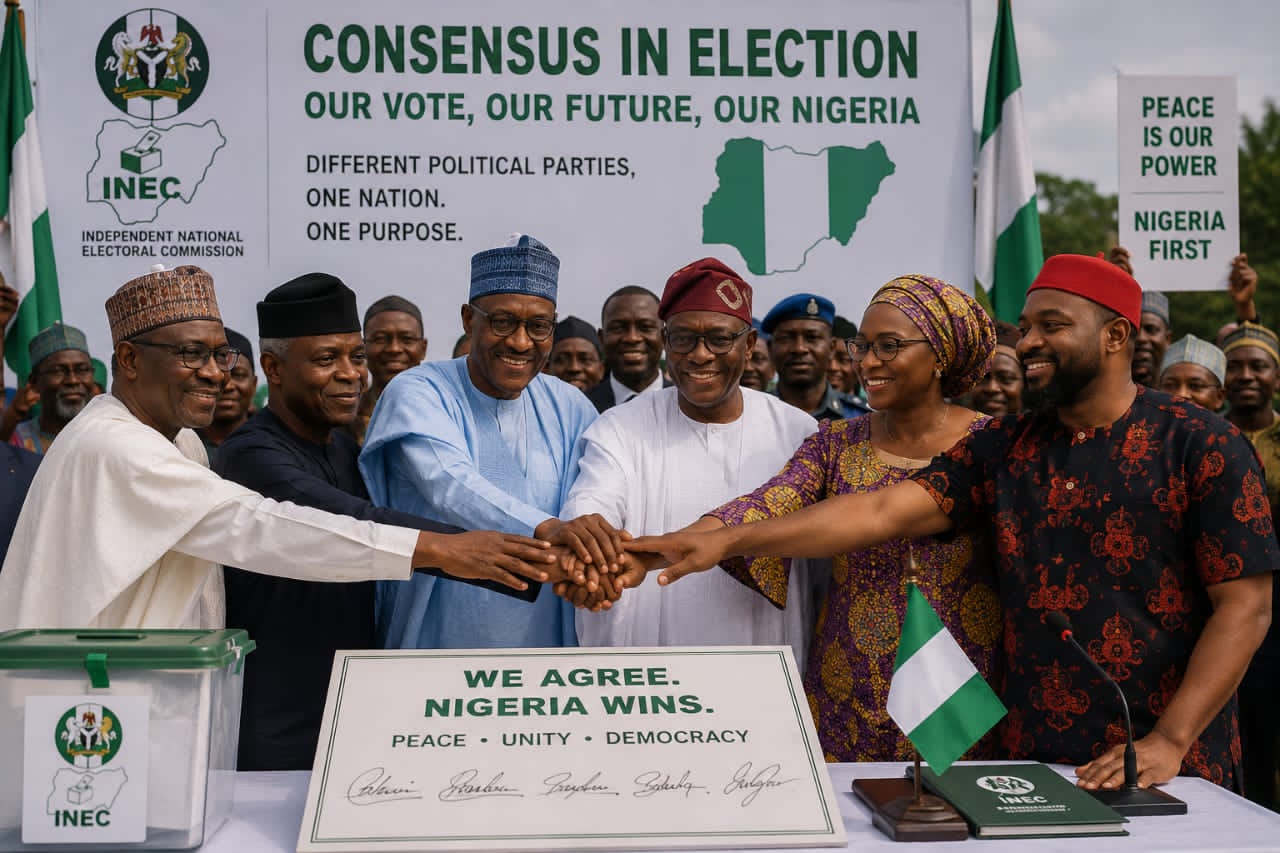
Nigeria’s South-South Political Rift Deepens as Fierce Battle Over “Consensus” Threatens Regional Unity Ahead of 2027 Elections
Uchechi Okporie
Latest Stories
May 23, 2026
Delta Is Dying While Politicians Feast, UK-Based Scholar Declares War on Failed Leadership After Emerging ADC Guber Candidate
Uchechi Okporie
May 23, 2026
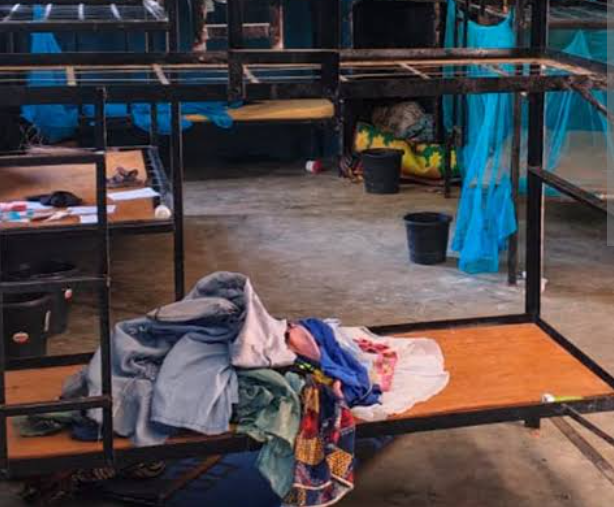
Trust shattered in blood: Teacher abducts WAEC candidate, kills victim as ₦500,000 ransom is burned in betting frenzy
Uchechi Okporie
May 23, 2026
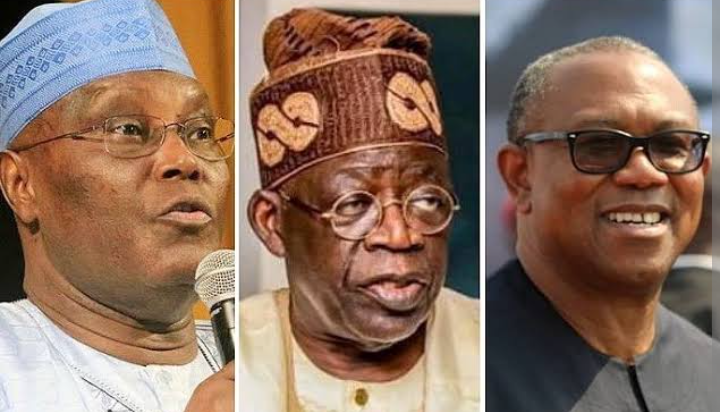
Tinubu’s seat under fire: 12 power players, returnees and political dark horses lock horns for Nigeria 2027
Uchechi Okporie
May 23, 2026
Senegal President Faye Fires PM Sonko After Months of Bitter Power Struggle
 Admin User

May 23, 2026
Atalanta set sights on Zaidu Sanusi as Serie A transfer battle begins
Uchechi Okporie
May 23, 2026
Landslide Victory: Governor Kefas Clinches APC Governorship Ticket in Taraba with Over 166,000 Votes
Chineye Egesi
May 23, 2026
Kano North Gets Major Boost: Senate Deputy President Barau Jibrin to Distribute 53,040 Bags of Fertiliser Ahead of 2026 Farming Season
Chineye Egesi
May 23, 2026
Tinubu Meets Zulum as Borno APC Locks 2027 Succession Deal — Early Power Bloc Emerges in North-East Political Chessboard
Uchechi Okporie
May 23, 2026
Stolen Dreams, Broken Lives: The Terrifying Journey of Three Nigerian Women Trapped Inside Mali’s Deadly Sex Slave Empire
Uchechi Okporie
May 22, 2026
Panic in Nigeria’s Elite Circles as Billionaire’s Girlfriend Flees Abroad Over Terrifying ‘Missing Pad’ Scandal
Uchechi Okporie
May 22, 2026
Reject Violence, Toxic Politics, Zambian President Says As He Seeks Re-Election for Second Term
Admin User