US Launches Global Crackdown on Forced Labour, Investigates Nigeria, 59 Other Nations (Check Prescribed Penalties)
 Uchechi Okporie
Mar 20, 2026
3 min read
Uchechi Okporie
Mar 20, 2026
3 min read
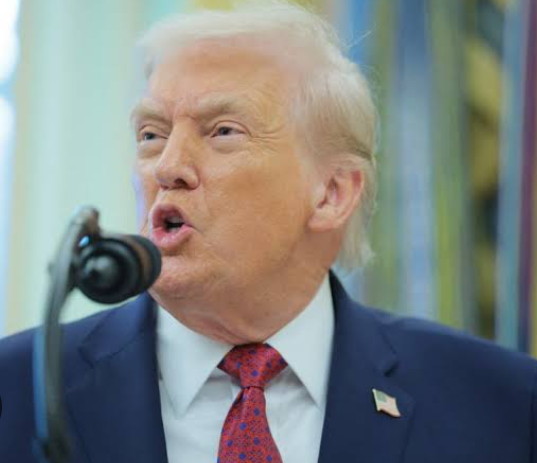
The Office of the United States Trade Representative (USTR) has initiated a sweeping investigation into 60 countries over alleged failures to prohibit imports produced with forced labour.
The action reinforces a long-standing U.S. legal position: for nearly a century, American law has barred the entry of goods made through forced labour, grounded in humanitarian principles as well as foreign policy and national security priorities.
The investigation will assess whether the countries in question have enacted, implemented, and enforced adequate legal frameworks to prevent forced labour within their supply chains.
At issue is not only the existence of legislation, but its practical enforcement, customs controls, labour inspections, corporate accountability mechanisms, and penalties for non-compliance.
The USTR’s review signals heightened scrutiny of global trade partners amid growing concerns about labour exploitation embedded in cross-border production networks.
Public hearings are scheduled to begin on April 28, 2026, providing stakeholders, including governments, businesses, labour organizations, and civil society groups, an opportunity to present evidence and submit formal comments.
Related Posts

BREAKING: NATO in Internal Storm as US Reportedly Moves Against Spain Over Iran War—Alliance Rules Out Expulsion Powers
Tensions have erupted inside NATO after reports suggested the United States considered pos...
Iran Reels From Devastating War Losses as Military, Infrastructure, Economic Systems Crippled
Iran is grappling with staggering economic and military losses following a six-week war wi...
Iran Declares Ceasefire Negotiations Futile Amid Ongoing Lebanon Conflict
The government of Iran has dismissed the prospect of renewed negotiations as “strategicall...
No We Can't Give You Our Fuel, Uganda Turns Down Bailout Request from Kenya
Uganda has declined a request from Kenya for a fuel bailout, citing its own domestic suppl...
The findings could influence future trade policy decisions, including tariff measures, import restrictions, or bilateral trade negotiations.
Among African nations currently under investigation are Algeria, Angola, Egypt, Libya, Morocco, Nigeria, and South Africa.
The inquiry places these countries under direct review regarding their compliance with international labour standards and their effectiveness in preventing forced labour practices tied to exports entering the United States.
The outcome of the probe may have significant commercial and diplomatic implications.
Countries found deficient in enforcement could face tighter import controls or reputational risk in global markets, while those demonstrating credible compliance may strengthen their standing in U.S. trade relations.
Related Posts
Uchechi Okporie
Mar 13, 2026
Trump Declares Indefinite War on Iran’s Regime, Says We're Totally Destroying Them
In a statement that is already sending shockwaves through diplomatic and military circles, Donald Trump claimed the United States is “totally destroying” Iran’s ruling regime, and described the campaign as his “great honour.”

Admin User
Mar 05, 2026
The United States–Iran War: A Conflict Reshaping the Middle East
The confrontation between the United States and Iran has evolved into one of the most consequential geopolitical crises of the 21st century
Trending
Apr 28, 2026
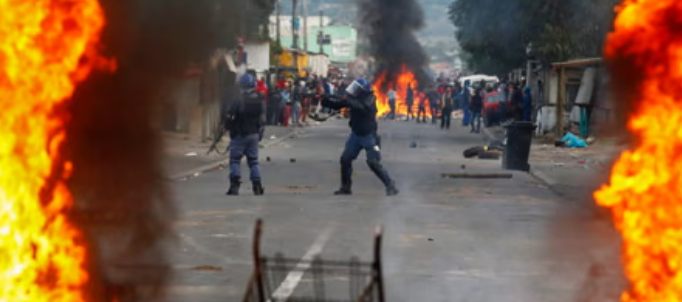
Africa Outraged as Two Nigerians Killed in South Africa, Abuja Demands Urgent Justice
Uchechi Okporie
May 04, 2026
Top South South Politician Forced to Drop Senate Bid After Presidential Directive
Uchechi Okporie
May 02, 2026
Nigeria summons South African envoy over fresh tensions as alleged attacks on citizens spark continental concern
Uchechi Okporie
Apr 29, 2026
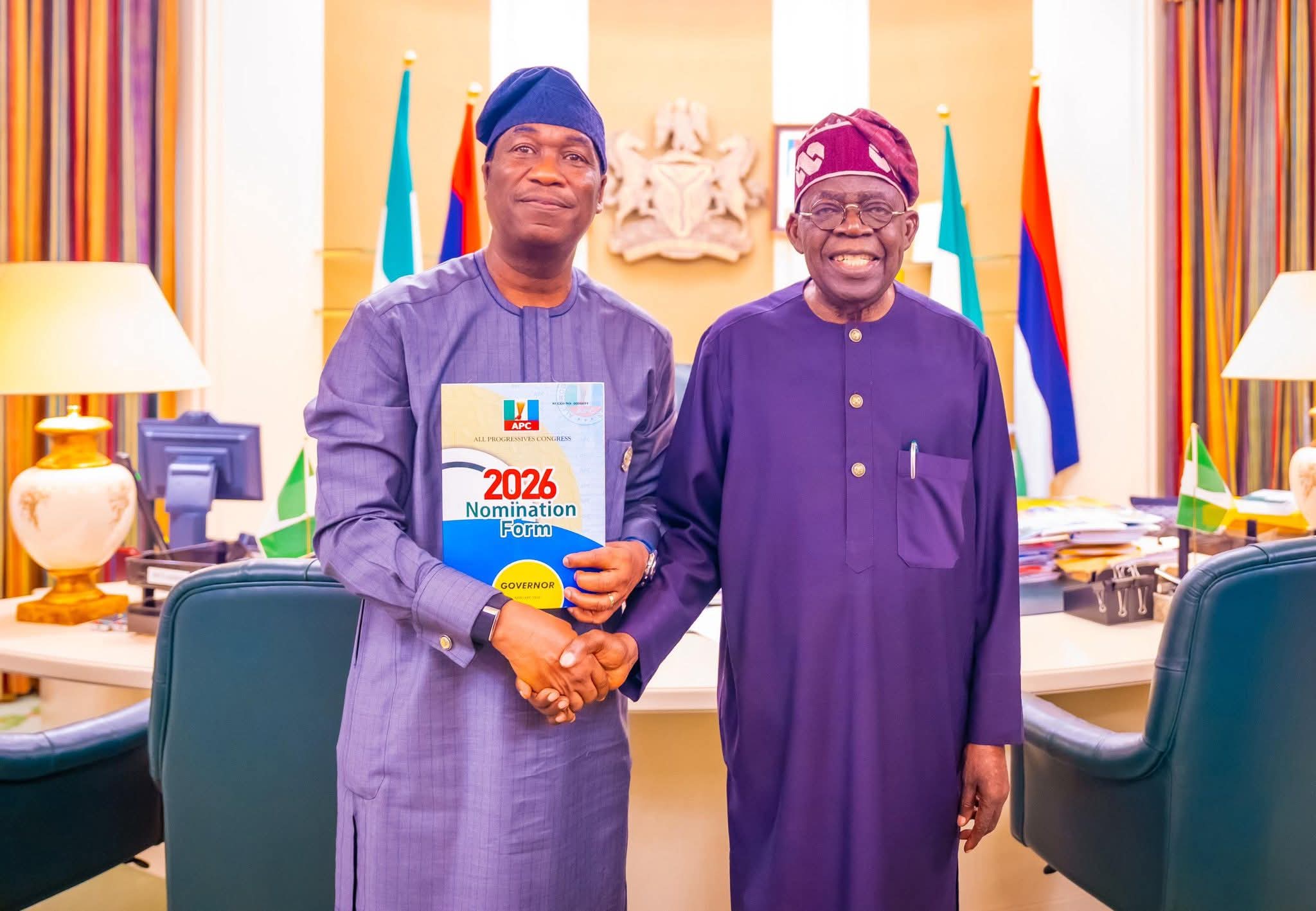
BREAKING: Tinubu Endorses First Governorship Candidate for 2027 General Election
Uchechi Okporie

Apr 28, 2026
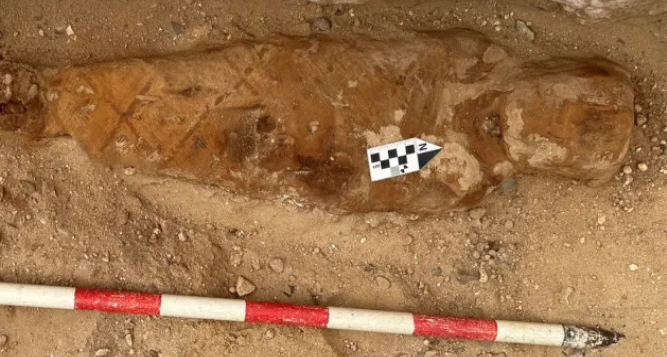
A Tall Ambition: Delta Councilor Purchases Expression of Interest Forms to Represent Ndokwa/Ukwuani in House of Reps
Admin User
Apr 30, 2026
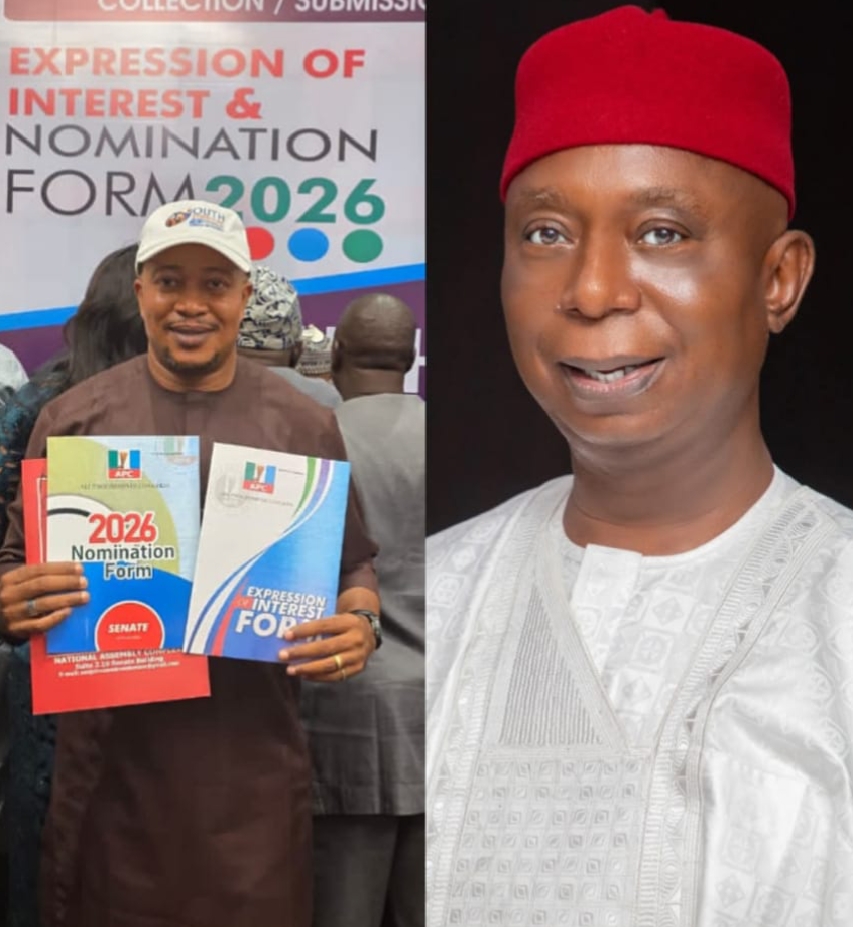
Egypt Stuns the World: 1,600-Year-Old Mummy Found With Ancient Iliad Text Hidden Inside Body
Uchechi Okporie
Apr 28, 2026
Nigerian Senator Nwoko Takes Formal Step Towards Second Term, Purchases Expression of Interest Forms
Admin User
Apr 29, 2026
NASS Members Jittery as Governors Move to Dictate Candidates, Block Rivals, Hijack APC Tickets
Admin User

May 03, 2026
Toxic wheels: How imported ‘tokunbo’ cars from US and Canada are turning Nigeria’s roads into death traps
Uchechi Okporie
May 02, 2026
Breaking: Obi’s 2027 ambition under fire as ex-ally declares “he’s going nowhere”
Uchechi Okporie

Apr 28, 2026
Melania Trump Demands ABC Sack Jimmy Kimmel as White House Dinner Shooting Scare Rocks America
Uchechi Okporie
Latest Stories
May 04, 2026
EFCC Grills Company Managing Director, What He Did Will Shock You
Chineye Egesi
May 04, 2026
EFCC Arraigns Former Skye Bank Chairman Tunde Ayeni Over Alleged N15.6bn Fraud
Chineye Egesi
May 04, 2026
Biafra Talks Hit Deadlock as Detained Nnamdi Kanu can't Negotiate - Biafra Republic Government Declares in Exile
Uchechi Okporie

May 04, 2026
Nigeria’s States Deepen External Borrowing as Debt Hits $5.68bn
Chineye Egesi
May 04, 2026
Top South South Politician Forced to Drop Senate Bid After Presidential Directive
Uchechi Okporie
May 04, 2026
When Politics Becomes Family Business: The Okowa Question
Admin User
May 04, 2026
Nigeria’s Non-Oil Export Boom: Nearly $1 Billion in Q1 2026 Signals a New Dawn for African Trade
Chineye Egesi
May 04, 2026
Nigeria Moves to Evacuate Citizens from South Africa Amid Rising Xenophobic Attacks
Uchechi Okporie
May 04, 2026
Oil windfall vanishes, reserves plunge: Atiku Abubakar accuses Nigeria’s government of economic mismanagement
Uchechi Okporie
May 04, 2026
Blood in Effurun: Nigeria orders sweeping manhunt as police chief vows no killer will escape
Uchechi Okporie
May 04, 2026
Pastor kneels to block Abuja lake land deal, igniting national outcry over urban land grabs
Uchechi Okporie