Xenophobic: President Ramaphosa Says Undocumented Migration Straining Jobs, Public Services in South Africa
 Chineye Egesi
May 12, 2026
3 min read
Chineye Egesi
May 12, 2026
3 min read
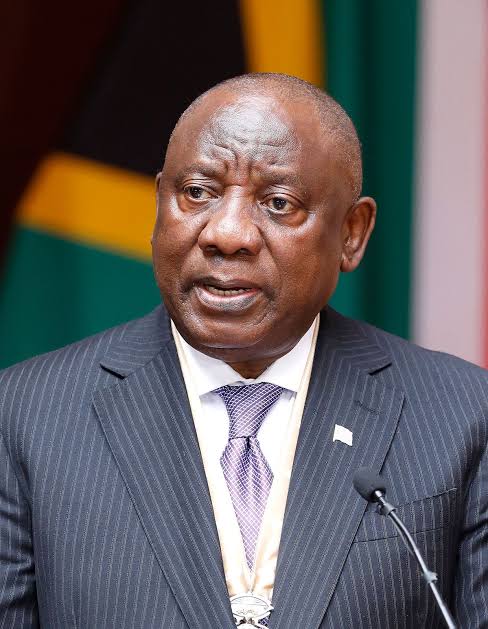
South African President Cyril Ramaphosa has linked the country’s rising xenophobic tensions to the growing challenge of illegal immigration, warning that undocumented migration is increasing pressure on jobs, public services, and social stability in already vulnerable communities.
In a statement released Monday through the South African Presidency, Ramaphosa condemned recent attacks and harassment targeting foreign nationals and foreign-owned businesses in Johannesburg and surrounding areas.
He stressed that the violence does not reflect the values of South Africans or official government policy, describing the incidents as criminal acts fueled by socio-economic frustrations in poorer communities.
“The recent violent protests and criminal acts directed at foreign nationals in parts of our country do not represent the views of South Africa’s people nor reflect our government’s policy,” Ramaphosa stated.
The South African leader, however, acknowledged that illegal immigration has become a major governance and security concern.
According to him, undocumented migration is placing additional strain on healthcare systems, housing, municipal infrastructure, and other public services, particularly in densely populated and underserved communities.
“At the same time, as a society, we need to deal decisively, and within the law, with the challenge of illegal immigration, which risks our social stability, governance and national security,” he said.
Ramaphosa also argued that undocumented migration is affecting the labour market, accusing some employers of exploiting illegal immigrants as a source of cheaper labour instead of hiring South African citizens.
He warned that such practices deepen unemployment pressures and heighten tensions between local residents and migrant communities.
To address the situation, the president said the government would strengthen enforcement measures through the Border Management Authority and other security agencies.
He added that authorities would intensify action against employers found violating immigration and labour regulations.
South Africa has experienced repeated waves of xenophobic violence over the past two decades, often driven by high unemployment, widening inequality, and competition within the informal economy.
Related Posts
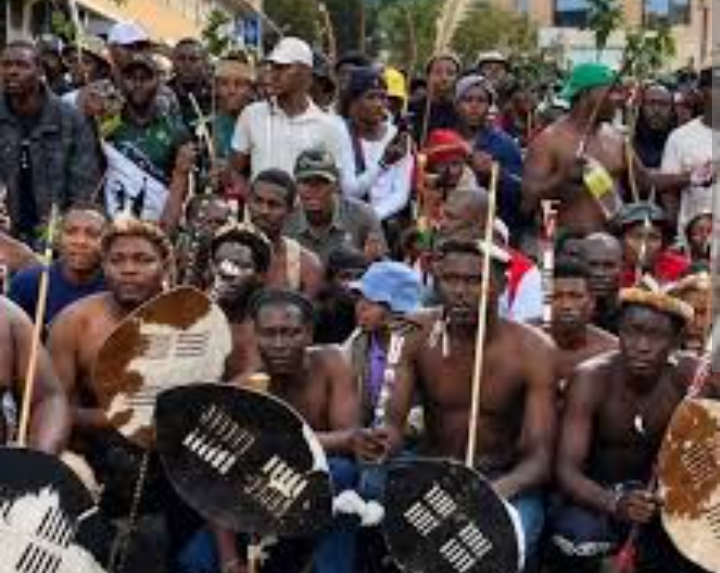
Stop Running to South Africa, Hold Your Corrupt, Dictatorial Govt Accountable - South African Citizen Tells Nigerians
A South African citizen, Shimane Samuel Moeketsi, has stirred widespread debate on social...

Despite Tight Security, 19-Year-Old Busts Uganda Central Bank, Steal 7 High-End Laptops
Police have arrested two suspects, including a teenager, in connection with the burglary a...
Ned Nwoko Deserves Anioma Support for Second Term - Indigene of Ika North East Says
The Director-General of the Senator Ned Nwoko Campaign Council, Hon. Samuel Ekene Kerry, h...
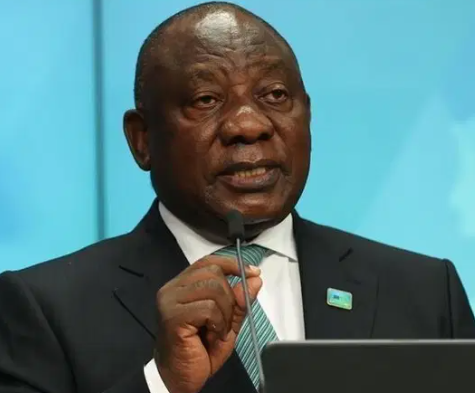
South Africa enters new political crisis as Ramaphosa refuses to quit
South African President Cyril Ramaphosa has refused to resign after the reinstatement of i...
Migrants from other African countries, many of whom run small businesses in townships and urban settlements, have frequently become targets during periods of economic hardship.
Foreign-owned shops often compete directly with local traders, leading to disputes over pricing, business space, and regulatory compliance.
Analysts say these tensions are frequently worsened by poor service delivery, poverty, and frustration over limited economic opportunities in low-income communities.
Major outbreaks of xenophobic violence in 2008 and 2015 resulted in deaths, mass displacement, destruction of businesses, and diplomatic tensions across Africa.
The attacks drew widespread condemnation from African governments and human rights organisations, placing South Africa under pressure to improve migrant protection and address the root causes of anti-foreigner sentiment.
The latest unrest has again drawn diplomatic attention, particularly from Nigeria.
The Nigerian government recently intensified engagement with South African authorities following renewed attacks on foreign nationals.
Nigeria’s Ministry of Foreign Affairs summoned South Africa’s Acting High Commissioner on Monday, May 4, amid concerns over the safety of Nigerian citizens living in the country.
The meeting was aimed at seeking clarification on the incidents and demanding stronger protection measures for Nigerians residing in South Africa.
The Nigerians in Diaspora Commission (NIDCOM) also raised alarm over the situation, confirming that two Nigerians, Amaramiro Emmanuel and Ekpenyong Andrew, were killed in separate incidents linked to anti-foreigner violence.
NIDCOM called for increased security presence, swift prosecution of those responsible, and stronger bilateral cooperation between Nigeria and South Africa to prevent recurring xenophobic attacks.
The renewed violence has once again highlighted the difficult balance South African authorities face between tightening immigration enforcement and upholding human rights obligations, as pressure mounts on the government to contain rising social tensions without fueling further hostility toward foreign nationals.
Related Posts
Chineye Egesi
May 11, 2026
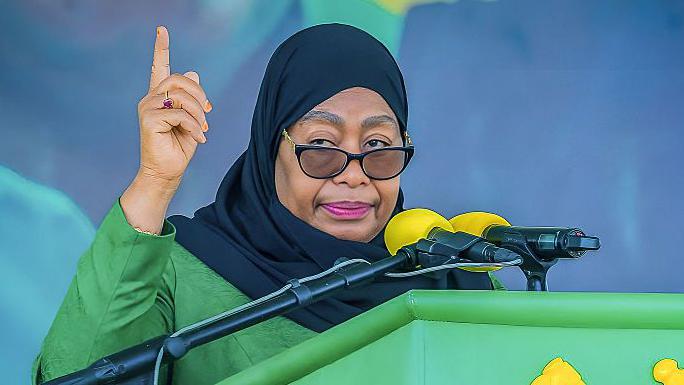
Tanzania: European Election Rights Investigation Faces Setback As President Suluhu Reportedly Blocks EU Delegation
Tanzania has prevented a European Parliament human rights delegation from carrying out a planned fact-finding visit aimed at investigating allegations of election-related violence and human rights abuses connected to the country’s 2025 general elections.

Chineye Egesi
May 11, 2026
Convener of March and March Movement in South Africa Fires Back at Ramaphosa As Immigration Debate Divides Residents
Jacinta Ngobese-Zuma has reacted sharply to remarks made by Cyril Ramaphosa after he publicly condemned violence, intimidation and criminal acts directed at foreign nationals living in South Africa.
Trending
May 10, 2026
Delta2027: I'm Opposed to Emomotimi Guwor, Joel Onowakpo - Ayiri Emami Says, His Reasons Are Explosive
Uchechi Okporie
May 06, 2026
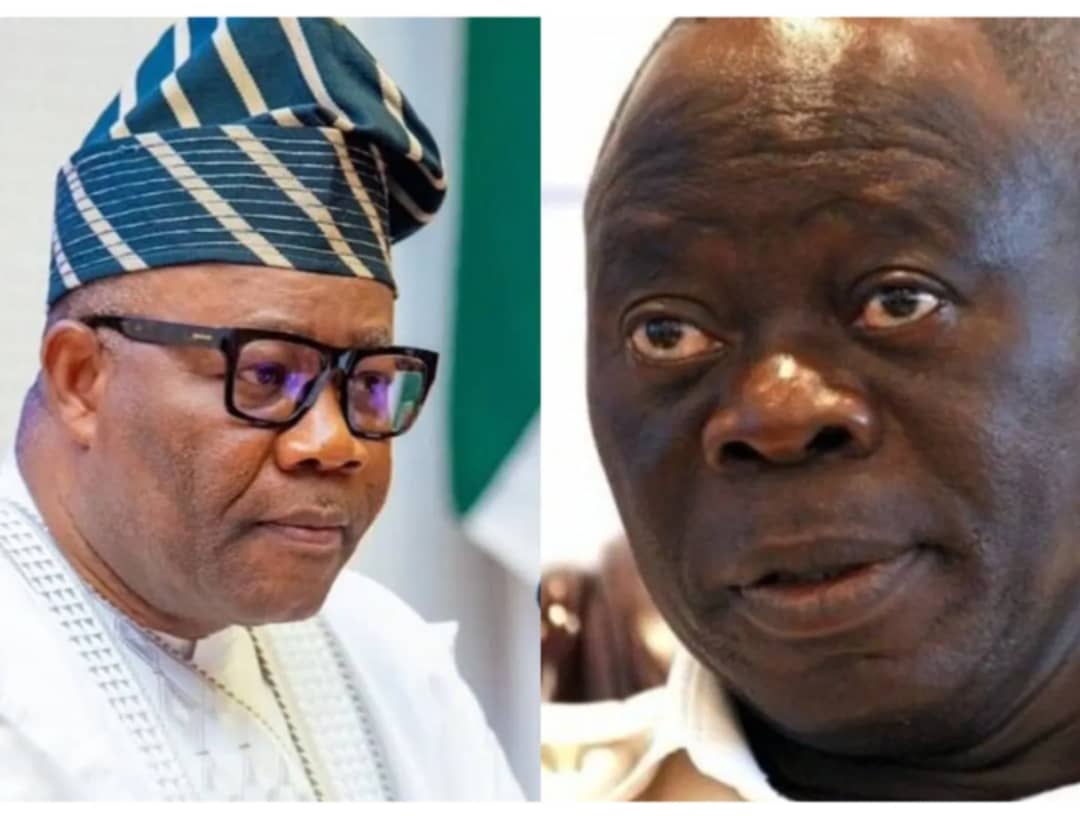
Senate Shutdown, Sitting Disrupted as Akpabio, Oshiomhole Engage in Heated Confrontation
Uchechi Okporie
May 05, 2026
BREAKING: Zenith Bank Makes Big Announcement, Read What Happened to Jim Ovia
Chineye Egesi
May 11, 2026
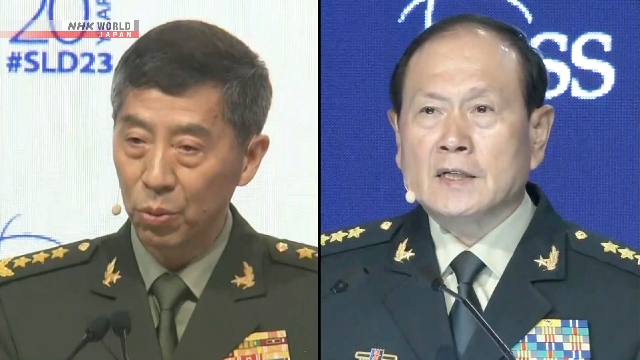
From Defense Chiefs to Convicts: China Sentences Ex-Ministers to Death in Explosive Corruption Probe
Uchechi Okporie
May 08, 2026
President Sacks Army Chief, Finance Minister
Uchechi Okporie
May 06, 2026
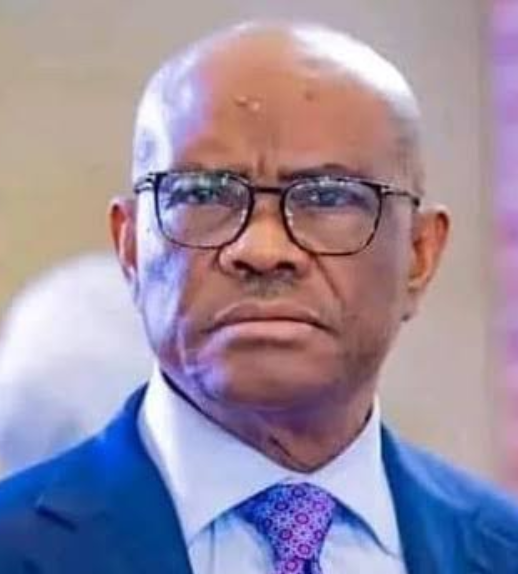
PDP Power War Deepens: Wike issues fiery ultimatum to Turaki faction ‘Open secretariat account or I’ll shut it down’
Uchechi Okporie
May 10, 2026
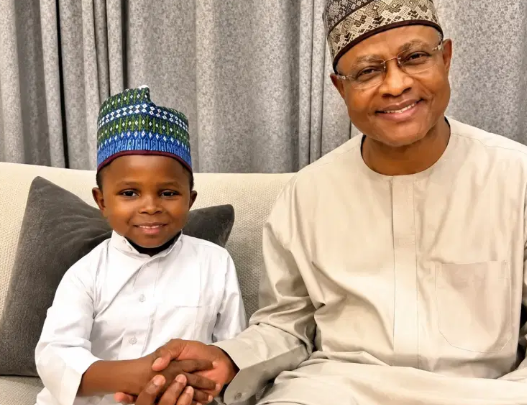
Nigeria’s political future in spotlight, as 30-year-old APC hopeful goes viral during parliamentary screening
Uchechi Okporie
May 06, 2026
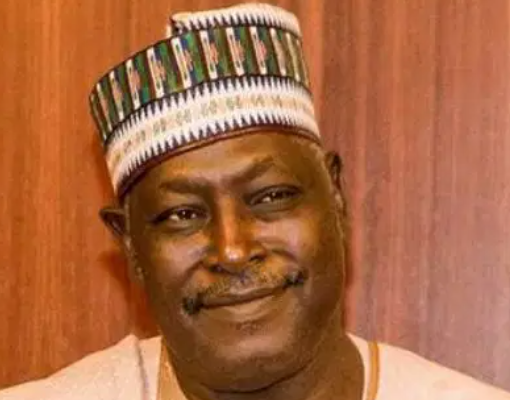
Political earthquake: Babachir Lawal claims Peter Obi never fully committed to ADC alliance
Uchechi Okporie
May 08, 2026
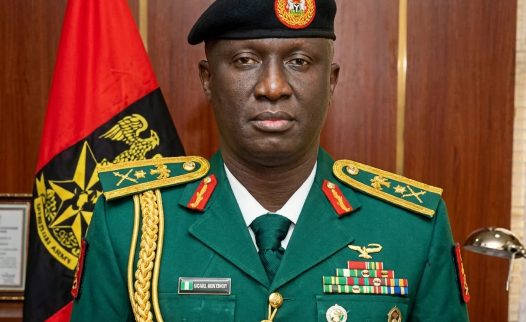
Nigeria’s military crackdown on social media sparks fears of rising digital warfare and national security threats across Africa
Uchechi Okporie
May 07, 2026
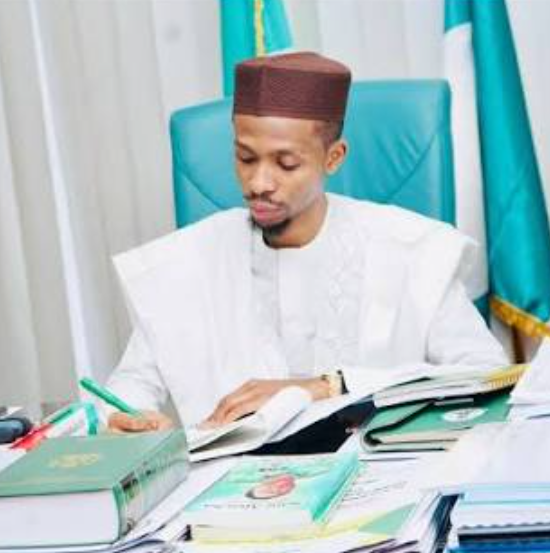
El-Rufai’s son exits APC as three lawmakers defect in fresh political realignment
Uchechi Okporie
May 06, 2026
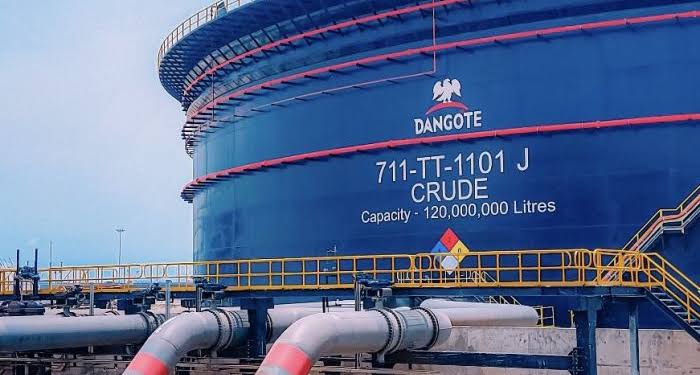
Dangote Refinery Raises Petrol Price to ₦1,350 per Litre Amid Market Pressures
Chineye Egesi
Latest Stories
May 12, 2026
Stop Running to South Africa, Hold Your Corrupt, Dictatorial Govt Accountable - South African Citizen Tells Nigerians
Uchechi Okporie
May 12, 2026
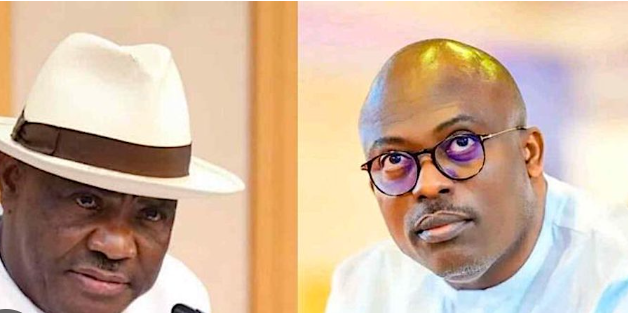
Wike–Fubara power struggle shakes Nigeria’s Rivers State ahead of 2027 elections
Uchechi Okporie
May 12, 2026
Despite Tight Security, 19-Year-Old Busts Uganda Central Bank, Steal 7 High-End Laptops
Chineye Egesi
May 12, 2026
This Nigerian APC State Screened 158 Aspirants for 24 House of Assembly Seats
Chineye Egesi
May 12, 2026
Xenophobic: President Ramaphosa Says Undocumented Migration Straining Jobs, Public Services in South Africa
Chineye Egesi
May 12, 2026
Ned Nwoko Deserves Anioma Support for Second Term - Indigene of Ika North East Says
Uchechi Okporie
May 11, 2026
South Africa enters new political crisis as Ramaphosa refuses to quit
Uchechi Okporie
May 11, 2026
Tanzania: European Election Rights Investigation Faces Setback As President Suluhu Reportedly Blocks EU Delegation
Chineye Egesi

May 11, 2026
Supporters Hail Senator Natasha as She Submits PDP Nomination Form for 2027 Election
Chineye Egesi
May 11, 2026
Convener of March and March Movement in South Africa Fires Back at Ramaphosa As Immigration Debate Divides Residents
Chineye Egesi

May 11, 2026
Finally, a Payment App That Pays Back: Venmo’s Sexy New Look Is Turning Heads (and Wallets)
Chineye Egesi