You Need a Translator to Understand Nigeria's English — Kenya President's Remarks Trigger Mixed Reactions Across Africa
 Uchechi Okporie
Apr 24, 2026
3 min read
Uchechi Okporie
Apr 24, 2026
3 min read
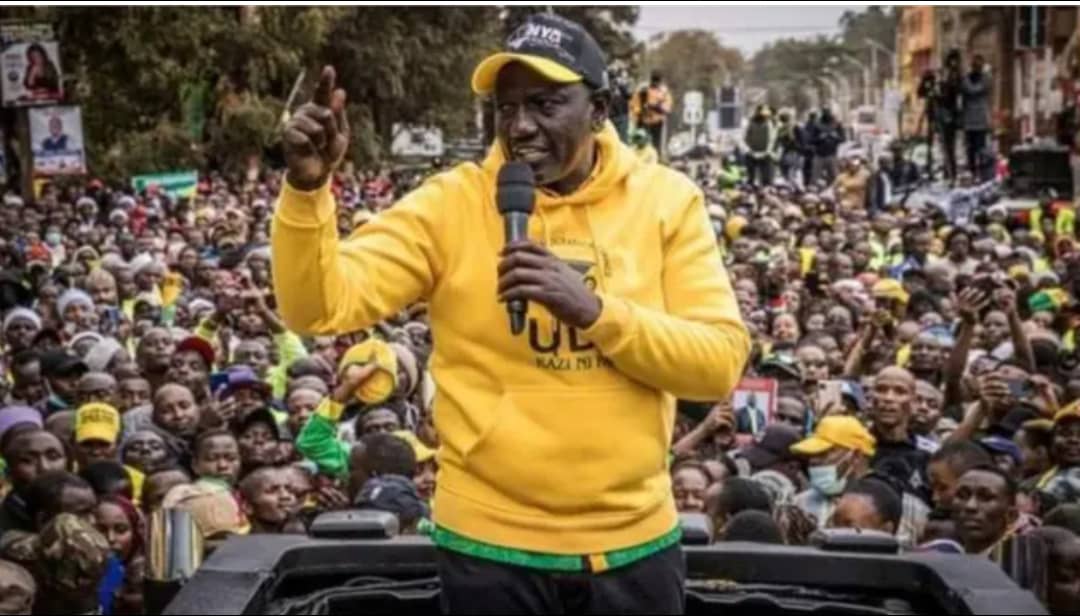
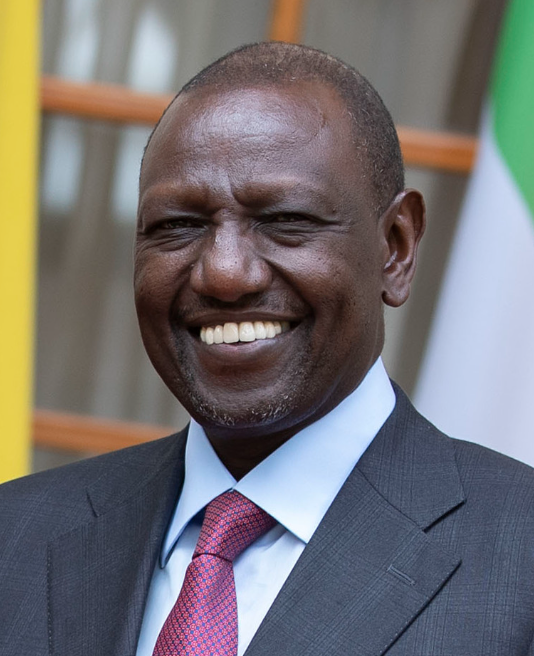
Kenya’s President, William Ruto, has stirred widespread debate following remarks in which he drew a comparison between Kenyan and Nigerian English while promoting Kenya’s human capital on the global stage.
Speaking during an official visit to Italy, Ruto praised the quality of English spoken by Kenyans, describing it as among the best in the world.
In making his point, he contrasted it with Nigerian English, joking that understanding some Nigerians can be difficult despite them speaking the same language.
“If you listen to a Nigerian speaking… you need a translator, even when they are speaking English,” he said, a comment that quickly gained traction online and triggered mixed reactions across Africa and beyond.
While some audiences interpreted the remark as lighthearted humor, others criticized it as an unnecessary generalization, pointing out Nigeria’s global influence in media, education, and international communication.
Related Posts
Two African Presidents Exchange Verbal Blows, Make Very Disturbing Comments Against Each Other
Kenya’s President, William Ruto, has publicly pushed back against remarks made by Nigeria’...
No We Can't Give You Our Fuel, Uganda Turns Down Bailout Request from Kenya
Uganda has declined a request from Kenya for a fuel bailout, citing its own domestic suppl...
GLOBAL BREAKING: Kenya Probes Shocking Mass Grave as 33 Bodies—25 Children—Exhumed
Kenya has launched a major homicide investigation after 33 bodies, including 25 children,...
Ruto’s statement came in the context of his efforts to highlight Kenya’s skilled workforce and competitive advantage in education.
He emphasized that Kenya’s strong academic foundation, particularly in English proficiency, positions the country favorably in global markets.
The president also stressed the importance of continued investment in science, technology, and innovation, arguing that these sectors are critical to driving economic growth, attracting international partnerships, and creating employment opportunities for young people.
The comments have since fueled conversations on linguistic diversity in Africa, the role of colonial languages, and how different accents and dialects shape global perceptions of communication and professionalism.
Related Posts
No related posts found.
Trending
Apr 22, 2026
Deal Sealed, Okowa Reportedly Snubbed: Nwoko, Omo-Agege, Joel-Onowakpo Positioned to Grab Delta APC Senatorial Tickets
 Admin User
Apr 22, 2026
After Executive Approval, China Show, $15m Seed Fund: Where's Okowa's Kwale Industrial Park?
Admin User
Apr 19, 2026
Breaking News: Nigeria Opposition Erupts as Government Moves to Reintegrate 800 Former Terrorists into Communities
Uchechi Okporie
Apr 21, 2026
President Tinubu Takes Shocking Decision Against Two Powerful Nigerians, and Here's What Happened
Uchechi Okporie
Apr 18, 2026
Iran Threatens US at Sea as Supreme Leader Declares Navy Ready to Crush America
Uchechi Okporie
Apr 21, 2026
I Did My Best for Nigeria, Mistakes Don’t Erase My Service: Jonathan Fires Back at Atiku, Sparks National Political Firestorm
Uchechi Okporie
Apr 23, 2026
BREAKING: Political Earthquake in Nigeria ,Tinubu Unleashes ₦17 Billion “Grassroots Power Fund” Across 8,804 Wards
Uchechi Okporie
Apr 22, 2026
BREAKING: Omo-Agege Makes Bold Declaration for Delta Central Senate
Uchechi Okporie
Apr 22, 2026
BREAKING: Abia Governor Appoints Wife of His Major Political Opponent to Chair Board of Critical Institution
Uchechi Okporie
Apr 20, 2026
Breaking News: Nigeria Opposition Party Crisis Explodes as Wike-Loyal PDP Faction Holds Emergency NEC Meeting in Abuja
Uchechi Okporie
Apr 22, 2026
DeltaNorth2027: I'll Return to The Senate, Senator Ned Nwoko Declares
Admin User
Latest Stories
Apr 25, 2026
BREAKING AFRICA HOUSING CRISIS: Minister Vows Urgent Action as Nigeria Faces Massive Shelter Shortfall
Uchechi Okporie
Apr 25, 2026
BREAKING: NATO in Internal Storm as US Reportedly Moves Against Spain Over Iran War—Alliance Rules Out Expulsion Powers
Uchechi Okporie
Apr 25, 2026
Illegal Gold Mine Horror in Ghana :Two Killed, One Fighting for Life After Pit Collapse Shocks Africa
Uchechi Okporie
Apr 25, 2026
BREAKING NEWS: Africa on Alert as Malaria Defies Drugs and Insecticides, Global Fight Faces Dangerous Setback
Uchechi Okporie
Apr 25, 2026
$28Trillion vs $3Trillion: The Stark Economic Gap Between the U.S. and Africa
Uchechi Okporie
Apr 25, 2026
David Umahi: The Quiet Architect of Nigeria’s Infrastructure Renaissance, By Next Africa Daily
Uchechi Okporie
Apr 25, 2026
Big Population, Small Output: The Africa’s Economic Development Paradox
Uchechi Okporie
Apr 24, 2026
Nigerian States Back Agricultural Insurance Drive as ₦396 Million Reaches Small Farmers in Food Security Push
Uchechi Okporie
Apr 24, 2026
BREAKING: 2027 Election Threat Rocks Nigeria as Kanu Detention Sparks Explosive Warning to Tinubu
Uchechi Okporie

Apr 24, 2026
Global Outrage as Woman Reportedly Targeted for Protesting Traffic Chaos During BJP Rally in Mumbai
Uchechi Okporie

Apr 24, 2026
Nigerian Student Triumphs Over 20 Countries to Win Africa Spelling Bee, Walks Away with $5000
Uchechi Okporie