European Poll Lists Trump, Putin, Israel Prime Minister Netanyahu as Greatest Threat to Global Peace (Read Details)
 Uchechi Okporie
Apr 07, 2026
3 min read
Uchechi Okporie
Apr 07, 2026
3 min read
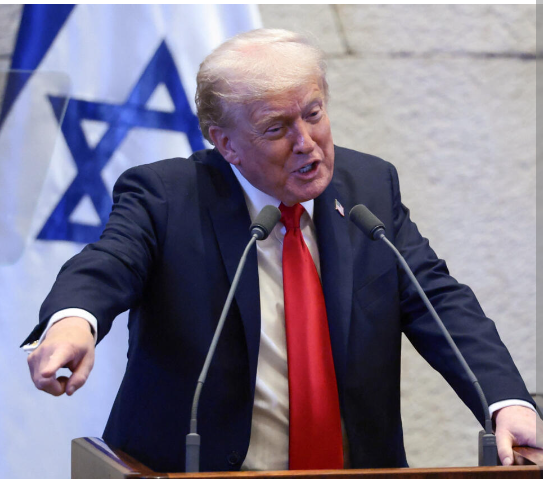
Spanish citizens overwhelmingly view US President Donald Trump as the greatest threat to world peace, according to a new poll published by El País on April 6.
In the survey, published by The Jerusalem Post, 81 % of respondents identified Trump as a danger to global stability, narrowly edging out Russian President Vladimir Putin, whom 79.3 % saw as a threat, and Israeli Prime Minister Benjamin Netanyahu, at 71.2 %.
Other global figures such as Iran’s Supreme Leader Mojtaba Khamenei and North Korean leader Kim Jong Un registered lower but still substantial threat perceptions, with 62.9 % and 62 % respectively, while Chinese President Xi Jinping was viewed as a threat by just under half of those surveyed.
The findings highlight deep pessimism among Spaniards about the direction of global affairs, with nearly 70 % saying they are pessimistic about the future, and fewer than 10 % believing the world will become more stable and prosperous.
Around half of participants also expressed fears that the future will be marked by increased violence, authoritarianism and inequality, and roughly half considered both the possibility of a global war and democratic backsliding in the United States and the European Union to be real possibilities.
Political divides within Spain sharply influence how respondents assess threats. Those aligned with right‑wing and far‑right parties such as El Partido Popular and Vox were more likely to place Putin at the top of their threat list, in contrast with the public view that places Trump first.
On defence spending, the poll found Spaniards almost evenly split on increasing military expenditures, with support more concentrated among right‑leaning voters, while nearly two‑thirds backed continued membership in NATO. Despite this, there was broad support for diplomatic cooperation, including maintaining aid to Ukraine and pursuing negotiated solutions in international conflicts.
On specific geopolitical questions, a strong majority, 75 %, of those surveyed agreed that the international community should put greater pressure on the United States and other powers to end the Israeli‑Palestinian conflict, reflecting widespread concern over ongoing violence.
Conversely, only 32 % agreed with the statement that “the United States and Israel should continue attacks until the Islamic regime in Iran falls,” suggesting significant opposition to escalatory military goals.
Related Posts

War tensions shake global oil routes as US, Iran, Israel crisis escalates
A rapidly intensifying standoff involving the United States, Iran, and Israel is sending s...
BREAKING: ‘Ceasefire Illusion’ U.S.–Iran Tensions Choke Global Oil Lifeline as Africa Braces for Economic Shock
A temporary ceasefire in the escalating conflict involving the United States, Israel, and...

Melania Trump Demands ABC Sack Jimmy Kimmel as White House Dinner Shooting Scare Rocks America
A fierce political and media storm has erupted in the United States after First Lady Melan...
$28Trillion vs $3Trillion: The Stark Economic Gap Between the U.S. and Africa
The United States has a nominal GDP of roughly $27–28 trillion, while the entire continent...
Spain’s public opinion and political landscape have also been shaped by Madrid’s government stance on the war between the United States, Israel and Iran.
Prime Minister Pedro Sánchez’s firm anti‑war position has resonated with voters; recent polling indicates that his Socialist Party has gained support while the far‑right Vox, which supports the offensive, has seen its backing decline.
A CIS poll showed that 85 % of Spaniards rejected the war, and Sánchez’s decision to close Spanish airspace to US aircraft involved in attacks and to ban the use of Spanish military bases by those forces has defined the government’s foreign policy posture amid transatlantic tensions.
The poll also probed perceptions of future regional and global instability.
70 % of respondents thought it likely that a massive expulsion of Palestinians to neighbouring countries could occur within the next year, and 80 % agreed that the war with Iran could trigger a global economic crisis over the same period.
These concerns align with broader European scepticism toward US and Israeli military actions: other recent opinion surveys across the continent have shown large segments of the public opposing the strikes on Iran and urging diplomatic solutions.
Amid growing unease, analysts note that the strategic calculus in the Middle East is shifting.
Regional governments are reportedly preparing for unpredictable risks rather than large‑scale occupations, and experts emphasize that the greatest danger may come if American ground forces enter Iranian territory, a move that could fundamentally change the rules of engagement, provoke widespread retaliation, deepen energy market shocks and make the conflict far more difficult to contain.
Related Posts

Uchechi Okporie
Apr 23, 2026
WORLD SHOCKER: Surviving Iranian Sailor Claims US Tried to Wipe Out Crew of Sunken Warship
A dramatic new account from the Middle East is drawing global attention after a surviving Iranian sailor alleged that the United States tried to eliminate the crew of a warship that later sank at sea.
Uchechi Okporie
Apr 23, 2026
World on Edge: Iran Keeps Hormuz Closed, Defies US Blockade as Global Oil Markets Shake
Tensions in the Middle East have escalated after Iran declared it will not reopen the Strait of Hormuz until the United States lifts its naval blockade, deepening fears of a major disruption to global energy supplies.
Uchechi Okporie
Apr 22, 2026
US Lawmaker Defies Pressure, Accuses Nigerian Defence Minister Over Rising Insecurity Crisis
A fresh international controversy has erupted after a United States lawmaker publicly challenged Nigeria’s Minister of State for Defence, Bello Matawalle, declaring that attempts to silence her over worsening insecurity in the country would fail.
Uchechi Okporie
Apr 21, 2026
Washington Unveils New Africa Counterterror Strategy as Security Threats Reshape US-Africa Agenda
The United States is placing Africa’s growing terrorism crisis at the center of its diplomatic agenda this week, as the State Department prepares to outline a renewed counterterrorism strategy aimed at confronting rising militant threats across the continent.
Uchechi Okporie
Apr 18, 2026
Iran Threatens US at Sea as Supreme Leader Declares Navy Ready to Crush America
Iran’s Supreme Leader has issued a fiery warning to the United States, declaring that the country’s navy is fully prepared to confront and defeat American forces if conflict breaks out at sea.
Uchechi Okporie
Apr 16, 2026
Nuclear Gamble Nears Endgame: Donald Trump Claims Iran Ready to Surrender Uranium Stockpile in High-Stakes Peace Push
In a dramatic turn in Middle East diplomacy, Donald Trump has announced that Iran has agreed to hand over its enriched uranium reserves — a move he says could bring a major conflict to a close and reshape global security dynamics.
Uchechi Okporie
Apr 16, 2026
South Africa Sends Seasoned Power Broker to Washington in Strategic Diplomatic Move
In a calculated step to strengthen its global influence, South Africa has appointed a highly experienced negotiator as its new ambassador to the United States, signaling a renewed focus on diplomacy at a time of shifting geopolitical alliances.
Uchechi Okporie
Apr 14, 2026
“Africa’s Giant Makes a Bold Claim: Nigeria Set to Outpace US and UK in Surprise Economic Surge”
Nigeria’s presidency has declared that the country’s economy is on track to grow faster than major global powers, including the United States and the United Kingdom, in 2026—an assertion that is already stirring global attention and debate.
Trending
May 19, 2026
BREAKING: APC bloodbath rocks Nigeria as governors seize Senate tickets and political titans suffer humiliating collapse ahead of 2027 war
Uchechi Okporie
May 20, 2026
BREAKING: Jonathan Secures Historic PDP Waiver as Turaki Power Bloc Unifies Behind Him, Clearing Path to Near-Uncontested 2027 Presidential Run
Uchechi Okporie
May 19, 2026
Tension Rises as APC Headquarters Disowns Purported Senatorial Primary Results, Says Unauthorized Announcement Violates NWC Directive
Uchechi Okporie
May 19, 2026
Delta APC Primary Crisis Deepens as Ned Nwoko's Camp Demands Okowa’s Disqualification Over Violation of NWC Directives
Uchechi Okporie
May 19, 2026
BREAKING: Fierce Delta North APC battle deepens as Ned Nwoko declares commanding primary victory, dismisses fake results and renews Anioma State mission
Uchechi Okporie
May 17, 2026
Deadly Chaos Erupts Inside Nigeria’s Ruling Party as APC Primary Election Violence Claims Life in Plateau, Raising Fresh Fears Ahead of 2027 Power Battle
Uchechi Okporie
May 17, 2026
BREAKING: Diaspora Group Erupts Over “Disrespect” to Goodluck Jonathan, Fires Warning at VeryDarkMan Amid 2027 Political Tension
Uchechi Okporie
May 18, 2026
Breaking News: Nigeria’s ruling APC throws 47 senatorial aspirants out of 2027 race in dramatic political crackdown
Uchechi Okporie
May 21, 2026
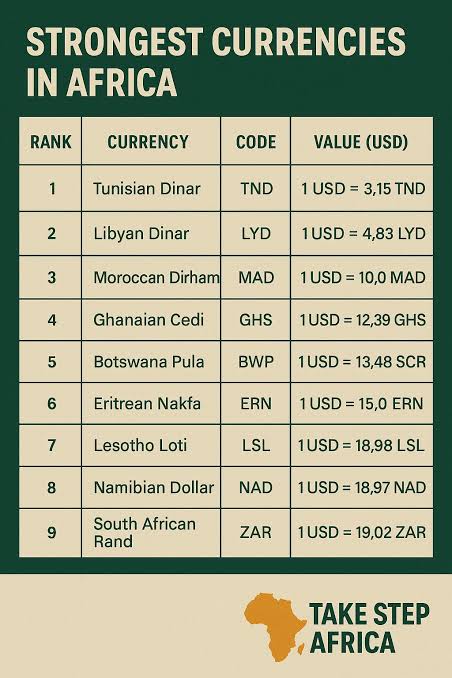
Explainer: Why African Currencies Keep Losing Value Against The Dollar
 Admin User
May 17, 2026
Breaking: Political Earthquake Brewing in Nigeria as Obidient and Kwankwasiyya Forces Raise Massive ₦60 Million Campaign War Chest Ahead of Explosive 2027 Power Battle
Uchechi Okporie
May 18, 2026
BREAKING news: APC primaries explode in Nigeria as political giants collapse, 50 sitting lawmakers wiped out in unprecedented ticket shock
Uchechi Okporie
Latest Stories
May 24, 2026
Benue Ex-Speaker Dajoh, 36 Others Secure PDP Assembly Tickets
Chineye Egesi
May 23, 2026
Eight Longest Serving African Leaders Who Have Refused to Handover Power, One Has Ruled for 47 Years (Read Shocking Details
Admin User

May 23, 2026
Wembley Heartbreak! Hull City Stun Middlesbrough With Last-Gasp Winner to Complete Premier League Return
Uchechi Okporie
May 23, 2026
Terror in Nigeria’s Northeast Deepens as Troops Hunt Down Boko Haram Fighters, Rescue Kidnapped Women and Children From Borno Hideouts
Uchechi Okporie
May 23, 2026
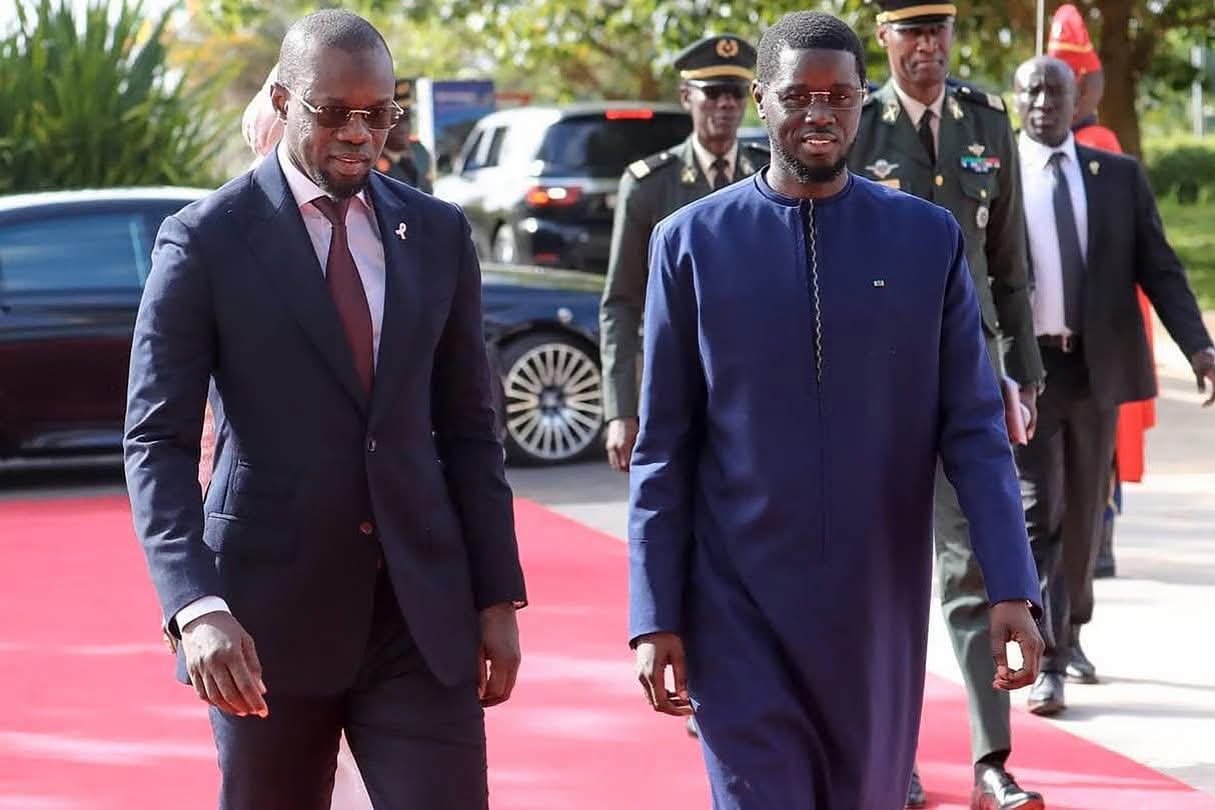
From Brothers-in-Struggle to Rivals-in-Power: How Senegal’s President Diomaye Faye and PM Sonko Fell Apart
Admin User
May 23, 2026
Opposition Figure Warns APC’s Dominance Threatens Nigeria’s Democracy
Chineye Egesi
May 23, 2026
Presidential Race Heats Up: PRP Clears Donald Duke, Two Others for Primaries
Chineye Egesi
May 23, 2026
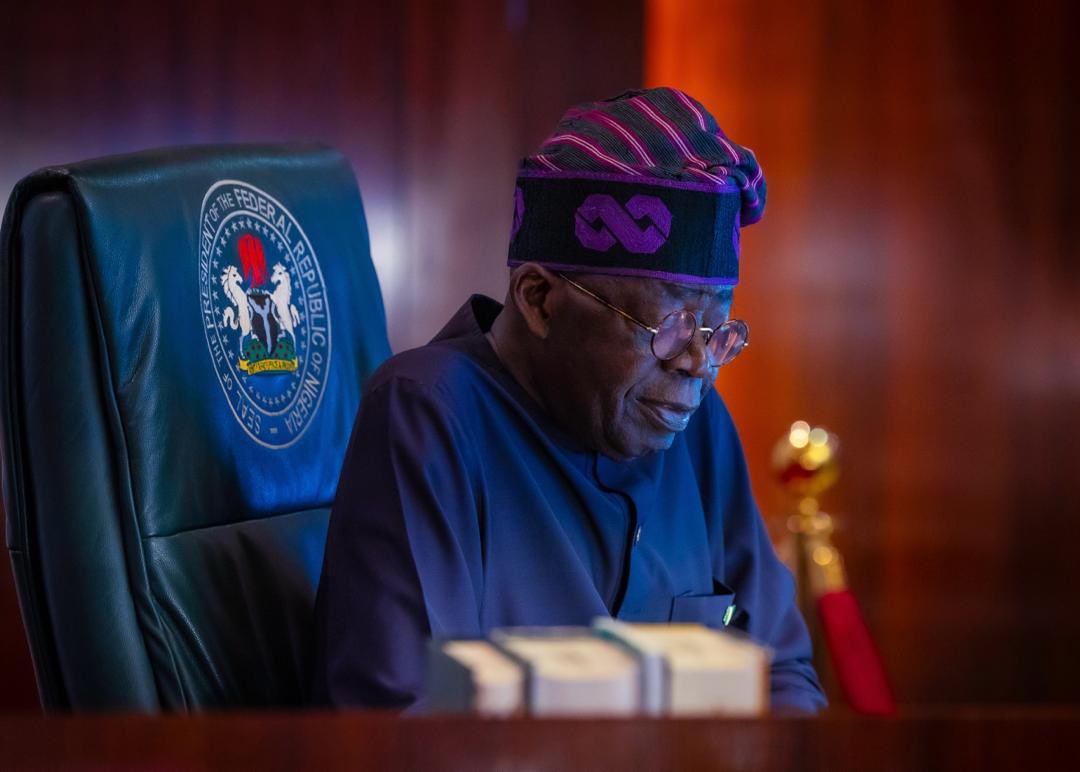
‘Democracy at a High Level’: Tinubu Hails APC Primaries as Grassroots Success
Chineye Egesi

May 23, 2026
“Evacuate Now: Israel Issues Urgent Strike Warning for 10 Lebanese Villages”
Chineye Egesi
May 23, 2026
From Harvest to Hunger: Climate Chaos Wipes Out Nigerian Farms as Food Crisis Deepens Across Ogun, Oyo and Lagos
Uchechi Okporie
May 23, 2026
Trump Shakes Up U.S. Immigration: Nigerians Must Now Return Home to Apply for Green Cards
Chineye Egesi