Nigeria Govt Budgets N135bn To Prosecute 2027 Post Election Disputes
 Uchechi Okporie
Apr 07, 2026
3 min read
Uchechi Okporie
Apr 07, 2026
3 min read
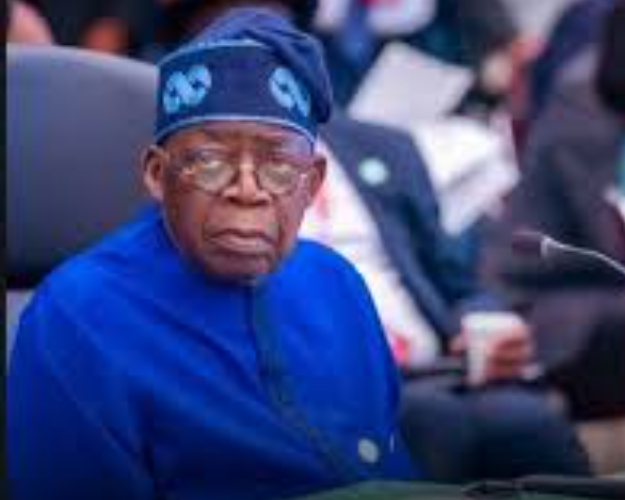
The Federal Government of Nigeria has earmarked N135.22bn in the 2026 budget for “Electoral Adjudication and Post-Election Provision,” signalling a major new financial commitment to handling disputes, settlements, and administrative fallout from elections.
The allocation, contained in the March 31, 2026 House of Representatives Order Paper on the Appropriation Bill, sits under Service-Wide Votes, a central funding pool used for cross-government obligations and contingencies not tied to any single agency.
Classified under the Consolidated Revenue Fund (CRF) charges, the provision accounts for 3.65% of the N3.70tn CRF spending, highlighting expectations of significant post-election legal and administrative costs.
This comes alongside a N1.01tn statutory transfer to INEC, the largest share (21%) of the total N4.80tn statutory transfers, which are constitutionally backed and released directly to agencies without executive control.
Earlier, INEC told the National Assembly it needs N873.78bn for the 2027 general elections, far above the N313.4bn spent in 2023, and N171bn for its 2026 operations.
Notably, the N135.22bn provision is a new budget line, absent from earlier proposals, and has triggered criticism from opposition parties and civil society groups.
Related Posts
Makurdi Barracks of Shame: Outrage Erupts as Police Families Survive on Filthy Pond Water in Collapsing Security Housing
A disturbing investigation has laid bare the unbearable living conditions inside the Mobil...
Aburi accord bombshell: Gowon reignites explosive claim that Ojukwu derailed final peace deal as Nigeria slipped into civil war amid collapsed negotiations
Fresh historical tension has resurfaced over one of Africa’s most sensitive political turn...
Shettima alleges plot to falsely link him to assassination bid against Tinubu after inauguration
Vice President Kashim Shettima has lifted the lid on what he described as a politically ch...

Nigerian athlete’s American dream ends in bloodshed days before MBA graduation
Grief and outrage have erupted across Nigeria and the African diaspora after a Nigerian at...
The PDP and ADC questioned its transparency and necessity, arguing it suggests anticipation of widespread election disputes.
PDP spokesman Ini Ememobong said the provision reflects a lack of confidence in credible elections, linking post-election litigation to poor transparency and warning against excessive reliance on external legal counsel.
ADC spokesman Bolaji Abdullahi acknowledged that litigation planning is standard but described the amount as excessive, questioning how many disputes the government expects if elections are credible.
Political economist Prof. Pat Utomi also faulted the provision, arguing that elections are contested by candidates, not the government, and insisting INEC should handle such costs within its own budget.
The controversy underscores growing concerns over transparency, electoral credibility, and fiscal accountability as Nigeria prepares for the 2027 elections.
Related Posts
Uchechi Okporie
May 19, 2026
Tension Rises as APC Headquarters Disowns Purported Senatorial Primary Results, Says Unauthorized Announcement Violates NWC Directive
The national leadership of the All Progressives Congress has issued a stern disclaimer rejecting the wave of senatorial direct primary results being circulated across several states, declaring them unauthorized and misleadingAPC,
Uchechi Okporie
May 18, 2026
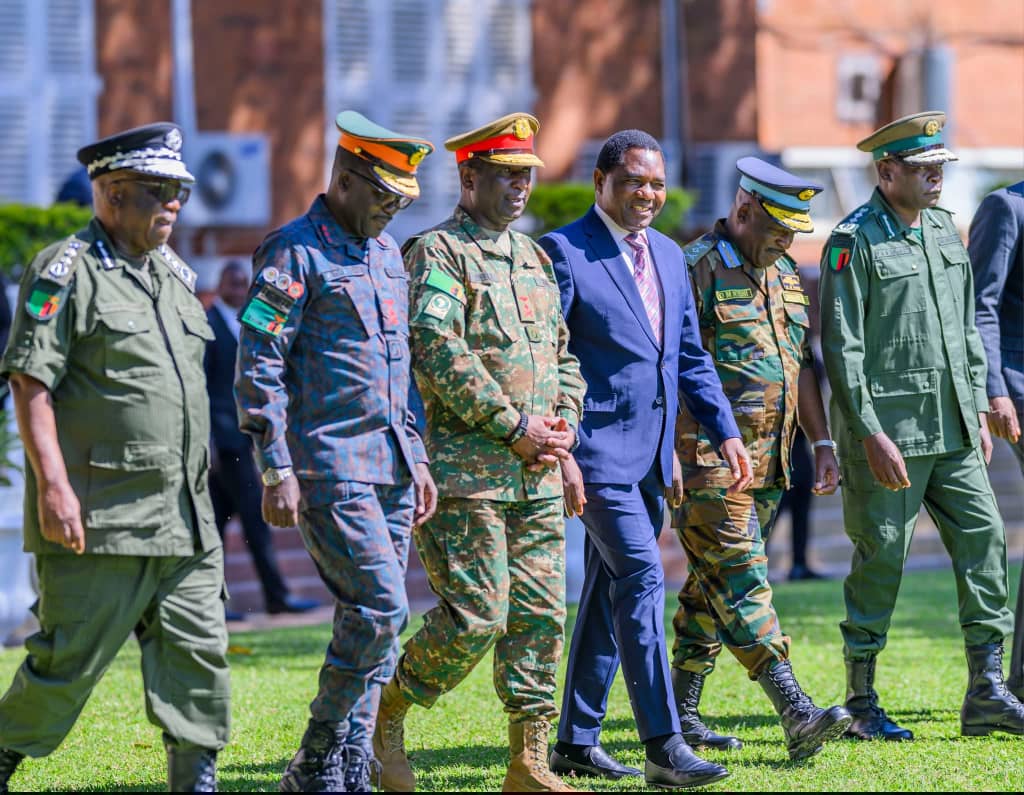
The Law Will Apply to All — Zambia President Issues Strong Warning as Elections Campaign Begins
Zambian President Hakainde Hichilema has assured citizens that the country will remain peaceful, orderly, and secure as the nation enters the official campaign period ahead of elections.
Uchechi Okporie
May 16, 2026
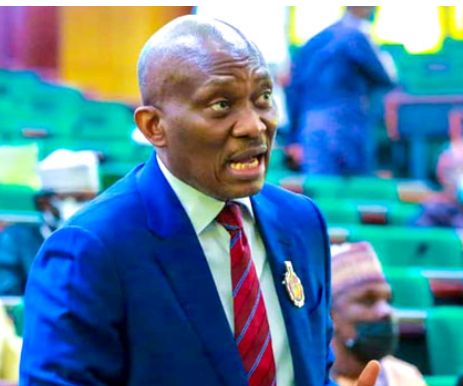
Elumelu Flogs Okolie at APC House of Reps Primaries as Asaba People Vote Against Their Brother
The political career of Hon. Ngozi Okolie may have suffered its biggest blow yet after former Minority Leader of the House of Representatives, Ndudi Elumelu, crushed him mercilessly in the APC House of Representatives primaries in Oshimili South Local Government Area of Delta State.
Uchechi Okporie
May 15, 2026
Breaking: Political Earthquake in Nigeria as Benue APC Clears Only 11 of 50 Aspirants, Triggering Outrage, Power Struggles and Fresh Election Tensions
Nigeria’s ruling All Progressives Congress (APC) has plunged into fresh controversy after its screening panel in Benue State reportedly cleared only 11 out of 50 aspirants seeking elective positions, a dramatic development now sending shockwaves across the country’s political landscape ahead of critical elections.
Uchechi Okporie
May 14, 2026
Africa’s richest man Aliko Dangote breaks silence on why he abandoned Arsenal takeover bid as Premier League ownership race reaches new heights
Nigerian billionaire industrialist Aliko Dangote has finally explained why he decided against pursuing the purchase of English football giants Arsenal F.C., ending years of speculation over his ambition to own one of the world’s most valuable clubs.
Uchechi Okporie
May 14, 2026
Obi insists on four-year tenure as presidency questions his credibility
Former presidential candidate and prominent opposition figure has reaffirmed his vow to serve only a single four-year term if elected president, saying he would not extend his stay in office “even with a gun to my head.”
Uchechi Okporie
May 14, 2026
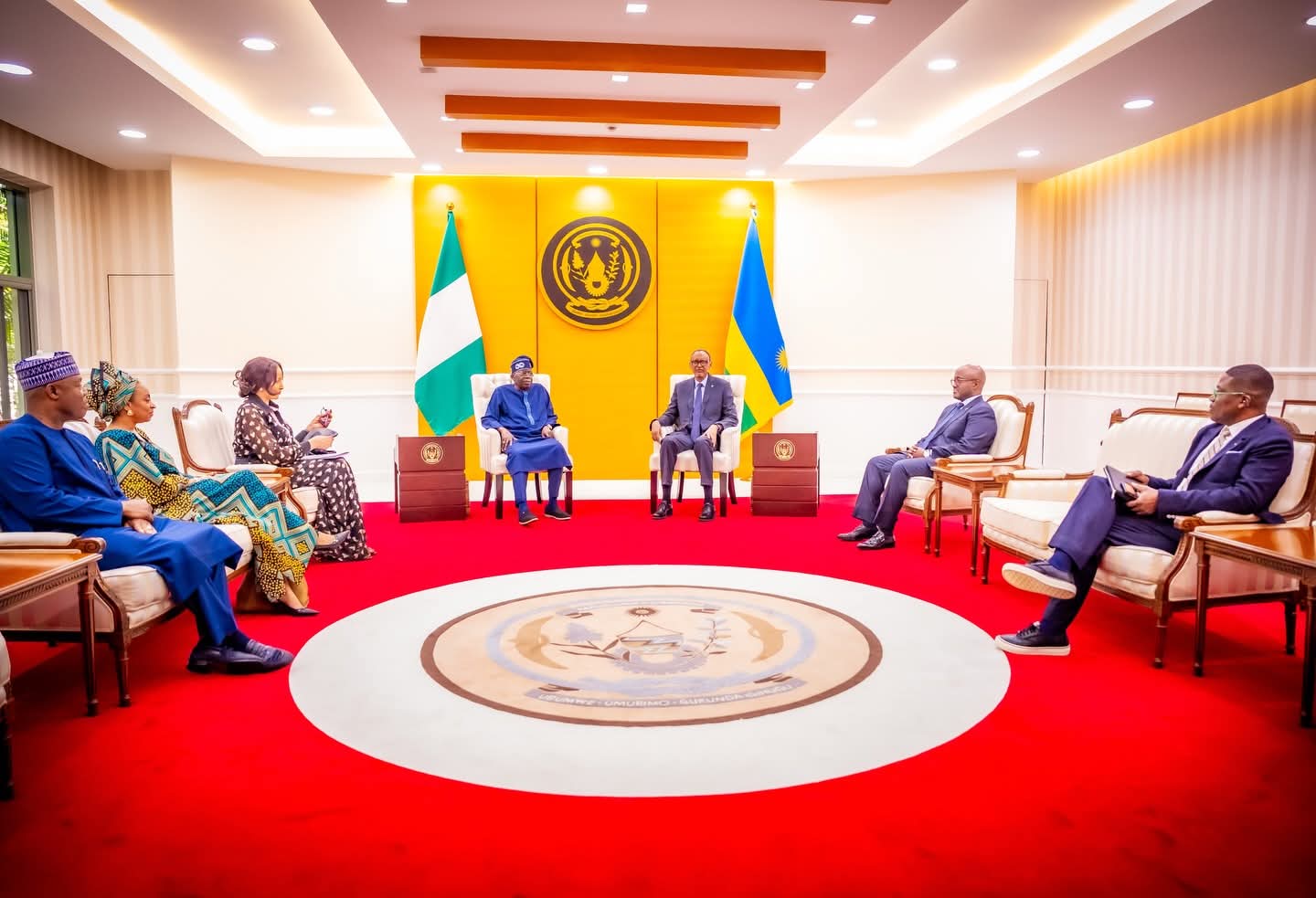
From Nairobi to Kigali: What Tinubu Discussed with Rwanda President will Benefit Nigerians
Nigerian President Bola Ahmed Tinubu has renewed calls for deeper economic integration across Africa, emphasizing trade, investment, infrastructure, and digital commerce as the continent’s pathway to sustainable prosperity.
Uchechi Okporie
May 12, 2026
Stop Running to South Africa, Hold Your Corrupt, Dictatorial Govt Accountable - South African Citizen Tells Nigerians
A South African citizen, Shimane Samuel Moeketsi, has stirred widespread debate on social media after making strong remarks directed at African migrants, particularly Nigerians, urging them to remain in their home countries and hold political leaders accountable rather than relocating to South Africa.
Trending
May 19, 2026
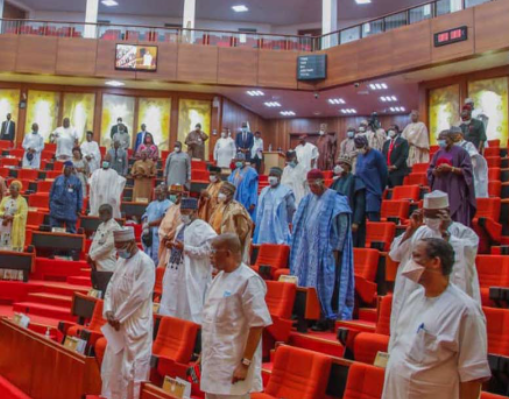
BREAKING: APC bloodbath rocks Nigeria as governors seize Senate tickets and political titans suffer humiliating collapse ahead of 2027 war
Uchechi Okporie
May 19, 2026
Tension Rises as APC Headquarters Disowns Purported Senatorial Primary Results, Says Unauthorized Announcement Violates NWC Directive
Uchechi Okporie
May 20, 2026
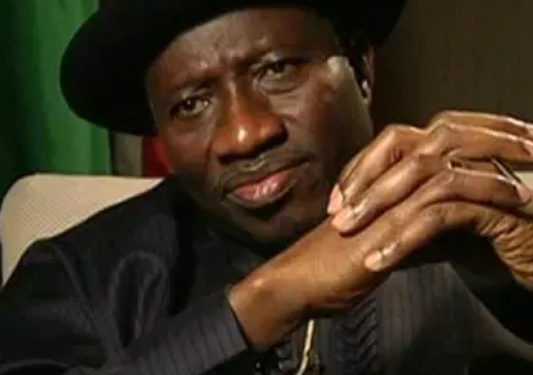
BREAKING: Jonathan Secures Historic PDP Waiver as Turaki Power Bloc Unifies Behind Him, Clearing Path to Near-Uncontested 2027 Presidential Run
Uchechi Okporie
May 16, 2026
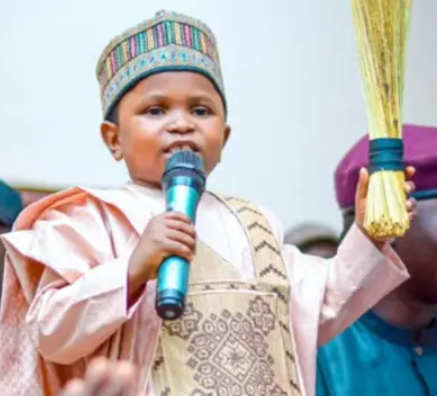
BREAKING: Political Shockwaves Across Nigeria as 30-Year-Old Kaduna Aspirant Withdraws From Parliament Race Amid Explosive Age Eligibility Crisis
Uchechi Okporie
May 19, 2026
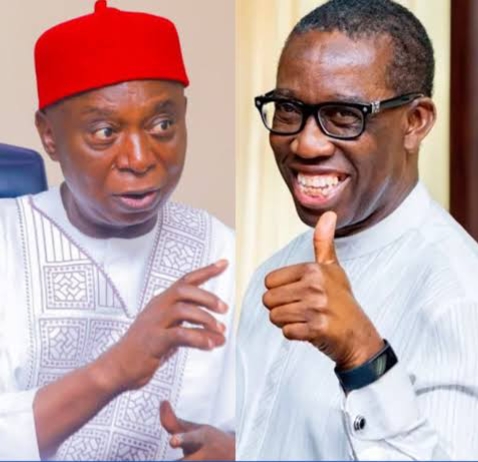
Delta APC Primary Crisis Deepens as Ned Nwoko's Camp Demands Okowa’s Disqualification Over Violation of NWC Directives
Uchechi Okporie
May 19, 2026
BREAKING: Fierce Delta North APC battle deepens as Ned Nwoko declares commanding primary victory, dismisses fake results and renews Anioma State mission
Uchechi Okporie
May 17, 2026
Deadly Chaos Erupts Inside Nigeria’s Ruling Party as APC Primary Election Violence Claims Life in Plateau, Raising Fresh Fears Ahead of 2027 Power Battle
Uchechi Okporie
May 17, 2026
BREAKING: Diaspora Group Erupts Over “Disrespect” to Goodluck Jonathan, Fires Warning at VeryDarkMan Amid 2027 Political Tension
Uchechi Okporie
May 18, 2026
Breaking News: Nigeria’s ruling APC throws 47 senatorial aspirants out of 2027 race in dramatic political crackdown
Uchechi Okporie
May 17, 2026
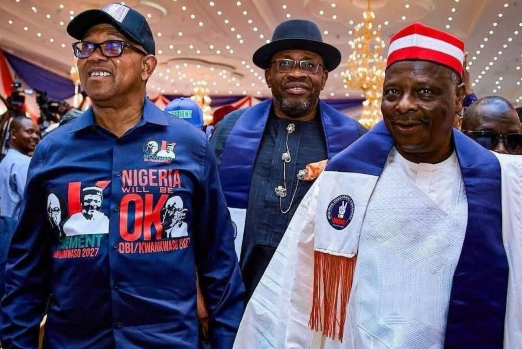
Breaking: Political Earthquake Brewing in Nigeria as Obidient and Kwankwasiyya Forces Raise Massive ₦60 Million Campaign War Chest Ahead of Explosive 2027 Power Battle
Uchechi Okporie
May 16, 2026
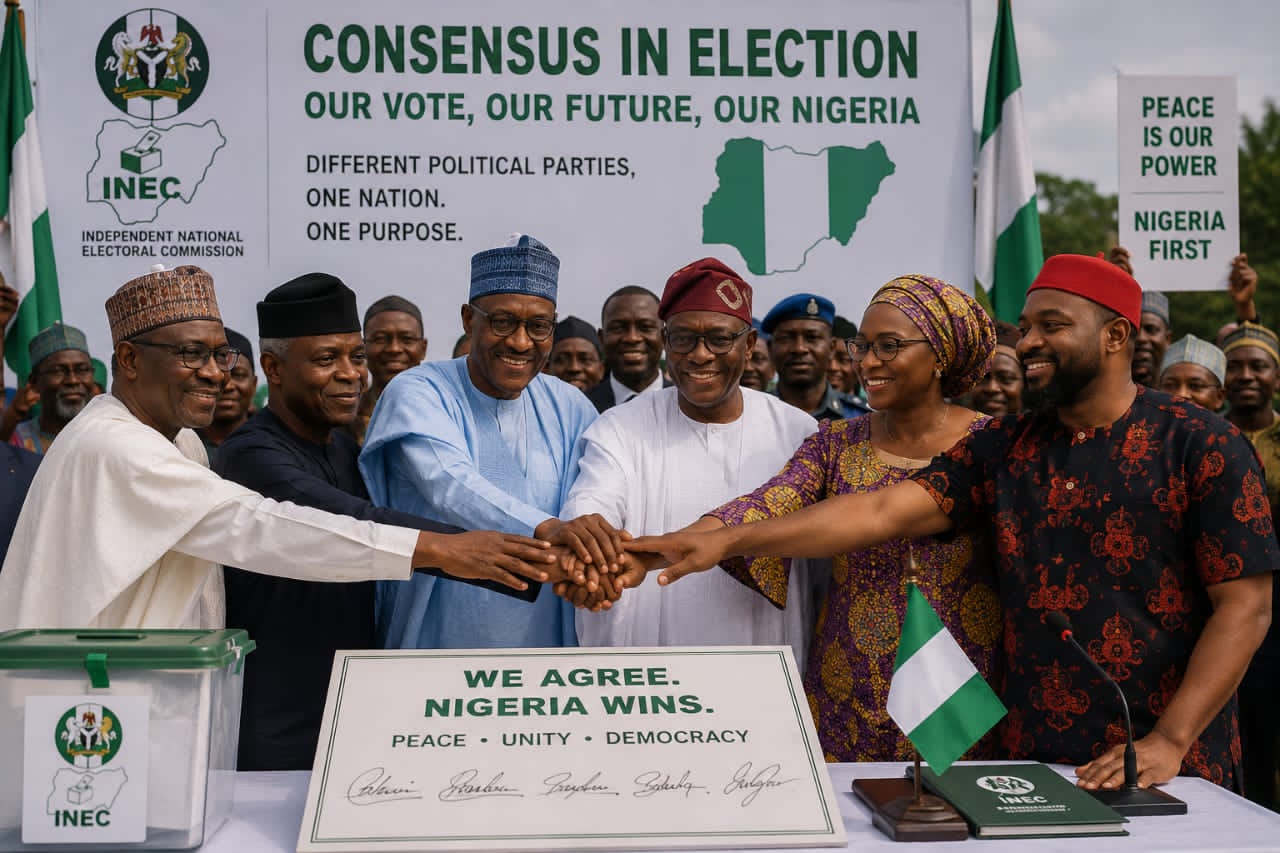
Nigeria’s South-South Political Rift Deepens as Fierce Battle Over “Consensus” Threatens Regional Unity Ahead of 2027 Elections
Uchechi Okporie
Latest Stories
May 22, 2026
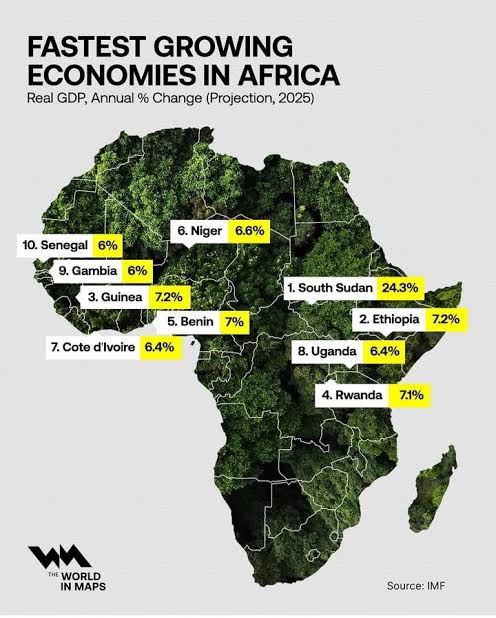
Check This Out: Top 10 Fastest-Growing Economies in Africa in 2026
 Admin User
May 22, 2026
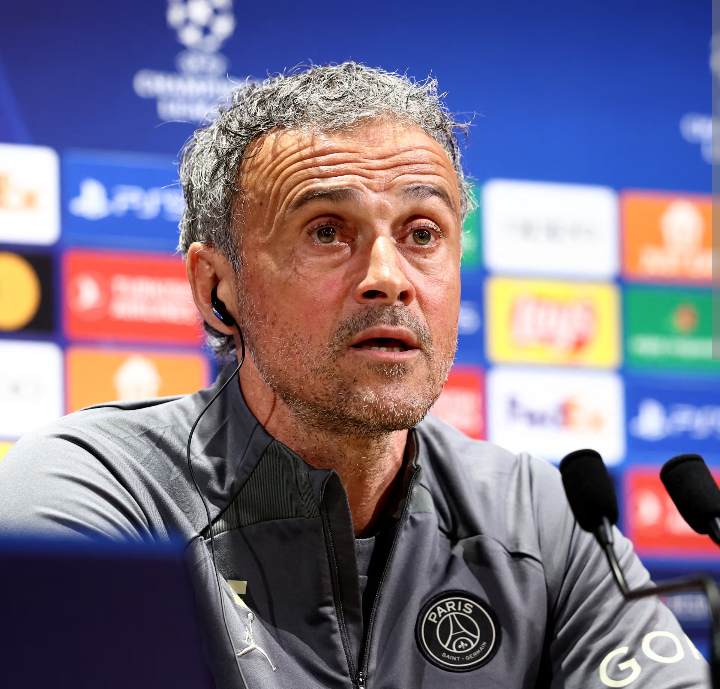
Luis Enrique sets global football debate ablaze as PSG boss names his ultimate coaching idol and greatest manager ever
Uchechi Okporie
May 22, 2026
Landslide Victory: Ahmed Galadima Secures APC Governorship Ticket in Adamawa for 2027
Chineye Egesi
May 22, 2026
Zimbabwe open Unity Cup campaign in London with bold intent as Super Eagles showdown looms
Uchechi Okporie
May 22, 2026
Nasarawa Labour Party Gives Out Free Governorship, Senatorial Forms to Aspirants Amid Economic Hardship
Chineye Egesi
May 22, 2026
Benue ADC Primary Collapses Into Factional Violence as Election Process Crumbles
Uchechi Okporie
May 22, 2026
Nigeria 2027: Dalung Drops Political Reality Bombshell - No Presidential Hope Without Northern Stronghold
Uchechi Okporie
May 22, 2026
Makurdi Barracks of Shame: Outrage Erupts as Police Families Survive on Filthy Pond Water in Collapsing Security Housing
Uchechi Okporie
May 22, 2026
Tuchel tears apart England squad as football superstars suffer brutal World Cup humiliation
Uchechi Okporie
May 22, 2026
INEC Warns of Vote Buying, Thuggery, Fake News as Ekiti Governorship Election Nears
Chineye Egesi
May 22, 2026
2027 Showdown: Why Obi’s Camp Fears No One Not Even Jonathan — Says Senator Umeh
Chineye Egesi