The Growth of Technology in Africa: A Transformative Era
 Admin User
Mar 05, 2026
3 min read
Admin User
Mar 05, 2026
3 min read
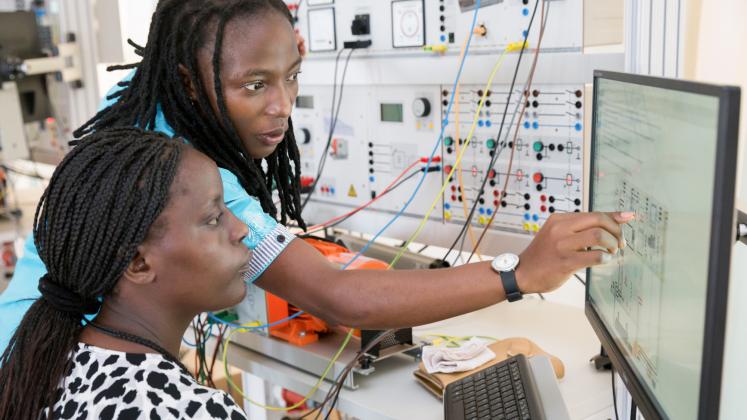
Over the last two decades, Africa has experienced a remarkable technological transformation. Once perceived as a region lagging behind in digital advancement, the continent is now emerging as one of the fastest-growing technology ecosystems in the world.
Driven by mobile innovation, entrepreneurial energy, and expanding digital infrastructure, technology is reshaping economies, improving access to services, and opening new opportunities for millions of Africans.
The Rise of Mobile Technology
One of the most significant drivers of technological growth in Africa has been mobile technology. Unlike many developed regions that built digital infrastructure around fixed broadband, Africa leapfrogged directly into mobile connectivity.
The widespread adoption of smartphones and mobile networks has allowed millions of people to access the internet for the first time. Mobile technology has particularly transformed financial services. Platforms such as M‑Pesa, launched in Kenya, revolutionized how people send and receive money. It enabled individuals without traditional bank accounts to participate in the financial system, helping small businesses grow and allowing families to transfer money quickly and securely.
Today, mobile money services are widely used across several African countries, making the continent a global leader in mobile payments.
Expanding Startup Ecosystems****
Africa’s technology growth is also being fueled by a vibrant startup culture. Cities such as Lagos, Nairobi, and Cape Town have become major innovation hubs, attracting entrepreneurs, investors, and global tech companies.
Startups across sectors—fintech, healthtech, edtech, and agritech—are developing solutions tailored to local challenges. For instance, Nigerian fintech company Flutterwave has built payment infrastructure that enables businesses to accept and process payments across multiple African countries. Companies like this demonstrate how African innovators are building scalable technology solutions with global relevance..
Venture capital investment in African startups has also grown significantly. International investors are increasingly recognizing the potential of Africa’s large, youthful population and rapidly expanding digital economy.
Growth of Internet Infrastructure
Another key factor behind Africa’s technological expansion is the improvement in internet infrastructure. Governments and private companies are investing in broadband networks, fiber-optic cables, and data centers to increase connectivity.
Related Posts
Africa’s sky race takes off as airline giants unite to drive tourism boom
Africa’s aviation sector is gaining fresh global momentum as leading carriers, including E...
Togo unveils new national development roadmap, launches nationwide public consultations
The government of Togo has announced the launch of a new national development roadmap aime...
NASS Members Jittery as Governors Move to Dictate Candidates, Block Rivals, Hijack APC Tickets
The All Progressives Congress (APC) has quietly altered its 2027 election timetable after...
Fresh Crisis Rocks Nigeria's Opposition Party as Kogi PDP Explodes Over Natasha's Dispute
Fresh tensions have erupted inside Nigeria’s main opposition party, the Peoples Democratic...
Global technology companies are also contributing to this growth. For example, Google has invested in subsea internet cables and digital training initiatives across Africa. Similarly, Microsoft has established cloud data centers on the continent to support businesses and digital services.
These investments are making internet access faster, more reliable, and more affordable, allowing more Africans to participate in the digital economy..
Technology in Key Sectors
Technology is transforming several critical sectors in Africa: Finance: Fintech companies are expanding financial inclusion by providing digital banking, mobile payments, and micro-lending services. Agriculture: Digital platforms help farmers access weather information, market prices, and modern farming techniques..
Healthcare: Telemedicine and digital health platforms are improving access to medical consultations, especially in rural areas. Education: Online learning platforms are expanding access to education and professional training. Through these innovations, technology is addressing long-standing developmental challenges while creating entirely new economic opportunities.
Challenges to Overcome
Despite the rapid progress, several challenges remain. Limited electricity access in some regions, high data costs, and regulatory barriers can slow technological adoption. Additionally, there is a need for more investment in digital skills and education to prepare Africa’s workforce for a technology-driven future.
However, governments, private companies, and international organizations are increasingly collaborating to address these obstacles and support sustainable digital growth..
The Future of Technology in Africa
Africa’s technology sector is still in its early stages, but its potential is enormous. With the world’s youngest population and growing urbanization, the continent is well positioned to become a major force in the global digital economy.
As connectivity expands and innovation continues to flourish, technology will likely play a central role in shaping Africa’s economic development, improving quality of life, and creating opportunities for future generations. In many ways, Africa is not just catching up in technology—it is redefining how technology can be used to solve real-world problems in emerging markets.
Previous Post
Ghana can shock England, Ahinful warnsRelated Posts


Uchechi Okporie
Apr 28, 2026
African Banking Giant FCMB Unveils Responsible AI Strategy, Signaling New Era for Finance Across the Continent
FCMB Group has announced a deliberate and responsible approach to adopting artificial intelligence, positioning itself as one of Africa’s leading financial institutions embracing the future of banking technology.

Uchechi Okporie
Apr 27, 2026
RUSSIA FORCED OUT OF MALI WAR ZONE AS REBELS SEIZE STRATEGIC CITY — SAHEL ON THE EDGE OF FULL BLOWN CHAOS
Russian Africa Corps forces have confirmed they have withdrawn from the northern Malian city of Kidal following coordinated attacks by separatist fighters and Islamist militants.

Uchechi Okporie
Apr 27, 2026
Global Experts Say Strong Protocol Systems Are Transforming Africa’s Public Services and Driving Faster Delivery
Good governance experts have stressed that proper protocol systems are playing a major role in improving efficiency and boosting service delivery across institutions in Africa.
Uchechi Okporie
Apr 27, 2026
From Brothers to Burdens: Why Nigerians Are No Longer Welcome in South Africa, Ghana - The Sad Story
Across parts of Africa, a troubling pattern has emerged: periodic waves of hostility directed at Nigerians living and working in other African countries. In South Africa, it has manifested in violent xenophobic attacks; in Ghana, tensions have surfaced through business closures and regulatory crackdowns. The rhetoric is familiar—“they should go back home.” But beneath that language lies a far more complex and uncomfortable reality than simple dislike of a nationality. This moment is not just about Nigerians; it is about economics, identity, governance failure, and the unfinished project of African unity.

Uchechi Okporie
Apr 25, 2026
Global Health Alert: Feeling Tired, Bloated or Always Sick, Experts Reveal Powerful Fruits Africans Should Be Eating Now
Many people across Africa and around the world often ignore common health warning signs such as constant tiredness, bloating, weak immunity and frequent illness.

Uchechi Okporie
Apr 25, 2026
BREAKING: Africa on Red Alert as Malaria Defies Drugs, Insecticides as Global Fight Faces Dangerous Setback
Malaria is emerging as a growing global health threat after new concerns revealed the disease is becoming resistant to both medicines and insecticides, raising fears across Africa and other vulnerable regions.
Uchechi Okporie
Apr 25, 2026
$28Trillion vs $3Trillion: The Stark Economic Gap Between the U.S. and Africa
The United States has a nominal GDP of roughly $27–28 trillion, while the entire continent of Africa produces about $3.0–3.2 trillion. That means the U.S. economy is about eight to nine times larger than Africa’s combined output, even though Africa consists of over 50 countries.

Uchechi Okporie
Apr 25, 2026
Big Population, Small Output: The Africa’s Economic Development Paradox
The uncomfortable truth is that sheer population size does not create prosperity. If it did, Africa would already dominate the global economy. With roughly 1.4 billion people, more than four times the population of the United States, Africa should, on paper, be an economic superpower. Instead, its total output lags far behind. This is not a mystery; it is a structural reality that many prefer to avoid confronting directly.
Trending
Apr 28, 2026
Africa Outraged as Two Nigerians Killed in South Africa, Abuja Demands Urgent Justice
Uchechi Okporie
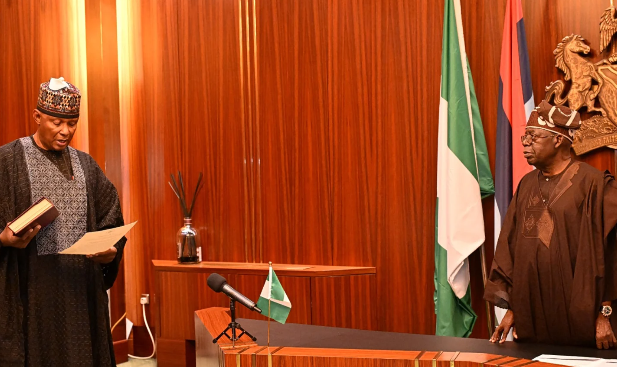
Apr 25, 2026
BREAKING AFRICA HOUSING CRISIS: Minister Vows Urgent Action as Nigeria Faces Massive Shelter Shortfall
Uchechi Okporie

Apr 27, 2026
Senator Natasha Declares for 2027 Kogi Central Senatorial Race, Says Her Endorsement Overwhelming
Admin User

Apr 27, 2026
What We Discussed in Our Meeting With Jonathan - Obi Reveals in Explosive Statement
Uchechi Okporie

Apr 28, 2026
A Tall Ambition: Delta Councilor Purchases Expression of Interest Forms to Represent Ndokwa/Ukwuani in House of Reps
Admin User
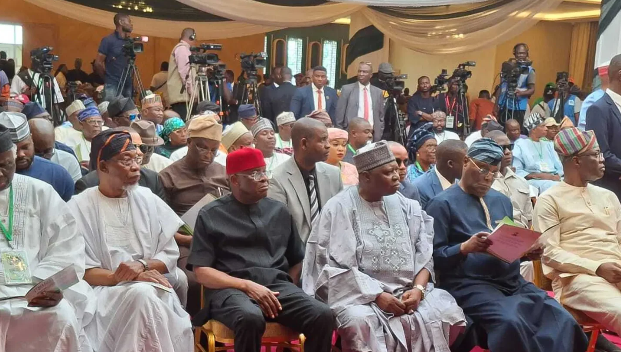
Apr 25, 2026
Africa Political Shockwave: Atiku, Obi, Amaechi Gather in Ibadan as Nigeria’s Opposition Forces Signal Major 2027 Battle
Uchechi Okporie

Apr 25, 2026
BREAKING: NATO in Internal Storm as US Reportedly Moves Against Spain Over Iran War—Alliance Rules Out Expulsion Powers
Uchechi Okporie
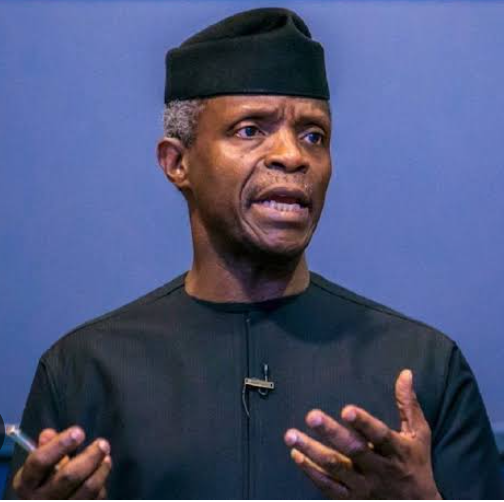
Apr 26, 2026
AFRICA DIVIDED: Osinbajo and Gospel Singer Lock Horns in Viral Faith War
Uchechi Okporie
Apr 27, 2026
From Brothers to Burdens: Why Nigerians Are No Longer Welcome in South Africa, Ghana - The Sad Story
Uchechi Okporie

Apr 26, 2026
BREAKING: Ghana Forces Storm Illegal Mining Stronghold, Destroy Excavators in Major Anti-Galamsey Crackdown
Uchechi Okporie

Apr 26, 2026
Gunfire Panic Rocks White House Dinner as Trump Evacuated in Major Security Scare
Uchechi Okporie
Latest Stories

May 01, 2026
Ghana can shock England, Ahinful warns
Uchechi Okporie
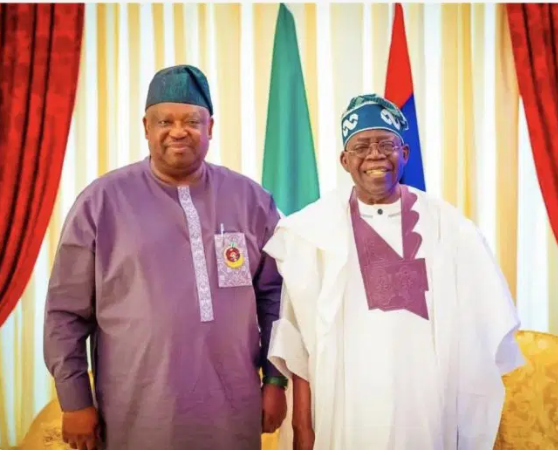
May 01, 2026
BREAKING: Abuja peace talks move to end plateau violence as Nigeria seeks lasting calm
Uchechi Okporie
May 01, 2026
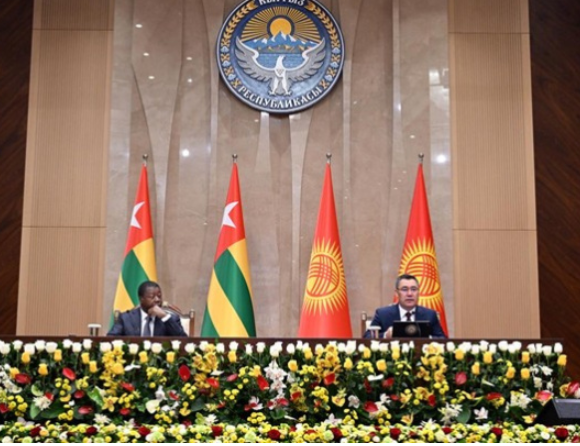
Africa Eyes New Frontiers: Togo and Kyrgyzstan Strike Unlikely Strategic Deal in Bishkek
Uchechi Okporie

May 01, 2026
BREAKING: ‘Ceasefire Illusion’ U.S.–Iran Tensions Choke Global Oil Lifeline, Africa Braces for Economic Shock
Uchechi Okporie
May 01, 2026
Nigeria Sets High-Stakes June 20 Vote Across Six States as Electoral Clock Ticks Toward 2027
Uchechi Okporie

Apr 30, 2026
BREAKING: Ghana’s Zanetor Agyeman-Rawlings Lands Top Pan-African Parliament Role, Signaling New Era of Youthful African Leadership
Uchechi Okporie

Apr 30, 2026
Omo-Agege Reacts to Oborewvori's Comments on 2023 Election, Says Governor Raising the Matter Serves No Useful Purpose
Admin User

Apr 30, 2026
Egypt Stuns the World: 1,600-Year-Old Mummy Found With Ancient Iliad Text Hidden Inside Body
Uchechi Okporie
Apr 30, 2026
Power Struggle in Northern Nigeria: Ilorin Emirate Faces Backlash Over Senatorial Endorsement
Uchechi Okporie
Apr 30, 2026
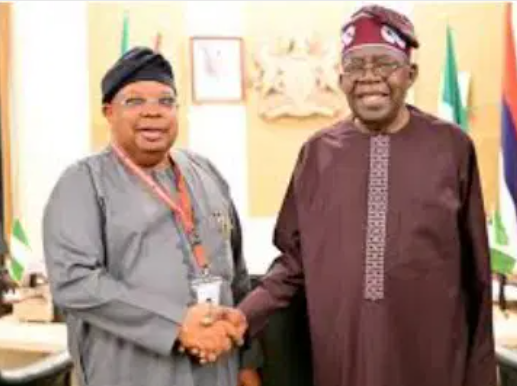
BREAKING: Nigeria’s Power Crisis Boils As Tinubu Picks New Minister in Urgent Reset
Uchechi Okporie

Apr 30, 2026
Ashanti Political Firestorm: NDC Women’s Boss Drops Bombshell Allegations Against Ejisu MCE
Uchechi Okporie