Togo’s NGO Law Tightens: A Test for African Civil Society in the Age of Terror Financing Fears
 Uchechi Okporie
Mar 27, 2026
3 min read
Uchechi Okporie
Mar 27, 2026
3 min read
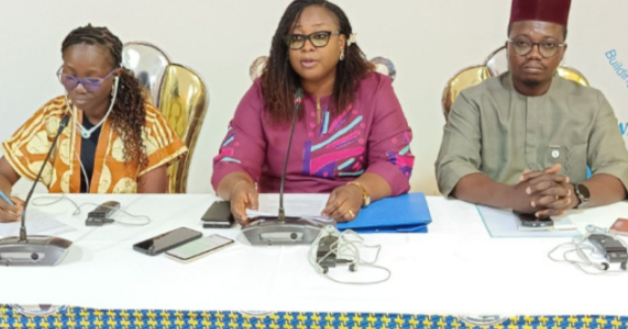
Togo has launched a formal review of its oversight framework for non‑governmental organizations (NGOs).
The West African nation’s reform, driven by anti‑money laundering and counter‑terrorism financing (AML/CFT) commitments, is being watched closely across the continent where governments increasingly wield financial regulations to reshape the role of civil society.
The review, announced by Togo’s National Financial Intelligence Unit (CENTIF), aims to align NGO regulations with standards set by the Intergovernmental Action Group against Money Laundering in West Africa (GIABA), the regional body affiliated with the Financial Action Task Force (FATF).
Under the proposed changes, NGOs would face stricter reporting requirements on funding sources, cross‑border transfers, and beneficiary declarations—rules that officials say close loopholes exploited by illicit networks.
“We are not trying to suffocate associations. We are ensuring that the space for genuine civic engagement is not abused by those who would use it to destabilize our country,” a government official told local media.
Yet for many in Togo’s civil society, the reform revives a familiar dilemma. A similar tightening in 2020 led to the suspension of dozens of organizations, and critics argue that AML frameworksthough necessary can become a pretext for restricting dissent, especially in a region where elections and governance debates remain sensitive.
Related Posts
Africa Eyes New Frontiers: Togo and Kyrgyzstan Strike Unlikely Strategic Deal in Bishkek
In a bold diplomatic pivot that is turning heads beyond the continent, Togo has signed wid...
Togo unveils new national development roadmap, launches nationwide public consultations
The government of Togo has announced the launch of a new national development roadmap aime...
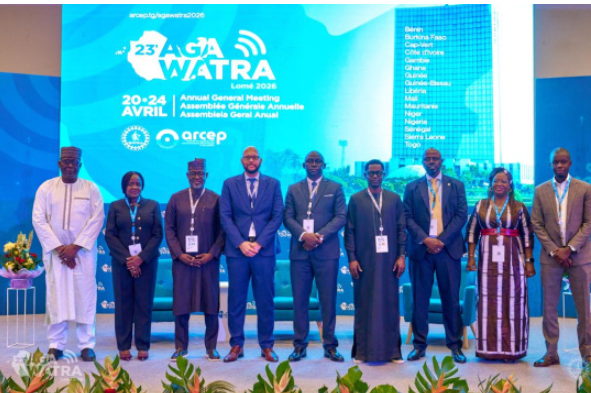
West Africa’s Internet Future at Stake: Regulators Meet in Lomé to Unlock Private Investment and Bridge Region’s Broadband Divide
Telecommunications regulators and industry leaders from across West Africa have gathered i...
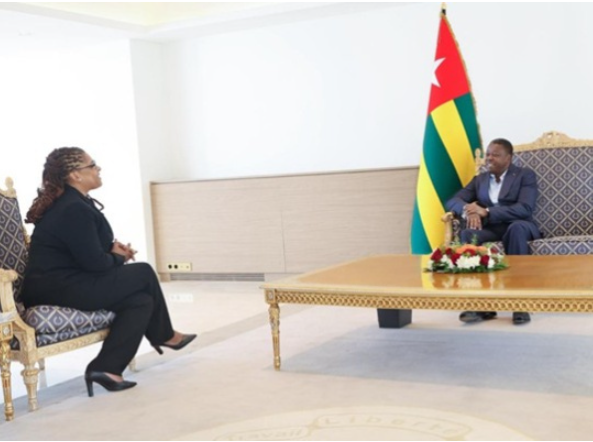
Togo and Canada Deepen Strategic Alliance as Trade, Investment and Security Talks Intensify
Togo and Canada have reaffirmed their diplomatic relationship, opening a new chapter of st...
Across Africa, the tension is playing out from Nairobi to Accra. International donors, diaspora funders, and pan‑African networks are increasingly caught between compliance demands and the need to support grassroots voices
. For Togo, with its strategic port and role in ECOWAS, the outcome of this review could set a precedent for how West African states reconcile financial security with democratic openness.
“African civil society must be transparent—no question,” said a regional advocacy coordinator who asked not to be named due to the sensitivity.
“But the way these rules are applied often ends up silencing the very groups that work with the most vulnerable. The global African community, especially diaspora organizations, needs to pay attention.”
The review process is expected to conclude in the coming months, with stakeholders including NGO networks, international partners, and the FATF‑style regional body GIABA participating.
For now, Togo’s move underscores a broader continental reality: as Africa strengthens its financial systems against abuse, the definition of “legitimate” civil society is itself up for debate.
Related Posts
Uchechi Okporie
Apr 20, 2026
Togo Crosses $160 Million Borrowing Mark in 2026 as West Africa Debt Race Intensifies
Togo has raised more than 100 billion CFA francs (about $160 million) on the regional financial market in 2026, highlighting the country’s aggressive push to finance public spending and economic development projects.
Uchechi Okporie
Apr 15, 2026
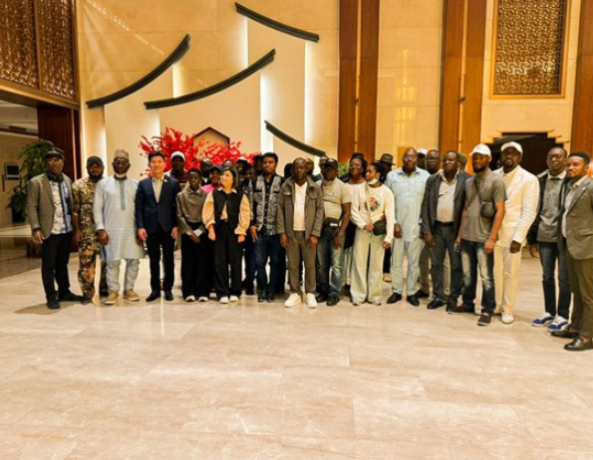
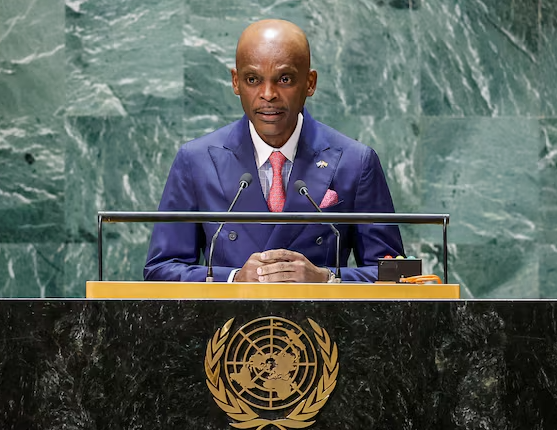
“Africa Turns East: Togolese Firms Storm China’s Hebei in Bold Economic Power Move”
In a strategic push that signals Africa’s growing economic confidence on the global stage, Togolese companies are actively seeking partnerships in China’s Hebei Province—one of the country’s industrial powerhouses.
Uchechi Okporie
Apr 14, 2026
“The Great Map Lie: Togo Confronts the World Over Decades of Shrinking Africa”
In a move that is igniting global debate and challenging centuries-old perceptions, Togo has issued a powerful appeal to the United Nations and its member states: stop using world maps that distort Africa’s true size.
Uchechi Okporie
Apr 10, 2026
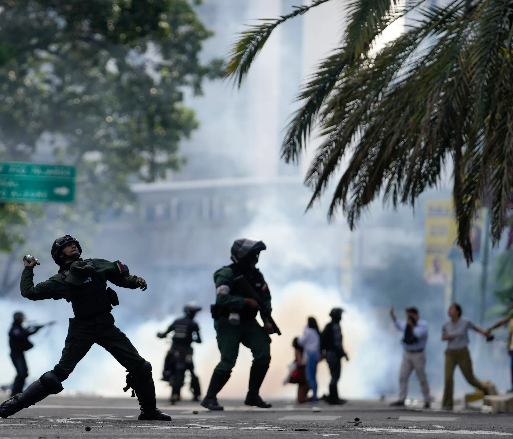
Togo on Edge as Violent Crackdown Deepens Political Rift and Sparks Fears of National Crisis
A growing political crisis is gripping Togo after a forceful crackdown by security forces on nationwide protests has left families grieving and raised alarm among rights groups and international observers.
Uchechi Okporie
Mar 26, 2026
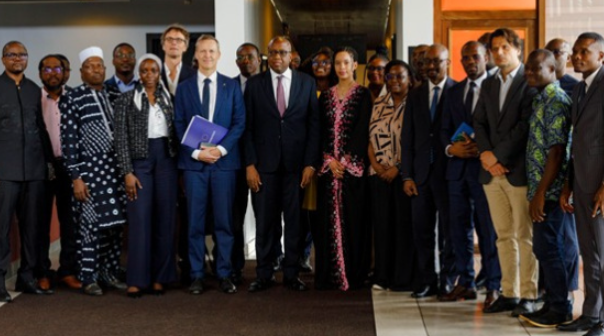
Togo Bets Big on Clean Cooking in Bid to Curb Deforestation and Health Risks
In a move that aligns with global efforts to combat climate change and improve public health, Togo has launched a nationwide clean cooking initiative designed to reduce the country’s heavy reliance on traditional biomass.
Uchechi Okporie
Mar 26, 2026
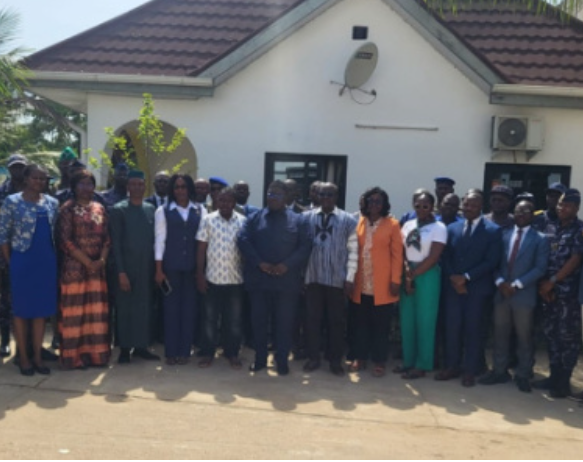
Togo’s Dirty‑Money Crackdown: Why the Tiny West African Nation Just Sent a Warning to Global Illicit Finance Network's
In a move that reverberates far beyond its narrow coastline, Togo is aggressively tightening its anti‑money laundering (AML) regime.
Uchechi Okporie
Mar 17, 2026
Nigeria Faces Scrutiny as Togo Seeks Increased Electricity Supply Amid Domestic Power Challenges
Despite poor power supply to Nigerians and allegations of Aso Rock reportedly pulling out of the national grid, Togo has approached Nigeria for an increase in electricity supply, raising fresh concerns about the country’s energy priorities.
Trending
May 10, 2026
Delta2027: I'm Opposed to Emomotimi Guwor, Joel Onowakpo - Ayiri Emami Says, His Reasons Are Explosive
Uchechi Okporie
May 05, 2026
Senator Natasha Begins Strategic Build-Up for 2027, Makes Touching Statement About Her Husband
Uchechi Okporie
May 05, 2026
Breaking: Political earthquake in Nigeria as Obi triggers mass defection wave within hours
Uchechi Okporie
May 06, 2026
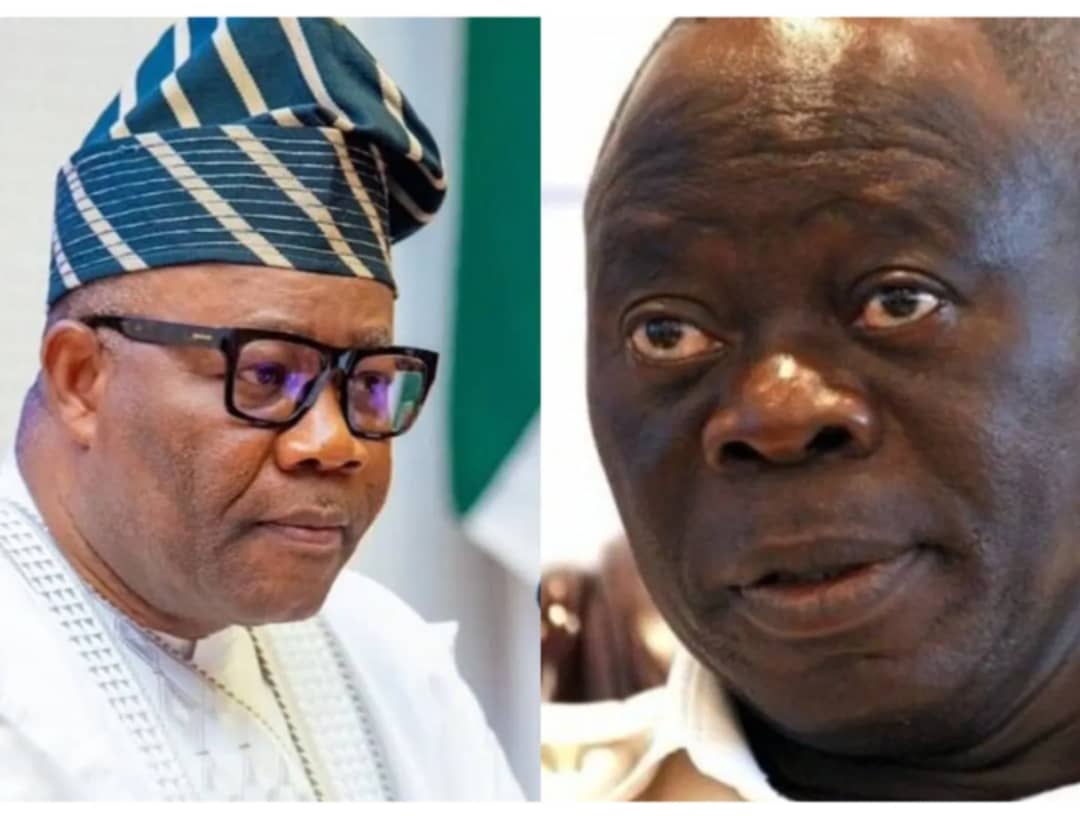
Senate Shutdown, Sitting Disrupted as Akpabio, Oshiomhole Engage in Heated Confrontation
Uchechi Okporie
May 05, 2026
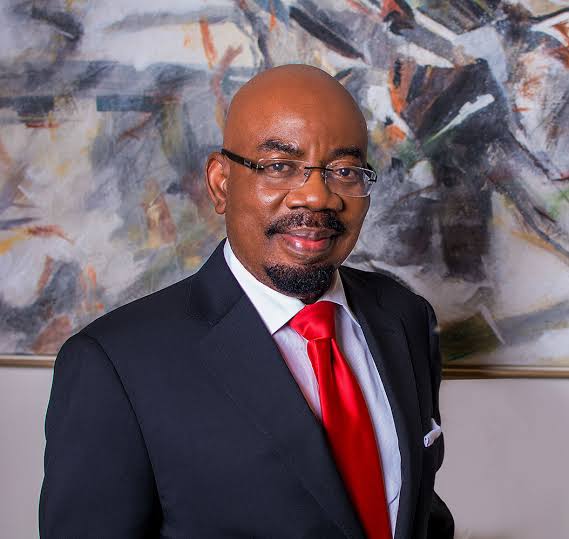
BREAKING: Zenith Bank Makes Big Announcement, Read What Happened to Jim Ovia
Chineye Egesi
May 08, 2026
President Sacks Army Chief, Finance Minister
Uchechi Okporie
May 11, 2026
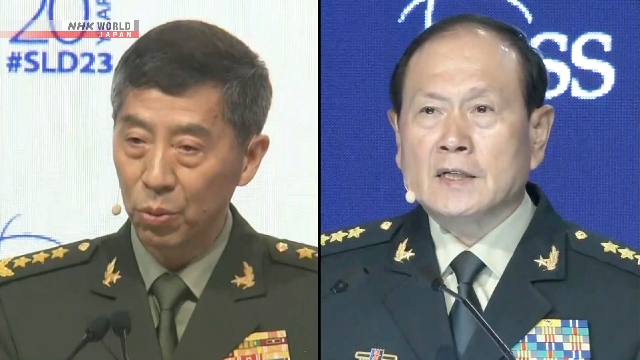
From Defense Chiefs to Convicts: China Sentences Ex-Ministers to Death in Explosive Corruption Probe
Uchechi Okporie
May 06, 2026
PDP Power War Deepens: Wike issues fiery ultimatum to Turaki faction ‘Open secretariat account or I’ll shut it down’
Uchechi Okporie
May 05, 2026
BREAKING: Diplomatic firestorm erupts as Nigeria demands justice over brutal xenophobic killings in South Africa
Uchechi Okporie
May 06, 2026
Political earthquake: Babachir Lawal claims Peter Obi never fully committed to ADC alliance
Uchechi Okporie

May 10, 2026
Nigeria’s political future in spotlight, as 30-year-old APC hopeful goes viral during parliamentary screening
Uchechi Okporie
Latest Stories
May 11, 2026
South Africa enters new political crisis as Ramaphosa refuses to quit
Uchechi Okporie
May 11, 2026
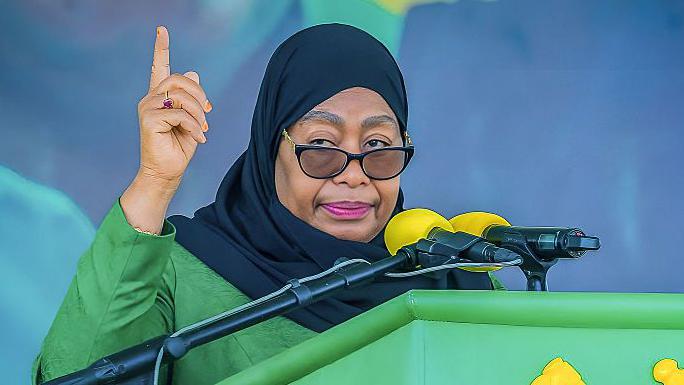
Tanzania: European Election Rights Investigation Faces Setback As President Suluhu Reportedly Blocks EU Delegation
Chineye Egesi

May 11, 2026
Supporters Hail Senator Natasha as She Submits PDP Nomination Form for 2027 Election
Chineye Egesi

May 11, 2026
Convener of March and March Movement in South Africa Fires Back at Ramaphosa As Immigration Debate Divides Residents
Chineye Egesi

May 11, 2026
Finally, a Payment App That Pays Back: Venmo’s Sexy New Look Is Turning Heads (and Wallets)
Chineye Egesi
May 11, 2026
JAMB Sets Minimum Score for 2026 University Admissions
Uchechi Okporie

May 11, 2026
Nigeria mobilises 1.4 million youth volunteers as Africa’s largest democracy prepares for crucial 2027 elections
Uchechi Okporie
May 11, 2026
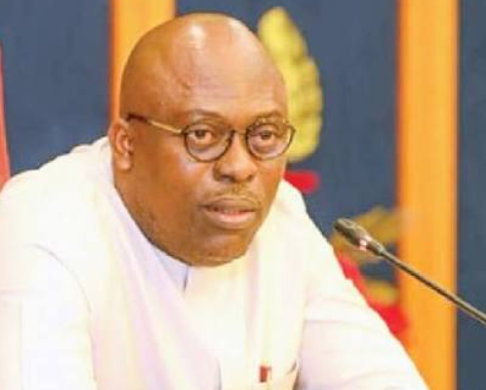
Fubara Begins Another Round of Battle in Rivers as APC Screening Committee Rejects His 63 Loyalists
Uchechi Okporie
May 11, 2026
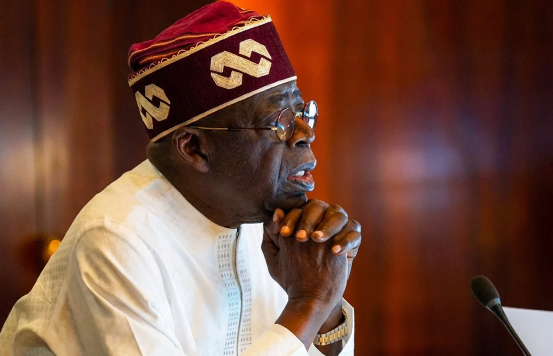
Tinubu lands in Kenya for Africa Forward Summit as leaders push new vision for Africa’s economy
Uchechi Okporie
May 11, 2026
Protect Our Families, South African Women Married to Persecuted Foreigners Cry to President Ramaphosa
Uchechi Okporie
May 11, 2026
Africa’s Powerhouse: Nigeria’s Top 10 Companies Now Worth N110 Trillion – MTN, Dangote, BUA Lead the Charge
Chineye Egesi