Why Tinubu’s Foreign Minister Resigned
 Uchechi Okporie
Mar 31, 2026
4 min read
Uchechi Okporie
Mar 31, 2026
4 min read
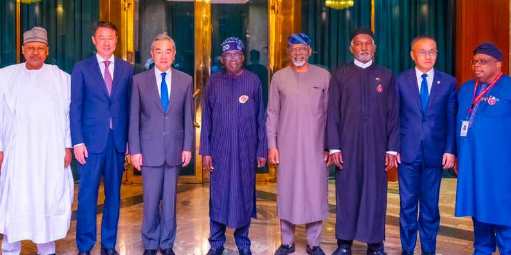
Nigeria’s Minister of Foreign Affairs, Yusuf Tuggar, resigned from office on March 30, 2026, as part of a planned political transition tied to the 2027 general elections.
The resignation is primarily linked to his intention to contest the governorship election in Bauchi State.
In Nigeria’s political landscape, it is common for serving ministers and other political appointees to step down ahead of elections in order to concentrate on their campaigns and avoid conflicts between public office and political ambition.
The move also aligns with a directive issued by President Bola Ahmed Tinubu, requiring all political appointees seeking elective positions in the 2027 elections to resign on or before the end of March 2026.
The directive is consistent with electoral guidelines designed to ensure fairness and prevent incumbents from leveraging government resources for campaign purposes.
Related Posts
BREAKING AFRICA HOUSING CRISIS: Minister Vows Urgent Action as Nigeria Faces Massive Shelter Shortfall
Nigeria’s housing crisis has taken center stage after the Minister responsible for housing...

“They Smile at Your Money, But Not at You: The Quiet Humiliation Inside Nigeria’s Banking Halls”
Step into a typical banking hall in Nigeria and observe closely—respect is not for everyon...
BREAKING: Power Struggle Erupts in Nigeria’s Opposition as New Leadership Emerges Amid Deepening Party Crisis
Nigeria’s opposition politics has been thrown into fresh uncertainty after the African Dem...
BREAKING NEWS: Nigerian President Honors Soldiers Killed in Borno Attack
Nigeria’s President Bola Ahmed Tinubu has mourned the deaths of military personnel killed...
Tuggar’s resignation was therefore not unexpected. His governorship ambition in Bauchi State had been widely anticipated, and stepping down at this stage allows him to begin early political consultations and grassroots mobilization within the state.
There is no indication that his exit was prompted by controversy, diplomatic setbacks, or internal disagreements within the administration.
Rather, it reflects a routine feature of Nigeria’s political cycle, where office holders often transition from appointed roles to elective contests.
His departure creates a vacancy in the Ministry of Foreign Affairs, necessitating the appointment of a successor to maintain continuity in Nigeria’s diplomatic engagements and foreign policy direction.
Overall, the resignation underscores the close relationship between governance and electoral politics in Nigeria, where strategic repositioning ahead of elections is a common practice among political actors.
Related Posts
Uchechi Okporie
Apr 06, 2026
Hope Rises as Tinubu Approves Sweeping ₦3.3Trillion Power Sector Reset to Drive Stable Electricity
In a decisive move to tackle one of Nigeria’s most persistent infrastructure challenges, Bola Ahmed Tinubu has approved a sweeping ₦3.3 trillion payment plan aimed at clearing long-standing debts in the country’s power sector and restoring reliable electricity nationwide.
Uchechi Okporie
Apr 02, 2026
BREAKING: Leadership War Explodes as INEC Delists ADC Faction Ahead of 2027 Elections
Nigeria’s opposition bloc, formed to challenge President Bola Tinubu in the 2027 elections, has suffered a significant setback as the Independent National Electoral Commission (INEC) removed key leadership names from its official registry a move that temporarily freezes the party’s operational status ahead of critical primaries.
Uchechi Okporie
Mar 31, 2026
BREAKING: Tinubu Seeks Senate Approval for Major $5 Billion Foreign Loan Amid Economic Strain
Nigeria’s President Bola Ahmed Tinubu has formally requested the Senate’s approval to secure a $5 billion foreign loan, a move that places renewed attention on the country’s growing debt burden and the administration’s strategy for stabilising Africa’s largest economy.
Uchechi Okporie
Mar 30, 2026
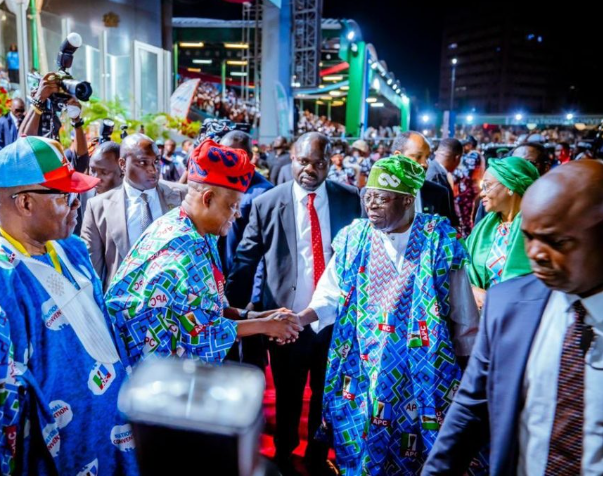
Nigeria’s Major Opposition Party Pledges National Renewal Ahead of 2027 Elections
In a move aimed at revitalizing democratic competition ahead of next year’s pivotal general elections, leading Nigerian politician Nyesom Wike has pledged to rebuild the country’s main opposition party and restore it as a voice for the people.
Uchechi Okporie
Mar 28, 2026
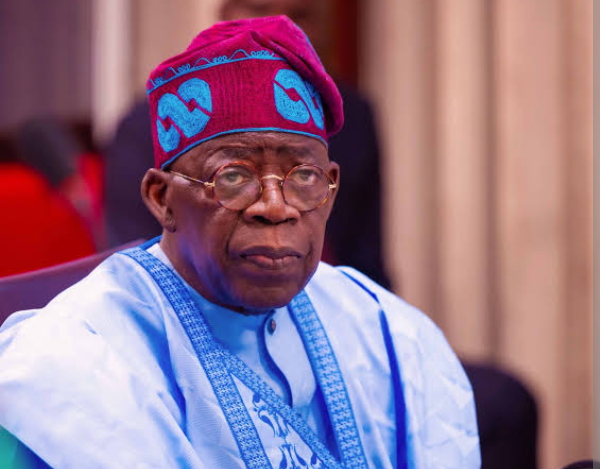
BREAKING: Abuja Partially Shut Down as APC Factions Clash Over 2027 Control
Nigeria’s capital moved into partial lockdown today as the ruling All Progressives Congress (APC) opened a tense national convention that will determine who controls the party machinery ahead of the 2027 elections.
Uchechi Okporie
Mar 19, 2026
Global Investors Rally Behind Nigeria’s Reform Drive, Shift Focus to Long-Term Capital Inflows
International partners, including UK officials and global financial institutions, emphasized that Nigeria’s large population, expanding digital economy, and improving economic indicators make it an attractive destination for investment.
Trending
May 14, 2026
Assasinate Donald Trump, Get €50m Reward, Iran Parliament Makes Big Offer to Sympathisers
Uchechi Okporie
May 16, 2026
BREAKING: Political Shockwaves Across Nigeria as 30-Year-Old Kaduna Aspirant Withdraws From Parliament Race Amid Explosive Age Eligibility Crisis
Uchechi Okporie

May 12, 2026
BREAKING: UK Minister Davis-Jones Resigns, Check Her Reasons
Uchechi Okporie
May 12, 2026
Stop Running to South Africa, Hold Your Corrupt, Dictatorial Govt Accountable - South African Citizen Tells Nigerians
Uchechi Okporie
May 17, 2026
Deadly Chaos Erupts Inside Nigeria’s Ruling Party as APC Primary Election Violence Claims Life in Plateau, Raising Fresh Fears Ahead of 2027 Power Battle
Uchechi Okporie
May 12, 2026
Atiku rejects southern presidency push, warns Nigeria’s opposition against political division ahead of 2027
Uchechi Okporie
May 12, 2026
Wike–Fubara power struggle shakes Nigeria’s Rivers State ahead of 2027 elections
Uchechi Okporie
May 12, 2026
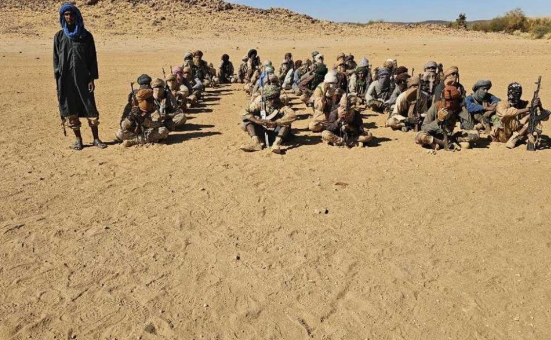
Nigeria’s Quran Oath Strategy for Reformed Terrorists Draws Global Attention as Africa Battles Extremism
Uchechi Okporie
May 17, 2026
BREAKING: Diaspora Group Erupts Over “Disrespect” to Goodluck Jonathan, Fires Warning at VeryDarkMan Amid 2027 Political Tension
Uchechi Okporie
May 16, 2026
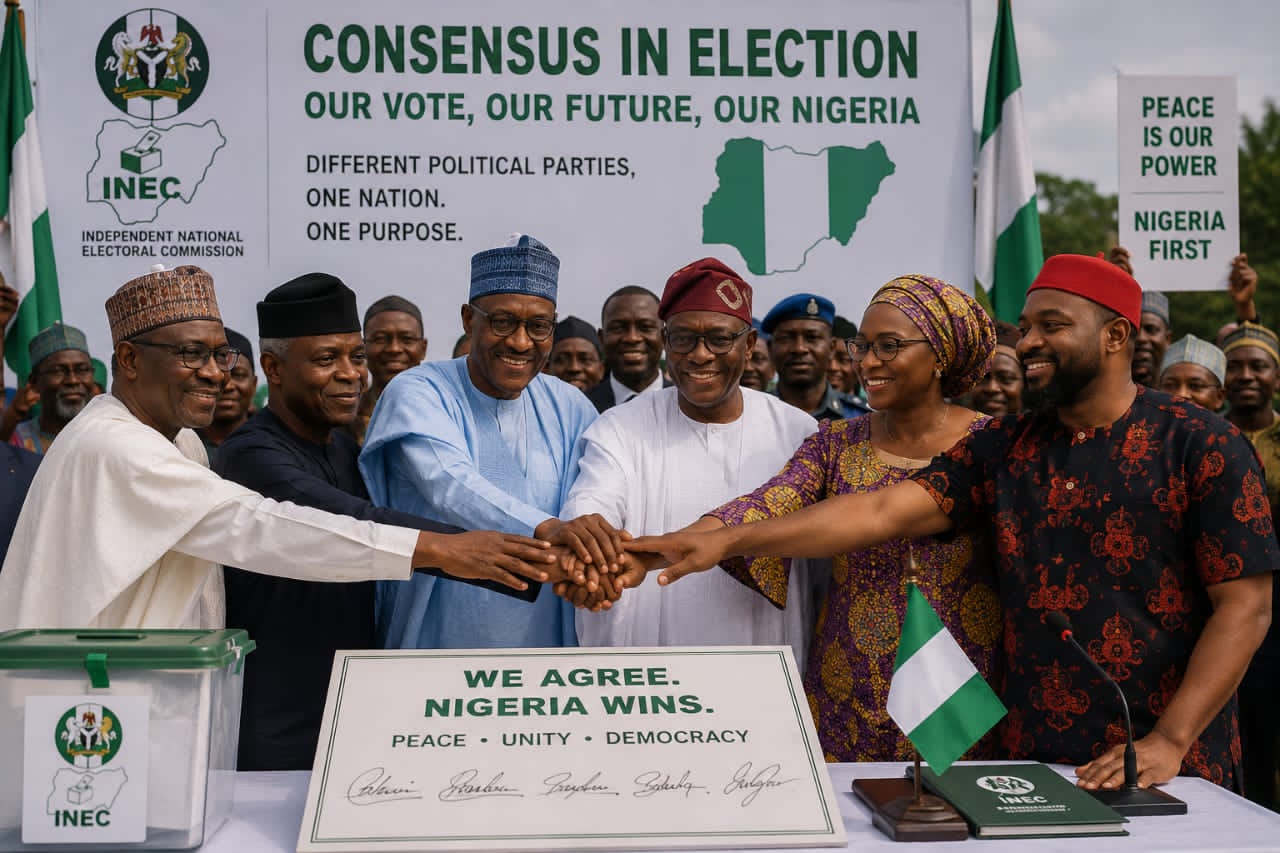
Nigeria’s South-South Political Rift Deepens as Fierce Battle Over “Consensus” Threatens Regional Unity Ahead of 2027 Elections
Uchechi Okporie

May 13, 2026
SO SAD!! Former Reps Member Dies in Kidnappers Den
Uchechi Okporie
Latest Stories
May 18, 2026
Breaking News: Nigeria’s ruling APC throws 47 senatorial aspirants out of 2027 race in dramatic political crackdown
Uchechi Okporie
May 18, 2026
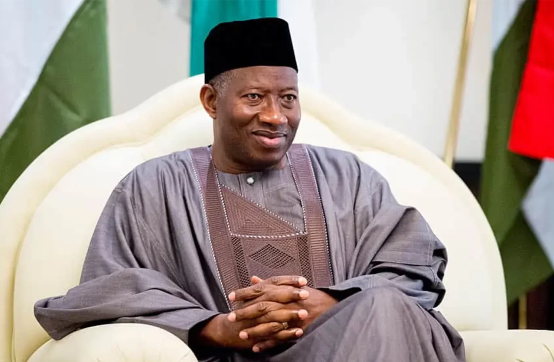
Political firestorm erupts in Nigeria as court prepares explosive ruling on Jonathan’s 2027 presidential eligibility in battle that could reshape Africa’s biggest democracy
Uchechi Okporie
May 18, 2026
Ondo Political Earthquake: Six Incumbent Reps Swept Out as APC Primary Shakes Federal Lawmakers to the Core
Chineye Egesi
May 18, 2026
APC Aspirant Rejects Ondo Rep Primary Result, Alleges Irregularities and Manipulation
Chineye Egesi
May 18, 2026
Chaos in Akure: Thugs Storm APC Secretariat, Disrupt Ondo Reps Primary Collation
Chineye Egesi
May 18, 2026
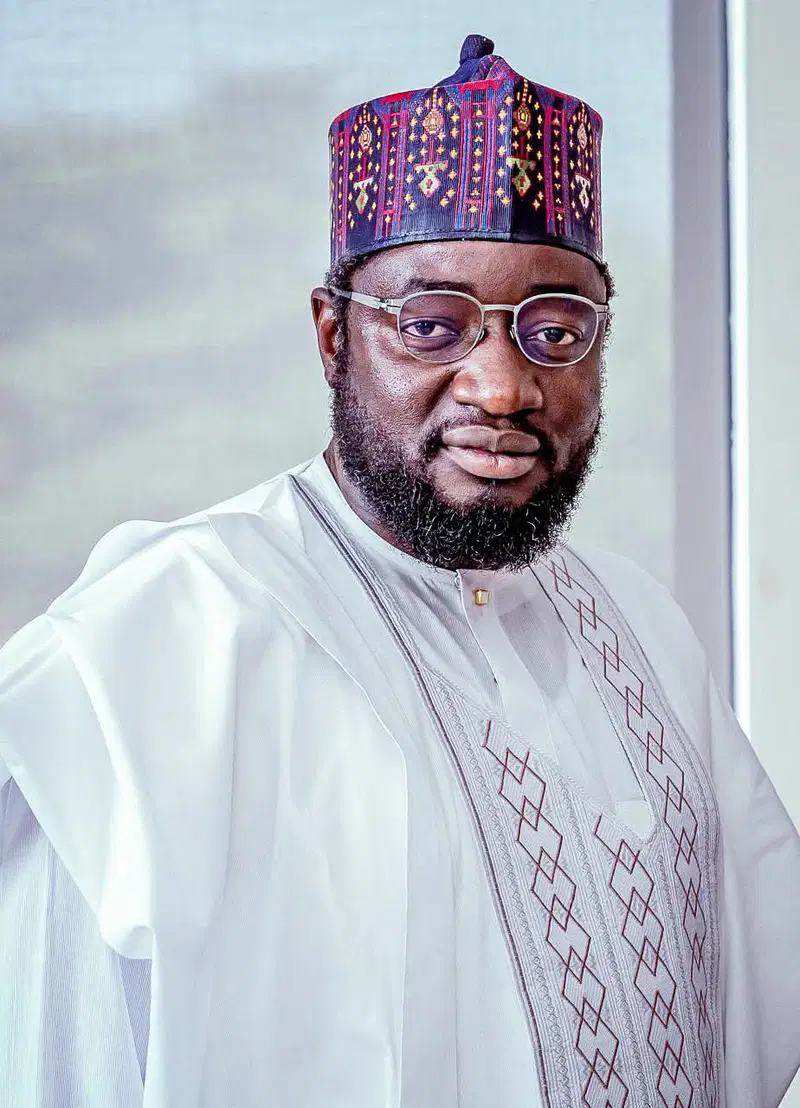
APC Overturns Plateau Reps Primary, Hands Victory to Gagdi After ‘Unauthorised’ Result
Chineye Egesi
May 18, 2026
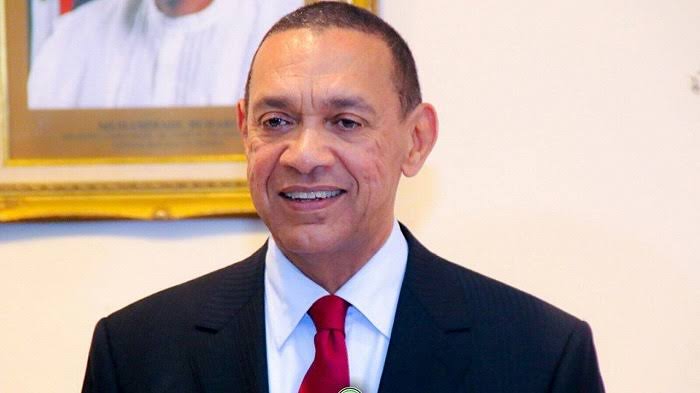
APC Shocks 46 Senatorial Hopefuls, Including Ben Murray-Bruce, Ahead of 2027 Primaries
Chineye Egesi
May 18, 2026
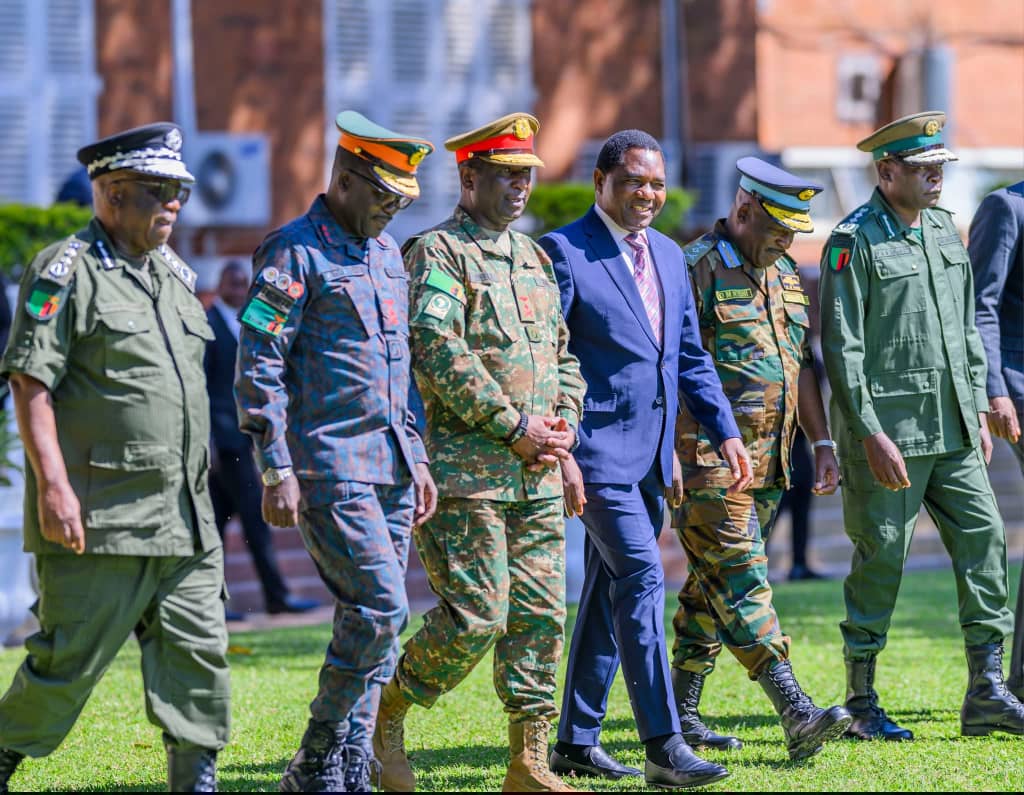
The Law Will Apply to All — Zambia President Issues Strong Warning as Elections Campaign Begins
Uchechi Okporie
May 18, 2026
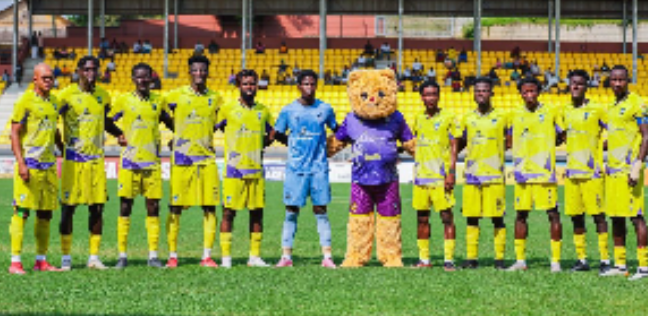
Medeama shock Ghana as they grab 2025/26 league title in fierce race
Uchechi Okporie
May 18, 2026
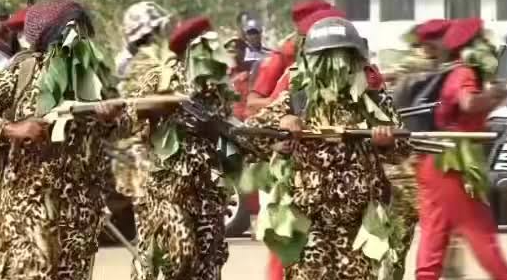
West Africa security crisis deepens as Amotekun launches forest manhunt to rescue 45 abducted Oyo schoolchildren
Uchechi Okporie

May 18, 2026
Griezmann Breaks Silence on Barcelona Betrayal, Begs Atletico Fans for Forgiveness in Emotional Farewell
Uchechi Okporie