“They Smile at Your Money, But Not at You: The Quiet Humiliation Inside Nigeria’s Banking Halls”
 Uchechi Okporie
Apr 14, 2026
3 min read
Uchechi Okporie
Apr 14, 2026
3 min read
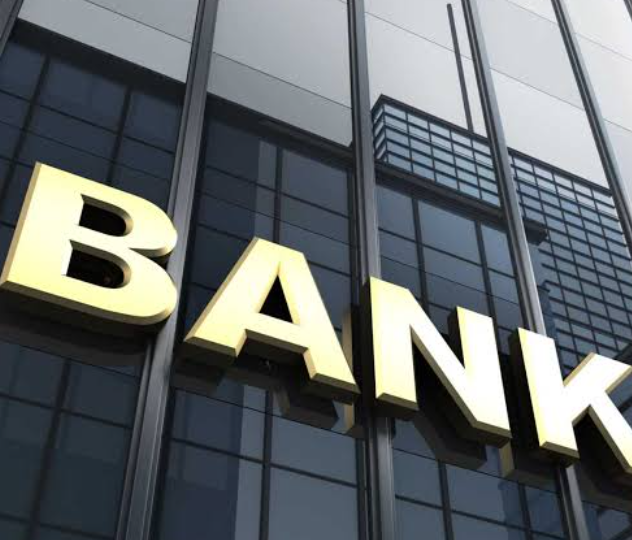
Step into a typical banking hall in Nigeria and observe closely—respect is not for everyone. It is subtle, but it is there. The difference in tone, in patience, in attention.
The well-spoken customer walks in and is greeted with warmth. The elderly woman who cannot read, the market trader who struggles with English, the man who looks unsure of the process—they are met with sighs, delays, or cold indifference.
It does not happen loudly. It happens quietly, repeatedly, and almost as if it has become normal.
For many Nigerians who are not formally educated, going to the bank is not just a financial activity—it is an experience filled with tension.
They come prepared to be confused, to be dismissed, and sometimes, to be embarrassed. Simple questions are treated like inconveniences. Requests for clarification are met with impatience. And in some cases, they are made to feel like they do not belong in a system that is supposed to serve them.
This behavior did not appear overnight. It is rooted in a deeper culture where education is mistaken for intelligence and fluency in English is mistaken for importance. Within the banking space, this mindset quietly shapes interactions. Staff, often unconsciously, categorize customers.
Those who look “easy” are attended to quickly. Those who may require more explanation are avoided or rushed through.
At the same time, the banking system itself is evolving in a direction that leaves many behind. Digital banking is expanding rapidly. Mobile apps, online transfers, USSD codes—these are now the standard. But not everyone understands them. Not everyone can use them.
Related Posts
Nigeria’s Most Valuable Bank Does It Again — Five Years Running (Check if it's your bank)
Access Bank Plc has once again been named Nigeria’s most valuable brand, marking its fifth...
BREAKING: Power Struggle Erupts in Nigeria’s Opposition as New Leadership Emerges Amid Deepening Party Crisis
Nigeria’s opposition politics has been thrown into fresh uncertainty after the African Dem...
BREAKING NEWS: Nigerian President Honors Soldiers Killed in Borno Attack
Nigeria’s President Bola Ahmed Tinubu has mourned the deaths of military personnel killed...
Hope Rises as Tinubu Approves Sweeping ₦3.3Trillion Power Sector Reset to Drive Stable Electricity
In a decisive move to tackle one of Nigeria’s most persistent infrastructure challenges, B...
For those who cannot read or navigate technology, the bank counter remains their only option. And yet, that counter is where they are least welcomed.
There is a painful irony in all of this. Some of the banks with the most complaints about poor networks or slower services are often the ones where customers feel more respected. In those spaces, staff take their time. They explain. They listen. They understand that every customer matters, not just the convenient ones.
Why? Because they have something to prove. They know they cannot afford to treat people as disposable. Larger banks, on the other hand, operate at a scale where speed has become the priority. Staff are under pressure to move queues, meet targets, and push customers toward digital platforms. In that environment, patience becomes rare. Empathy becomes optional.
And customers who need extra time become obstacles. But banking is not supposed to be a race. It is a service built on trust. When a customer walks into a bank, they are not just bringing money—they are bringing confidence in the system.
When that confidence is met with disrespect, something deeper is broken. It sends a message that some people are more valued than others. That some voices deserve attention, while others should simply endure.
This is where the real problem lies. Not in the long queues or the slow systems, but in the quiet acceptance of unequal treatment. A truly modern banking system is not defined by its apps or technology, but by its ability to carry everyone along. The educated and the uneducated. The fast and the slow. The confident and the confused.
Until that happens, many Nigerians will continue to enter banking halls with one expectation—not to be served, but to survive the experience. And that, more than anything else, is the real failure.
Related Posts
Uchechi Okporie
Apr 02, 2026
BREAKING: Leadership War Explodes as INEC Delists ADC Faction Ahead of 2027 Elections
Nigeria’s opposition bloc, formed to challenge President Bola Tinubu in the 2027 elections, has suffered a significant setback as the Independent National Electoral Commission (INEC) removed key leadership names from its official registry a move that temporarily freezes the party’s operational status ahead of critical primaries.
Uchechi Okporie
Mar 31, 2026
BREAKING: Tinubu Seeks Senate Approval for Major $5 Billion Foreign Loan Amid Economic Strain
Nigeria’s President Bola Ahmed Tinubu has formally requested the Senate’s approval to secure a $5 billion foreign loan, a move that places renewed attention on the country’s growing debt burden and the administration’s strategy for stabilising Africa’s largest economy.
Uchechi Okporie
Mar 31, 2026
Why Tinubu’s Foreign Minister Resigned
Nigeria’s Minister of Foreign Affairs, Yusuf Tuggar, resigned from office on March 30, 2026, as part of a planned political transition tied to the 2027 general elections.
Uchechi Okporie
Mar 30, 2026
Nigeria’s Major Opposition Party Pledges National Renewal Ahead of 2027 Elections
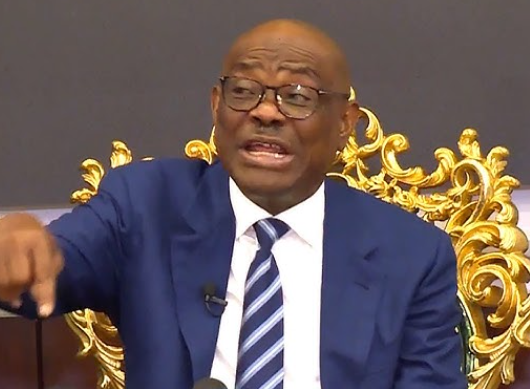
In a move aimed at revitalizing democratic competition ahead of next year’s pivotal general elections, leading Nigerian politician Nyesom Wike has pledged to rebuild the country’s main opposition party and restore it as a voice for the people.
Uchechi Okporie
Mar 28, 2026
BREAKING: Abuja Partially Shut Down as APC Factions Clash Over 2027 Control
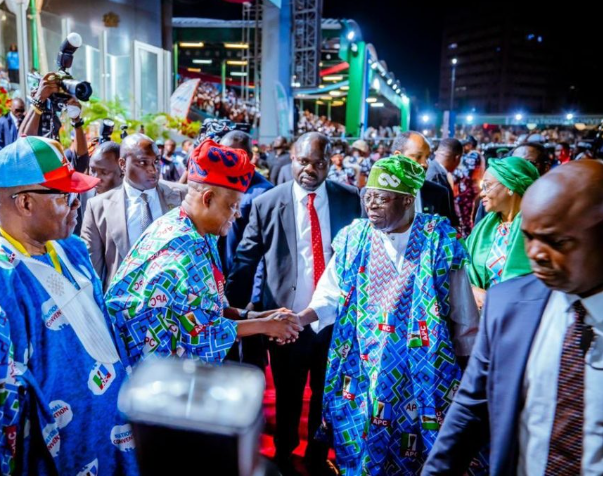
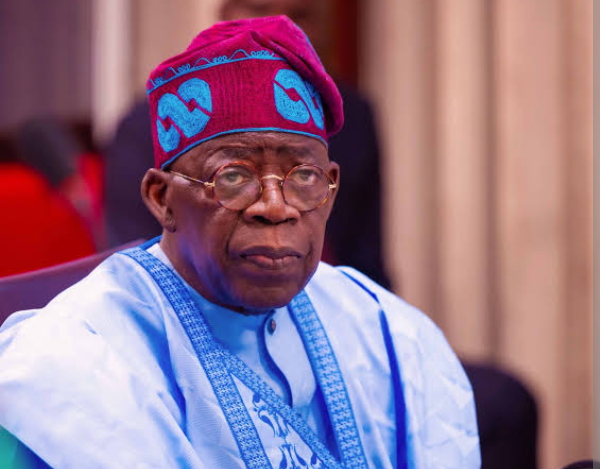
Nigeria’s capital moved into partial lockdown today as the ruling All Progressives Congress (APC) opened a tense national convention that will determine who controls the party machinery ahead of the 2027 elections.
Uchechi Okporie
Mar 19, 2026
Global Investors Rally Behind Nigeria’s Reform Drive, Shift Focus to Long-Term Capital Inflows
International partners, including UK officials and global financial institutions, emphasized that Nigeria’s large population, expanding digital economy, and improving economic indicators make it an attractive destination for investment.
Trending
Apr 11, 2026
BREAKING NEWS: Gunmen Kill Imo Monarch, Five Others, Burn Bodies in Deadly Ambush
Uchechi Okporie
Apr 12, 2026
BREAKING NEWS: He Gave Up Everything… What Followed Is Shaking Thousands Right Now
Uchechi Okporie
Apr 13, 2026
Tragedy in Northeast Nigeria as Airstrike Hits Civilian Market, Reportedly Kills 200 People - Reuters Reports
Uchechi Okporie

Apr 10, 2026
Togo Positions Port of Lomé as Alternative for Global Trade Amid Rising Tensions in Strait of Hormuz
Uchechi Okporie
Apr 08, 2026
Nigerian Statesman Chuba Okadigbo’s 1992 Remark on Bola Tinubu Foretold Current Presidency, Says Lagos Official
Uchechi Okporie
Apr 10, 2026
Iran Guards Block Botswana Vessels, Allow Gabon, South Africa Past Strait of Hormuz as Fragile Ceasefire Persist
Uchechi Okporie

Apr 09, 2026
Police, Kidnappers Exchange Gunfire, Neutralise 2 Hoodlums, Rescue Victims in Delta
Uchechi Okporie
Apr 10, 2026
Ughelli Reps: Trouble for Waive as His Political Capital, Top Ranking GOs, Archbishops, Bishops, Pastors Disown Him, Move 2027 Support to Ominimini
Uchechi Okporie
Apr 09, 2026
Nigerians Mount Pressure on Jonathan Ahead of 2027 Elections
 Admin User
Apr 09, 2026
A Wave of Discontent: Inside the Coordinated Backlash Against Delta’s Three Senators
Uchechi Okporie
Apr 13, 2026
BREAKING: Israeli Prime Minister, Benjamin Netanyahu, Sentenced to 5000 Years in Prison, and here's why
Admin User
Latest Stories
Apr 15, 2026
BREAKING: Nigeria Opposition Party Challenges INEC in Court as 2027 Election Tensions Ignite Political Storm
Uchechi Okporie
Apr 15, 2026
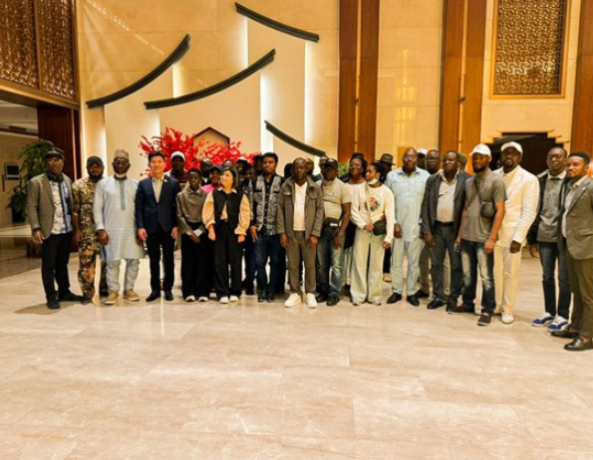
“Africa Turns East: Togolese Firms Storm China’s Hebei in Bold Economic Power Move”
Uchechi Okporie
Apr 15, 2026
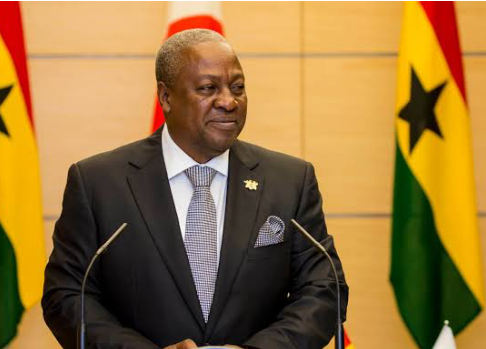
So Sad!! Ghana President Weeps, Turns to Prayers for Nigeria's Future (Read President Mahama's Emotional Statement in Accra)
Uchechi Okporie
Apr 15, 2026
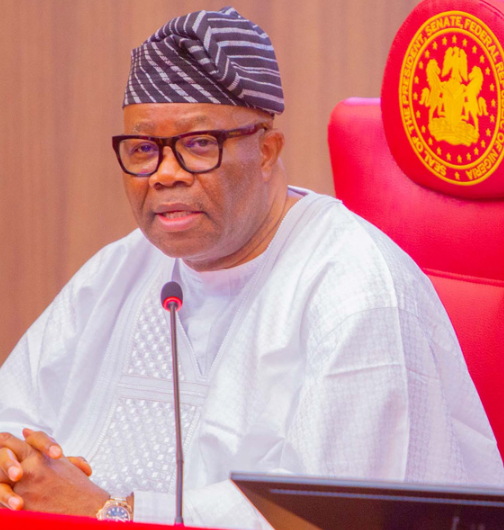
There was a time Nigerians were ready to pay N10k per litre of fuel but not available - Akpabio says
Uchechi Okporie
Apr 15, 2026
Nigeria’s Most Valuable Bank Does It Again — Five Years Running (Check if it's your bank)
Uchechi Okporie
Apr 14, 2026
“The Great Map Lie: Togo Confronts the World Over Decades of Shrinking Africa”
Uchechi Okporie
Apr 14, 2026
“Africa’s Giant Makes a Bold Claim: Nigeria Set to Outpace US and UK in Surprise Economic Surge”
Uchechi Okporie
Apr 14, 2026
“They Smile at Your Money, But Not at You: The Quiet Humiliation Inside Nigeria’s Banking Halls”
Uchechi Okporie
Apr 14, 2026
“Shockwaves in Ghana: Anti-Corruption Agency Raids Former State Industry Chief’s Home in Dramatic Crackdown”
Uchechi Okporie

Apr 14, 2026
“Vanished After Graduation: Fear and Pressure Mount as Nigerian Alumni Demand Answers in Shocking Kidnap Case”
Uchechi Okporie
Apr 14, 2026
Benin Breaks the Mold: 49-Year-Old Romuald Wadagni Sweeps to Power in a Generational Shift
Uchechi Okporie