Hope Rises as Tinubu Approves Sweeping ₦3.3Trillion Power Sector Reset to Drive Stable Electricity
 Uchechi Okporie
Apr 06, 2026
3 min read
Uchechi Okporie
Apr 06, 2026
3 min read
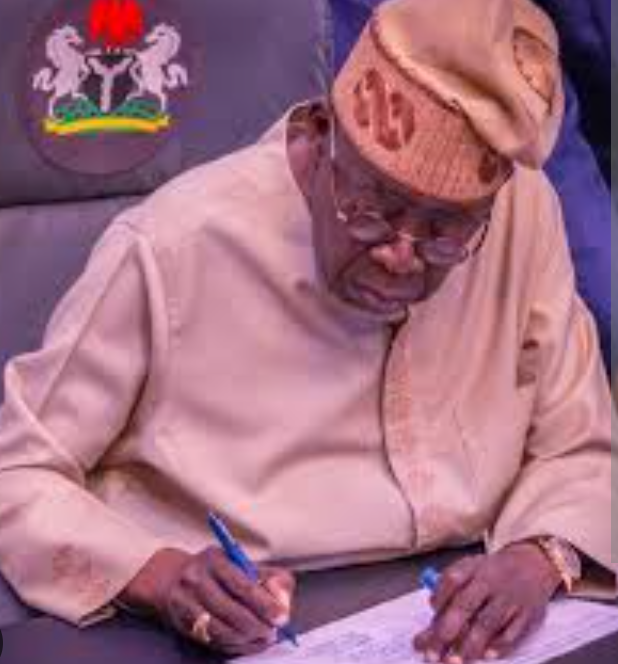
In a decisive move to tackle one of Nigeria’s most persistent infrastructure challenges, Bola Ahmed Tinubu has approved a sweeping ₦3.3 trillion payment plan aimed at clearing long-standing debts in the country’s power sector and restoring reliable electricity nationwide.
The intervention, executed under the Presidential Power Sector Financial Reforms Programme, represents the most comprehensive effort in over a decade to resolve financial bottlenecks that have crippled electricity generation and supply.
The debts, accumulated between 2015 and 2025, have constrained operations across the power value chain, from gas suppliers to generation companies.
Following a detailed audit and verification process, the Federal Government has agreed on ₦3.3 trillion as a full and final settlement, signaling a commitment to transparency, accountability, and sector-wide reset.
Implementation is already underway. Fifteen power generation companies have signed settlement agreements valued at ₦2.3 trillion, marking a critical first phase of the programme.
To fund the rollout, the government has mobilized ₦501 billion, with ₦223 billion already disbursed and additional payments in progress.
This injection of liquidity is expected to immediately ease operational pressures on power plants, many of which have struggled with cash flow constraints that limit their ability to generate at optimal capacity.
The impact of the intervention is expected to ripple across the entire electricity ecosystem.
Related Posts
BREAKING AFRICA HOUSING CRISIS: Minister Vows Urgent Action as Nigeria Faces Massive Shelter Shortfall
Nigeria’s housing crisis has taken center stage after the Minister responsible for housing...
“They Smile at Your Money, But Not at You: The Quiet Humiliation Inside Nigeria’s Banking Halls”
Step into a typical banking hall in Nigeria and observe closely—respect is not for everyon...
BREAKING: Power Struggle Erupts in Nigeria’s Opposition as New Leadership Emerges Amid Deepening Party Crisis
Nigeria’s opposition politics has been thrown into fresh uncertainty after the African Dem...
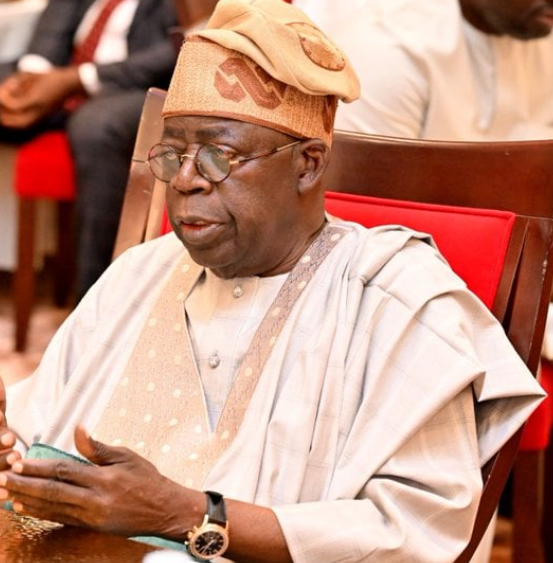
BREAKING NEWS: Nigerian President Honors Soldiers Killed in Borno Attack
Nigeria’s President Bola Ahmed Tinubu has mourned the deaths of military personnel killed...
As funds reach generation companies and upstream suppliers, power plants will be better positioned to operate consistently, gas suppliers will receive overdue payments to ensure steady fuel supply, and electricity generation is expected to stabilize and gradually increase.
For households and businesses, this translates into a more dependable power supply, reducing reliance on costly alternatives and improving overall quality of life and productivity.
According to Olu Arowolo-Verheijen, Special Adviser on Energy to the President, the initiative goes beyond debt repayment.
She explained that the programme is designed to restore confidence across the power sector by ensuring that every player, from gas suppliers to power plants, can operate sustainably, laying the foundation for a more reliable system.
She added that the reform forms part of a broader transformation agenda, including improved metering systems and service-based tariffs that align electricity pricing with the quality of supply delivered.
The administration is also prioritizing electricity access for industries, manufacturers, and small businesses, recognizing that reliable power is essential for job creation, productivity, and economic growth in Nigeria.
President Tinubu has commended stakeholders across the public and private sectors for their role in advancing the reform and confirmed that the next phase of the programme, Series II—will commence within the current quarter.
Related Posts
Uchechi Okporie
Apr 02, 2026
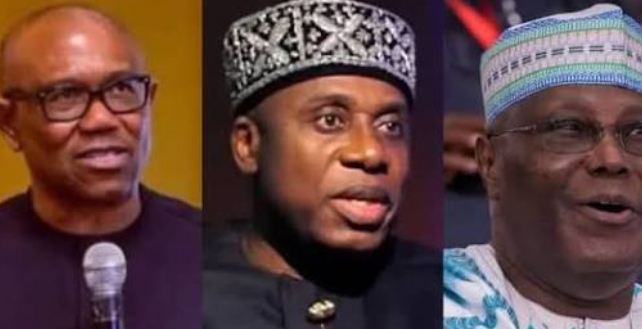
BREAKING: Leadership War Explodes as INEC Delists ADC Faction Ahead of 2027 Elections
Nigeria’s opposition bloc, formed to challenge President Bola Tinubu in the 2027 elections, has suffered a significant setback as the Independent National Electoral Commission (INEC) removed key leadership names from its official registry a move that temporarily freezes the party’s operational status ahead of critical primaries.
Uchechi Okporie
Mar 31, 2026
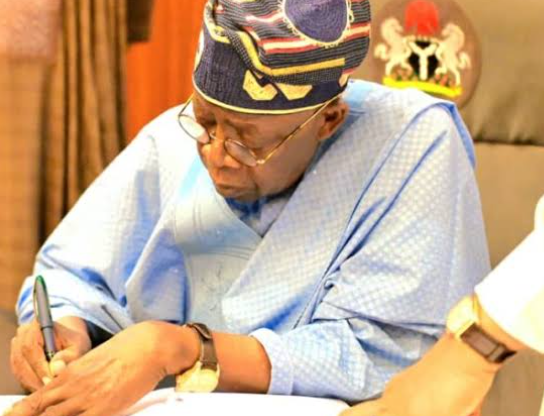
BREAKING: Tinubu Seeks Senate Approval for Major $5 Billion Foreign Loan Amid Economic Strain
Nigeria’s President Bola Ahmed Tinubu has formally requested the Senate’s approval to secure a $5 billion foreign loan, a move that places renewed attention on the country’s growing debt burden and the administration’s strategy for stabilising Africa’s largest economy.
Uchechi Okporie
Mar 31, 2026
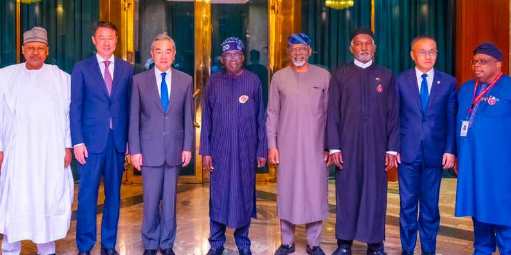
Why Tinubu’s Foreign Minister Resigned
Nigeria’s Minister of Foreign Affairs, Yusuf Tuggar, resigned from office on March 30, 2026, as part of a planned political transition tied to the 2027 general elections.
Uchechi Okporie
Mar 30, 2026
Nigeria’s Major Opposition Party Pledges National Renewal Ahead of 2027 Elections
In a move aimed at revitalizing democratic competition ahead of next year’s pivotal general elections, leading Nigerian politician Nyesom Wike has pledged to rebuild the country’s main opposition party and restore it as a voice for the people.
Uchechi Okporie
Mar 28, 2026
BREAKING: Abuja Partially Shut Down as APC Factions Clash Over 2027 Control
Nigeria’s capital moved into partial lockdown today as the ruling All Progressives Congress (APC) opened a tense national convention that will determine who controls the party machinery ahead of the 2027 elections.
Uchechi Okporie
Mar 19, 2026
Global Investors Rally Behind Nigeria’s Reform Drive, Shift Focus to Long-Term Capital Inflows
International partners, including UK officials and global financial institutions, emphasized that Nigeria’s large population, expanding digital economy, and improving economic indicators make it an attractive destination for investment.
Trending
May 19, 2026
BREAKING: APC bloodbath rocks Nigeria as governors seize Senate tickets and political titans suffer humiliating collapse ahead of 2027 war
Uchechi Okporie
May 19, 2026
Tension Rises as APC Headquarters Disowns Purported Senatorial Primary Results, Says Unauthorized Announcement Violates NWC Directive
Uchechi Okporie
May 20, 2026
BREAKING: Jonathan Secures Historic PDP Waiver as Turaki Power Bloc Unifies Behind Him, Clearing Path to Near-Uncontested 2027 Presidential Run
Uchechi Okporie
May 16, 2026
BREAKING: Political Shockwaves Across Nigeria as 30-Year-Old Kaduna Aspirant Withdraws From Parliament Race Amid Explosive Age Eligibility Crisis
Uchechi Okporie
May 19, 2026
Delta APC Primary Crisis Deepens as Ned Nwoko's Camp Demands Okowa’s Disqualification Over Violation of NWC Directives
Uchechi Okporie
May 17, 2026
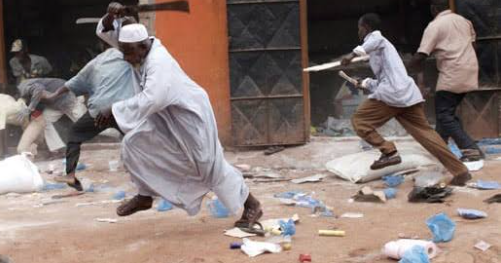
Deadly Chaos Erupts Inside Nigeria’s Ruling Party as APC Primary Election Violence Claims Life in Plateau, Raising Fresh Fears Ahead of 2027 Power Battle
Uchechi Okporie
May 19, 2026
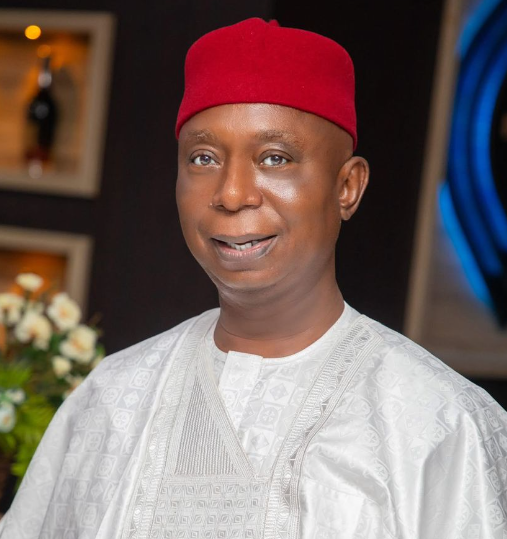
BREAKING: Fierce Delta North APC battle deepens as Ned Nwoko declares commanding primary victory, dismisses fake results and renews Anioma State mission
Uchechi Okporie
May 17, 2026
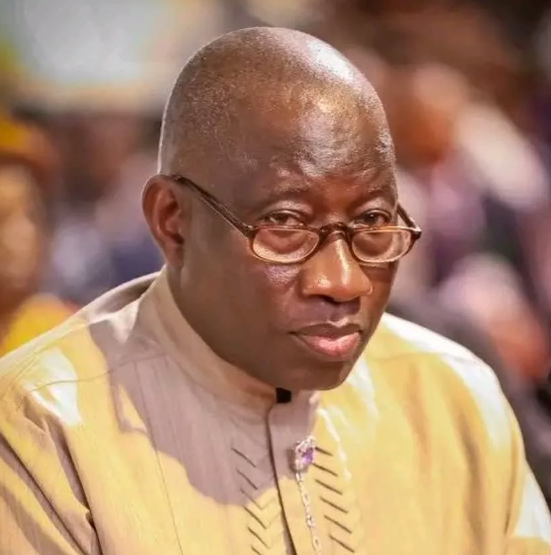
BREAKING: Diaspora Group Erupts Over “Disrespect” to Goodluck Jonathan, Fires Warning at VeryDarkMan Amid 2027 Political Tension
Uchechi Okporie
May 18, 2026
Breaking News: Nigeria’s ruling APC throws 47 senatorial aspirants out of 2027 race in dramatic political crackdown
Uchechi Okporie
May 16, 2026
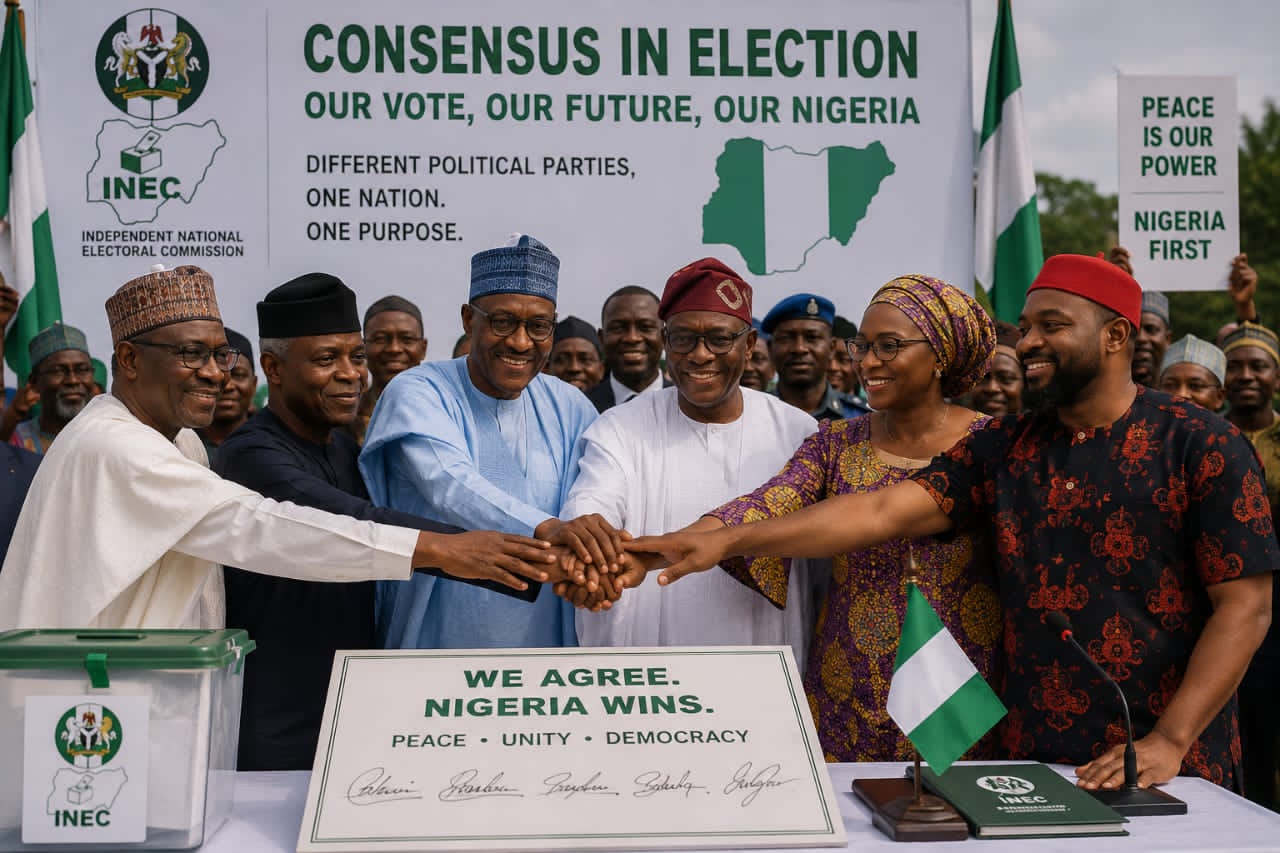
Nigeria’s South-South Political Rift Deepens as Fierce Battle Over “Consensus” Threatens Regional Unity Ahead of 2027 Elections
Uchechi Okporie
May 17, 2026
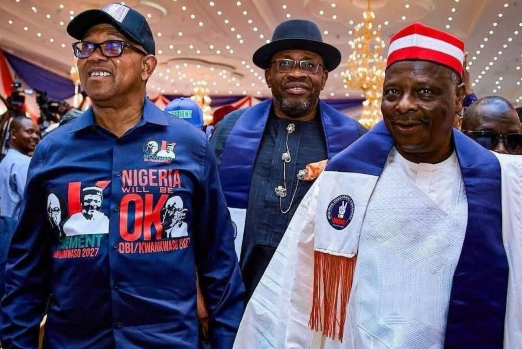
Breaking: Political Earthquake Brewing in Nigeria as Obidient and Kwankwasiyya Forces Raise Massive ₦60 Million Campaign War Chest Ahead of Explosive 2027 Power Battle
Uchechi Okporie
Latest Stories
May 21, 2026
Delta North APC Primaries Heavily Rigged, Results Fabricated, Votes Far Exceeded Number of Registered Members - Group Reveals
 Admin User
May 21, 2026
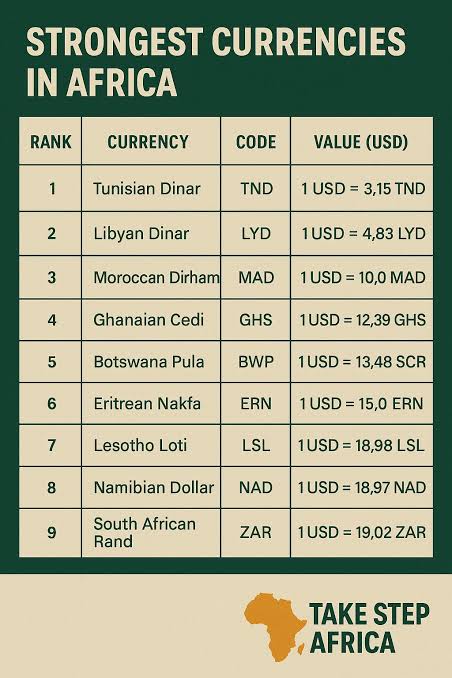
Explainer: Why African Currencies Keep Losing Value Against The Dollar
Admin User

May 21, 2026
Nigeria unleashes 492 deep blue commandos in full-scale maritime crackdown to dismantle piracy empires across bakassi and gulf of guinea waters
Uchechi Okporie
May 21, 2026
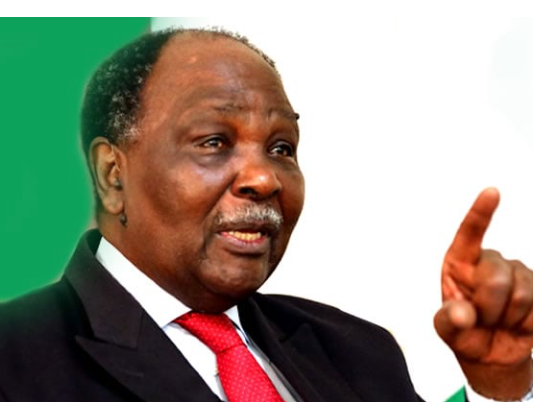
Aburi accord bombshell: Gowon reignites explosive claim that Ojukwu derailed final peace deal as Nigeria slipped into civil war amid collapsed negotiations
Uchechi Okporie
May 21, 2026
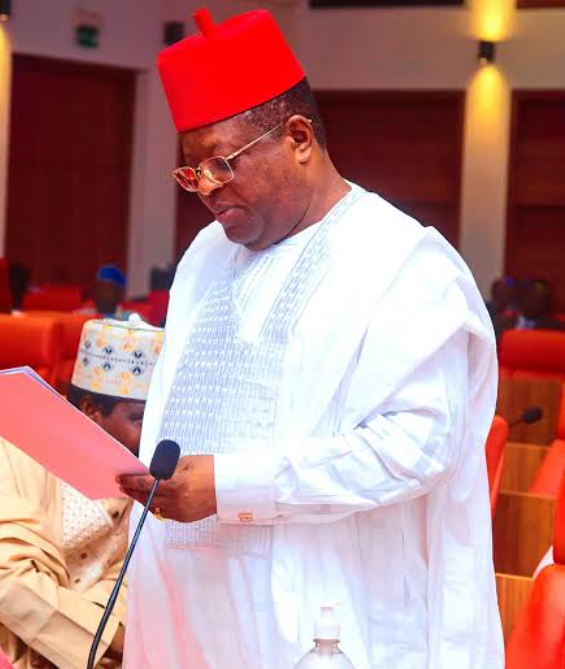
Umahi storms political stage, declares overwhelming Tinubu victory as Ebonyi eyes 95% vote landslide in 2027
Uchechi Okporie
May 21, 2026
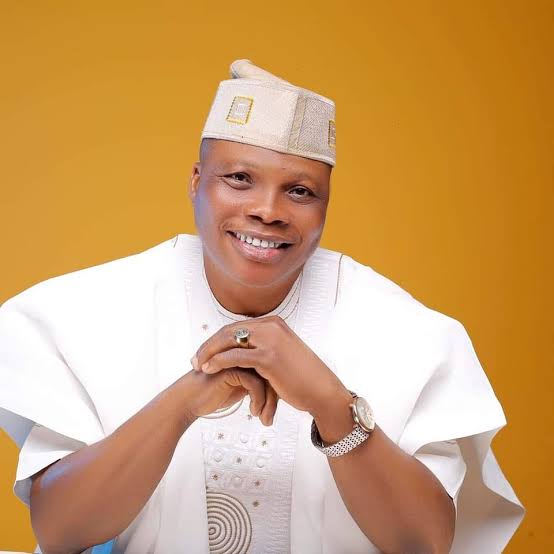
BREAKING : Lagos Assembly Spokesperson Ogundipe Wins APC Ticket for Second Term, Vows Inclusive Representation
Chineye Egesi
May 21, 2026
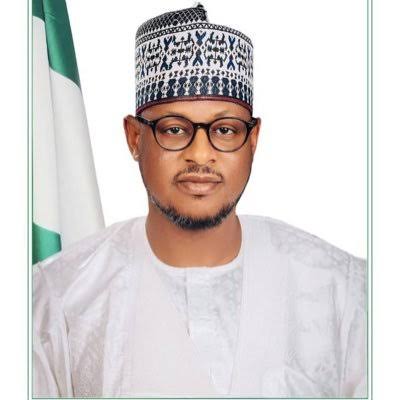
Unanimous Endorsement: Governor Radda Clinches APC Consensus Ticket for Katsina 2027
Chineye Egesi
May 21, 2026
BREAKING: Germany trigger worldwide football explosion as legendary Neuer returns for make-or-break World Cup war
Uchechi Okporie
May 21, 2026
Kwara APC Governorship Primary Suddenly Postponed a Day After Scheduled Date
Chineye Egesi
May 21, 2026
Benue at a Crossroads: APC Aspirant Kuraun Blames Decades of Failed Leadership for State’s Crisis
Chineye Egesi
May 21, 2026
Kefas hails flawless APC primaries in Taraba, calls peaceful process a turning point for political stability
Uchechi Okporie