Turning Point in Cameroon: 93-Year-Old President Biya Approves First-Ever Vice President Role After 43 Years in Office
 Uchechi Okporie
Apr 06, 2026
3 min read
Uchechi Okporie
Apr 06, 2026
3 min read
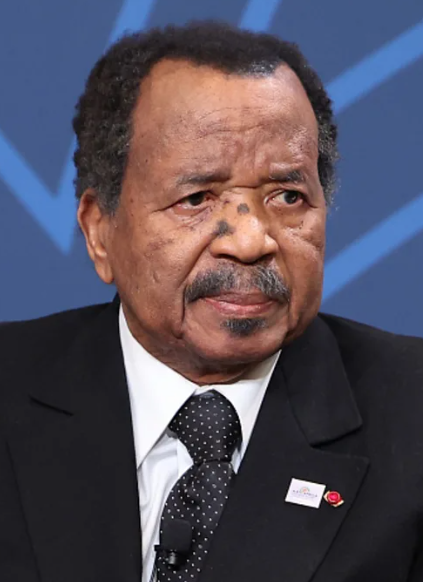
At 93, Paul Biya, the long-serving President of Cameroon, is poised to make a historic shift in governance by appointing a deputy for the first time in his 43 years in power. This development follows the recent passage of a bill by Cameroon’s parliament authorizing the creation of the position of Vice President, an office that did not previously exist within the country’s executive structure.
The newly enacted legislation stipulates that the Vice President will serve as the immediate constitutional successor to the president. In the event that the sitting head of state becomes incapacitated, resigns, or is otherwise unable to fulfill his duties, the vice president will automatically assume presidential authority.
This marks a significant departure from Cameroon’s previous succession framework, where power would typically transfer to the Senate President on an interim basis pending fresh elections.
The reform is widely interpreted as an effort to institutionalize a more predictable and stable transition process in a political system that has long been characterized by ambiguity around succession.
For decades, questions have lingered over what would happen in a post-Biya era, given both his advanced age and the absence of a clearly designated successor within the ruling structure.
Analysts suggest that the introduction of a Vice President role could help mitigate potential power struggles among political elites, reduce uncertainty within state institutions, and reassure both domestic and international stakeholders concerned about continuity in governance.
Related Posts
Washington Unveils New Africa Counterterror Strategy as Security Threats Reshape US-Africa Agenda
The United States is placing Africa’s growing terrorism crisis at the center of its diplom...
Pope Leo Arrives in Cameroon for Historic Peace Mission as Clash With Trump Draws Global Spotlight
Pope Leo XIV has arrived in Cameroon for a major peace mission aimed at helping ease tensi...
Historic Breakthrough: African Country Launches War Against Continent's Deadliest Disease
The initiative introduces the groundbreaking RTS malaria vaccine into the country’s routin...
However, some critics argue that the move may also be strategically designed to allow the incumbent greater control over succession by handpicking a loyal deputy who could preserve the current political order.
Paul Biya has ruled Cameroon since 1982, making him one of Africa’s longest-serving leaders and the oldest sitting president in the world. His tenure has spanned significant political, economic, and social transformations, but it has also been marked by persistent concerns over democratic governance, opposition suppression, and constitutional rigidity.
While the government has framed the reform as a step toward modernization and institutional strengthening, its implications remain the subject of ongoing debate.
Observers will be closely watching how the Vice President is selected, what powers are formally assigned to the role, and whether this change signals a genuine transition plan or a recalibration of existing power dynamics.
Ultimately, the establishment of a vice-presidential office introduces a new chapter in Cameroon’s political evolution, one that could shape the country’s leadership trajectory for years to come.
Related Posts
No related posts found.
Trending
May 19, 2026
BREAKING: APC bloodbath rocks Nigeria as governors seize Senate tickets and political titans suffer humiliating collapse ahead of 2027 war
Uchechi Okporie
May 19, 2026
Tension Rises as APC Headquarters Disowns Purported Senatorial Primary Results, Says Unauthorized Announcement Violates NWC Directive
Uchechi Okporie
May 20, 2026
BREAKING: Jonathan Secures Historic PDP Waiver as Turaki Power Bloc Unifies Behind Him, Clearing Path to Near-Uncontested 2027 Presidential Run
Uchechi Okporie
May 16, 2026
BREAKING: Political Shockwaves Across Nigeria as 30-Year-Old Kaduna Aspirant Withdraws From Parliament Race Amid Explosive Age Eligibility Crisis
Uchechi Okporie
May 14, 2026
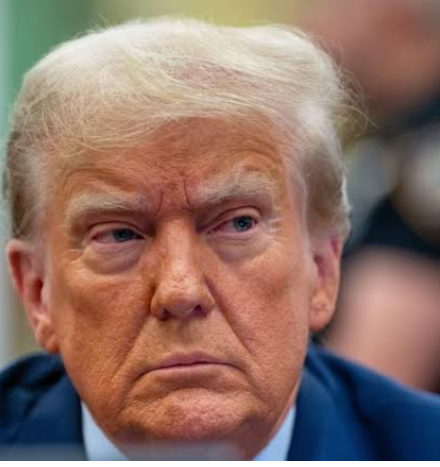
Assasinate Donald Trump, Get €50m Reward, Iran Parliament Makes Big Offer to Sympathisers
Uchechi Okporie
May 19, 2026
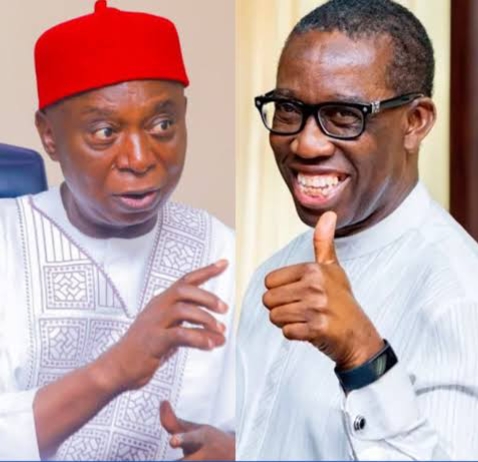
Delta APC Primary Crisis Deepens as Ned Nwoko's Camp Demands Okowa’s Disqualification Over Violation of NWC Directives
Uchechi Okporie
May 17, 2026
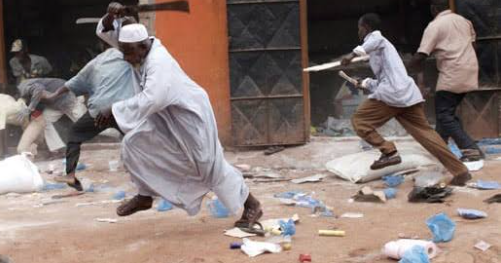
Deadly Chaos Erupts Inside Nigeria’s Ruling Party as APC Primary Election Violence Claims Life in Plateau, Raising Fresh Fears Ahead of 2027 Power Battle
Uchechi Okporie
May 19, 2026
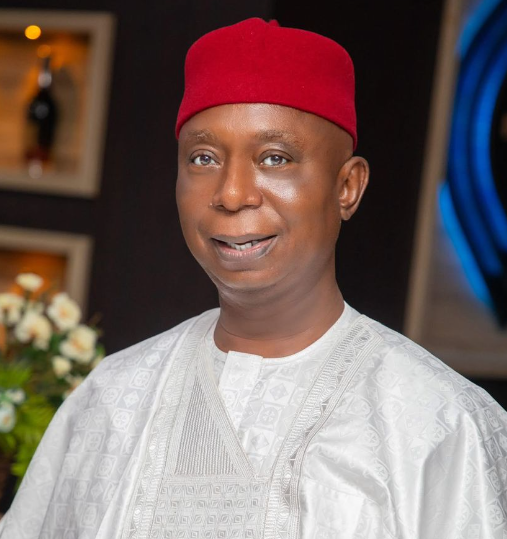
BREAKING: Fierce Delta North APC battle deepens as Ned Nwoko declares commanding primary victory, dismisses fake results and renews Anioma State mission
Uchechi Okporie
May 17, 2026
BREAKING: Diaspora Group Erupts Over “Disrespect” to Goodluck Jonathan, Fires Warning at VeryDarkMan Amid 2027 Political Tension
Uchechi Okporie
May 18, 2026
Breaking News: Nigeria’s ruling APC throws 47 senatorial aspirants out of 2027 race in dramatic political crackdown
Uchechi Okporie

May 16, 2026
Nigeria’s South-South Political Rift Deepens as Fierce Battle Over “Consensus” Threatens Regional Unity Ahead of 2027 Elections
Uchechi Okporie
Latest Stories
May 21, 2026
Aburi accord bombshell: Gowon reignites explosive claim that Ojukwu derailed final peace deal as Nigeria slipped into civil war amid collapsed negotiations
Uchechi Okporie
May 21, 2026
Umahi storms political stage, declares overwhelming Tinubu victory as Ebonyi eyes 95% vote landslide in 2027
Uchechi Okporie
May 21, 2026
BREAKING : Lagos Assembly Spokesperson Ogundipe Wins APC Ticket for Second Term, Vows Inclusive Representation
Chineye Egesi
May 21, 2026
Unanimous Endorsement: Governor Radda Clinches APC Consensus Ticket for Katsina 2027
Chineye Egesi
May 21, 2026
BREAKING: Germany trigger worldwide football explosion as legendary Neuer returns for make-or-break World Cup war
Uchechi Okporie
May 21, 2026
Kwara APC Governorship Primary Suddenly Postponed a Day After Scheduled Date
Chineye Egesi
May 21, 2026
Benue at a Crossroads: APC Aspirant Kuraun Blames Decades of Failed Leadership for State’s Crisis
Chineye Egesi
May 21, 2026
Kefas hails flawless APC primaries in Taraba, calls peaceful process a turning point for political stability
Uchechi Okporie
May 21, 2026
BREAKING: Nigeria’s oil-rich Warri on the edge as furious Itsekiri leaders blast INEC’s explosive new electoral plan
Uchechi Okporie
May 21, 2026
Ogun Diaspora Group Throws Weight Behind YAYI for 2027 Governorship Race
Chineye Egesi
May 21, 2026
political thunderstorm in Adamawa APC as three governorship big names bow out in shock last-minute power deal ahead of primaries
Uchechi Okporie